REVIEW · REIMS
Reims city center: Champagne tasting
Book on GetYourGuide →Operated by CHEZ MARIE ET MAXIME · Bookable on GetYourGuide
Champagne tastes better when you understand it. In Reims, you can learn the Champagne basics and sip three styles in the city-center shop where the process is explained in plain language. I like that it’s set up for personalized guidance and a quick 1-hour timeline.
Two things I’d pick right away: the clear walkthrough of how Champagne is made (from harvest to dosage) and the three-glass tasting with commentary so you can actually tell what you’re tasting. You’ll also get a friendly, no-pressure feel in the cellar/shop setting run by Marie and Maxime.
One consideration: you should plan to eat before or after, because no food or pairings are included—just the glasses and the explanations.
In This Review
- Key reasons this Reims tasting works
- A 1-hour Champagne lesson in Reims city center
- Where you start: 25 Rue Henri IV and a shop-cellar vibe
- The Champagne region basics: UNESCO context without the snooze
- How Champagne is made (the terms you’ll actually use)
- Appellation
- Harvest
- Fermentation
- Disgorging
- Dosage
- Marketing
- The tasting: three glasses, guided commentary, real takeaways
- What you should listen for while you taste
- Getting your questions answered
- Languages and tone: French or English, friendly and focused
- What you get—and what you don’t
- Price and value: is $53 per person fair?
- Who should book this Reims Champagne tasting?
- Practical tips before you go
- Should you book it?
- FAQ
- Where does the Champagne tasting start?
- How long is the experience?
- How much Champagne is included?
- What languages are available?
- Is food included with the tasting?
- What should I bring?
- Is this activity suitable for children or pregnant women?
- Is free cancellation available?
Key reasons this Reims tasting works

- City-center, cellar-shop setting on Rue Henri IV in the Boulingrin district
- Three champagnes poured with guided commentary
- Sommelier Q&A so you can ask follow-up questions in French or English
- Step-by-step Champagne production from appellation to disgorging and dosage
- UNESCO Champagne region context without turning it into a lecture
- Bring a sweater since wine storage stays cool
A 1-hour Champagne lesson in Reims city center

This is Champagne tasting that respects your time. You’re in Reims’ city core, meeting at 25 Rue Henri IV in the Boulingrin district, then settling into a cellar-shop atmosphere where the goal is simple: help you understand Champagne and taste it with your brain turned on.
The schedule is tight—about 1 hour—so it’s not a half-day commitment. That matters in Reims, where you may also want to wander the cathedral area, poke into other wine spots, or just enjoy the town without feeling like you’re on a tour marathon.
What I like most is the structure. You’re not left with a few random pours and a vague “enjoy.” Instead, you get a guided explanation of the Champagne region and how Champagne gets from grapes to the bottle you’re drinking. It’s the kind of clarity that makes the tasting feel worth the money.
You can also read our reviews of more food & drink experiences in Reims
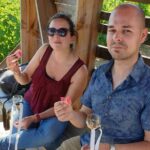
Where you start: 25 Rue Henri IV and a shop-cellar vibe

The tasting begins at 25 rue Henri IV. That address is handy because you’re not dealing with a long transfer out of the city. You can fit this into a day in Reims without turning your schedule into a puzzle.
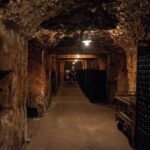
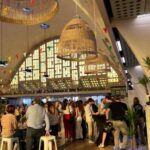
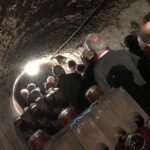
And the setting is part of the charm. This is hosted in the shop/cellar space where you’ll be learning and tasting, not in a huge, formal visitor hall. That creates a calmer rhythm. You’re in the same space where bottles live and where the staff talk wine all day.
The practical upside? You’ll feel less like you’re “touring,” more like you’re taking a short class with tasting included. The downside is also practical: it’s a wine-storage environment, and they note it’s kept cool. Bring a jacket or sweater. Even if you run warm, you’ll appreciate having something on during that hour.
The Champagne region basics: UNESCO context without the snooze

One of the first things covered is the Champagne region itself—described as a UNESCO World Heritage Site. You don’t get a distant lecture. You get the idea that this is a specific place with specific grape varieties and a specific way of making sparkling wine that’s protected by rules.
Then the guide moves into the building blocks:
- The grape varieties used in Champagne
- The basics of Champagne production, including key terms you’ll hear in any Champagne conversation
This matters because Champagne can feel like a language you’re not fluent in. Appellations, harvest timing, fermentation methods, and terms like disgorging and dosage show up in shops and on labels. Once you understand what those words refer to, you stop guessing.
How Champagne is made (the terms you’ll actually use)
If you’ve ever stared at a bottle and thought, I’m missing something, this is where the tour earns its keep. The session explains the process using the major steps that define the style of Champagne:
Appellation
You’ll hear how Champagne is defined by appellation—meaning the rules tied to where it’s made and how it fits the Champagne category. This helps you understand why one bottle feels different from another even when both claim Champagne.
You can also read our reviews of more city tours in Reims


Harvest
Harvest timing affects ripeness and acidity. The guide’s explanation gives you a reason to pay attention to how styles differ—especially if you’re comparing Champagnes you’ve had before.
Fermentation
You’ll get the basic idea of fermentation in the process. Even a short explanation helps you connect what you taste—bubbles, texture, and overall balance—to what happens earlier in the production.
Disgorging
This is one of those Champagne terms that sounds technical but actually ties directly to clarity and texture. Knowing what disgorging is helps you understand why Champagne can look and taste so clean compared with some other sparkling wines.
Dosage
Dosage is the key step tied to sweetness and balance after the main fermentation. Learning this concept changes the way you read “brut,” “extra brut,” and similar label cues. You start tasting the effect rather than just trusting a marketing term.
Marketing
You’ll also get an explanation of marketing in Champagne. That’s useful because Champagne labels can be part product story, part tradition, part positioning. Once you know what’s being emphasized, you’re less likely to be swayed by style names alone.
I like that this isn’t just vocabulary for its own sake. You’re taught the words so they become a tasting tool in the next step.
The tasting: three glasses, guided commentary, real takeaways
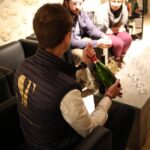
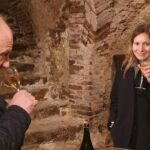
After the explanations, you taste three different champagnes, each served with commentary from the sommelier. That’s the heart of the experience, and it’s what most people remember.
Three glasses is a sweet spot for a one-hour session. Too few and you can’t compare styles. Too many and you end up with a blur of bubbles instead of real understanding.
What you should listen for while you taste
Even without a formal checklist, you can turn this tasting into your own mini “Champagne decoding” exercise. As you sip, pay attention to:
- How the bubbles feel (fine vs lively)
- Whether the finish feels dry or slightly rounded
- How acidity shows up—especially with citrusy or apple-like notes
- How sweetness concepts connect to dosage
The guide’s commentary helps you connect those sensations back to the production steps you just learned. That’s what makes this more than drinking.
Getting your questions answered
The tour includes discussion time and a questions and answers portion. The best tastings aren’t one-way. You want to ask something like, Why does this one taste drier? or What does the label really mean? The format is set up for that kind of back-and-forth, which is exactly how the session stays memorable.
Languages and tone: French or English, friendly and focused
This tasting is offered with a live guide in French or English. That matters more than you might think. Champagne terms can be tricky, and good explanations in your language help the process “click.”
The tone also seems designed to keep the room comfortable. Since it’s a smaller shop/cellar space (not a massive tour bus stop), you can feel like the staff are there to guide you rather than push a scripted program. You’ll hear the emphasis on clarity and on making the experience easy to follow.
What you get—and what you don’t
Included:
- Welcome
- Explanations of Champagne basics
- Three glasses of Champagne
- Questions and answers
Not included:
- Food and champagne pairings
So here’s the practical advice I’d give you: eat first. If you’re tasting three glasses without food, plan your timing so you still feel good after. If you want pairing ideas later, you can ask during Q&A and then build a dinner plan around what you enjoyed.
Price and value: is $53 per person fair?
At $53 per person for about 1 hour, you’re paying for a guided tasting plus instruction, not just “samples.” The value comes from the combination:
- Three glasses instead of one or two
- A sommelier-led explanation of the production process
- Time for questions
- A city-center location that avoids travel time
If you’re the type who buys Champagne and wants to understand what makes one style taste drier, richer, or more nuanced, this pricing can feel reasonable. If you only want a casual taste with zero interest in labels or production steps, you may question the cost. But for people who want to learn and taste intelligently, this is the sort of experience that pays off right away in future shopping decisions.
Who should book this Reims Champagne tasting?
This tasting is a strong match if you:
- Want an easy city-center activity that doesn’t eat the whole day
- Enjoy learning how what you drink is made (without needing a textbook)
- Like guided structure and time to ask questions
- Prefer a smaller shop/cellar feel rather than a large, formal production line tour
It may not be the best fit if you:
- Need food included (pairings are not part of the package)
- Are traveling with kids or are looking for a family-friendly option (it’s not suitable for children under 18)
- Are pregnant (not suitable)
Practical tips before you go
- Wear a jacket or sweater. Wine storage is kept cool.
- Plan to have a meal before (no pairings included).
- Choose French or English based on comfort level with Champagne terms. If you’re even slightly unsure, go with the language you’re most fluent in.
Should you book it?
Yes, if your goal is to leave with both a better palate and a better understanding of what Champagne labels and production steps mean. For $53, you get three guided pours and a real explanation of how Champagne is built—plus the chance to ask questions in French or English.
Skip it only if you want a purely relaxed drink-without-learning vibe or if you specifically need food pairings included. Otherwise, this is a smart, time-friendly way to experience Reims’ Champagne culture right in the city.
FAQ
Where does the Champagne tasting start?
The meeting point is 25 Rue Henri IV in Reims (Boulingrin district).
How long is the experience?
Plan for about 1 hour.
How much Champagne is included?
You’ll receive three glasses of Champagne as part of the tasting.
What languages are available?
The guide offers live commentary in French or English.
Is food included with the tasting?
No. Food and Champagne pairings are not included.
What should I bring?
Bring a jacket, and consider a cardigan or sweater since the wine is stored in cool temperatures.
Is this activity suitable for children or pregnant women?
No. It is not suitable for children under 18 and not suitable for pregnant women.
Is free cancellation available?
Yes. You can cancel up to 24 hours in advance for a full refund.