REVIEW · REIMS
Vineyard and Triple Tasting First Cru in the Mountains of Reims
Book on Viator →Operated by Champagne Lallement Massonnot · Bookable on Viator
A glass of Champagne is good. A lesson in why it tastes that way is better. This short session in the mountains of Reims pairs 1er Cru vineyard views with a structured triple tasting taught in plain, practical steps.
I like two things right away: the setting gives you sweeping views over ten hectares with the Cathedral of Reims in sight, and the tasting is taught as a repeatable method, so you’re not just drinking. One possible drawback to plan for: there are no snacks included, so it helps to eat first if you’re hungry.
In This Review
- Quick Highlights You Can Actually Use
- Why the Mountains of Reims Feel Like the Real Champagne Story
- The Family Estate Setup at Champagne Lallement Massonnot
- Part I: Terroir, Terroir Talk, and the Business of Champagne
- Part II: The Eye, Nose, Mouth Method That Stops Guessing
- How the Tour Keeps Your Palate Fresh Between Three Cuvées
- Choosing Your Three Bottles: What the Options Mean for You
- The Views Are Part of the Value, Not Just Background
- Price and Timing: Does $30.04 Make Sense?
- Who This 1er Cru Triple Tasting Is Perfect For
- Quick Practical Notes Before You Go
- Should You Book This Vineyard and Triple Tasting in Reims?
- FAQ
- How long is the vineyard and triple tasting experience?
- Is the tour offered in English?
- How many champagne tastings do I get?
- Can I choose which cuvées to taste?
- Are snacks included?
- What is the group size?
- Where does the tour start and end?
- Is alcohol served to minors?
- Are pets allowed?
- Can I cancel for a full refund?
- How far in advance should I book?
Quick Highlights You Can Actually Use

- Mountain views + Cathedral of Reims from the vineyards at the west side of the Montagne de Reims area
- Eye, Nose, Mouth tasting method with sommelier-style prompts to guide what to notice
- Triple tasting of 3 cuvées selected from a set of four options
- Small group size (max 8) that keeps the pace educational, not rushed
- English-led experience with mobile ticket entry
- A family-run Champagne approach: terroir and the people behind it, not just the product
Why the Mountains of Reims Feel Like the Real Champagne Story
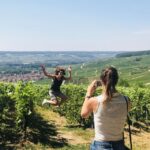
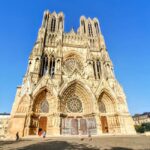
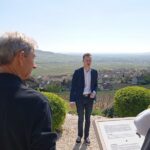
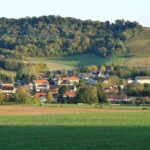
Reims is the obvious stop for Champagne, but the mountains are where it becomes physical. When I stepped into the vineyard setting tied to Chardonnay 1er Cru, you can feel how the terrain and exposure shape the wines. The views aren’t just pretty decoration either. Looking out with the Cathedral of Reims in the background turns Champagne into something you can picture, not just something you buy.
This tour is short—about an hour—so it wastes no time. You get a tidy mix of setting, storytelling, and tasting technique. It’s not a “wander and hope” style visit. The pacing matters because Champagne tasting can get confusing fast once your palate gets tired.
You can also read our reviews of more food & drink experiences in Reims
The Family Estate Setup at Champagne Lallement Massonnot

The meeting point is at Champagne Lallement Massonnot Winery, 35 Rue Haute, 51390 Coulommes-la-Montagne, France. Expect a small group experience with a maximum of 8 travelers. That size is perfect for questions, and it helps the guide keep you on track with the tasting method instead of just handing out glasses.
The experience is offered in English, which is a big deal in this region because Champagne talk can get technical. Here, the presentation aims to make the concepts usable: who makes Champagne happen, how terroir matters, and why winemakers keep making choices that affect the final flavor.
One practical note: you’ll be there long enough to taste properly, but not long enough for a full meal break. Since snacks aren’t included, I’d treat this like an activity that pairs with lunch, not a stand-alone outing if you tend to get hungry.
Part I: Terroir, Terroir Talk, and the Business of Champagne

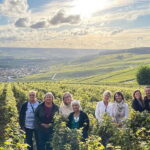
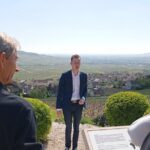
The first chunk of the session is built like an orientation. You start in the middle of the Chardonnay 1er Cru plot, looking over about ten hectares on the mountainside (the west mountain of Reims area). That viewpoint sets up what you’re about to learn: Champagne isn’t only about bubbles. It’s about land, timing, and people working within the realities of agriculture and business.
You’ll be guided through several themes that help Champagne “click”:
- how different economic actors fit into the system of Champagne
- how terroir influences what ends up in the bottle
- why history matters, but also how it shaped today’s decisions
I like that this part isn’t academic fluff. It helps you understand why two Champagne bottles can both be “Champagne” yet taste noticeably different. Once you know there are real decisions behind the label, the tasting part feels less random.
Part II: The Eye, Nose, Mouth Method That Stops Guessing

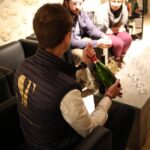
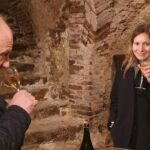
The tasting is the heart of the experience, and it’s taught with a simple progression: Eye, Nose, and Mouth. That structure is genius for a first-time Champagne learner because it prevents the common mistake of tasting too quickly and trying to make sense of everything at once.
Here’s how the approach helps you, practically:
- Eye: You learn to look before you smell. This slows you down in a good way.
- Nose: You’re guided to notice aromas in a way that matches the style progression.
- Mouth: You focus on taste and how flavors unfold, rather than just scoring it in your head.
The session also includes associated sommelier gestures. You’re not expected to perform like a pro. The gestures act like physical reminders that keep you focused on the right step at the right time. In my experience, that kind of guidance makes a quick tasting feel teachable instead of chaotic.
How the Tour Keeps Your Palate Fresh Between Three Cuvées

One reason Champagne tastings can feel overwhelming is palate saturation. The session is designed to avoid that by controlling the order and guiding how you taste through the steps.
You’ll pick 3 cuvées to taste with your companion or group. Those choices come from four cuvées in the range:
- Sun D’eden
- Floresian Zest
- Baies d’Alizés
- Vintage 2020
Because you’re choosing among options, you can steer the tasting toward your preferences—like more fruit-forward styles versus a more structured direction with a vintage. The key is that the experience is still paced as a progression, so your last pour doesn’t taste like watered-down memory.

Choosing Your Three Bottles: What the Options Mean for You

You can treat the cuvée selection like a mini tasting strategy. I’d use the four options as clues for what you want to learn.
For example:
- If you want a more expressive, aroma-driven style, picking from the citrusy and berry-named options (like Floresian Zest or Baies d’Alizés) can make the “nose” part easier to understand.
- If you want to compare a vintage-focused Champagne against the rest of the lineup, adding Vintage 2020 gives your tasting a clear anchor.
The experience supports group decisions too. It’s built for couples and small groups who want to share the experience without everyone doing their own complicated tasting math.
The Views Are Part of the Value, Not Just Background

This is one of those experiences where the scenery earns its keep. Standing in the vineyard with a view over the mountain side and spotting the Cathedral of Reims adds a sense of place to every sip. Champagne is often sold as a product, but here you get a context: vineyards on a slope, a family estate, and the city’s landmark far below.
And because the session is about 1 hour, the view doesn’t turn into a long waiting game. You get the best part—views plus tasting plus instruction—packed into a tight time window.
Price and Timing: Does $30.04 Make Sense?

At $30.04 per person for about an hour, you’re paying for a compact package: guided explanation plus 3 champagne tastings. That’s the big value equation. You’re not just paying for the liquid. You’re paying for the method—Eye, Nose, Mouth—plus the local context about how Champagne works in the region.
This price point also works well because the group is small (max 8). Small groups usually cost more, but in this case you’re getting instruction rather than a generic pour-and-walk setup.
Where it might not be ideal: if you’re expecting a full meal or food pairing. Since snacks aren’t included, plan to eat beforehand. Also, the entire session is short, so serious wine nerds looking for a long, cellar-deep format might want a longer visit elsewhere. For most people, though, it hits the sweet spot.
Who This 1er Cru Triple Tasting Is Perfect For
This is a great fit if you want:
- a first solid Champagne education without getting buried in jargon
- a short, well-paced experience with real vineyard context
- a small-group tasting where you can ask questions and keep up
It’s especially good for couples because cuvée choice can be shared, and the structure keeps the pace comfortable. If you’re traveling with someone who doesn’t usually care about tasting notes, the Eye, Nose, Mouth method gives both of you something concrete to do.
If you’re traveling as a group, the max 8 travelers limit keeps it from turning into a noisy factory tasting. It’s the kind of format that makes learning feel social instead of scripted.
Also, you don’t need to worry about having a trained palate going in. The whole point is that you’ll be guided.
Quick Practical Notes Before You Go
- Alcohol: tasting is for adults 18+. Minors will be served soft drinks.
- Pets: service animals are allowed, and unassisted dogs are allowed during the visit.
- Ticket: you’ll have a mobile ticket.
- Language: the tour is offered in English.
- Comfort: bring yourself hungry for learning, but also plan food since snacks are not included.
Should You Book This Vineyard and Triple Tasting in Reims?
Yes, if you want a high-value Champagne introduction in a real vineyard setting. This works because it combines three things people usually miss when they rush through Champagne country: views, a short but meaningful lesson on how Champagne is made and supported, and a tasting method you can reuse later.
I’d skip it only if you specifically want long cellar time, food pairings, or a large-group party vibe. For everyone else, this is a focused, friendly way to understand what you’re tasting and why it tastes the way it does.
FAQ
How long is the vineyard and triple tasting experience?
It lasts about 1 hour.
Is the tour offered in English?
Yes, it’s offered in English.
How many champagne tastings do I get?
You get 3 champagne tastings.
Can I choose which cuvées to taste?
Yes. You choose 3 cuvées from a set of four: Sun D’eden, Floresian Zest, Baies d’Alizés, and Vintage 2020.
Are snacks included?
No. Snacks are not included, so eating before helps if you get hungry.
What is the group size?
The experience has a maximum of 8 travelers.
Where does the tour start and end?
It starts at Champagne Lallement Massonnot Winery, 35 Rue Haute, 51390 Coulommes-la-Montagne, France, and ends back at the meeting point.
Is alcohol served to minors?
Alcohol is served only to travelers aged 18 years and over. Minors are served soft drinks.
Are pets allowed?
Service animals are allowed, and unassisted dogs are allowed throughout the visit.
Can I cancel for a full refund?
Yes. You can cancel up to 24 hours in advance for a full refund.
How far in advance should I book?
On average, this is booked about 15 days in advance.