REVIEW · EPERNAY
Gold Champagne Experience from Epernay (Private Full day tour)
Book on Viator →Operated by Aÿ-Champagne Experience · Bookable on Viator
Champagne starts with a small village story and ends in your glass. I like that this is a private, full-day run through the key vineyards around Epernay, with Premier Cru and Grand Cru tastings plus visits to independent producers, not just famous brand stops. The day also includes a proper French lunch with Champagne, which makes the whole experience feel complete rather than rushed. One thing to plan for: the vehicle can matter a lot, since the tour fleet may use an iconic red E-Mehari that’s a bit awkward to climb into.
I also like the way the route mixes big viewpoints and production details, from Hautvillers’ Dom Pérignon connection to the Côte des Blancs villages where Chardonnay really drives the style. Guides such as Julie and Nina are clearly a big part of the day, bringing the how-and-why of Champagne making into plain language. If you have strong preferences on car comfort, tell the operator before pickup so you get the vehicle that fits you best.
In This Review
- Key Things You’ll Notice on This Gold Champagne Day
- Private Full-Day Champagne From Epernay: What You’re Really Paying For
- Hautvillers First Stop: Saint-Pierre d’Hautvillers and Dom Pérignon’s Role
- Hautvillers Views and the UNESCO Hillsides: Premier Cru Tastings With Growers
- Crossing Epernay’s Avenue de Champagne: Mansions, Cellars, and Big-House Scale
- Cramant Lunch in Chardonnay Country: Bottle-Paired, Local-Friendly, Flexible
- Oger and the Quest for Blanc de Blancs: 100% Grand Cru Tastings
- Aÿ-Champagne and Pinot Noir: Vine Work, Kings’ Presses, and Three Distilled Aperitifs
- Choosing the Right Vehicle for Comfort During a 7–8 Hour Day
- Who This Tour Is Best For (and who should reconsider)
- Should You Book the Gold Champagne Experience From Epernay?
- FAQ
- How long is the Gold Champagne Experience from Epernay?
- Is this a private tour?
- What tastings will I do during the day?
- Do the tastings and producer visits change by season?
- Is pickup included, and where does it work?
- What vehicle will I ride in?
- Will I get lunch?
- Are admission tickets included for stops?
- What language is the tour in?
- What’s the cancellation rule?
Key Things You’ll Notice on This Gold Champagne Day

- Private group routing around Epernay and the UNESCO-listed vineyard hillsides, so the day feels tailored rather than mass-tour paced
- Two separate independent-producer visits with commented tastings of multiple Premier Cru and Grand Cru Champagnes
- Avenue de Champagne pass in Epernay with history and scale (including the famous cellars and house buildings)
- Lunch stop built around local dining in Cramant, with Champagne served alongside your meal
- Style variety in the tastings, including Blanc de Blancs options and examples that differ by dosage, aging, and vine age
Private Full-Day Champagne From Epernay: What You’re Really Paying For

At about 7 to 8 hours with pickup offered around Epernay, this tour is priced at $584.52 per person. That sounds steep until you look at what’s included in the flow: private transport, multiple vineyard villages, production visits, and several tastings over the day, plus lunch paired with Champagne.
The value here isn’t just the number of stops. It’s the mix. You get the story sites tied to Champagne’s origin points, then you switch to hands-on production talk with independent growers/producers. That’s the difference between drinking Champagne as a souvenir and learning what actually changes the glass.
You’ll also want to think about pace and comfort. Because it’s a private tour, you’re not locked into a long bus parade. But you are still sitting in a vehicle for hours between villages, and one review pointed out how the two-door E-Mehari style car can be difficult for people in their 50s/60s. If mobility or ease of entry matters, ask for a more classic van option before you go.
You can also read our reviews of more private tours in Epernay


Hautvillers First Stop: Saint-Pierre d’Hautvillers and Dom Pérignon’s Role

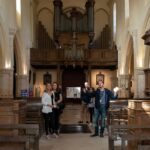
The day begins in Hautvillers, in the village commonly linked to the cradle of Champagne. Your first scheduled stop is the Abbaye Saint-Pierre d’Hautvillers, where you’ll take a private tour focused on the church and the grave of Dom Pérignon.
This isn’t presented as a lecture you have to sit through. The tour format is built around story—explaining Dom Pérignon’s role and letting you sort out the legend-versus-inventor question for yourself. The church visit is listed as about 30 minutes, and the admission ticket for this stop is marked free.
Why this matters for your day: it gives you a narrative hook before you start tasting. After you hear the Dom Pérignon story, the rest of the route makes more sense, especially the later stops tied to Hautvillers’ vineyard experimentation and the UNESCO-listed hillsides you’ll see afterward.
Hautvillers Views and the UNESCO Hillsides: Premier Cru Tastings With Growers
Next you continue deeper into Hautvillers, including a stop for a panorama over the Marne Valley. This area is listed as a UNESCO World Heritage Site, and it’s also where the tour connects back to Dom Pérignon’s winemaking experiments. You get a viewpoint that’s useful for photos too, especially if you want vineyard rows and valley views without needing a separate hike.
Then comes the part you’ll feel in your glass: a visit to the first of two families of independent producers/growers. Expect a look at the working parts of Champagne production, including the presses, wineries, and cellars, followed by a commented tasting of three Premier Cru Champagnes.
One practical detail: the tasting location can vary by season and availability. The tour notes that the Premier Cru visit/tasting may take place in the Côte des Blancs or in Aÿ-Champagne. Either way, you’re still getting the structured experience: producer context, then guided tasting advice for those Premier Cru pours.
If you’re a first-time Champagne drinker, this is a strong setup. Premier Cru gives you a sense of how terroir and grower practices show up in texture, acidity, and overall style—even before the day shifts into Grand Cru.
Crossing Epernay’s Avenue de Champagne: Mansions, Cellars, and Big-House Scale

After the Hautvillers segment, you cross over toward Epernay, the Champagne vineyard capital. The tour includes a commented passage of the Avenue de Champagne, described as the world’s most expensive avenue and lined with prestigious Champagne houses and mansions.
This stop is less about walking through one house and more about understanding the place. You’re told the history of the mansions and production buildings belonging for centuries to major houses such as Moët & Chandon, Perrier-Jouët, and Pol Roger. You also learn the scale behind the scenes, including the claim of around 100 kilometers of cellars and 200 million bottles hidden underground.
What I like about this portion: it keeps you grounded in reality. Even if you’re focusing on independent growers later, it helps to see how huge Champagne operations work at street level—why these villages became major players, and why Epernay became a showpiece for the region.
The only “watch-out” here is time. Since this is a full-day itinerary, you’ll get the Avenue experience as a passage, not an extended museum-style detour.
Cramant Lunch in Chardonnay Country: Bottle-Paired, Local-Friendly, Flexible

The tour moves into Côte des Blancs, a key area south of Epernay, and stops in Cramant, a Grand Cru village often associated with Chardonnay—the tour frames it as the kingdom of Chardonnay Grand Cru.
For lunch, you go to a Champagne-and-dining bar style location that’s described as appreciated by locals. The day includes Champagne with your meal: a bottle for 2 persons paired with the table.
The menu example is practical and regional: charcuterie and cheese platters with bread and salad, ready-made farm meals, pâtés, regional biscuits, and coffee. You’re also asked to inform the operator about food allergies or dietary requirements when booking, which is important for a tasting-heavy day when you may not want to guess what’s safe.
The lunch location can vary depending on the day, and the tour notes that the lunch is designed around local fresh products. A fair takeaway for you: lunch is part meal and part rest. If you’re picky about one or two specific items (for example, pâté), tell the operator early so there’s more room to match your choices.
You can also read our reviews of more wine tours in Epernay



Oger and the Quest for Blanc de Blancs: 100% Grand Cru Tastings

From Cramant you head to Oger, another well-known Grand Cru village in Côte des Blancs, where the tour focuses on Blanc de Blancs—Champagnes made from 100% Chardonnay Grand Cru fruit.
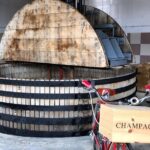
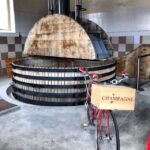
Here’s where the tour leans into deep wine detail. You’ll visit the second of the two independent producer families for explanations of the Champagne making process and a look at presses, wineries, and cellars again. Then you’ll do a tasting of three 100% Grand Cru Champagnes with tasting advice so you can actually tell what’s different and why.
The tour explicitly calls out style categories you might encounter:
- natural Champagne without dosage
- extra brut
- from old vines
- vintage expressions
- aged in oak barrels
That range is a big deal. Many Champagne tastings leave you with a line like this one is crisp and that one is rich. This day gives you structured variation so you can connect specific methods (like dosage choice or oak aging) to what you taste—without turning it into a complicated classroom.
On the way you also pass through other famous villages like Chouilly and Avize. You’ll see the tour’s references to the largest bottles factory, the Chateau de Saran (linked with luxury group VIP hosting), and the Montaigu site connected with Moët & Chandon. The tour doesn’t frame these as a behind-the-scenes visit, more like key reference points as you travel.
Aÿ-Champagne and Pinot Noir: Vine Work, Kings’ Presses, and Three Distilled Aperitifs

The last Champagne-wine stop on your route is Aÿ-Champagne. This village also has UNESCO-listed hillsides and is known for famous Grand Cru vineyards. The tour connects Aÿ to the 16th century as a major center of Champagne industry and notes that the kings of France had their own presses there. It also references the old term wines of Aÿ for Champagne.
Your time in Aÿ includes a walk through a part of the historic village and attention on the vineyards, mainly planted with Pinot noir. The tour highlights vineyard work and grape variety, with a focus on exceptional terroir and sustainable viticulture as part of the explanation.
You’ll also stop in front of headquarters of Champagne houses associated with Aÿ, including Bollinger, Deutz, and Ayala. That gives you a visual check of the brand world at the end of the day, right when you’re already trained to notice the difference between marketing scale and grower reality.
Then the tour shifts from Champagne into local aperitif traditions. In addition to the Champagnes during the day, you’ll taste three essential Champagne alcohols:
- Ratafia
- Fine de la Marne
- Marc de Champagne, from the Goyard Distillery, described as the oldest in Champagne
This is the part that can surprise you if you only think about Champagne as one product. Those spirits are part of the regional culture of winemaking and distillation, and they help you end the day with a broader sense of how Champagne-area production goes beyond sparkling wine.
Choosing the Right Vehicle for Comfort During a 7–8 Hour Day

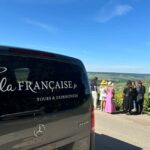
Transport sounds minor until you’re trying to get in and out repeatedly. This tour’s pickup is offered within a 6 km perimeter around Epernay, and the operator chooses the most suitable vehicle based on weather/season and group size, with options including:
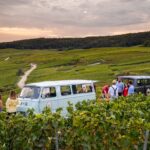
- Electric E-Mehari Jeep-style cars
- Premium vans
- Minivans
One review feedback call-out was exactly about the E-Mehari: it can be uncomfortable and difficult to get into because it’s a two-door vehicle with a slightly raised entry. Another issue was a second guest’s concern that lunch didn’t match expectations, but they still described the guide as helpful and friendly.
Here’s the practical advice: if you don’t want a raised, two-door entry, request a classic minivan or premium van before you depart. The operator also notes that the electric E-Mehari is crossovers/jeep-type and you should tell them if you have difficulty with slightly raised vehicles.
Also think about timing. With a full day and multiple tastings, you’ll want the least amount of physical strain so you can enjoy the day instead of managing sore knees and awkward seat entries.
Who This Tour Is Best For (and who should reconsider)
This tour is a great fit if you:
- want a structured tasting day across Premier Cru and Grand Cru, including Blanc de Blancs focus
- like production details, such as visits to presses, wineries, and cellars
- want lunch that’s actually part of the experience, not an afterthought
- enjoy UNESCO-listed vineyard viewpoints and want a route you can’t easily piece together on your own
It may be less ideal if you:
- strongly prefer very comfortable vehicles and don’t want to climb into a raised, two-door car
- have dietary needs you haven’t communicated in advance
If you’re traveling with parents or anyone with limited mobility, message the operator about vehicle choice early. The tour can be a fun day, but comfort and ease of entry matter once you’re spending hours on the move.
Should You Book the Gold Champagne Experience From Epernay?
I’d book it if you want more than Champagne branding. This tour is built around tasting variety, producer visits, and the real rhythm of Champagne villages—Hautvillers to the Avenue de Champagne in Epernay, then Côte des Blancs through Cramant and Oger, and finally Aÿ-Champagne with Pinot noir focus and aperitif tastings like Marc de Champagne.
The main reason to hesitate is practical: vehicle comfort. If you’re someone who really needs a four-door, easy-entry setup, request the right car up front. If you do that, you remove the biggest risk and you’re left with a day that feels genuinely worth the price because you get both learning and tasting, not just one or the other.
FAQ
How long is the Gold Champagne Experience from Epernay?
It runs for about 7 to 8 hours.
Is this a private tour?
Yes. It’s a private tour/activity, and only your group participates.
What tastings will I do during the day?
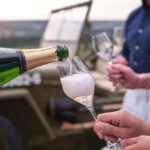
You’ll do a commented tasting of three Premier Cru Champagnes during the Hautvillers-producer segment, and a tasting of three 100% Grand Cru Champagnes during the Oger segment. You’ll also taste three Champagne alcohols and aperitifs in Aÿ-Champagne, plus Champagne with lunch.
Do the tastings and producer visits change by season?
For the Premier Cru segment, the visit/tasting can take place in the Côte des Blancs or in Aÿ-Champagne, depending on season and availability.
Is pickup included, and where does it work?
Pickup is offered within a 6 km (3.7 miles) perimeter around Epernay. If you’re outside that area, pickup may not be possible.
What vehicle will I ride in?
The operator chooses based on weather/season and group size. Options listed include Electric E-Mehari, Premium Van, and Minivans.
Will I get lunch?
Yes. Lunch is included and is accompanied by a bottle of Champagne for 2 persons. The lunch location can vary by day, and you can share dietary needs or allergies when booking.
Are admission tickets included for stops?
The itinerary lists admission as free for the stops such as Abbaye Saint-Pierre d’Hautvillers, and the producer/tasting stops noted in the schedule.
What language is the tour in?
The tour is offered in English.
What’s the cancellation rule?
You can cancel for a full refund up to 24 hours before the experience starts. If you cancel less than 24 hours before, it’s not refunded.
If you want, tell me your travel month and whether anyone in your group has trouble with raised vehicle entry. I can suggest how to message the operator so you get the most comfortable vehicle for the day.