REVIEW · EPERNAY
Epernay South Half Day Visit and Champagne Tastings
Book on Viator →Operated by CHAMPAGNE DREAM TOUR · Bookable on Viator
Six tastes, one calm half-day in Épernay. This small-group outing pairs visits to family-run champagne houses with a clear focus on the Côte des Blancs style, so you’re not just drinking, you’re learning what’s in your glass. The one thing to consider: it’s compact, so if you want long, unhurried time at a single cellar, this route moves on.
I like how the experience is driven by the guide’s personality and local pacing. Many guests rave about Ghislain, often called Mr. G, who tends to adjust the day to the group while keeping the learning flowing in real, everyday language.
You get an air-conditioned vehicle, a max group size of 7, and an English-speaking guide—so the whole day feels more like a smart afternoon plan than a big-bus rush.
In This Review
- Key things to know before you go
- A calm, small-group look at Epernay’s champagne world
- Starting at the Office de Tourisme d’Épernay en Champagne
- Champagne Jean Milan: a guided house tour plus three pours
- Champagne Voirin-Jumel and the Côte des Blancs Chardonnay story
- Cramant Belvedere photos, then Jardin des Vignes learning time
- Avenue de Champagne walk: UNESCO corridor in half an hour
- What you’ll taste (and how to keep it enjoyable)
- Price and what makes the $156.03 value work
- Who this half-day tour fits best
- Should you book Champagne Dream Tour’s South Half-Day?
- FAQ
- How long is the Epernay South Half Day visit?
- Where does the tour start and end?
- Is the tour offered in English?
- How many people are in the group?
- Are champagne tastings included, and is there an age requirement?
- What should I wear and bring?
- Can I cancel for a full refund?
Key things to know before you go

- Six tastings in about four hours: 3 champagnes at each tasting stop (with one possible substitution at the first house).
- Smaller producers, not just the big brands: the route is designed for comparing different house styles and approaches.
- Côte des Blancs angle: you’ll spend time in the Chardonnay zone, which helps you understand why styles differ.
- Vineyard-focused stops: you’ll get out for photos at Cramant and walk through the Jardin des Vignes.
- UNESCO Avenue de Champagne walk: a short, useful stroll in the middle of the prestigious corridor.
- A small group with a real guide: maximum 7 travelers keeps it personal, especially for questions.
A calm, small-group look at Epernay’s champagne world

This is a half-day plan in Champagne country, starting and ending at the Epernay Tourist Office. With an approximate duration of 4 hours and a maximum of 7 travelers, the pace is brisk but not frantic. You’re switching locations, yes, but you’re also getting structured time at each main stop.
The tour is offered in English, and you’ll ride in an air-conditioned vehicle. That matters in Champagne season swings—when mornings are cool and afternoons warm up, you’ll appreciate the comfort during the drives between villages and vineyards.
The value of this format is simple: you get guided tasting moments plus vineyard and regional context. If you’ve ever felt stuck in a tasting room with no framework, this kind of route helps you connect the dots—grape type, production choices, and why certain styles taste the way they do.
You can also read our reviews of more wine tours in Epernay
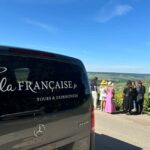

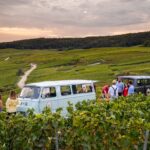
Starting at the Office de Tourisme d’Épernay en Champagne
Pick-up happens right in front of the entrance of the Epernay Tourist Office on Avenue de Champagne. It’s quick—about 10 minutes—but it sets the tone: you meet up, get oriented, and then you’re off.
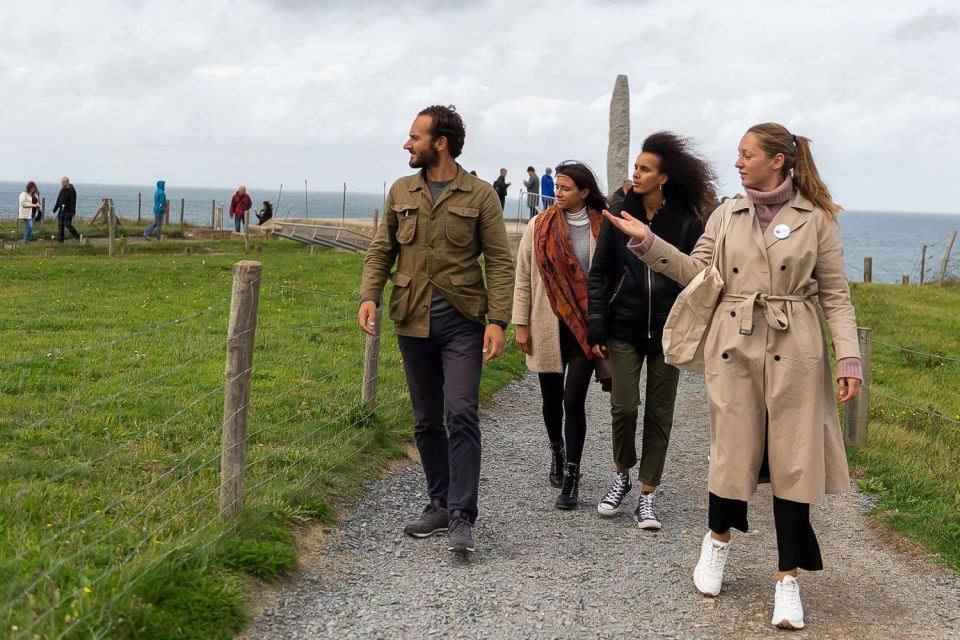
You should plan to dress for the outdoors. Even though the main work is done in vehicle + tasting rooms, you do have vineyard time: comfortable clothes and comfortable shoes are strongly advised because you’ll stop where you can step around vines and viewpoints.
I also like that the meeting point is easy to find in the center of Epernay. Ending back at the same place means you don’t have to figure out transportation at the end of your tasting day—just walk out and keep exploring on your own.
A small practical note: this is a mobile-ticket experience, so keep your phone handy. It avoids the hassle of paper tickets when you’re already busy concentrating on the day.
Champagne Jean Milan: a guided house tour plus three pours

The first real champagne stop is Champagne Jean Milan. You’ll drive over for a guided visit and tasting of 3 champagnes. There’s one wrinkle: the tasting could be at Champagne Nicolas Feuillatte instead, depending on availability.
What makes this stop worth your time is the mix of tour + tasting. You’re not only sampling; you’re shown the facilities and guided through the champagne-making process. That’s a big help if you want to understand why two bottles can be made in the same region but taste noticeably different.
In terms of pacing, you should expect about 1 hour here. That’s long enough to ask questions and compare what you’re hearing with what you’re tasting, but short enough to keep the day moving.
One consideration: if you’re sensitive to alcohol or traveling with someone who isn’t able to drink, the tour includes tastings as part of the experience. The tour data states that alcoholic beverage tastings are only offered to people aged 18 and over, and alcohol is prohibited for pregnant women and people with health problems. If that affects your group, plan to focus on the production tour and skip the pours as guided.
Champagne Voirin-Jumel and the Côte des Blancs Chardonnay story

After the first tasting, you’ll head to a family estate: Champagne Voirin-Jumel (subject to availability). This is another 1-hour stop, and it includes a tasting of 3 champagnes.
This is where the tour’s character becomes clearer. The route explicitly calls out the Côte des Blancs—often described as the kingdom of Chardonnay—and the tasting lineup should make that idea tangible. Even if you’re new to champagne, you’ll likely notice how Chardonnay-led styles can feel different from blends you might be more used to.
Because Voirin-Jumel is family-run, the visit tends to feel less like a showroom and more like an actual working place. That matters for authenticity. You’re comparing house styles across the route, which makes the day better than doing six sips in six rooms with zero context.
Also, this is one of the stops that shows up in standout guest comments. Many guests specifically highlight the Voirin-Jumel visit as a favorite, which lines up with the tour’s focus: smaller producers, real character, and a clear tasting story.
Cramant Belvedere photos, then Jardin des Vignes learning time

Between the major tastings, you get two vineyard-anchored stops that break the driving up nicely.
First is a 15-minute photo stop at the Cramant Belvedere. This is short by design. You get a quick chance to appreciate the area from above and capture the kind of views that make Champagne feel different from other wine regions.
Then you move to the Jardin des Vignes for about 40 minutes. This one is included, and it’s meant to explain the vine and its role in the wider champagne world. If you’ve ever wondered what you should be looking for when you see vines on the hills—row spacing, varietal patterns, the way the landscape is structured—this stop can help you connect what you’re seeing to what ends up in the bottle.
The trade-off is time. Jardin des Vignes is great, but it also means you’ll likely stay away from the cellars during this portion. Still, for most people, it’s a welcome reset: legs stretch, questions shift from tasting to growing, and then you’re ready for the final walk.

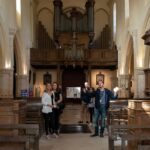
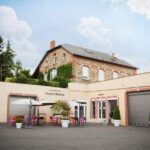
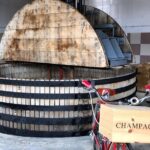
Avenue de Champagne walk: UNESCO corridor in half an hour

Near the end, you take a 30-minute short walk on Avenue de Champagne, a UNESCO World Heritage site. Even if you don’t memorize every house name, this is the part that helps you put Epernay on the map.
Avenue de Champagne is where the prestigious champagne houses cluster—so you’ll see the region’s branding power in person. You’re not stuck inside a vehicle or a tasting room. You get to move at human speed, take photos, and connect the street energy with the more hands-on vineyard and cellar visits earlier.
This portion is especially helpful if you plan to keep exploring after the tour. Once you’ve walked the avenue, you understand where the big names sit—and you can choose whether to go back later for a self-guided visit.
What you’ll taste (and how to keep it enjoyable)

Here’s what you can plan on tasting: at the first champagne house, you’ll have a guided tasting of 3 champagnes. At the second, you’ll also have a tasting of 3 champagnes. Total: six pours across the half-day route.
That’s a sensible amount. Enough variety to notice differences, but not so much that you spend the next day writing off the region as just alcohol. If you want to buy a bottle, the tour’s pace gives you an informed basis for choosing, rather than buying based on first impressions alone.
Because tastings are alcohol, the age and health rules matter. Alcoholic beverages are only offered to people 18 and over, and the tour notes alcohol is prohibited for pregnant women and people with health problems. If you’re in a situation where alcohol isn’t an option, you should still be able to enjoy the production tours and learning components, but you’ll want to be clear with the guide about what’s appropriate for you.
Also, pacing helps with comfort. There’s a lot happening, but it’s broken into clear blocks: two tasting houses, short photo/view time, vine-learning, then the UNESCO street walk. You’re getting variety without going nonstop.
Price and what makes the $156.03 value work

At $156.03 per person, the headline price can look steep until you break down what’s included. You’re paying for:
- air-conditioned vehicle transport
- a guide
- visits and tastings
- and at least one structured included attraction (Jardin des Vignes)
If you do the math in your head, you’re not just buying a handful of tastes. You’re buying guided time across multiple stops, plus the transportation between them. In a region like Champagne, that logistical piece can easily eat up a morning if you’re doing it on your own by train, taxi, or car rental.
You’re also getting multiple house comparisons: two tastings, and the first stop can switch between Jean Milan and Nicolas Feuillatte (depending on availability). That flexibility can be a plus rather than a hassle, because you’re still getting the same tasting structure and production context.
One thing I’d watch is your personal priorities. If your dream is to spend hours in a single cellar and go deep into one producer, this may feel like more “sample and compare” than “stay and sink in.” But if your goal is to learn quickly and taste meaningfully, the price-to-experience ratio looks strong.
Who this half-day tour fits best
I think this tour is ideal if you want a smart introduction to Champagne without turning your day into a transportation puzzle.
It’s a great fit for:
- first-time visitors to Épernay who need orientation fast
- wine-curious travelers who like structure (tour + tasting + vine context)
- people who prefer smaller houses over big-name-only schedules
- anyone who wants a guide who can answer questions in English and keep the day flowing
It may be less ideal for:
- travelers who dislike driving between stops
- people who want a long, slow tasting session at one place
- groups where most participants can’t do tastings due to health or pregnancy restrictions (the tour is tasting-centered)
The group limit of 7 travelers is a quiet quality-of-life feature. It usually means you can actually ask questions and hear the answers. And it helps if you’re the type who likes to compare what you’re hearing to what you’re tasting in your glass.
Should you book Champagne Dream Tour’s South Half-Day?
If you want a guided, compact Champagne taste of Epernay and the Chardonnay-focused Côte des Blancs area, I’d say yes. The strongest reason to book is the combination of smaller producers, structured learning, and the fact that the tasting schedule is clear: 3 pours at each main stop.
I’d book especially if you’re the kind of person who will remember details later—like what the guide says about the making process and how it shows up in the glass. And if your group includes someone who loves comparing styles, the route is built for that.
If you’re not into alcohol tastings or you’re traveling with strict restrictions, consider the day as a guided production-and-vine learning experience, not a drinking marathon. Just be sure everyone’s expectations match the tour’s tasting-centered design.
FAQ
How long is the Epernay South Half Day visit?
It’s approximately 4 hours.
Where does the tour start and end?
It starts at the Office de Tourisme d’Epernay en Champagne, 7 Av. de Champagne, 51200 Épernay, France, and it ends back at the same meeting point.
Is the tour offered in English?
Yes, it’s offered in English.
How many people are in the group?
The tour has a maximum of 7 travelers.
Are champagne tastings included, and is there an age requirement?
Yes, tastings are included as part of the visits. Alcoholic beverage tastings are only offered to people aged 18 and over.
What should I wear and bring?
Wear comfortable shoes since you’ll stop in the vineyards, and dress in comfortable clothes based on the weather.
Can I cancel for a full refund?
Yes. Free cancellation is available if you cancel at least 24 hours in advance for a full refund.