REVIEW · PARIS
From Paris: Normandy Landing Beaches D-Day Tour by Minibus
Book on GetYourGuide →Operated by ParisCityVision · Bookable on GetYourGuide
D-Day hits hard, even from the bus seat. This one-day Normandy D-Day trip from Paris takes you past the German Atlantic Wall at Longues-sur-Mer and down the coast toward the main landings.
I like how the route builds meaning site by site, not just checklists. The American Cemetery in Colleville hits with quiet power, and you get a real sense of what happened at Omaha Beach. One consideration: guide delivery can vary in clarity and pace, so if you need slow, easy-to-follow explanations, keep that in mind.
In This Review
- Key Stops and What They’re Really For
- A One-Day Normandy Route That Actually Makes Sense
- Longues-sur-Mer and the Atlantic Wall: Starting With the Defenses
- Point du Hoc: Where the Map Lies and the Cliffs Tell the Truth
- Omaha Beach: The Main Landing Area, With Time to Process
- Colleville American Cemetery: Where the Day Becomes Personal
- Arromanches and the Mulberry Harbor: Engineering That Looks Like Magic
- Lunch at Arromanches: A Small Timing Trap
- Getting There Comfortably (And Why the Minibus Matters)
- Guide Quality: The Big Variable That Changes Everything
- Price and Value: What $324 Really Buys
- Should You Book This Normandy D-Day Minibus Tour?
- FAQ
- How long is the Normandy Landing Beaches D-Day tour from Paris?
- What’s the group size limit?
- What languages are the guides available in?
- Where do I meet the tour in Paris?
- Is hotel pickup included?
- Which major sites will we visit?
- Is lunch included?
- What should I bring?
- Are pets or large bags allowed?
Key Stops and What They’re Really For
- Longues-sur-Mer guns give you a concrete view of Atlantic Wall defenses.
- Point du Hoc cliffs explain why this target mattered more than the map suggests.
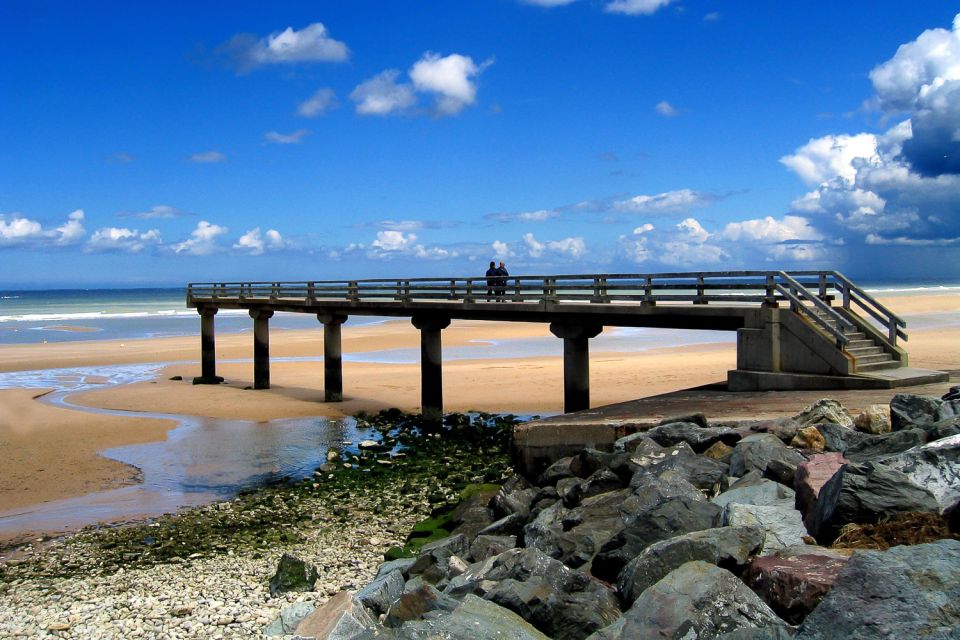
- Omaha Beach time lets you stand in the landing area and process it at your own speed.
- Colleville American Cemetery anchors everything with names, dates, and stillness.
- Arromanches Mulberry Harbor remains show how the Allies built supply lines fast, not by magic.
- Optional Gold/Juno add-ons may appear depending on the day’s schedule.
A One-Day Normandy Route That Actually Makes Sense
This is the kind of day trip that helps you connect dots. You start with German defenses along the coast, move to the American landing zone, and end with the engineering that kept the campaign fed and moving. On paper it’s “a full day.” In reality, it’s the WWII story in the order you’re most likely to understand it.
The tour is built around a small group (up to 15). That matters. In a group that size, you tend to get more back-and-forth, and the guide can keep the day from feeling like a rushed museum marathon. You also travel by air-conditioned coach through the Normandy countryside, which is a relief when the day runs long.
You’re also getting more than just beaches. You’ll spend time with the memorial aspect too, which is where the day becomes personal—names on stone, a sense of scale, and a strong reminder that this wasn’t “strategy,” it was people.
You can also read our reviews of more tours and experiences in Paris.



Longues-sur-Mer and the Atlantic Wall: Starting With the Defenses
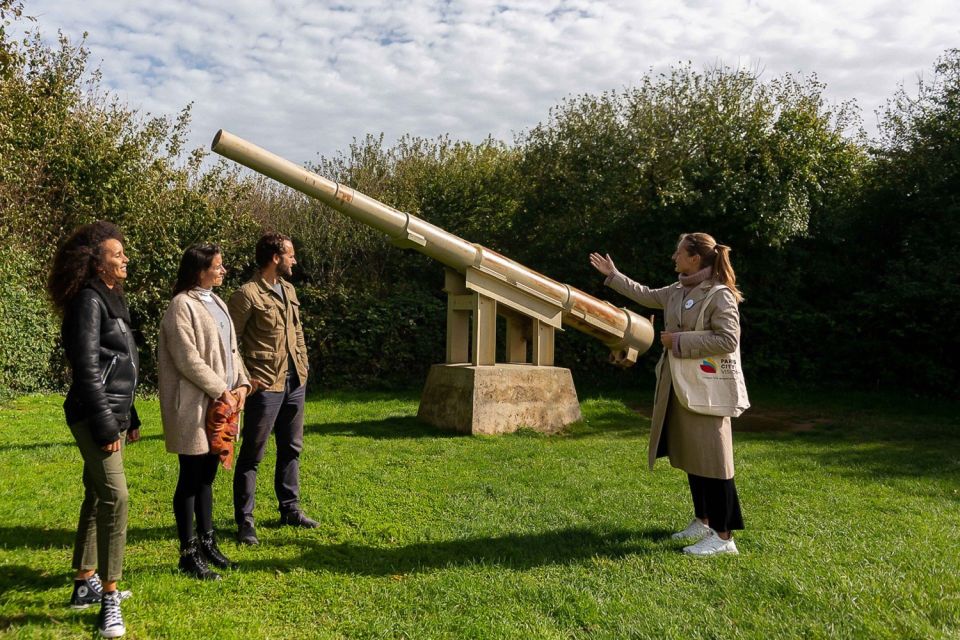
Most D-Day itineraries jump straight to the landing beaches. This one begins at the German battery at Longues-sur-Mer, part of the Atlantic Wall. That first stop changes how you read the rest of the day.
Here you’re looking at surviving guns and the defensive setup the Germans prepared along the coast. Even if you only take a few minutes to trace how the battery was built, you start seeing the logic: this wasn’t an empty shoreline. It was defended terrain, ready to make landing craft suffer.
Practical tip: give yourself a little patience at this stop. The site can feel technical—guns, positions, and concrete—so the best experience comes when you slow down and look. If your guide is speaking clearly, this is where their explanations help you connect the coast’s “why” to the “what happened next.”
Point du Hoc: Where the Map Lies and the Cliffs Tell the Truth
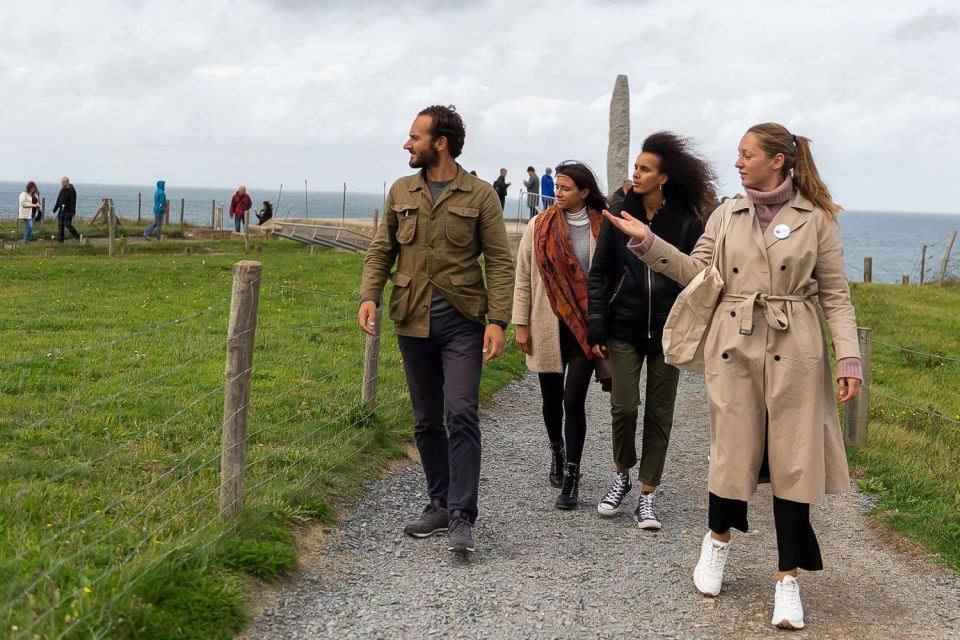
Point du Hoc is a target people often know by name, but what sticks is the terrain. You visit for about an hour, which is a good amount of time for this kind of location. The cliffs and the views make you understand why the action here was so intense and why it was so dangerous to approach.
This stop is also a useful reality check. From the ground, it doesn’t feel like an abstract “operation.” It feels like a place where small changes in timing or position could decide everything.
One thing I appreciate about including Point du Hoc in the morning: your brain is still fresh. Later on, at Omaha and the cemetery, you’ll need that energy for reflection.
Omaha Beach: The Main Landing Area, With Time to Process
Then you move to Omaha Beach. The schedule gives you about 45 minutes there. That’s not a lot on a world-historical scale, but it’s enough to get bearings, read what’s important, and sit with the meaning without feeling trapped in a forced pace.
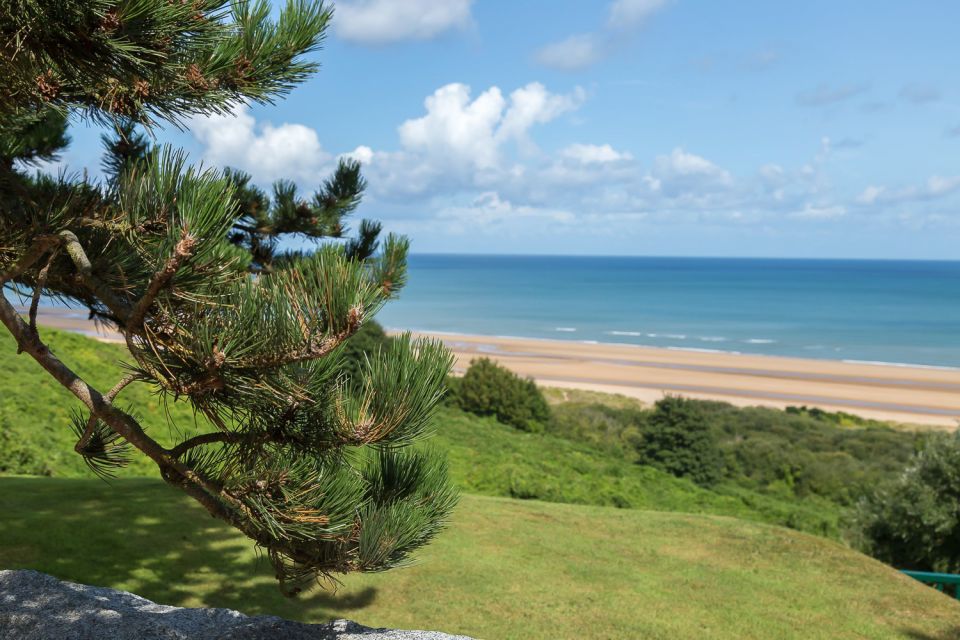
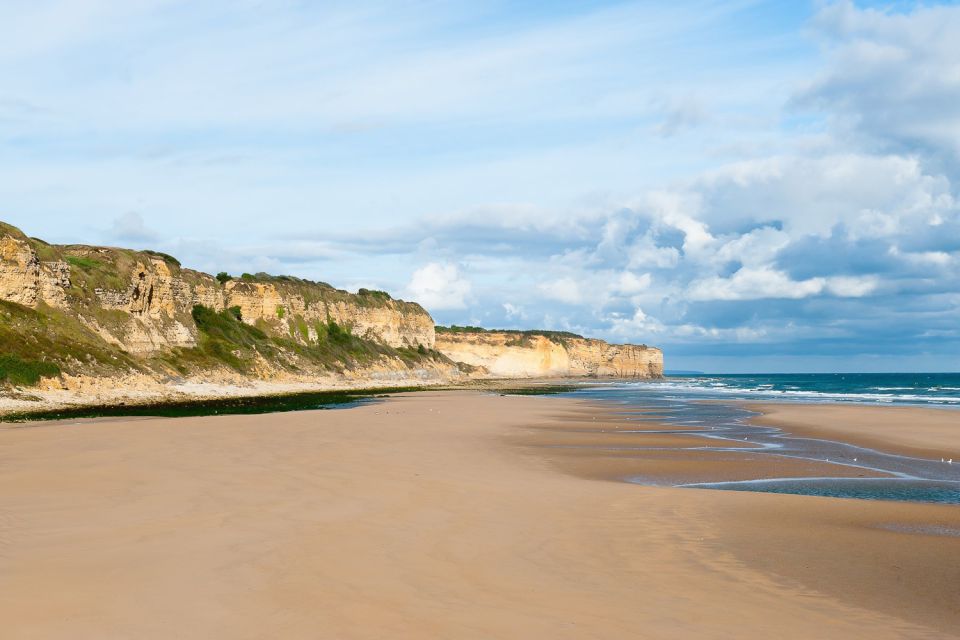
What makes Omaha Beach powerful is that it’s both open and specific. You can look out across the shore and understand why the landing was so brutal: it’s exposed ground, with little margin for error. At the same time, you’re not just staring into the distance. You’re standing at a specific place tied to June 6, 1944.
If you’re the type who likes quiet breaks, use them here. Take a slower lap. Find a spot where you can watch the coastline and let the day land emotionally, not just factually.
Depending on the day’s timing, the route may also continue along the coast toward Gold Beach and possibly make a stop near Juno Beach and its cemetery for Canadian forces. That’s a nice bonus if you want the Allied story to stretch beyond a single nation’s experience.
Colleville American Cemetery: Where the Day Becomes Personal
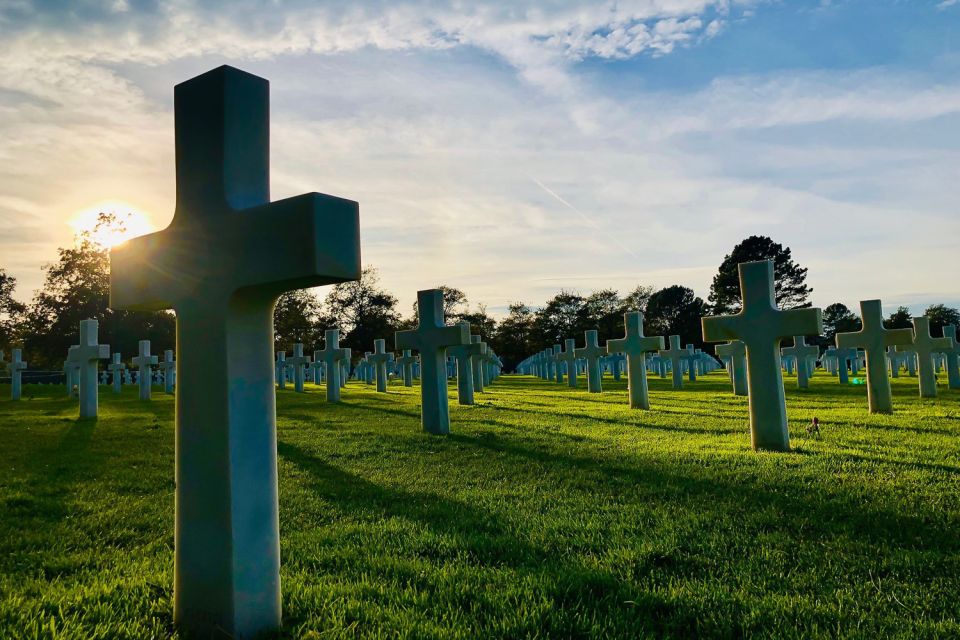
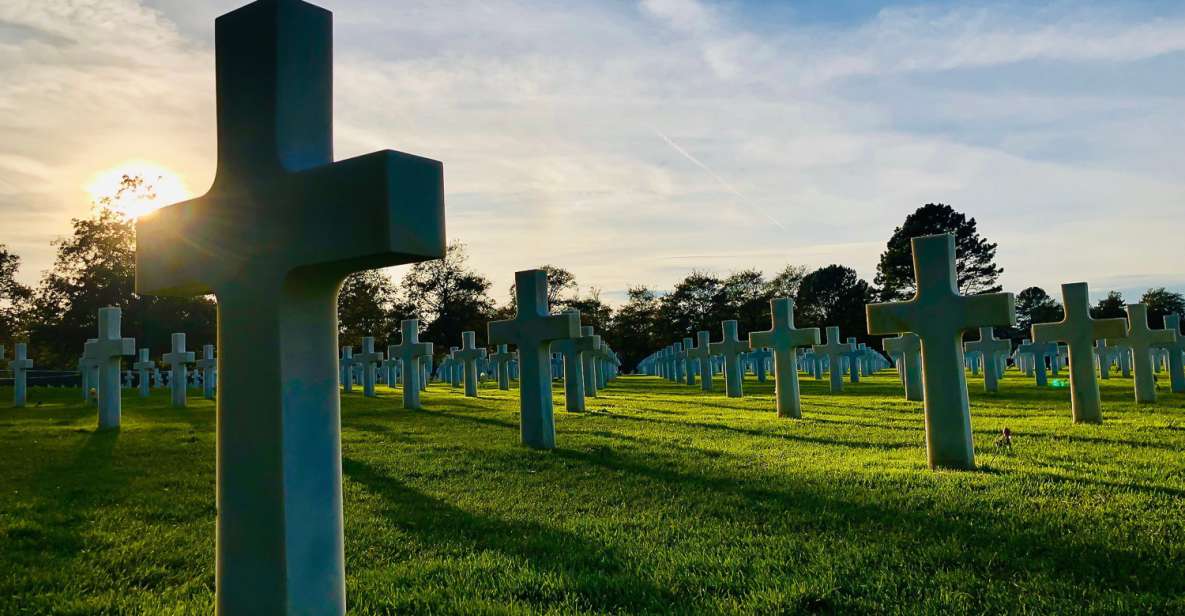
The Normandy American Cemetery in Colleville sur Mer is one of those places that changes your volume. You’re given about an hour, plus time to visit the visitor area if you want it.
The memorial details matter here. You’ll see that 9,386 soldiers are laid to rest, and the Visitor Center (opened in 2007) helps deepen your understanding of the D-Day landings and the Battle of Normandy. It’s a strong way to move from “I saw the sites” to “I understand the scale and outcomes.”
I especially like this stop because it slows the day down without killing momentum. Omaha is intense and exposed. Colleville is still and precise. Together they create balance: the battle’s chaos, then the lasting human cost.
Watch-outs: the experience depends on your guide’s pace and whether your group gets reasonable freedom to look around. One reason I value a small group is simple—you’re less likely to feel like cattle herded through the memorial.





Arromanches and the Mulberry Harbor: Engineering That Looks Like Magic
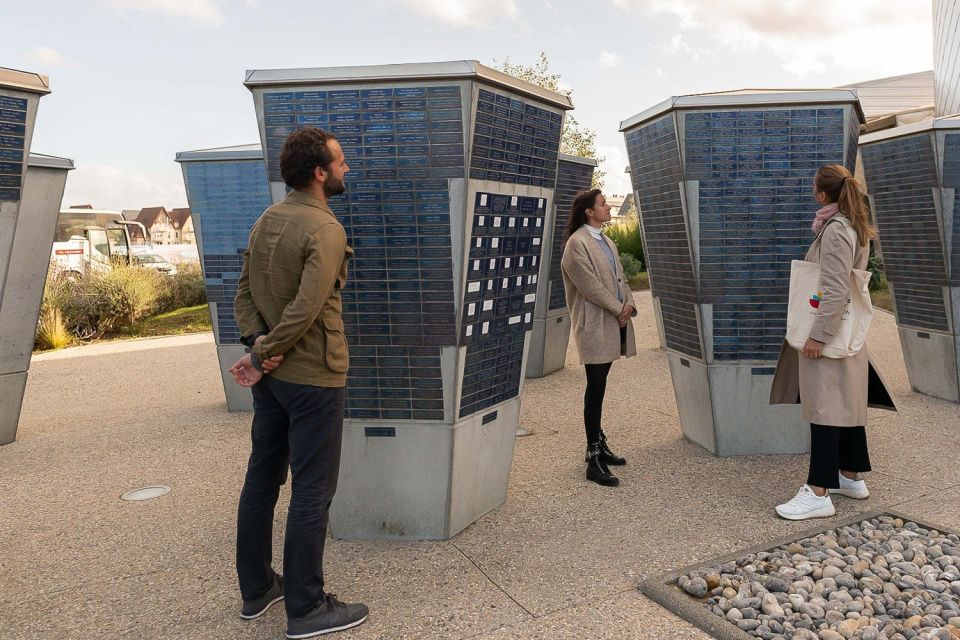
Next comes Arromanches-les-Bains, where you’ll visit the remains of the artificial harbor built by the Allies in less than 15 days. The day’s flow here is smart: you get the lunch stop and then time to see the harbor area.
What makes this stop memorable is that it’s not only about warfare. It’s about logistics—how the Allies fed troops and supplies once they were on the ground. Parts of the Mulberry Harbor are still visible offshore, so you can connect the story to what you can literally see.
This is also where you may catch the “wow” factor. The harbor’s existence makes you rethink the speed of the operation. It’s easy to focus only on the first day. Arromanches reminds you that the campaign had to keep going, day after day, with a functioning supply system.
Lunch at Arromanches: A Small Timing Trap
Lunch is a bit of a mixed bag depending on your tour version. The itinerary description includes an included lunch featuring regional Normandy specialties, but the general inclusions sometimes list lunch as not included. The safest move is to read your voucher carefully and plan as if lunch might not be guaranteed.
Either way, the reality is that your midday time window isn’t huge. You’ll want to decide fast: eat first, then explore the harbor area while the light and mood are right. If you’re the type who likes long meals, pack that patience.
In my view, it’s worth treating lunch as part of the day’s rhythm, not a separate destination.
Getting There Comfortably (And Why the Minibus Matters)
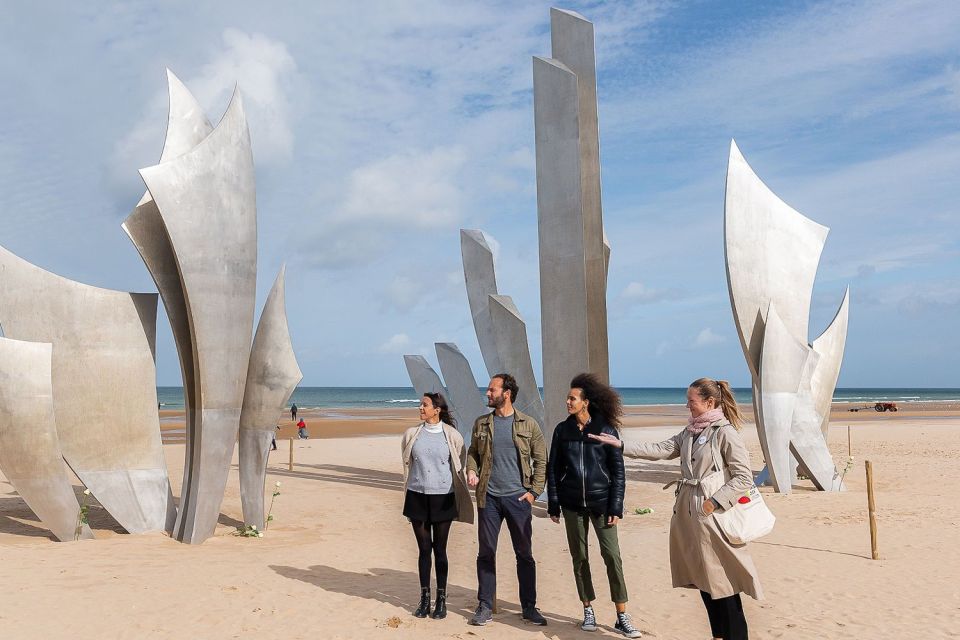
The transport is part of the value. You’re riding in an air-conditioned coach through northern France, which makes the long day more tolerable. The minibus format also supports the small-group vibe.
Two practical notes that can affect your day:
- Pickup times in Paris can shift with traffic. If your voucher gives an approximate pickup window, plan buffer time.
- There can be delays from road and toll booth timing. Even well-run tours can lose minutes here and there.
Comfort checklist:
- Wear comfortable shoes. You’ll be on uneven ground and you’ll want to move slowly.
- Bring sunglasses, especially near the coast where glare can be strong.
- Avoid large luggage. Pets and smoking aren’t allowed.
In short: this is a full day out of Paris, so treat it like one.
Guide Quality: The Big Variable That Changes Everything
Live guiding is the heart of this experience. The tour runs with Spanish and English live guides, and group size is capped at 15. That should help communication—but the guide’s clarity still matters.
One guide name stands out: Steve. In one case, when a bus issue popped up in the morning, an alternative solution was organized quickly and the day stayed smooth. Steve was also praised for humor and for explaining Normandy’s history in a way that stayed understandable. That’s exactly what you want on a WWII day trip: facts you can follow, and a pace that lets you absorb.
On the other hand, some people report that the guide was hard to understand or spoke too fast. When that happens, the tour can feel like you’re watching locations without fully landing the context. If you’re booking mainly for the story, you’ll want a guide who can slow down when needed—and keep the group together so everyone stays oriented.
My advice: bring headphones-friendly patience only if you’re used to translations; otherwise, consider choosing the tour slot that best fits your comfort level with live spoken explanation.
Price and Value: What $324 Really Buys
At $324 per person for a 12-hour day, you’re paying for more than transport. You’re paying for:
- Round-trip coach transport from the meeting point
- A live guided tour
- A structured route hitting multiple major sites without you needing to drive, park, or connect buses across Normandy
Is it cheap? No. But this kind of concentrated WWII route is also one where DIY can get messy. Driving yourself means reading complicated timing and dealing with multiple locations. This tour does the hard part—sequencing the day and moving you efficiently.
That said, the value depends on two things:
- The guide’s communication quality.
- Whether your day’s schedule gives you enough time at each stop, especially at the lunch and memorial parts.
If your expectation is to be led confidently and given real site time, it can feel worth the price. If you’re hoping for deep expert-level discussion at every point and the guide’s pace doesn’t land for you, you’ll feel the gap.
Should You Book This Normandy D-Day Minibus Tour?
I’d book this if you want a single, structured day that covers the key sites: Atlantic Wall at Longues-sur-Mer, Point du Hoc, Omaha Beach, the American Cemetery in Colleville, and the Mulberry Harbor in Arromanches. The small-group size and live guiding make it a solid way to get context without spending weeks arranging logistics.
I’d think twice if:
- You’re very sensitive to hard-to-follow spoken explanations.
- You need long, unhurried stops. This itinerary is time-managed, so you may not get hours at each location.
- Lunch expectations matter. Since lunch inclusion can vary by voucher version, confirm before you go so you’re not making choices on an empty stomach.
If you want a day that connects the landing sites to the defensive planning and the after-landing engineering, this is a strong plan. Just go in knowing it’s a packed timeline—and you’ll get more out of it if you travel with a calm pace, good shoes, and a willingness to look slowly when it matters most.
FAQ
How long is the Normandy Landing Beaches D-Day tour from Paris?
The tour lasts 12 hours.
What’s the group size limit?
It’s a small group limited to 15 participants.
What languages are the guides available in?
Live guides are available in Spanish and English.
Where do I meet the tour in Paris?
Meet your representative with your voucher in front of Hotel Pullman Tour Eiffel.
Is hotel pickup included?
Hotel pickup is optional from your hotel in Paris, but the tour also lists transport from the meeting point.
Which major sites will we visit?
You’ll visit Longues sur Mer (German battery), Point du Hoc, Omaha Beach, the Normandy American Cemetery in Colleville sur Mer, and Arromanches-les-Bains. Depending on the day, you may also stop near Gold Beach and Juno Beach.
Is lunch included?
Lunch is mentioned as part of the day’s plan with a stop in Arromanches, but the inclusions list may vary. Check your voucher to be sure.
What should I bring?
Bring comfortable shoes and sunglasses.
Are pets or large bags allowed?
No pets. Also, luggage or large bags are not allowed, and smoking isn’t permitted.