REVIEW · EPERNAY
Food & Champagne Experience from Epernay (Private tour)
Book on Viator →Operated by Aÿ-Champagne Experience · Bookable on Viator
Nine pours in one day sounds like a plan. This tour is built around Champagne tastings you can actually learn from, starting with an aroma workshop that trains your nose and ends with a Champagne knowledge certificate. I also like the way it goes beyond bottles, with ratafia and Champagne brandies like Fine de la Marne and Marc de Champagne paired with food.
The main thing to consider is that you’re out for roughly 7 to 8 hours, so even with great stops, you will spend time in the vehicle—especially if weather turns. That said, the day mixes vineyard viewpoints, cellar visits, and food that fits the Champagne theme instead of feeling like an afterthought.
Guides like Matisse/Mathis and Isabella are part of what make the experience click: they connect what you taste with what’s happening in the vineyards and the cellar. And the route keeps you in the heart of the Marne Valley and Côte des Blancs, with a short window in the famous UNESCO-listed hillsides area.
In This Review
- Key points at a glance
- Epernay pickup, the 9:30 start, and the ride you’ll live with
- Stop 1 at Mareuil-sur-Ay: the aroma workshop that makes tastings click
- Ay-Champagne tastings: ratafia, Fine de la Marne, Marc de Champagne, and Coteaux-Champenois
- Grand Cru Aÿ: walking the vineyard logic behind the glass
- Monthelon winemaker lunch: charcuterie, cheeses, ratafia desserts, and a special grape story
- Avize and the Marne Valley: UNESCO hillsides and the Côte des Blancs drive
- Oger cellar visit: press, winery, cellar, plus Biscuits roses from Fossier
- The Avenue de Champagne pass in Epernay: big houses, short time, good perspective
- Price and value: what you’re really paying for at $785.72 per person
- Who should book this Epernay Champagne experience
- Should you book this Epernay Champagne day?
- FAQ
- FAQ
- What time does the tour start?
- How long does the experience take?
- Is pickup included?
- Is this a private tour?
- What language is the tour offered in?
- Will I receive a mobile ticket?
- How many Champagne tastings are included?
- What non-Champagne drinks are tasted?
- What’s included in lunch?
- Does the tour include a visit in Oger?
- Is there free cancellation?
Key points at a glance

- Aroma workshop + tasting test that helps you spot differences between styles
- 9 Grand Cru/Premier Cru Champagne tastings, including Blanc de blancs, Blanc de noirs, and more
- Ratafia and Champagne brandies (Fine de la Marne and Marc de Champagne) from the Goyard Distillery
- Winemaker lunch with regional charcuterie/cheeses plus ratafia desserts like Biscuit Rose of Reims
- Côte des Blancs and Oger cellars focused on the Chardonnay side of Champagne
- Small-group feel thanks to a private booking and a vehicle chosen for your party size
Epernay pickup, the 9:30 start, and the ride you’ll live with

The day kicks off at 9:30am from the Epernay area, and it’s designed as a proper, all-in-one experience rather than a hop-on-hop-off format. You’ll get picked up if you’re within a 6 km radius around Epernay. If you’re farther out, you’ll need to arrange another option, because the pickup perimeter is strict.
Because this is private, your group stays together. That matters on a tasting day. It keeps the pacing human and lets your guide slow down when you ask questions about what you’re smelling in the glass.
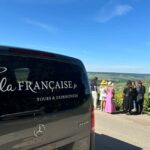
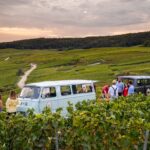
Transport is part of the experience setup, too. The operator chooses among an electric E-Mehari Jeep-style vehicle, a premium van, or a minivan depending on the group size and the conditions that day. One practical tip: if getting into slightly raised vehicles is hard for you, tell them in advance so you’re not wrestling the step all morning.
And bring layers. Even in Champagne, weather can swing. Expect that if it rains, you may see some vineyard moments from inside the vehicle—because the day still needs to keep moving.
You can also read our reviews of more food & drink experiences in Epernay
Stop 1 at Mareuil-sur-Ay: the aroma workshop that makes tastings click
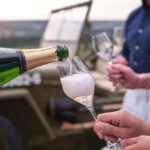
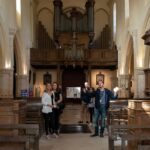
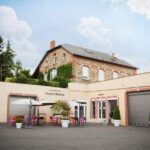
Your first tasting base is in the Mareuil-sur-Ay area, where the whole tone of the day gets set: learn, taste, compare. Instead of just pouring a lineup and hoping it sticks, you start with a playful aroma workshop focused on how Champagne smells. Then you do a taste and olfactory test, and if you pass, you receive a Champagne knowledge certificate.
That certificate detail is more than a gimmick. It signals that the host wants you to leave with actual tools for future tastings—not just happy memories and a few extra buzzwords.
After the workshop, you taste through 9 Grand Cru/Premier Cru Champagnes across multiple styles and methods, including:
- Blanc de blancs (often Chardonnay-driven styles)
- Blanc de noirs (often Pinot Noir-driven styles)
- Non-dosed natural Champagne (so it’s not driven by dosage)
- Extra brut, brut, and dry
- Rosé
- Expressions from very old vines, specific vintages, and single plots
- Styles aged in oak barrels
This is where the value starts to show. Most Champagne days focus on one house and one style. Here, the range is the point. You’re not just sampling; you’re practicing seeing how grape variety, vineyard level, and winemaking choices change the final glass.
A small drawback to keep in mind: a long tasting list can fatigue your palate. If you’re prone to tasting headaches, hydrate early and eat something light before the day starts, so your palate doesn’t feel “wiped” by mid-afternoon.
Ay-Champagne tastings: ratafia, Fine de la Marne, Marc de Champagne, and Coteaux-Champenois

In Ay-Champagne, the focus shifts from Champagne-only to Champagne culture—especially the lesser-exported drinks people don’t often hear about outside the region.
You’ll taste ratafias (more than one), plus Fine de la Marne and Marc de Champagne, produced by the Goyard Distillery. Here’s the quick context that helps you understand what you’re drinking:
- Ratafia is a sweet wine made from similar grape varieties used in Champagne.
- Fine de la Marne and Marc de Champagne are digestives, with the kind of smooth kick locals often serve after meals.
Your guide will comment on the tastings and match them with typical dishes. That pairing approach is key. Spirits and fortified flavors can feel random if they aren’t tied to food, but when the host links each pour to what the region eats, the whole table makes sense.
You’ll also meet Coteaux-Champenois, a wine with a Controlled Designation of Origin that can be red, white, or rosé. Then it’s paired with food options such as foie gras and snails (for the adventurous) or choices like sea bass rillettes with truffle, scallops, or white pudding.
If you’re picky, decide your comfort level with seafood and organ flavors before the day begins. The food choices sound varied, but they do follow the typical regional menu logic. You’ll enjoy it most if you treat it like a guided tasting menu rather than a buffet.
Grand Cru Aÿ: walking the vineyard logic behind the glass

Then you head into Aÿ-Champagne proper, where the route keeps you grounded in terroir. This is one of the stops that makes the Champagne science feel real, because you get to understand the work of the vine, the grape varieties, and how sustainable viticulture fits this Grand Cru landscape.
Historically, the village of Aÿ was a major center of Champagne production back in the 16th century. French kings had presses here, and Champagne from the area was once called the Wines of Aÿ. Today, the emphasis stays on Pinot Noir, and the vineyard is classified at the top level for the Champagne appellation.
Time-wise, this stop is shorter—about 45 minutes—but it’s built as a focused reset between tastings. If you’ve ever been disappointed by wine tours that feel like endless stops with no “why,” this is the part that gives you cause-and-effect.
If it’s rainy, you may spend more time looking than walking. Still, it’s worth bracing for. Seeing vines and their rows helps you recognize what you’re tasting later—especially if you’re comparing Chardonnay-driven and Pinot-driven styles across the day.
Monthelon winemaker lunch: charcuterie, cheeses, ratafia desserts, and a special grape story

Lunch is at a winemaker’s, and this is where the day stops being “only tasting” and starts being a meal you’ll actually remember.
You’ll taste the winemaker’s Grand Cru and Premier Cru Champagnes, plus different ratafias—including one made from a forgotten grape variety. That’s a notable detail because it explains why ratafia can feel wide-ranging. It’s not just sweet; it’s tied to what grapes are in play.
Then the plate comes: a mixed platter of regional charcuterie and cheeses featuring Jambon de Reims, cheeses like Chaource and Langres, and additional cured meats such as cured ham and duck rillettes with ratafia. There’s also duck breast and the region’s standard carry-along companion: traditional French baguette.
Dessert keeps the ratafia theme going. Expect a chocolate filled with ratafia, plus the local sweet favorite Biscuit Rose of Reims.
One practical note based on past guest comments: lunch portion size can feel tight if you expect a big restaurant spread. It’s still designed as a tasting-style plate, and it’s paired with your Champagne. If you have dietary restrictions—especially around cheese—tell your guide clearly at the start of the day. In at least some cases, the host has offered an alternative rather than forcing you to skip everything.
Also, if you’re sensitive to alcohol flavors, go slow with the spirits and pace your bites between pours. This kind of meal works best when you treat it like a menu course, not like a quick pit stop.

Avize and the Marne Valley: UNESCO hillsides and the Côte des Blancs drive

The Avize segment gives you context for why Champagne is so varied. In the morning, you’ll discover the Marne Valley and its historic hillsides, listed as a UNESCO World Heritage site and tied to where Champagne was born.
Then in the afternoon, you drive through the famous Côte des Blancs, often described as the Chardonnay power zone of Champagne, with villages such as Cramant and Avize. This portion is short—about 15 minutes—so think of it as a “see it with your eyes” moment rather than a deep stop.
This part is also useful because it sets up what comes next. When you later taste Chardonnay-leaning Champagnes in Oger, you’ll better understand why the region’s reputation is so strong. You’ll connect the road views to grape choice without needing a textbook.
Oger cellar visit: press, winery, cellar, plus Biscuits roses from Fossier

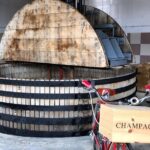
The final major winemaker stage takes place in Oger, a village known for its Chardonnay Grand Cru reputation. Here you’ll visit a family of independent producers and get the nuts-and-bolts of Champagne-making: a tour that includes the press, winery, and cellar.
This stop matters because earlier tastings can be impressive but still feel abstract. In the Oger cellar tour, you get to connect the flavors in the glass to steps in production.
At snack time, you’ll taste more Grand Cru Champagnes paired with Biscuits roses of Reims from the Biscuiterie Fossier, including the original recipe dating to 1756. You may see them in a couple of forms, including a crunchy macaroon-style version.
Then the day ends with a typical French surprise discovery. That’s intentionally vague, but it’s usually the kind of small local add-on that makes the day feel complete instead of ending on a hard logistical cutoff.
After that, you’ll return back to the meeting point.
The Avenue de Champagne pass in Epernay: big houses, short time, good perspective

There’s also a commented stop along the Avenue de Champagne in Epernay. This is a quick but memorable way to see the production scale behind the glamour: properties and buildings for major houses such as Moët & Chandon, Perrier-Jouët, and Pol Roger.
This isn’t meant to be a full house tour. Think of it as context. After tasting at smaller producers and learning about vines and terroir, seeing these bigger names helps you understand how varied Champagne can be—commercial scale and heritage branding alongside small, independent craft.
Price and value: what you’re really paying for at $785.72 per person
At $785.72 per person, this is not a casual add-on. It’s a premium full-day experience.
So is it worth it? The honest answer is: it depends on how you like to travel.
You’re paying for several things at once:
- multiple Grand Cru/Premier Cru tastings across different styles
- tastings that include Champagne spirits like ratafia, Fine de la Marne, and Marc de Champagne
- a winemaker lunch with local charcuterie/cheeses and regional desserts like Biscuit Rose of Reims
- cellar and production visits, plus vineyard context through the Aÿ and Oger areas
- a private format with pickup within the Epernay perimeter, and a vehicle chosen around your group size
If your ideal Champagne day is a few samples and a photo stop, you might feel the price is steep. If your ideal day is learning how Champagne changes from village to village—and you want the spirits and food pairings included—then the price starts to make more sense.
One more reality check: your enjoyment also depends on the day’s conditions. If it’s hot, packed vehicle seating can feel tight for longer stretches. If it rains, some vineyard views become “window time.” None of that ruins the tour, but it can change how comfortable you feel.
Who should book this Epernay Champagne experience
This tour is a strong fit if you:
- want more than one style of Champagne tasting, not just one house
- like food that follows what you’re drinking (charcuterie/cheese and regional sweets)
- are curious about ratafia and brandies, not only Champagne
- enjoy a guide who ties production steps to the flavors you’re tasting
It may be a weaker fit if you:
- want a long, seated restaurant lunch with lots of time to linger
- hate tasting-heavy days or get tired from alcohol-focused pacing
- have strict dietary needs and won’t communicate them early
Should you book this Epernay Champagne day?
If you’re aiming for a full, education-friendly Champagne day—plus spirits, vineyard context, and a lunch that feels tied to the region—this is a great choice to book early. This one tends to get planned well ahead, so locking in your date makes life easier.
If you’re uncertain, I’d recommend you plan your expectations: treat it like a guided tasting program with food pairings, not like a casual winery picnic. And when you book, mention any mobility needs (vehicle access) and any food restrictions early, so the day is smoother from the start.
FAQ
FAQ
What time does the tour start?
The tour starts at 9:30am.
How long does the experience take?
It runs for about 7 to 8 hours.
Is pickup included?
Pickup is offered, but it’s limited to a perimeter of 6 km around Epernay. If you’re outside that area, pickup may not be possible.
Is this a private tour?
Yes. It’s a private experience, meaning only your group participates.
What language is the tour offered in?
The tour is offered in English.
Will I receive a mobile ticket?
Yes, the tour includes a mobile ticket.
How many Champagne tastings are included?
You’ll taste 9 Grand Cru/Premier Cru Champagnes during the day.
What non-Champagne drinks are tasted?
You’ll taste ratafias, plus Fine de la Marne and Marc de Champagne from the Goyard Distillery.
What’s included in lunch?
Lunch includes tasting Grand Cru and Premier Cru Champagnes plus ratafias, along with a platter of regional charcuterie and cheeses, and desserts including Biscuit Rose of Reims and a chocolate filled with ratafia.
Does the tour include a visit in Oger?
Yes. You’ll visit independent producers in Oger and see the press, winery, and cellar, with snacks and additional tastings.
Is there free cancellation?
Yes. You can cancel for a full refund up to 24 hours before the experience start time.