REVIEW · EPERNAY
From Reims: Champagne and Family-Run Wineries Tour
Book on GetYourGuide →Operated by À la Française Champagne ! · Bookable on GetYourGuide
Champagne gets real when you meet the people who make it. This afternoon tour pairs Hautvillers history with tastings at two family-run Champagne producers, so you learn the craft and actually taste the differences. I like the small group size and the clear tasting plan, but the main thing to watch is the time in the minivan and the chill of the cellars.
You start in Reims at 2:00 pm at the tourist office by Gare Centre, then you work your way through the village of Hautvillers and Dom Pérignon’s church before heading to family wineries for structured tastings. By the end, you’ll have tried six Champagnes total, which is a smart way to build your palate without turning the day into a long blur. If your idea of Champagne is only the biggest brand names, you may feel this tour is more about growers and the method than about celebrity houses.
The vibe is classic Champagne region: countryside drives, underground cool, and lots of talking about how bubbles get made. Guides like Chloe, Anne, Etienne, Julie, and Jerome have been mentioned often in past departures, and the common thread is that the explanations stay practical—grapes to bottle, with time to ask questions. Come in with comfortable shoes, and plan to dress for cool indoor stops.
In This Review
- Key highlights at a glance
- Reims to Hautvillers: the afternoon route that makes sense
- Meeting point in Reims Gare Centre: fast and easy to find
- Hautvillers: where Champagne begins to feel personal
- Two family wineries: six tastings built for real comparison
- What the tasting education is really doing
- Cellars: cool air, careful steps, and a good reason to pack a layer
- Skip-the-line effect
- The UNESCO vineyard stop: what to notice from the views
- Group size and guide style: why small can feel better
- Price and value: what $147 actually covers
- Practical tips so your afternoon goes smoothly
- Who this Champagne tour fits best
- Should you book this Champagne tour?
- FAQ
- Where do I meet the tour in Reims?
- What time does the tour start and end?
- How long is the tour?
- How many Champagne tastings are included?
- Does the tour include Hautvillers and Dom Pérignon’s church?
- Is this tour suitable for children or wheelchair users?
- What should I bring for the visit?
- Is free cancellation available?
Key highlights at a glance
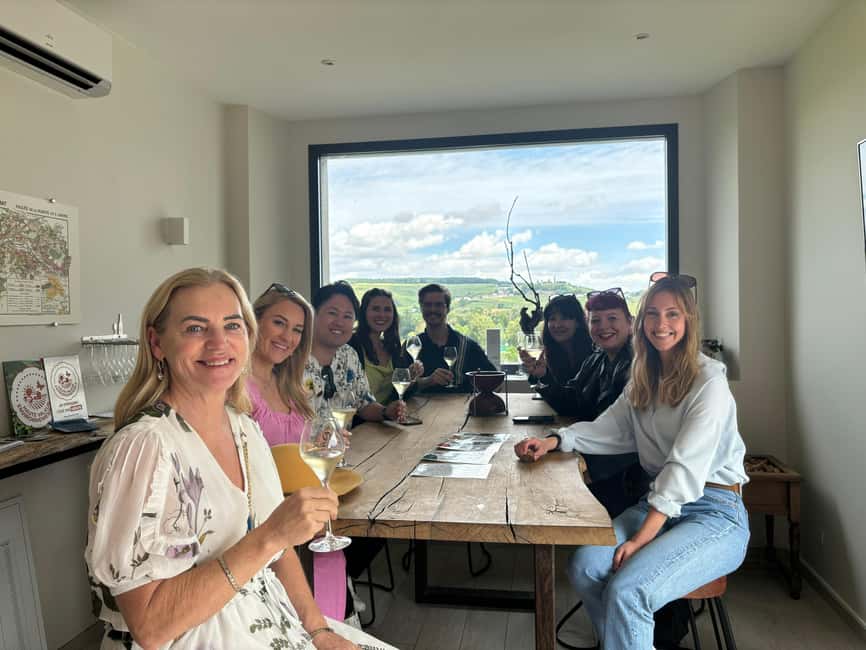
- 6 tastings across two family wineries (3 at each stop) gives you real comparison, not random sips
- Hautvillers + Dom Pérignon’s church connects the Champagne story to a specific place you can stand in
- UNESCO-designated vineyard views give you context for why this region grows grapes so well
- Small group limit of 8 keeps the day from feeling like a factory line
- Air-conditioned minivan makes the countryside drive easier, especially when weather turns
- Cellars average about 10°C so bring a layer even if it’s warm outside
Reims to Hautvillers: the afternoon route that makes sense
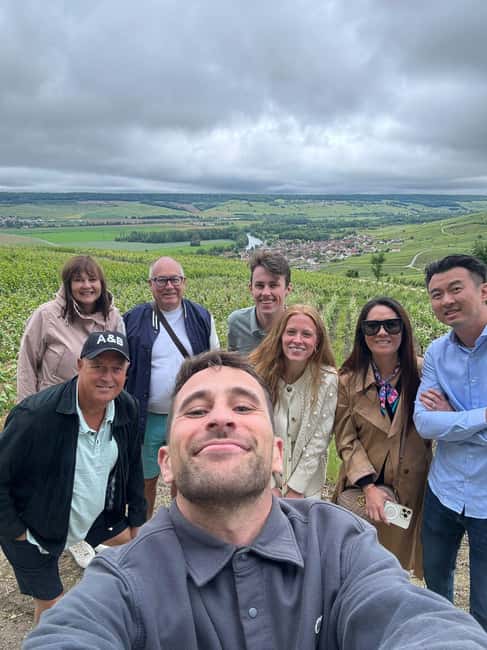
If you’re basing yourself in Reims, this is a very workable half-day plan. It starts at 2:00 pm right outside Reims Centre train station’s tourist information office (Cour de la Gare), and you’re back at the same point at about 6:30 pm. That timing matters because you avoid the “all day van ride” feeling and still get multiple Champagne stops.
You’re also not starting from scratch. The tour includes transportation by air-conditioned minivan and a local English-speaking guide, so you can relax into the day instead of coordinating buses or taxis between villages. I like this setup for people who want Champagne education without turning their trip into a logistics project.
One practical note: the route uses car time. It’s not a deal-breaker—this region is spread out—but if you’re sensitive to being in a vehicle for long stretches, give yourself that expectation upfront.
You can also read our reviews of more wine tours in Epernay

Meeting point in Reims Gare Centre: fast and easy to find
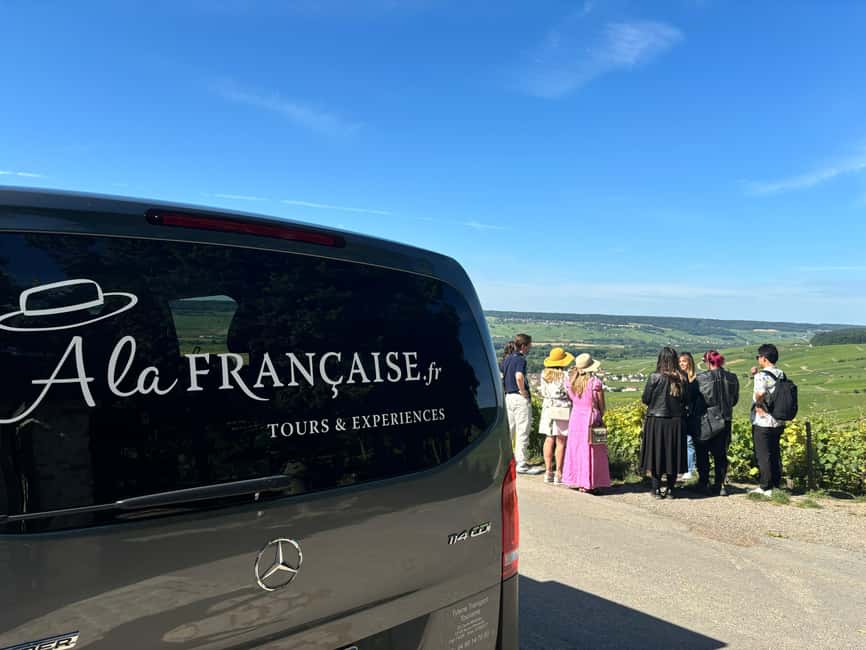
Reims can feel straightforward once you’re on the right street, and this tour’s meeting point is clear. You meet outside the city center train station, in front of the tourist office, using the exit labeled Reims Centre when you leave the station.
This is the kind of start that reduces stress. You’re not hunting for a van at some back alley. If you arrive a few minutes early, you’ll get your bearings fast and be ready when the group gathers.
Also, this tour includes Reims pick-up and drop-off, so you’re not piecing together extra transport to make it happen.
Hautvillers: where Champagne begins to feel personal
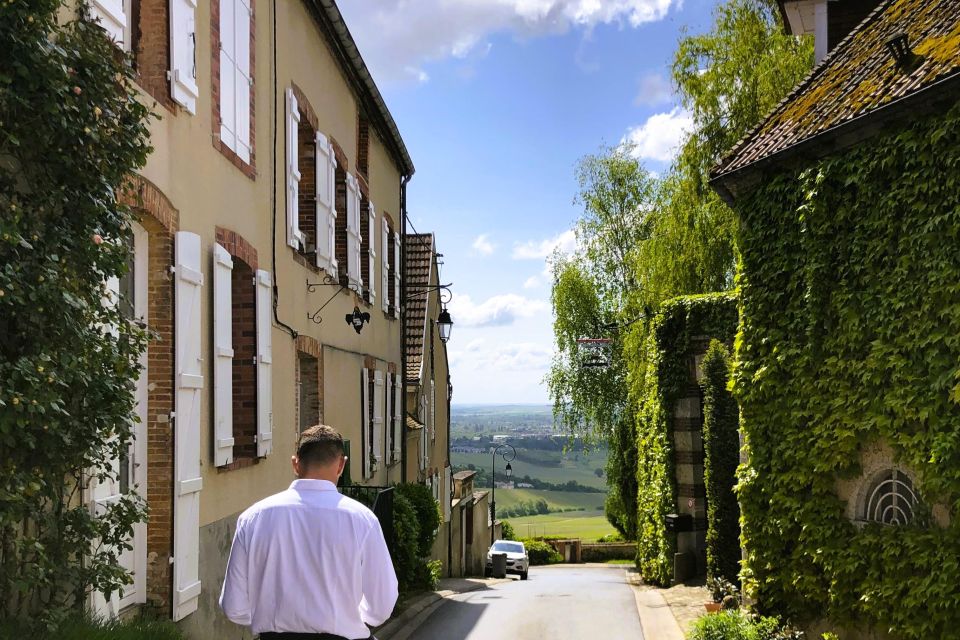
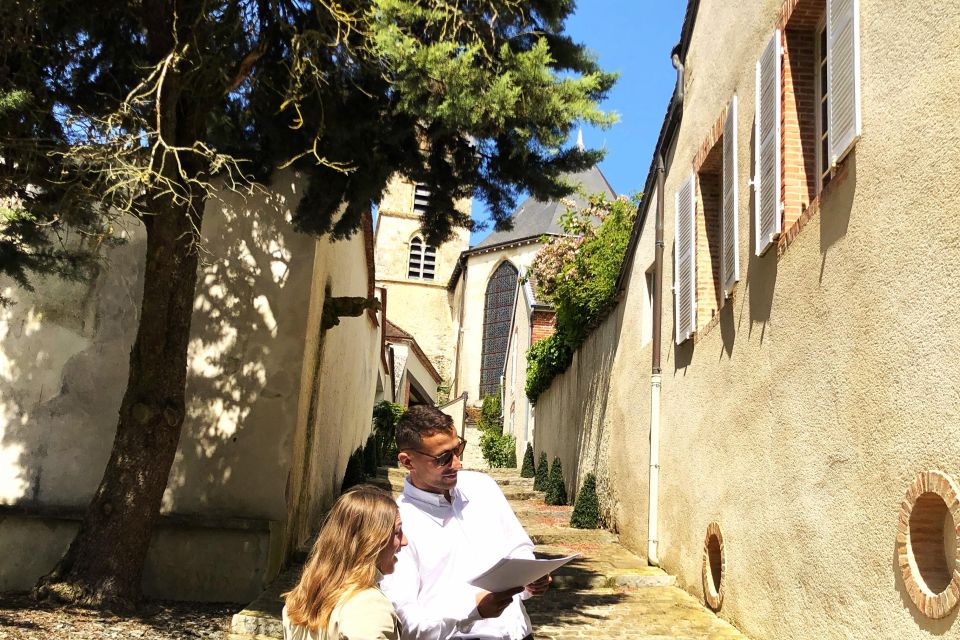
Hautvillers is not just another pretty village stop—it’s the birthplace of Champagne, and you can feel why people keep returning here. You’ll spend about 45 minutes walking and sightseeing, with time to take in the village atmosphere and the place names that show up in Champagne lore.
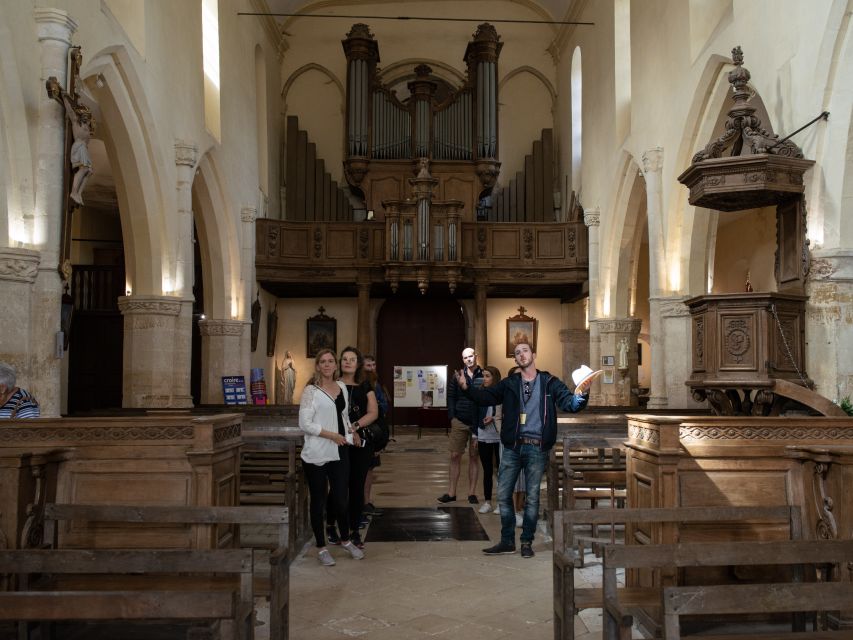
The highlight is the church where Dom Pérignon is buried. Even if you only know the name from bottles, standing in that setting gives the story a physical anchor. It turns Champagne from a product you buy into something tied to a specific person and a specific location.
Hautvillers also works well for different weather. If the skies are gray or it’s raining, you still get a cultural stop that’s mostly walkable and indoors-friendly. If it’s sunny, the village streets and surrounding areas are a pleasant way to reset before you head into the more technical parts of Champagne production.
Two family wineries: six tastings built for real comparison
This is the part most people remember. You visit two family-run Champagne producers, and at each one you get a tasting session: three different Champagnes per winery. In total, that’s six tastings, which is a strong amount for an afternoon tour.
Why that’s good for you: six tastings are enough to notice patterns. You can start connecting what the guide says—grape sourcing, pressing, and the steps that create bubbles—with what you actually feel in the glass: body, mousse, and how dry or rounded each wine comes across.
What the tasting education is really doing
You’re learning the traditional method of Champagne production, but it’s presented through tasting, not through a textbook. That’s what makes it practical. You’re not just hearing about how bubbles appear; you’re tasting multiple expressions close together, so the differences make more sense.
Many people also enjoy that these are smaller producers rather than the biggest houses. In a setting like this, you’re more likely to get direct explanations of how the winery runs and what matters to their style.

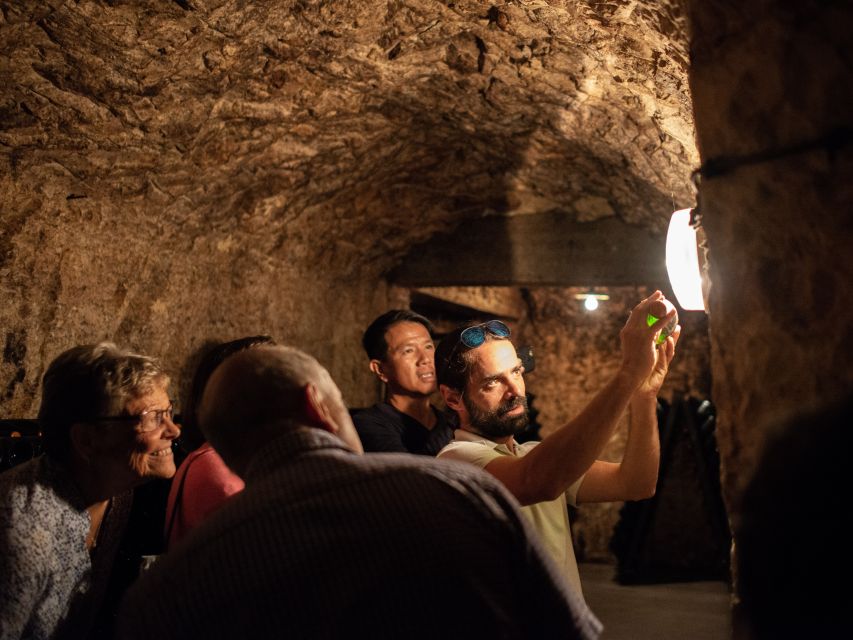
Cellars: cool air, careful steps, and a good reason to pack a layer
Champagne cellars average around 10°C. That’s chilly in a way that surprises people when they’re dressed for daylight outside. Bring a jacket. Even if you’re only inside for a short tasting, you’ll enjoy it more if you’re warm enough to focus.
Skip-the-line effect
The tour includes entrance fees for the winery visits and tastings, and it’s set up to help you avoid wasting time waiting around. In a region where lots of people want the same few time windows, this kind of scheduling helps your afternoon stay smooth.
The UNESCO vineyard stop: what to notice from the views
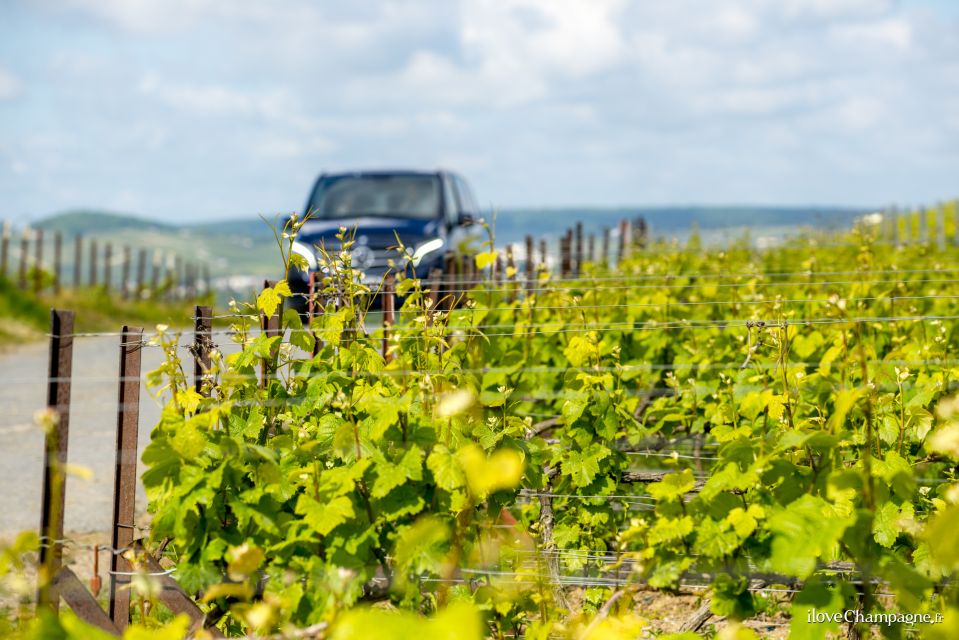
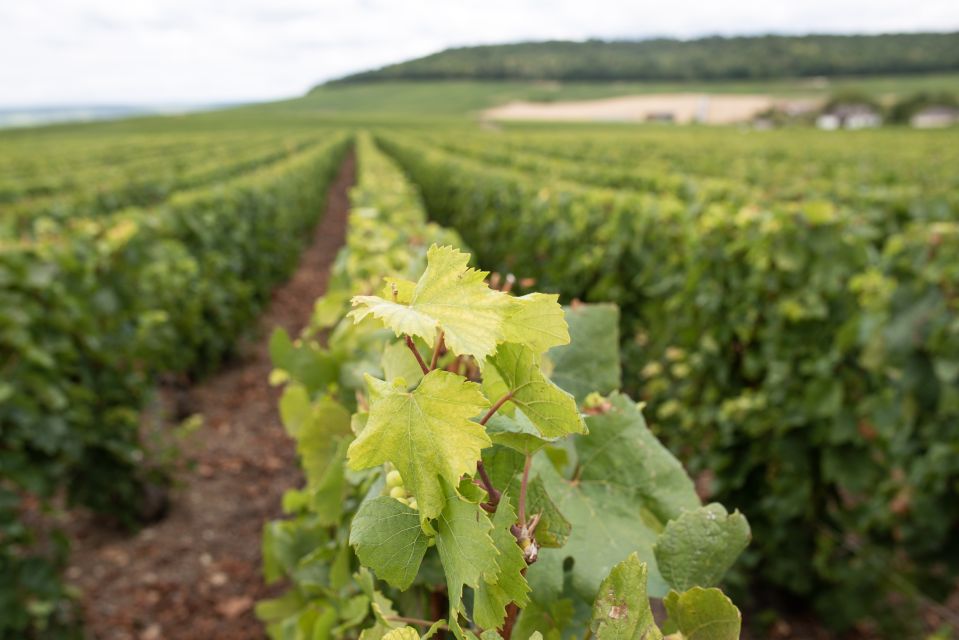
Between Hautvillers and the winery tastings, you’ll also stop at the UNESCO vineyards of Champagne. This is not just photo time. The views help you understand why the region’s grape growing matters so much to the final bottle.
When you look at the vineyards from the road, you can start thinking in terms of slope, exposure, and the way this area creates its signature style. You’re seeing the setting that supports the whole Champagne production chain.
On certain days, the area can have atmospheric effects—like misty conditions that change how the vineyard looks and feels as the light shifts. If you catch that kind of weather, it adds a memorable, slightly dramatic touch to an already scenic stop.
Group size and guide style: why small can feel better
The group is limited to 8 participants. That matters more than you might expect. With fewer people, you have more room to hear explanations clearly, and questions don’t get lost.
Guide personalities also come through. Past guides named in departures include Chloe, Anne, Etienne, Julie, Jerome, Martin, Thomas, and others. The pattern is that the tour leaders keep things energetic and clear—mixing history, production steps, and humor so you don’t feel stuck in a lecture.
If you’re the type who likes asking follow-up questions—about dryness, aging, the difference between styles, or how growers shape their output—this smaller format gives you a better chance of getting good answers.
Price and value: what $147 actually covers
At $147 per person, this is a paid experience, but the value is built into what’s included. You get:
- Local English-speaking guide
- Transportation in an air-conditioned minivan
- Entrance fees for winery visits and tastings at two family-run Champagne producers
- 6 tastings total
- Reims pick-up and drop-off
For many visitors, the “aha” is the tastings. Six guided tastings at two different producers, in a short window, is not just drinking—it’s structured learning. You’re paying for access, timing, and explanation, not only for the glasses.
Also, because there’s no hotel pickup required, you avoid the kind of add-ons that can quietly increase the total cost in other tours. You simply meet at the station and go.
Practical tips so your afternoon goes smoothly
A Champagne afternoon can feel easy, but tiny details can make it more comfortable.
- Wear comfortable shoes for village walking and winery pathways.
- Bring a jacket for the cellars (about 10°C).
- Plan to buy water if you want it, since only the tour tastings are included.
- If you don’t drink much alcohol, tell the guide early. With six tastings, pacing helps.
You should also know this tour is not set up for everyone. It’s not suitable for children under 12, and wheelchair users are not included in the tour’s accessibility setup.
Who this Champagne tour fits best
This tour is a great match if you want:
- Champagne learning without spending the entire day on the road
- Hands-on tasting at small, family-run producers
- A mix of place (Hautvillers and Dom Pérignon’s church) and process (traditional Champagne production)
- A guided plan that keeps the tasting portion organized and fun
If what you want is a very brand-name “greatest hits” tour of the largest houses only, you might feel slightly less satisfied here. This trip leans toward growers and the method, not big-name showrooms.
Should you book this Champagne tour?
I think you should book if you like the idea of building a better sense of Champagne in a single afternoon—six tastings, two producers, and a guided story that includes where Champagne’s early roots took hold in Hautvillers. The small group limit, the structured format, and the mix of historical and production stops add up to a day that feels intentional instead of random.
If you’re booking for someone who gets car-sick, dislikes walking, or expects a mostly big-house experience, it’s worth weighing those points first. Also, dress for the cellars; you’ll enjoy the tastings more when you’re not fighting the cold.
If you’re in Reims and want a smart, friendly way to experience Champagne country, this tour is one of the more practical ways to do it—without wasting your limited time in the region.
FAQ
Where do I meet the tour in Reims?
Meet outside Reims city center train station (Gare Centre), in front of the tourist information office at Cour de la Gare, 51100 Reims. Use the exit labeled Reims Centre when you leave the station.
What time does the tour start and end?
The tour starts at 2:00 pm and concludes at 6:30 pm, returning to the starting point.
How long is the tour?
The duration is 270 minutes.
How many Champagne tastings are included?
You’ll have 6 tastings total: three at the first family-run winery and three at the second.
Does the tour include Hautvillers and Dom Pérignon’s church?
Yes. You’ll visit Hautvillers and then see the church where Dom Pérignon is buried.
Is this tour suitable for children or wheelchair users?
No. Children under 12 are not suitable, and the tour is not suitable for wheelchair users.
What should I bring for the visit?
Bring comfortable shoes. Also bring a jacket because cellars average around 10°C.
Is free cancellation available?
Yes. You can cancel up to 24 hours in advance for a full refund.