REVIEW · EPERNAY
From Reims/Epernay: The Connoisseurs Private Tour 9 tastings
Book on GetYourGuide →Operated by Ay Champagne Experience · Bookable on GetYourGuide
You can learn Champagne fast when it’s paired with real vineyards. This private tour around Epernay ties together the key terroirs, grower-producer visits, and a serious tasting lineup—so the places you see actually explain what’s in your glass. You’ll also get a guided pass through Epernay’s big-name corridor before winding down in Hautvillers, the cradle of Champagne.
I especially like the mix of independent producers plus the way your guide connects Champagne choices to specific styles. I also like that the tastings are not just “more bubbles,” but a focused set that includes natural Champagne without dosage and other high-precision categories like extra brut, aged expressions, and older-vine bottlings.
One possible drawback: it’s designed for people who can handle a tour that’s active and involves getting in and out of a vehicle (including slightly raised electric E-Mehari options), and it isn’t suitable for wheelchair users.
In This Review
- Key highlights to look forward to
- Champagne lessons you can actually taste: what the 9-tasting private format delivers
- Reims or Épernay pickup, timing, and the reality of no big luggage
- Hautvillers Abbey: Dom Pérignon context plus that wide Marne Valley view
- Côte des Blancs via Cramant and Oger: Chardonnay’s home turf explained in plain terms
- The tasting program: Grand Cru/Premier Cru styles, no-dosage Champagne, and older-vine expressions
- Cellars, presses, and the quiet skill of making Champagne
- Spirits tasting: Ratafia, Fine de la Marne, and Marc de Champagne at Goyard
- Epernay’s Avenue de Champagne and the pass-by moments that frame the big houses
- Price and value: why $320 can make sense for the time and tasting depth
- Who should book, and who should skip this private connoisseurs tour
- Should you book this Champagne tour or choose something else?
- FAQ
- How long is the tour?
- How many Champagne tastings are included?
- What other tastings are included besides Champagne?
- Do I get pickup and drop-off?
- What languages is the guide available in?
- Is the tour private?
- Where do you visit on the itinerary?
- Is the tour outdoors?
- Is luggage allowed?
- Is this tour suitable for wheelchair users?
- What if I need to change my plans?
Key highlights to look forward to

- 9 tastings built around Grand Cru/Premier Cru labels from the Côte des Blancs and nearby Marne Valley
- Visits to 2 independent producers/growers, including winery/cellar explanations of the Champagne-making process
- A dedicated Hautvillers stop at the abbey church connected to Dom Pérignon, plus panoramic viewpoints
- A tasting section that goes beyond Champagne: Ratafia, Fine de la Marne, and Marc de Champagne from the Goyard distillery
- A guided scenic pass through Epernay’s Avenue de Champagne with its famous mansions and production sites
Champagne lessons you can actually taste: what the 9-tasting private format delivers

This tour is built for people who want more than a “quick hit” of Champagne. The format makes sense: you’ll move through the most important Champagne-world zones around Epernay, and your guide helps you connect the dots between vineyard, method, and flavor.
You’ll spend about 210 to 270 minutes touring by car and on foot. That’s long enough for real conversations in the tasting rooms and cellars, but not so long that you feel like you’re stuck in a bus all day. The big win here is clarity. You’re not just collecting bottles. You’re learning how producers make choices, then tasting the results.
The tour is also private group style, which usually means you get a more personal pace. In the experience I’m basing this on, guides named Victoria and Isabelle come up in the feedback, and both are described as warm, knowledgeable, and fun—exactly the tone you want when you’re trying to understand a complex product without getting lectured.
If you’re the type who likes to ask questions, this format tends to reward you. You can steer conversations toward what you care about: dosage versus no dosage, oak influence, vintage versus non-vintage, or why certain villages on the Côte des Blancs show Chardonnay so differently.
You can also read our reviews of more private tours in Epernay


Reims or Épernay pickup, timing, and the reality of no big luggage

You have two pickup options: Reims or Épernay. In Reims, the meeting point is set up around easy, central locations like in front of the Reims Tourist Office, the city center, or at the Reims TGV station (Champagne Ardenne Bezannes). In Épernay, drop-off is also handled there.
That matters because Champagne tours often waste time with awkward “where should we meet?” moments. Here, the plan is straightforward, and it helps keep your tasting schedule intact.
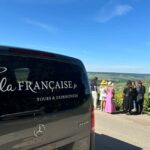
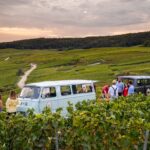
Vehicle choice can vary based on group size and season, including an electric E-Mehari Jeep style crossover plus premium vans/minivans. One practical tip: if you have any trouble with getting into slightly raised vehicles, you’re meant to flag that in advance so the operator can pick a better fit.
Two other realities to note:
- Rain or shine: this is not a “wait for perfect weather” plan.
- No luggage or large bags: plan to travel light. A small day bag is the safer idea.
Hautvillers Abbey: Dom Pérignon context plus that wide Marne Valley view

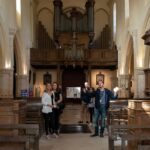
The tour starts with Abbaye Saint-Pierre d’Hautvillers (about 30 minutes). This stop isn’t just a photo moment. It’s where the guide frames Champagne’s origin story in a way that makes the later tastings easier to understand.
You’ll get a guided visit of the church area where the grave of Dom Pérignon is located. That name gets tossed around in Champagne marketing, but the setting grounds it. It also helps explain why Hautvillers still feels like a spiritual anchor point for the region.
Then you’ll add a scenic component. There’s a vineyard photo stop and a viewpoint in the hills above the Marne Valley—an area recognized as a UNESCO World Heritage Site for its historic hillside vineyards. The tour is timed so you can actually take in the view, not just glance at it through the window.
From a practical perspective, this is also where the day gives you a mental reset. After cellars and tasting room talk, stepping outside into the landscape (literally the hills and lines of vines) helps your brain re-map what you’re learning.
Côte des Blancs via Cramant and Oger: Chardonnay’s home turf explained in plain terms

After Hautvillers, the itinerary points you into the heart of the Champagne map: the Côte des Blancs and nearby Marne Valley sites.
You’ll visit Cramant for about 75 minutes, with a guided visit plus Champagne tasting. Cramant is one of those villages where you can feel the Chardonnay focus in the bottle. If you want to understand why people call the Côte des Blancs the kingdom of Chardonnay Grand Cru, this kind of stop is where the lesson becomes obvious.
Next is Oger for another 75 minutes. Oger also includes a guided visit and tasting, but with an extra twist: the tour includes spirits during the stop. That matters because it widens your understanding of “Champagne culture” beyond just the sparkling wine you think of first.
Here’s the value: the guide doesn’t treat these villages as names. They’re treated as places with different growing realities. That’s what turns your tasting list into something you can actually remember.
The tasting program: Grand Cru/Premier Cru styles, no-dosage Champagne, and older-vine expressions

The tour’s tasting lineup is one of the big reasons it earns a high rating. You taste 6 different Champagnes labeled as Grand Cru/Premier Cru, and the selection is designed to show variety within the same general region.
The styles called out include:
- Natural Champagne without dosage
- Extra brut
- Old vines
- Vintage selections
- Champagnes aged in oak barrels
- Plus other Grand Cru/Premier Cru expressions tied to what you’re learning on the ground
This is where the tour earns its “connoisseurs” label. Many Champagne tastings focus on quantity and brand variety. This one focuses on how style choices change the wine. No dosage is a clear example: it pushes the flavor profile toward rawness and precision instead of the smoothing effect that dosage can bring.
It also helps that the tastings happen inside the context of producer visits. You’re not tasting in a vacuum. You tour presses, wineries, and cellars during the producer stops, so the tasting makes sense even if you’re not a technical wine person.
One more detail that’s worth your attention: the goal is to help you become “expert-level” in a practical way—so you can look at a bottle and explain what choices likely drove what you’re tasting.

Cellars, presses, and the quiet skill of making Champagne

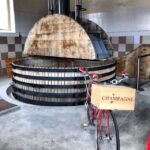
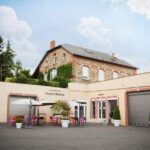
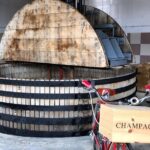
Two separate producer/grower stops are included, and both come with explanations of the Champagne-making process. You’ll see parts of the workflow like presses, wineries, and cellars.
This is the difference between a sightseeing tour and a wine-learning tour. When you understand what pressing and cellar work do to flavor, the tasting stops become easier.
In the feedback for this experience, one person mentions seeing a disgorgement process from a producer during the visit. That’s not something you can demand on any given day, but it’s a great example of how “behind the bottle” moments can happen when the schedule lines up.
Even when you don’t get that exact moment, you should come away knowing what’s different about producing sparkling wine versus flat wine: the patience, the method, and how producers manage time and texture.
Spirits tasting: Ratafia, Fine de la Marne, and Marc de Champagne at Goyard

Most Champagne tours stop at Champagne. This one doesn’t. You’ll also taste three essential Champagne alcohols and aperitifs from the Goyard distillery, described as the oldest in Champagne:
- Ratafia
- Fine de la Marne
- Marc de Champagne
This part is a nice reality check. It shows you that the region’s alcohol tradition isn’t limited to the famous sparkling bottle. If you’re curious about how grapes and winemaking byproducts can turn into different drinking styles, this tasting gives you a broader cultural view.
And because it’s included in the day’s flow (not tacked on randomly), it feels like part of the story rather than a side quest.
Epernay’s Avenue de Champagne and the pass-by moments that frame the big houses

You also get a scenic passage through Avenue de Champagne in Épernay (about 10 minutes). This is a “look and learn” stop.
The guide points out the famous mansions and production buildings of Champagne houses like:
- Moët & Chandon
- Perrier Jouët
- Pol Roger
You’ll also pass in front of Château de Saran, a prestigious LVMH property connected with major brands in the Champagne world. The itinerary also notes the production site of Moët & Chandon.
Now, here’s how to think about this section. It’s not a tour of those houses. It’s a guided context moment. You see what wealth and scale look like in the Champagne capital, then you go back to the smaller independent producer visits. That contrast helps your brain understand the region’s range, from small grower artistry to large-house logistics.
If your main goal is to stay away from the big-name glitter, this pass-by format is still manageable because you’re not locked into a huge-house showroom.
Price and value: why $320 can make sense for the time and tasting depth

At $320 per person, you’re paying for a few things at once:
- Private guiding and chauffeuring (not a bus group)
- Multiple producer visits (2 independent stops)
- A structured tasting program with 6 Grand Cru/Premier Cru Champagnes
- Plus additional tastings: the three regional spirits from Goyard
- The time-intensive driving route from the Epernay/Reims area to multiple villages
A common problem with Champagne tours in this price range is that you end up paying for “transport + names,” not for learning. This one is set up to prioritize learning and tasting variety inside the region. You’re not just paying to get from A to B. You’re paying for explanations, cellar access, and a tasting list designed to show style differences.
If you’re a first-timer, this is a great value because it reduces guesswork. You’ll learn what you like and why, which can save you from buying bottles blindly later.
If you’re already deep into Champagne, it’s still worth it because the selection includes higher-precision categories like natural/no-dosage and extra brut, plus oak aging and old-vine types.
Who should book, and who should skip this private connoisseurs tour
This tour is a strong fit if you:
- Want a serious tasting day, not just a drink-and-snap photo stop
- Like the idea of learning Champagne through real villages and producer visits
- Prefer independent growers over only big-brand showrooms
You might want to skip it if:
- You use a wheelchair, because it’s not suitable for wheelchair users
- You’re traveling with large bags or luggage, since luggage or large bags aren’t allowed
Mobility matters too. The vehicles can include slightly raised electric E-Meharis, so if you anticipate trouble getting in and out, communicate that early.
Should you book this Champagne tour or choose something else?
Book it if you want a day that teaches you Champagne with structure: Hautvillers for context, Côte des Blancs villages for Chardonnay clarity, and producer tastings that show real style differences. The combination of Grand Cru/Premier Cru tastings plus the Goyard spirits tasting makes the day feel more like education than tourism.
Choose another option if your top priority is only big-house brand experiences, or if you need wheelchair-friendly transport. In that case, this is simply not the right format.
FAQ
How long is the tour?
The tour lasts about 210 to 270 minutes, depending on starting times and the flow of the day.
How many Champagne tastings are included?
You’ll taste 6 different Champagnes (Grand Cru/Premier Cru) during the producer visits.
What other tastings are included besides Champagne?
You also taste three Champagne alcohols/aperitifs: Ratafia, Fine de la Marne, and Marc de Champagne from the Goyard distillery.
Do I get pickup and drop-off?
Yes. Pickup and drop-off are included, with options in Reims or Épernay.
What languages is the guide available in?
The tour guide offers live commentary in English and French.
Is the tour private?
Yes, it’s a private group experience.
Where do you visit on the itinerary?
You’ll visit Abbaye Saint-Pierre d’Hautvillers, then pass through/visit villages including Cramant and Oger, and you’ll also include a scenic passage through Avenue de Champagne in Épernay.
Is the tour outdoors?
Part of the day includes scenic stops and views, and the tour runs rain or shine.
Is luggage allowed?
No. Luggage or large bags are not allowed.
Is this tour suitable for wheelchair users?
No, it’s not suitable for wheelchair users.
What if I need to change my plans?
There’s free cancellation up to 24 hours in advance for a full refund, and you can reserve now & pay later.