REVIEW · PARIS
Normandy Day Trip from Paris, D-Day Sites with Lunch & Cider
Book on Viator →Operated by Paris Fun Tours · Bookable on Viator
D-Day sites hit different when you see them in one packed day. This trip strings together the key Normandy landing landmarks with an English-speaking guide, plus Utah Beach Museum and a cider-farm tasting that gives your brain a small breather between solemn stops. I love how the pacing gives you real time at the beaches and memorials, not just photo-snapping. I also like the added flavor of Normandy—simple, local food and cider made from apples grown nearby. The one real drawback is the long day and shared-vehicle ride: it’s not great if you have limited walking ability or get carsick.
You’ll start early from central Paris (6:30 am) and return to the same meeting point after 12 to 14 hours. The group stays small (max 18), and the van is air-conditioned, which matters when you’re dealing with a full schedule and all-day touring.
If you want a stress-free way to cover the major D-Day stops from Paris, this works well. If you want a leisurely, sit-down museum day with lots of extras, you may find the time tight—especially around museums and the American cemetery moment.
In This Review
- Key points to know before you go
- Price and logistics: what you’re really paying for
- Getting from Paris to Normandy: early start, shared-van reality
- Sainte-Marie-du-Mont: starting with the liberation story
- Utah Beach Museum and the shoreline: context before the sand
- Lunch in a Norman restaurant: fuel for the emotional stops
- Pointe du Hoc: scale, wreckage, and what still shows
- Cidrerie Lebrec: the Normandy apple break you didn’t know you needed
- American Military Cemetery at Colleville-sur-Mer: reflection with a view
- Omaha Beach memorial: brief stop, lasting effect
- Who this Normandy day trip fits best
- A note on the guide and group size: why it matters here
- Should you book this D-Day day trip?
- FAQ
- What is the duration of the Normandy day trip from Paris?
- Where do I meet the tour in Paris?
- Is lunch included, and what does it cover?
- Which museum or attractions require tickets?
- Is the tour guided in English?
- Does the cider tasting include alcohol?
- Is hotel pickup included?
Key points to know before you go

- Small group (max 18) keeps the day manageable and helps your guide work the schedule.
- Utah Beach Museum included means you start with context before you step onto the sand.
- Norman lunch is included (15 EUR/person), with drinks and dessert typically extra.
- Cidrerie Lebrec tasting gives you a hands-on taste of Normandy hard cider (alcohol included).
- American cemetery timing can be special if your schedule lines up with the bugle call and flag-lowering.
Price and logistics: what you’re really paying for
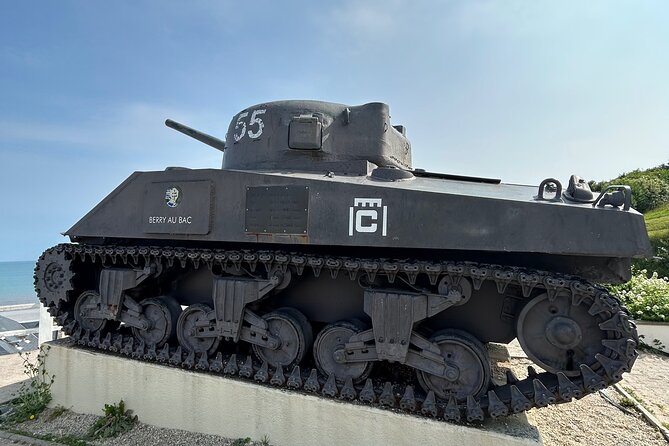
At $318.59 per person for a 12 to 14-hour day, you’re paying mainly for three things: transportation from Paris, an English-speaking guide to connect the sites, and entry coverage where it matters. The tour includes round-trip Paris–Normandy transportation with air-conditioning, plus entry to the Utah Beach Museum, the Norman lunch (15 EUR/person, drinks/dessert not included), and the cider tasting (with apple juice as well).
Where the value is strongest: you’re not trying to coordinate buses, rental cars, and multiple tickets on your own. Where it can feel less like a bargain: Normandy stops are time-sensitive, so the day is efficient rather than flexible. You’re also not getting hotel pickup, so you’ll want to plan how you reach the 6:30 am meeting point.
A few more Paris tours and experiences worth a look


Getting from Paris to Normandy: early start, shared-van reality
This is a true early-morning departure. Meeting happens at CAFE DE LA MARINE par Monument Café near Trocadéro, and you leave at 6:30 am. That early start is not a marketing trick—it’s how you fit the major WWII sites into one day and still get some breathing room at lunch and the cider stop.
On the road, you’ll be in a group vehicle for a long stretch. The good news is air-conditioning and a stop at some point during the drive. The practical consideration is comfort and space: if you’re sensitive to cramped seating, or if you have motion sickness, you should think hard before booking. This tour is not recommended for car sickness, and long sitting time can be a factor for anyone who struggles with walking later.
Sainte-Marie-du-Mont: starting with the liberation story
Your first stop is Sainte-Marie-du-Mont, a town that was among the second in France to be liberated on June 6, 1944. The focus here is small but meaningful: you visit the church linked to the liberation celebration. It’s a reminder that D-Day wasn’t just beaches and battles—it was towns, decisions, and a slow return to everyday life.
This stop is short (about 15 minutes) and admission is free. That quick timing can be a good thing if you’re determined to cover the biggest sites, but it does mean you won’t have time to linger or explore the town deeply. If you love slowing down and wandering, you may want to add a separate Normandy day later.
Utah Beach Museum and the shoreline: context before the sand

At the Utah Beach Museum, you get 1 hour 30 minutes with admission included. This is where the tour starts building a sense of what happened before you walk along the coast. You’re not just seeing the geography—you’re understanding the mission logic, the stakes, and why this specific landing mattered.
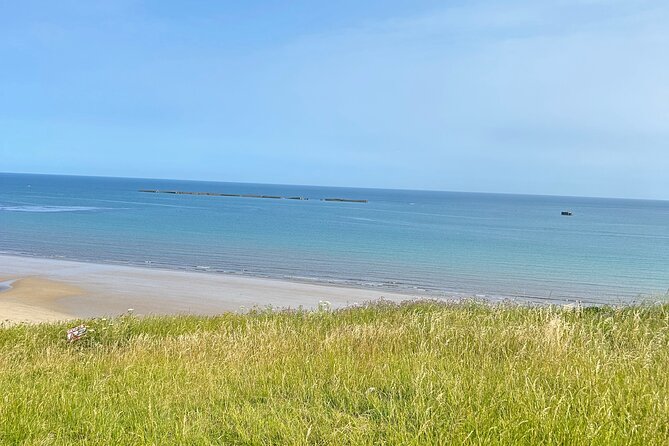
Then comes the beach itself: time on Utah Beach with a memorial-focused approach. It’s one of those experiences where standing in the right place makes the story feel less abstract. The museum-first order helps; you’re more likely to connect the dots when you’re looking at the terrain immediately afterward.
The practical point: if you’re the type who could spend hours in WWII museums, you’ll still feel the schedule moving. This stop is generous enough to be worthwhile, but it’s not an open-ended museum day.
Lunch in a Norman restaurant: fuel for the emotional stops
Lunch is set for about 1 hour at a local Norman restaurant, included at 15 EUR per person. Drinks and dessert are not included, so expect to pay extra if you add extras. Still, I like that you’re not eating a rushed snack and calling it a day. A real sit-down meal helps when the next stops are heavy.
One smart planning move: eat at a normal pace. Don’t try to cram in dessert if you have limited stamina. You’ll be grateful for the energy later at the beaches and cemeteries.
A few more Paris tours and experiences worth a look




Pointe du Hoc: scale, wreckage, and what still shows
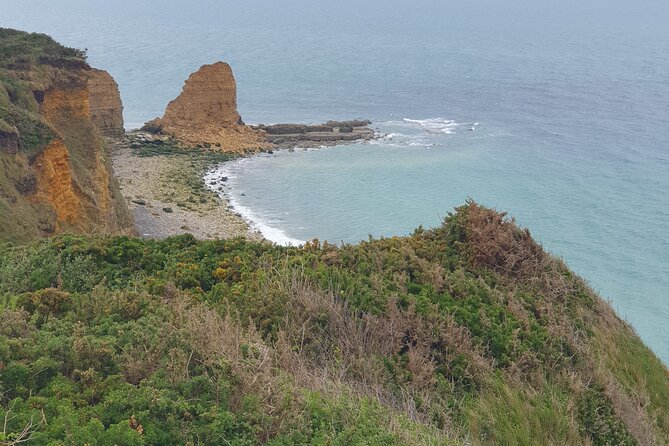
Pointe du Hoc is one of the most striking stops on this kind of route. Here you see the remnants of the cliffs and bunkers—physical evidence of the fighting and the kind of daring it took to scale and attack under chaotic conditions.
Your time is about 45 minutes, and admission is free. The benefit is you get a concentrated view without burning the whole day. The downside is you’ll want to pay close attention right away: this is not a place where you can afford to wander aimlessly because the stories depend on what you’re looking at.
Cidrerie Lebrec: the Normandy apple break you didn’t know you needed
Then you get a palate reset at Cidrerie Lebrec. Plan for about 30 minutes for tasting. This is a farm setting where you sample multiple ciders made from locally grown apples, plus apple juice. Cider contains alcohol, so pace yourself—especially because you still have several memorial stops after.
I really like this part of the day because it’s not entertainment. It’s a slice of Normandy life that reminds you this region was more than battle maps. It also works as a mental transition: you can feel the day shifting from battlefield geography to local culture.
If you’re trying to protect your energy, treat the tasting as a highlight, not a shopping event. Keep it simple, enjoy the flavors, and save your appetite for the heavier moments later.
American Military Cemetery at Colleville-sur-Mer: reflection with a view
The American Cemetery at Colleville-sur-Mer takes about 1 hour 15 minutes, with admission free. You’ll pay respects in a setting designed for quiet reflection, and you’ll also get a view over Omaha Beach from above.
This is one of those stops where the schedule matters. If timing lines up, the experience can include ceremonial moments like the bugle call (Taps) and flags being lowered—so it’s worth arriving ready to pause and listen when it happens.
There’s also a thoughtful note in the tour details: if you’re a veteran or a family member of someone who served in Normandy, or you’re looking for a specific soldier, the operator says it will help you find the grave, and the soldier can receive a special ceremony through the American Battle Monuments Commission. If that’s you, tell them ahead of time so they can plan accordingly.
Omaha Beach memorial: brief stop, lasting effect
After the cemetery, you head to Omaha Beach for a shorter visit (about 15 minutes), focusing on the Omaha Beach Memorial. Even though the time here is brief, the location does a lot of work emotionally. You’re not just looking at a monument—you’re facing the coastline where the Allied forces landed, and that context lands fast.
This is also where you may feel the trade-off of a day trip. If Omaha is the big one for you, you’ll want to come ready to absorb quickly. It’s not the kind of stop where you’ll have time for side quests or extended wandering.
Who this Normandy day trip fits best
This tour is a good match if you:
- Want a guided D-Day overview from Paris without planning logistics.
- Prefer a structured route that covers the major sites in one go.
- Enjoy a mix of memorial stops plus a small taste of Normandy food culture (lunch and cider).
- Travel in an English-friendly way and like having the guide explain what you’re seeing.
It may not be the best fit if you:
- Struggle with walking or standing for extended periods.
- Get motion sick in cars or buses.
- Need long, slow time in museums or want to linger at cemeteries without a schedule.
A note on the guide and group size: why it matters here
With a small group (up to 18), your guide can keep the day moving while still answering questions. Names you might hear associated with this tour include Angeline and Anjile/Anjali, and the consistent theme is caring, serious presentation of events. That kind of guide style matters on D-Day sites—you want someone who can connect facts to what you’re seeing.
Also, the van ride creates an easy rhythm for the day: you’ll likely get some discussion in transit, then brief tours at each stop, then time to stand, look, and take it in.
Should you book this D-Day day trip?
If you want a practical way to see the most important D-Day locations from Paris, this is a solid choice. The best reasons to book are the inclusion of Utah Beach Museum, the thoughtful mix of memorials plus Norman lunch and cider, and the small-group structure that keeps your day from feeling chaotic.
Before you book, be honest about the format: it’s long, it’s tight, and it’s designed for coverage rather than slow wandering. If that sounds like your style, you’ll likely leave with a clearer sense of what happened on June 6, 1944—and why it still matters.
FAQ
What is the duration of the Normandy day trip from Paris?
It runs about 12 to 14 hours.
Where do I meet the tour in Paris?
The meeting point is CAFE DE LA MARINE par Monument Café, 17 Pl. du Trocadéro et du 11 Novembre, 75116 Paris.
Is lunch included, and what does it cover?
Yes. Lunch at a local Norman restaurant is included up to 15 EUR per person, and drinks and desserts are excluded.
Which museum or attractions require tickets?
Utah Beach Museum entry is included. The other listed stops include free admission where noted.
Is the tour guided in English?
Yes. The tour includes an English-speaking guide.
Does the cider tasting include alcohol?
Yes. The cider tasting at Cidrerie Lebrec includes cider with alcohol, plus apple juice.
Is hotel pickup included?
No. Hotel pick-up and drop-off are not included, so you’ll need to get yourself to the meeting point.