REVIEW · PARIS
Croissant Baking Class, Mastering the Art with a Pastry Chef
Book on Viator →Operated by Studio Pâtisserie · Bookable on Viator
Croissant perfection is a real skill. This 3-hour class in Paris stays small, with up to 8 people and plenty of one-on-one help from a pastry chef, so you can actually learn the folding and rolling that makes croissants shatter and stay tender. The only real catch is the physical part: you’ll need some strength to knead dough.
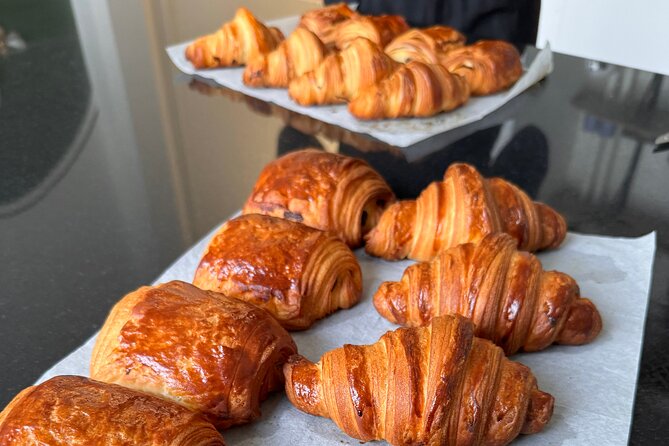
What makes it work is the pace and the teaching style. The class is laid back but specific, with step-by-step guidance you can follow even if croissants feel intimidating. You’ll also get a social baking vibe, and you’ll finish with fresh pastries you made, including pain au chocolat.
In This Review
- Key things I’d focus on before you book
- Why this croissant class beats the usual Paris food stop
- Studio Pâtisserie on Rue de Rome: location and first impressions
- The 3-hour schedule: learning the dough without losing the plot
- Lamination and rolling: the skill behind flaky layers
- Shaping croissants and pain au chocolat: rectangles to crescents
- The oven moment and what you take home
- Price and value: is $143.92 worth it?
- Who should do this class, and who might want a backup plan
- Tips to get better results on day one
- Should you book this croissant class in Paris?
- FAQ
- How long is the croissant baking class?
- What’s the group size limit?
- Is the class taught in English?
- Where does the class start?
- Will I get pastries to take home?
- Is there an age requirement?
- Do I need to be able to knead dough?
- Is free cancellation available?
Key things I’d focus on before you book
- Small group (max 8) means you’re not just watching, you’re working.
- One-on-one attention helps when dough feels too soft, too stiff, or just plain stubborn.
- French lamination practice teaches the method behind flaky layers, not just the end shape.
- Shaping dough into croissants and pain au chocolat gives you a full skill set for breakfast baking at home.
- Take-home results: you leave with baked pastries you made in class.
Why this croissant class beats the usual Paris food stop
If you care about how things are made, this class is more satisfying than buying a croissant and moving on. A bakery can show you the finished product. This experience teaches the process that gets you there: quality ingredients, precise handling, and the exact folding/rolling rhythm that creates those classic layers.
The small size matters more than it sounds. With a group capped at eight, you get enough turns at the workbench to build muscle memory, not just listen. That’s the difference between learning croissants as a concept and learning croissants as a repeatable routine.
You’ll also notice the teaching tone. Instructors are described as fun, patient, and supportive, and that matters in baking, where confidence affects outcomes. If you’re worried about messing up sticky dough or butter that won’t behave, this style helps you stay calm and keep moving.
You can also read our reviews of more cooking classes in Paris

Studio Pâtisserie on Rue de Rome: location and first impressions
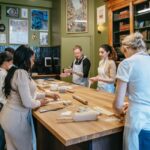
The class meets at Studio Pâtisserie, 85 Rue de Rome, 75017 Paris. It’s a straightforward start point, and it’s noted as being near public transportation, which keeps your arrival stress low. You’ll also get a mobile ticket, and confirmation comes at booking.
Paris classes can be hit-or-miss on comfort. Here, the format is a working studio: you’ll be rolling, cutting, and handling dough for the full session. So your best move is to treat the first few minutes like you’re entering a kitchen workflow, not just a sightseeing activity. Show up ready to work with your hands.
The 3-hour schedule: learning the dough without losing the plot
This experience runs about three hours, and the pacing is built around what croissants actually require: mixing, layering, resting/proofing, and then shaping. Even if you’ve never made laminated dough before, the class is designed to make each stage feel achievable.
Here’s how the session typically unfolds:
1) Intro to French pastry basics
You start with a friendly explanation of what makes croissants different from other pastries. You learn why ingredients matter and why measurements and temperature control affect texture. The chef also sets expectations for what you’ll do next, so you’re not guessing at the “why.”
2) Hands-on dough work
Then you jump in. You’ll work with the dough directly and practice how to handle it properly. This is where the class earns its keep: you’re not just watching lamination theory. You’re learning how dough feels as it changes, and what you should do when it’s not quite right.
A useful detail is that you may work with dough made by a previous day’s class to help ensure proper proofing. That means your results are more likely to be on track within the session, instead of depending on a perfect home-style timeline.
Lamination and rolling: the skill behind flaky layers
Lamination is the star of any croissant lesson, and this class teaches it in a practical way: folding and rolling the dough so butter forms distinct layers inside. That butter-layer-and-rest cycle is what creates the flaky structure you want, so the instruction focuses on technique, not just shape.
What you should pay attention to:
- How you roll so the dough stays aligned (not stretched unevenly).
- How you fold without compressing the layers.
- How you balance patience with speed so the butter doesn’t melt into the dough.
This is also where small-group teaching helps. When something feels off, you can get feedback right away. The end goal is confident repetition. If you walk out understanding how the layers form, you’ll have a roadmap for making croissants at home instead of copying a vague recipe.
Shaping croissants and pain au chocolat: rectangles to crescents
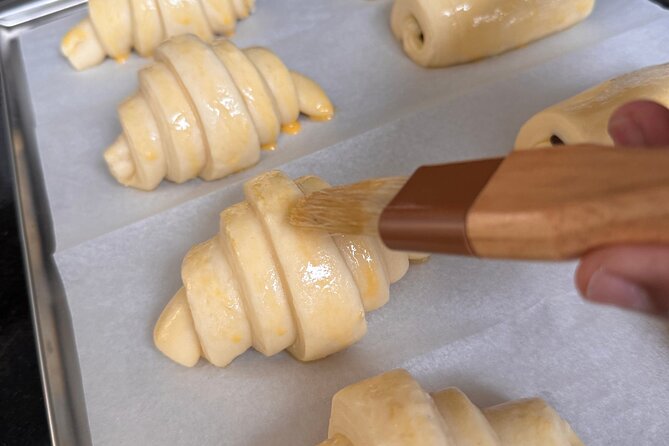
Once the dough is laminated, it’s shaping time. You’ll learn how to form the iconic crescents and also make pain au chocolat, which is a great add-on because it uses the same core laminated dough approach with a different filling and cut pattern.
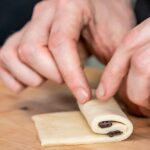
One of the most practical things to know: croissant shaping often involves rolling out and working with rectangles, then cutting and forming triangles before rolling into the final shape. If you like details (and you’re planning to bake again later), this class is the type that makes you want to write everything down.
A helpful tip if you’re used to US measurements: you may want to get comfortable switching between metric and imperial for weight, length, and volume. The class emphasizes precision, and laminated dough doesn’t forgive big measurement drift.
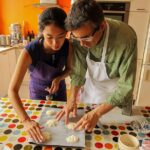
And yes, you’ll be hands-on. There’s a consistent theme in the experience: everyone gets dough to roll out and shape, so you don’t end up as the person photographing while someone else does the work.
A few more Paris tours and experiences worth a look




The oven moment and what you take home
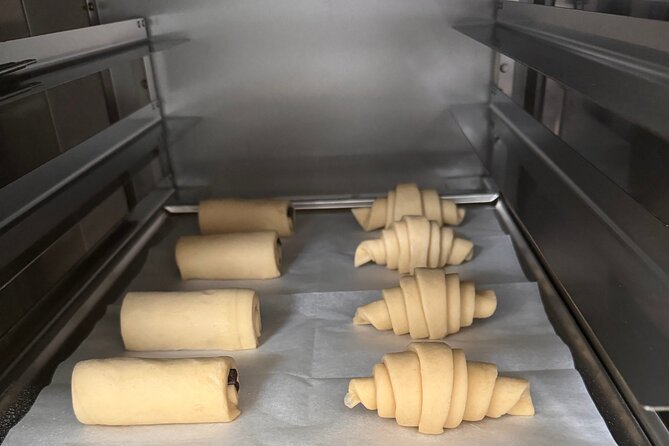
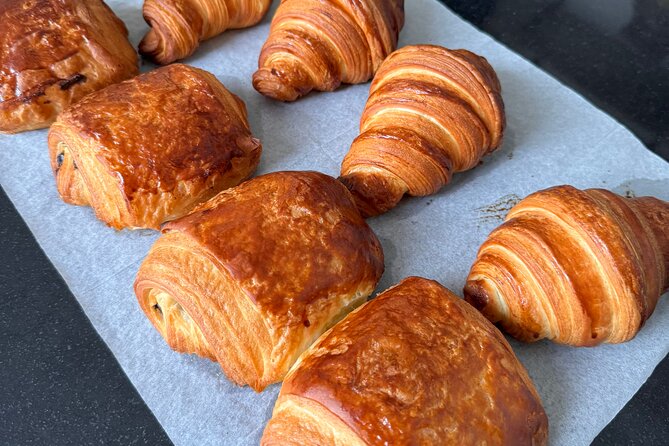
After shaping, the session shifts from hands-on dough work to baking and waiting for the payoff. You’ll see the dough transform into something golden, with a flaky interior that you can actually feel when you eat.
Then comes the best part for many people: taking the results home. You leave with baked pastries you made, including croissants and pain au chocolat. One example outcome shared is that participants leave with four croissants and four pain au chocolat each. Even if your exact count varies by batch logistics, the clear promise is that you don’t leave empty-handed.
This is good value in a practical way. You’re not paying just for instruction time. You’re taking home something you can reheat, share, or use as a real “I did this” souvenir.
Price and value: is $143.92 worth it?
At $143.92 per person for about three hours, this isn’t the cheapest thing to do in Paris. The value comes from three areas:
Small-group instruction you can’t fake
Max 8 people means more time at the work surface and more direct help. Baking classes that feel like lectures cost less because they give you fewer chances to practice.
You learn a technique, not just a snack
Croissant lamination is hard to pick up from a recipe alone. If you leave understanding how butter layers create flake, you’ve gained a skill that can improve every future bake.
You take home real results
Leaving with a full set of pastries is a tangible payoff. In a city where food costs add up fast, that matters.
One more practical point: it’s booked about 47 days in advance on average, which signals demand. If your dates are firm, I’d book sooner rather than later to avoid settling for a less convenient time.
Who should do this class, and who might want a backup plan
This class fits best if you enjoy learning by doing and you want a hands-on challenge with a clear method. It’s also a good option for couples or small groups because it creates conversation and teamwork while you bake.
It’s suitable for:
- Beginners who want a step-by-step process with direct guidance.
- People who like structured instruction and clear technique.
- Anyone who wants to bring a bit of French pastry craft home.
Consider a different plan if:
- You’re not up for physical kneading. The class notes that strength is needed to knead dough.
- You’re younger than 17. The class requires age 17 and above.
- You want a pure sightseeing itinerary with lots of walking and views. This is a studio-based workshop.
Language is listed as English, and that’s important in a technique-heavy class. You’ll likely feel more confident when instructions are clear and you can ask questions without a language barrier.
Tips to get better results on day one
You don’t need fancy baking gear for this kind of class, but you do need the right mindset. Here’s what helps based on what the class format emphasizes:
- Treat the session like practice time. Croissants reward repetition, and the chef will guide you through each step.
- Be ready to handle dough and feel what it’s doing. The more you pay attention to consistency, the easier it becomes to correct course.
- If you plan to bake at home, plan to write down dimensions and numbers. Croissant classes often use specific rolling and cutting proportions, and having them later makes a big difference.
- If metric is new to you, check a conversion tool before you start. Precision is part of the method.
Finally, go in hungry for learning, not just eating. The pastries taste incredible, but the real satisfaction is knowing why they turn out that way.
Should you book this croissant class in Paris?
Book it if you want an experience that teaches real pastry technique with small-group access, and you’d like to go home with pastries you made yourself. The best sign here is the combination of one-on-one attention and a structured, hands-on approach. If croissants are on your Paris checklist and you also like learning how food works, this is a strong match.
Skip it only if you know you dislike kneading or hands-on dough work, or if you need an itinerary packed with sights instead of studio time. Also note the 17+ requirement, which affects who can attend.
If your goal is to leave Paris with both a memory and a method you can repeat at home, this class is the kind of practical souvenir that actually pays you back later.
FAQ
How long is the croissant baking class?
It runs for about 3 hours.
What’s the group size limit?
The class has a maximum of 8 travelers.
Is the class taught in English?
Yes, it’s offered in English.
Where does the class start?
It starts at Studio Pâtisserie, 85 Rue de Rome, 75017 Paris, France.
Will I get pastries to take home?
Yes. You make croissants and pain au chocolat during the class and leave with baked results.
Is there an age requirement?
Yes. Participants need to be 17 years of age and above.
Do I need to be able to knead dough?
The class notes that strength is needed to knead the dough.
Is free cancellation available?
Yes. You can cancel up to 24 hours in advance for a full refund.