REVIEW · PARIS
Cooking Class with a Parisian Chef
Book on GetYourGuide →Operated by Meeting the French · Bookable on GetYourGuide
Three dishes, one Parisian kitchen, zero stress. This hands-on class is a fun way to learn how French cooks build flavor from fresh produce, with a chef who keeps things friendly and practical. You get a morning window, a real kitchen setup, and the best part: you taste what you make.
I especially like the way the chef guides you step-by-step, even if you don’t cook much at home. Chefs I’ve seen in this experience—like Myriam and Marthe—bring that warm Parisian energy, stay patient when someone spills flour, and still find time to pass along tips you can use the next day. One thing to consider: this is not the right fit for every traveler, since it’s not suitable for children under 6 or for wheelchair users.
In This Review
- Key Takeaways Before You Book
- Inside a Parisian Kitchen Class (Not a Demo, a Real Cooking Session)
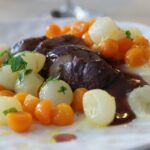
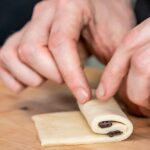
- Your Three-Course Menu: What You’ll Learn to Make
- Starter: Mediterranean Zucchini
- Main Course: Marinated Chicken
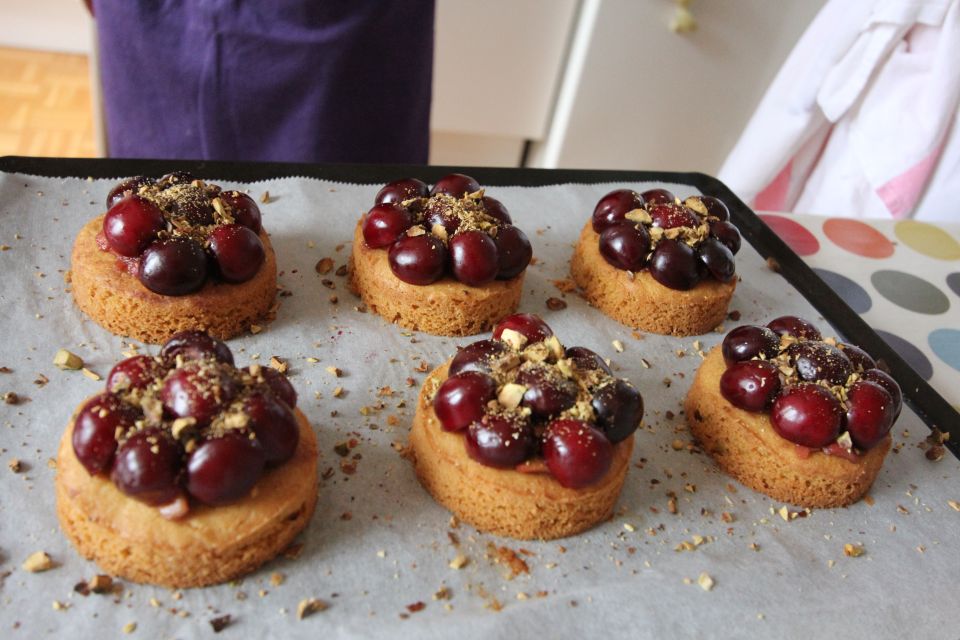
- Dessert: Grape Pickers Cake
- What the Chef Teaches You (And Why It Matters at Home)
- Flavor tips that translate beyond the recipe
- Knife and prep skills you can use tomorrow
- Confidence for beginners
- The Tasting Moment: Lunch as Part of the Deal
- Price and Value: Is $212 Worth It?
- Timing, Meeting Point, and Language Support
- Group Size and the Personal Pace You’ll Want
- Who This Cooking Class Suits Best
- Should You Book This Parisian Chef Cooking Class?
- FAQ
- How long is the cooking class?
- What time does the class run?
- What dishes will we cook?
- What languages are offered?
- What’s included in the price?
- Is it a private class or a group class?
- Where do we meet?
- Is there free cancellation?
- Is it suitable for children and wheelchair users?
Key Takeaways Before You Book
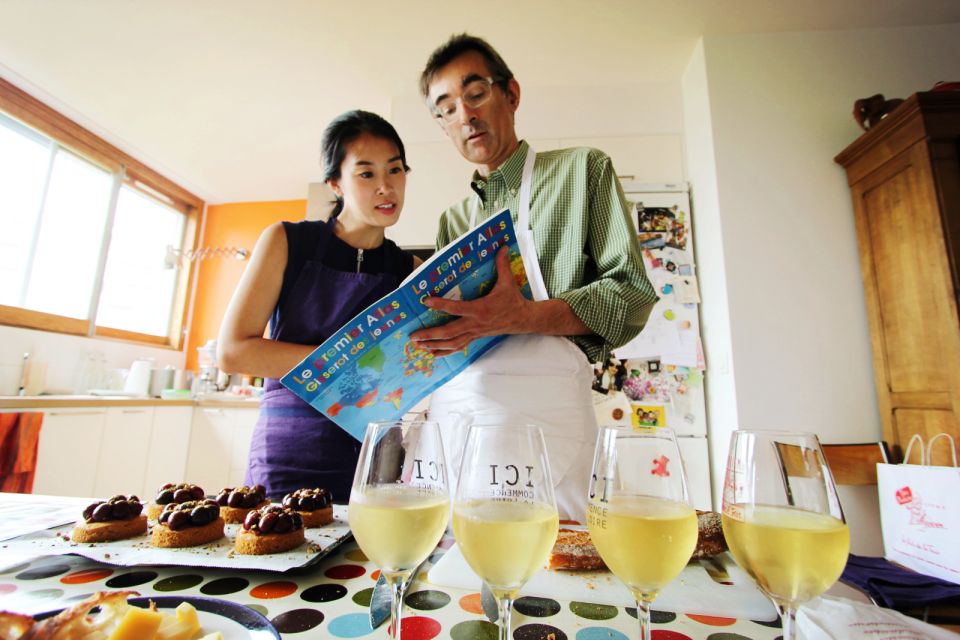
- A true hands-on, chef-led kitchen session with support for different skill levels
- Three-course menu learning: Mediterranean zucchini starter, marinated chicken main, grape pickers cake dessert
- You eat your work as part of the experience, not just a quick taste
- Recipe support after class via an email copy you can revisit at home
- Small-group or private options for a more personal pace and more Q&A
Inside a Parisian Kitchen Class (Not a Demo, a Real Cooking Session)
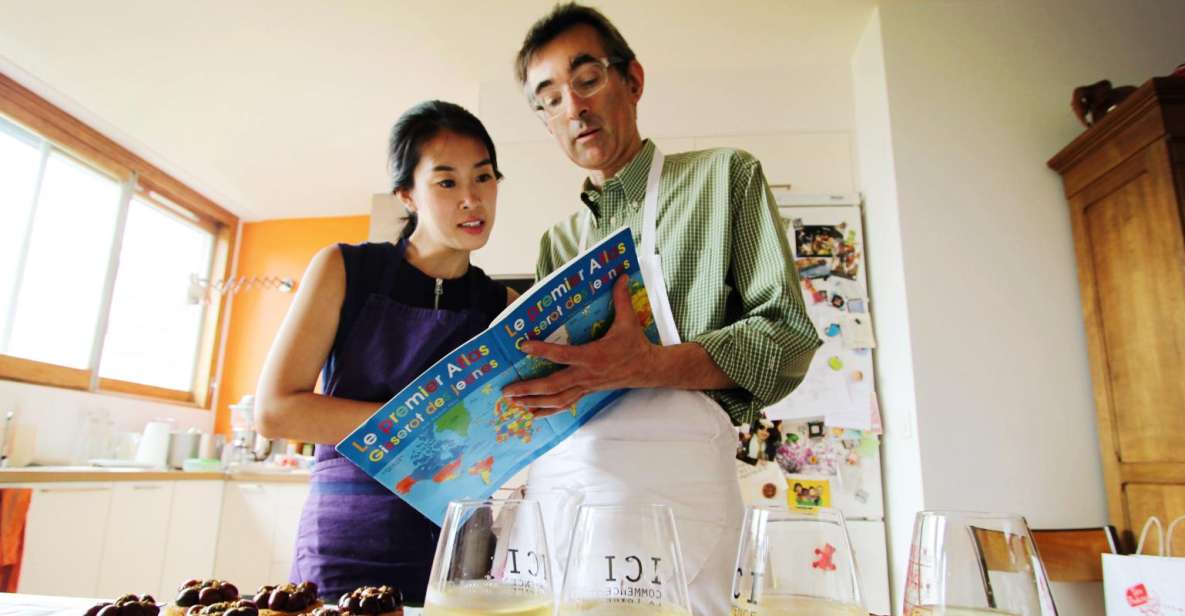
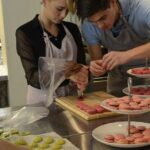
The charm of this cooking class is that it doesn’t treat you like a spectator. You’re not watching a chef perform tricks from the next room. You’re chopping, mixing, seasoning, and putting together a menu that feels very French in both technique and comfort-food logic.
The setup is also part of the value. With ingredients, utensils, and an apron included, you can show up without dragging cookware across Europe. And because the class is built for people with everything from “I can crack an egg” to “I cook for friends,” the pace usually feels manageable instead of intimidating.
Timing matters too. The class runs in the morning, typically 10:45 to 13:45, from Tuesday through Sunday. That makes it a smart plan for a Paris day where you want something productive early, then more free time later for walking and museums.
You can also read our reviews of more cooking classes in Paris

Your Three-Course Menu: What You’ll Learn to Make
This isn’t a random grab-bag of dishes. The course follows a clear, teachable order that mirrors how home cooks actually plan a meal.
Starter: Mediterranean Zucchini
You start with a zucchini dish that leans Mediterranean, but still fits right into the French habit of using seasonal produce well. Expect flavor-building work that’s more about balance than complicated steps—think seasoning choices, texture, and how to avoid a watery zucchini result.
I like this starter because it’s the kind of dish you can repeat without fancy equipment. It also gives you a warm-up to knife skills and basic cooking rhythm before you move to the main.
Main Course: Marinated Chicken
The marinated chicken is where the class gets more “French.” Marinades in French cooking are often about more than just covering meat—they’re about seasoning depth and timing.
In this class, you’ll learn how to make the flavor sit in the chicken instead of tasting flat once cooked. If you’ve ever had good chicken that somehow tastes like dinner-but-not-exciting, this is the fix: seasoning strategy plus proper resting/cooking approach.
Dessert: Grape Pickers Cake
Then comes the dessert: grape pickers cake. It’s a nice contrast to the savory work, and it helps you understand how French bakers think about fruit and sweetness. Even if baking isn’t your thing, dessert in a class like this is approachable because the chef can guide you through consistency checks you might miss at home.
And yes, dessert is part of the final meal—not a sad little bite at the end.
A few more Paris tours and experiences worth a look



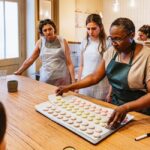

What the Chef Teaches You (And Why It Matters at Home)
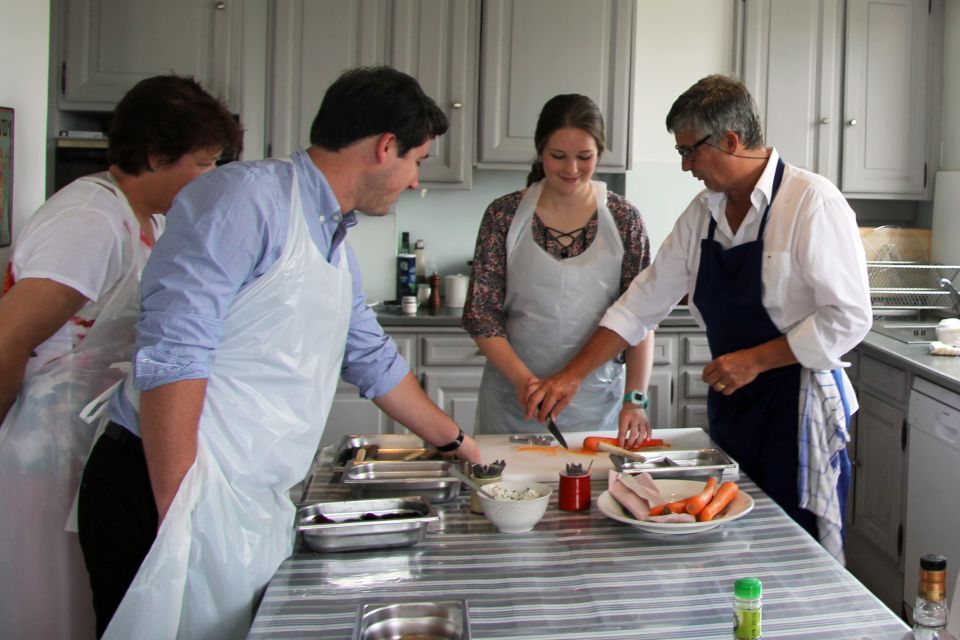
The most valuable part of this experience is not the menu itself. It’s the method behind it. French home cooking often wins with technique you can reuse: seasoning in layers, watching texture, and knowing when to simplify.
Flavor tips that translate beyond the recipe
The class emphasizes improving flavor using fresh, local produce, which is exactly what you want after you go back home. You won’t just memorize ingredients. You’ll learn what to look for while cooking: how ingredients change in the pan, when something needs more acidity or salt, and how to keep flavors from getting muddy.
Knife and prep skills you can use tomorrow
Some classes have a stronger focus on prep—how to cut ingredients efficiently, and how combinations of ingredients change a dish. That’s a big deal because better prep reduces stress during the week. If you’ve ever cooked tired at 7 p.m., you know that time-saving habits matter as much as taste.
Confidence for beginners
A core promise here is that the chef supports participants who have little culinary experience. In practice, that means less pressure and more guidance. If you want French food without the intimidation factor, this is a good route.
And because it’s not a giant crowd, you can ask follow-up questions when you actually need them—like how to tell whether something is seasoned enough or how to prevent zucchini from turning soggy.
The Tasting Moment: Lunch as Part of the Deal
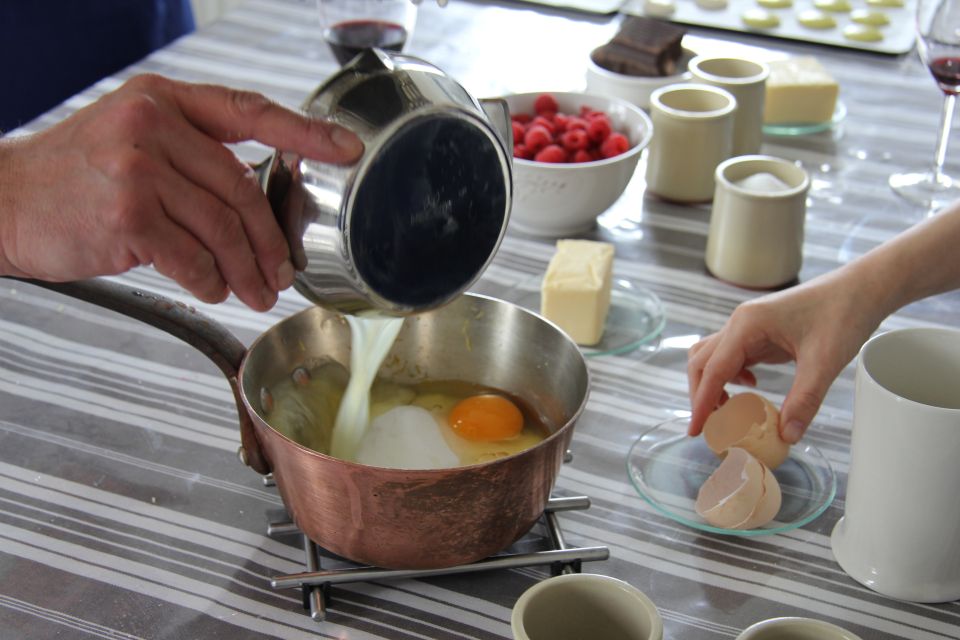
Yes, you’ll get to eat what you cook. This isn’t “taste a crumb and run.” You sit down and enjoy the three courses together, which is the best way to learn.
When you taste your own food, you instantly connect the steps to outcomes:
- If the zucchini tastes too soft, you’ll remember what happened in the pan
- If the chicken lacks depth, you’ll rethink the marinade balance
- If the cake tastes under-fruity or too heavy, you’ll adjust sweetness/texture next time
There’s also a social element to this part. Some chefs keep the vibe light, and it can feel more like cooking with a friend who happens to know what they’re doing than attending a lesson. In at least one private setting I’ve seen described, the chef even paired the meal with wine, which turns lunch into a real Paris pause.
Price and Value: Is $212 Worth It?
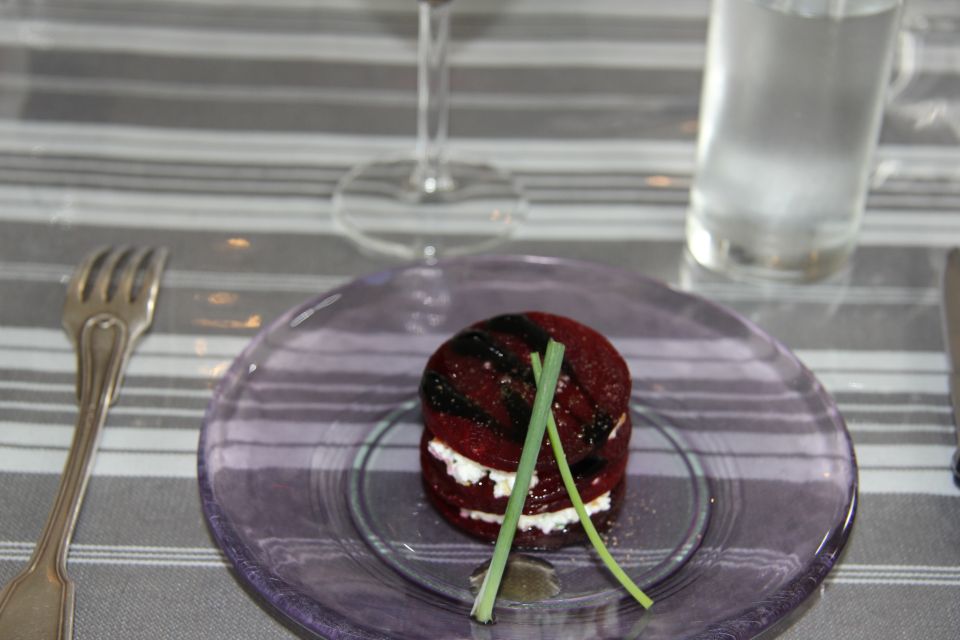
At $212 per person for a 3-hour class, you’re paying for three things that many cheaper “cook and watch” experiences don’t include.
First, the class provides all ingredients and the apron and utensils. That’s not just convenience. It also means you’re not stuck figuring out what to buy for three courses and then hunting for specialty items.
Second, you’re paying for chef time and guidance. When the chef is patient and you can ask questions, you’re buying feedback. That’s what helps you cook better afterward.
Third, you’re getting a built-in meal. You cook three dishes, then you eat them. That makes the price easier to compare with a restaurant lunch where you’d only get one course at most.
Is it expensive? Sure, relative to a supermarket afternoon. But relative to the value of a structured, bilingual, chef-led French cooking session with recipes afterward, it’s a fair deal.
Timing, Meeting Point, and Language Support
This class runs in the morning on Tuesday through Sunday, with start times in the 10:45 to 13:45 window. Duration is listed as 3 hours, so it’s a good fit when you want something focused without losing your whole day.
The meeting point can vary depending on the option you book, and the chef’s address is sent to you within 48 business hours after booking. Practical tip: don’t wait until the morning of your class to plan your route. Check your email the day before and build in extra time if you’re navigating streets on foot.
You also get live guide support in English and French. That matters more than you might think. Food has a lot of small technique words, and it helps to hear key explanations in a language you fully understand.
Group Size and the Personal Pace You’ll Want
You can book private or small groups. In a class like this, small group size isn’t a luxury—it’s how you get real attention when you’re learning. It also keeps the kitchen from feeling chaotic.
Some people love this format because the chef can adjust on the fly. If one person is ahead, you’re not stuck waiting. If someone is brand new, you’re not left to guess. That balance is what makes French cooking feel doable instead of intimidating.
Also, the experience isn’t framed as a rigid factory line. You’re encouraged to cook, ask, and learn. The result is a class that tends to feel upbeat rather than stressful.
Who This Cooking Class Suits Best
This is a strong choice if you:
- Want French cooking with a practical outcome, not just sightseeing
- Like learning techniques you can repeat at home
- Prefer a small-group vibe where you can ask questions
- Are planning a Paris trip and want one “hands-on” day that doesn’t require museum energy
It may be less ideal if:
- You need wheelchair accessibility (the activity is not suitable for wheelchair users)
- You’re traveling with kids under 6 (not suitable)
- You’re looking for a huge theatrical experience with no cooking involvement
If you’re the kind of traveler who enjoys turning a trip memory into a repeatable meal back home, this fits your style.
Should You Book This Parisian Chef Cooking Class?
If you want an actual cooking skill, plus a meal, plus an easy recipe follow-up, then yes—book it. The best sign is how the class is designed for real learners, with chefs like Myriam and Marthe showing that patience and humor can coexist with strong French technique.
Just go in with the right expectations: this is a kitchen experience, not a formal tasting menu at a restaurant. If you like hands-on learning and want to eat what you make, you’ll likely leave feeling like you brought a little Paris cooking knowledge home with you.
FAQ
How long is the cooking class?
The class lasts 3 hours.
What time does the class run?
It is offered in the morning between 10:45 and 13:45, Tuesday through Sunday.
What dishes will we cook?
You’ll prepare a three-course menu: Mediterranean zucchini (starter), marinated chicken (main), and grape pickers cake (dessert).
What languages are offered?
The live guide is available in English and French.
What’s included in the price?
All ingredients, utensils, and an apron are included. A copy of the recipe is sent to you by email.
Is it a private class or a group class?
Private or small groups are available, depending on the option you book.
Where do we meet?
The meeting point can vary depending on the option booked, and the chef’s address is emailed to you within 48 business hours of booking.
Is there free cancellation?
Yes. You can cancel up to 24 hours in advance for a full refund.
Is it suitable for children and wheelchair users?
It is not suitable for children under 6 years, and it is not suitable for wheelchair users.