REVIEW · STRASBOURG
Wine tour of the Alsace wine route
Book on GetYourGuide →Operated by Best Vtc Strasbourg · Bookable on GetYourGuide
One good winery tour always feels personal, and this one leans that way. You’ll start in Strasbourg and spend 4 hours on the road with two planned wine tastings, plus a farm stop and scenic stops along the Alsace Wine Route. I like the tight, small-group setup and the way the tour pairs classic Alsace whites with a broader range at a larger house.
The main drawback to keep in mind is that timing and communication can be a mixed bag depending on the guide, including English clarity and how tightly the stops run. I’d also plan for that the second winery is a bigger operation, so the vibe may feel less intimate than the first tasting.
In This Review
- Key Highlights You’ll Feel Right Away
- Strasbourg to Nordheim: Where the Alsace Route Starts to Make Sense
- Capri Farm in Nordheim: Goats, Produce, and Vineyard Views
- Wangen’s 13th-Century Gateway: A Quick Dose of Old Alsace
- Traenheim and Fréderic Mochel: Signature Alsace Varieties in the Glass
- Le Roi Dagobert in Dangolsheim: Bigger Cellar, Full Alsace Range
- The Return to Strasbourg: Scenic Wine Route Villages and Time on the Road
- Price and Value: Is $115 Worth It for a 4-Hour Alsace Tasting Day?
- Small-Group Reality Check: Language, Organization, and Car Comfort
- Who This Alsace Wine Route Tour Works Best For
- Quick Practical Tips Before You Go
- Should You Book This Alsace Wine Route Wine Tour?
- FAQ
- What does the tour include in the $115 price?
- How long is the Alsace wine route tour?
- How many people are in the group?
- What wineries and stops are part of the day?
- What languages is the guide available in?
- Is it suitable for children or pregnant travelers?
Key Highlights You’ll Feel Right Away

- Small group (max 5) with pickup from your hotel or home
- Two winery tastings covering emblematic Alsace varieties and styles
- Capri farm in Nordheim for local produce and wide vineyard views
- Traenheim stop with Fréderic Mochel and a focus on signature white grapes
- Le Roi Dagobert in Dangolsheim with a wider range of Alsace wines
- Scenic drive back toward Strasbourg with stops built around the Wine Route villages
Strasbourg to Nordheim: Where the Alsace Route Starts to Make Sense

If you want the Alsace Wine Route to feel logical instead of chaotic, this is a good way to do it. You’re picked up from Strasbourg (your hotel, gite, or similar address), then you head straight into the vineyard belt.
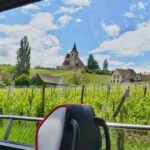
The first real anchor stop is the Capri farm in Nordheim, where you can see a goat farm, buy local produce, and take in panoramic views of the vineyards. This is more than a photo break. It sets the stage for how Alsace works: vineyards are everywhere, but farm life and small local makers are still right alongside the rows.
You’ll also get a short scenic drive here on the way in, so the tour starts building momentum rather than feeling like you’re stuck in a car the whole time.
You can also read our reviews of more wine tours in Strasbourg
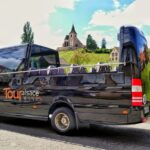
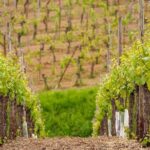
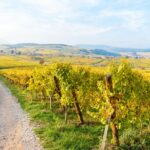
Capri Farm in Nordheim: Goats, Produce, and Vineyard Views

The Capri farm stop is the kind of short stop that makes a tour feel lived-in. Seeing a goat farm right in the middle of wine country helps you understand that the route isn’t only about cellars—it’s also about everyday production and land management.
You can buy local produce on site, which matters because the tour doesn’t include food. If you’re hungry, it’s smart to treat this as your chance to grab something simple rather than waiting until later.
One practical note: since food isn’t allowed in the vehicle, you’ll want to plan to eat before you get back into the car or pick up items you can enjoy at a stop.
Wangen’s 13th-Century Gateway: A Quick Dose of Old Alsace

After Nordheim, the itinerary continues with a drive toward Wangen, where you’ll visit its historic 13th-century gateway. It’s not a long museum-style visit, but it gives you a sense of time depth along the route.
Alsace has a habit of mixing eras—vineyards, wine houses, and old stone reminders of trade and border life. A gateway like this is the kind of detail that helps the villages feel real, not just scenic backdrops you drive past.
If you like architecture and want one small cultural moment without overstuffing the day, this stop does the job. If you mainly want wine-and-nothing-else, you may treat it as a stretch-break before the tastings.
Traenheim and Fréderic Mochel: Signature Alsace Varieties in the Glass
Your first winery visit is in Traenheim, at the cellar of Fréderic Mochel. This is where the tour starts leaning into grape variety, not just wine labels.
You’ll taste wines including Riesling, Muscat, Crément, Gewurztraminer, plus Pinot noir and Pinot blanc. That lineup is exactly what makes Alsace interesting to taste side by side. Different grapes bring different aromas and textures, and the region’s winemaking traditions keep the styles recognizable even when the flavors swing wide.
This first stop is the one that can feel most “family winery” in spirit, based on the way people describe the experience. It’s also usually the place where a guide’s explanations matter most—so if language is a concern for you, this is the stop where clarity can really help you get the most out of the tasting.
Even if you don’t consider yourself a wine person, I’d say you’ll still enjoy this segment. The tasting is built around recognizable grapes, and you’re likely to leave with clearer preferences than you had before you arrived.
Le Roi Dagobert in Dangolsheim: Bigger Cellar, Full Alsace Range
Next comes the second tasting at Le Roi Dagobert in Dangolsheim, described as one of Alsace’s larger wineries. This is a different kind of experience than a smaller cellar, and it can shift the feel of the whole tour.
Here, the focus is broader: you get to taste all the varieties that can be made into Alsace white wine. That phrasing matters. Instead of just a couple of go-to bottles, you’re sampling from a wider family of styles, which is ideal if you want to understand how Alsace white wine can stretch from crisp to aromatic.
The upside is variety. The trade-off can be organization, depending on how the tastings are run on that day. If you’re the type who wants a calm, step-by-step explanation with lots of attention, a bigger operation can feel more structured and less personal.
Still, the value is practical: you get a strong sense of what the region can do when it’s not limiting itself to one or two “signature” grapes.
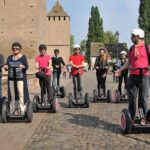
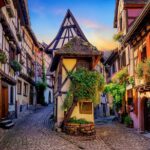

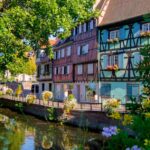

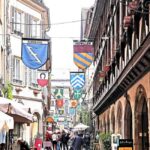
The Return to Strasbourg: Scenic Wine Route Villages and Time on the Road
After your second tasting, you head back to Strasbourg via the Wine Route. This part is where the drive itself becomes part of the experience, because Alsace villages tend to look and feel like they were built for slow walking and local spending.
It’s also the segment where time matters most. Some days can run right on schedule; others may come back sooner than expected, especially if the day’s stops don’t run smoothly. If you have dinner plans in Strasbourg, I’d keep some breathing room.
If you want more time for wandering in a village, consider this a bonus option rather than a guaranteed slot. The tour is designed around tastings and driving between points, so the window for extra wandering may be short.
Price and Value: Is $115 Worth It for a 4-Hour Alsace Tasting Day?
At about $115 per person for roughly 4 hours, this tour sits in a mid-range zone for Alsace. What you’re paying for is convenience and structure: hotel pickup, round-trip transportation, curated stops, and tastings at two wineries.
What’s not included is a big part of the math. You’ll pay for wine you purchase and you’ll pay for food and drinks separately. That means the tour can be “cheap” or “expensive” depending on your tasting habits: if you buy a few bottles, the day’s total climbs fast. If you mostly taste and take notes, the tour can feel like a smart sampling sampler.
Group size matters too. With a cap of 5 participants, you’re more likely to get real attention during tastings than on the bus-and-line tours. That said, language quality can affect how much you gain from the explanations, so it’s worth choosing this tour if you’ll be comfortable with English/French/German support or if you’re happy to enjoy the wines even with less back-and-forth.
Small-Group Reality Check: Language, Organization, and Car Comfort
I think this tour can be a great fit for people who like the Alsace Wine Route at a human pace. You’re not just getting chauffeured; you’re getting two winery tastings and farm-and-village context, and that mix is exactly what makes a short day feel satisfying.
But here’s the honest consideration: communication and run-of-day organization can vary. On some days, English skill may not be as strong as you’d expect, which can turn explanations into slow translation. And the pacing can shift—sometimes you may feel the day gets tight and the final return happens earlier than the stated duration.
I also recommend you think about car comfort. If you’re sensitive to smoke smell, it’s smart to ask about vehicle conditions ahead of time. (The rules forbid smoking in the vehicle, but odors can still be an issue depending on how the car is used.)
If you’re the type who wants strict adherence to the advertised stops and timing, go in with a slightly flexible mindset or confirm the exact winery lineup directly when you book.
Who This Alsace Wine Route Tour Works Best For
This tour is best when you want a compact “best-of” feel for the Alsace Wine Route without doing logistics yourself. If you’re short on time in Strasbourg, it’s a practical way to pack in vineyard views, a historic gateway, and two tastings.
You’ll likely enjoy it if you:
- like tasting multiple grapes such as Riesling, Gewurztraminer, and Pinot Blanc
- want a mix of farm life and winery culture in one day
- prefer small-group attention rather than large crowds
It may not be ideal if:
- you need every part of the schedule to match perfectly, minute by minute
- you only want the most intimate cellar atmosphere every single stop
- you’re traveling with kids (it’s not suitable for children under 16) or if you’re pregnant (not suitable)
Quick Practical Tips Before You Go
Since food and beverages aren’t included, plan like a grown-up: eat before you’re in the car for long stretches. Use the Capri farm for snacks or small local purchases if you want something between tastings.
If you drink a lot at the first winery, pace yourself. You’re tasting again at Le Roi Dagobert later, and Alsace wines can range from crisp and dry to more aromatic and fuller-flavored depending on the grape.
Bring a small notebook or notes app. With grapes like Muscat and Crément in the lineup, it’s easy to get distracted by aroma, and writing down what you liked will help you remember what to buy later (if you choose to buy).
Should You Book This Alsace Wine Route Wine Tour?
If you want an easy day that connects Strasbourg to the Alsace Wine Route with two tastings and real context stops, this tour is a strong value at $115. The small-group cap makes it feel more personal than the big-van versions.
I’d book it if you’re comfortable with the idea that guide language and pacing can vary, and you mainly care about tasting quality and vineyard-day flow. I’d think twice if you’re very schedule-dependent or require very polished English for detailed wine instruction at every stop.
If your goal is to understand Alsace fast—what the region tastes like and which grapes you love—this itinerary gives you a focused start.
FAQ
What does the tour include in the $115 price?
The price includes round-trip transportation, the visits, and the wine tastings. Wine purchases, food, and beverages are not included.
How long is the Alsace wine route tour?
The tour duration is listed as 4 hours.
How many people are in the group?
It’s a small-group tour limited to a maximum of 5 participants.
What wineries and stops are part of the day?
You’ll visit the Capri farm in Nordheim, see Wangen’s historic 13th-century gateway, taste at Fréderic Mochel’s in Traenheim, and have a second tasting at Le Roi Dagobert in Dangolsheim, then return to Strasbourg via the wine route.
What languages is the guide available in?
The live tour guide is available in English, French, and German.
Is it suitable for children or pregnant travelers?
It’s not suitable for children under 16 years old, and it’s also not suitable for pregnant women.