REVIEW · MARSEILLE
Vintage Guided Tour of Marseille
Book on Viator →Operated by Salé collections · Bookable on Viator
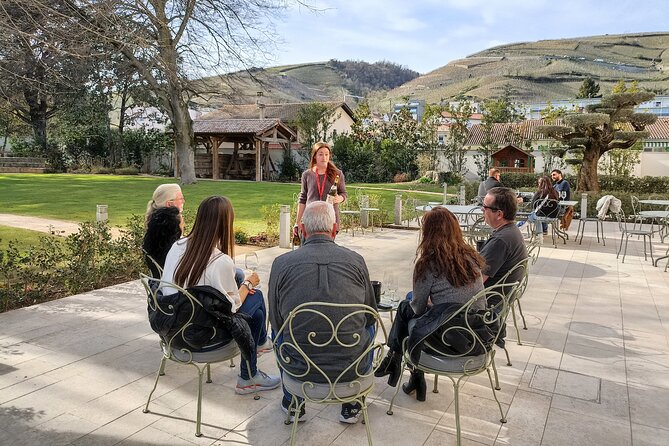
Marseille’s past is only half the story on this unusual walking tour. Lucie uses vintage clothing and upcycling to guide you through central districts, linking second-hand shops with places such as Vieux Port, the Opera district, Canebière, Belsunce, and rue de la République. It is part city walk, part practical guide to more responsible shopping.
I like the personal angle: Lucie runs the upcycled clothing brand Salé, so her interest is more than a passing fashion trend. I also like the compact route, which gives you a quick look at several central areas in about two hours. The main drawback is that the tour is not designed for a long shopping session. You need to allow another 30 minutes afterward if you want time to browse and buy.
In This Review
- Key points at a glance
- A different way to read Marseille
- Starting at Vieux Port
- The Opera district in 30 minutes
- Canebière, rue d’Aubagne, and Belsunce
- Rue de la République and the final stretch
- What the shopping portion really includes
- The guide’s personal connection to upcycling
- Is $42.06 a fair price?
- Timing, walking, and practical details
- Who will enjoy this Marseille walk?
- My verdict on the experience
- FAQ
- Where does the Vintage Guided Tour of Marseille begin?
- Where does the tour finish?
- How long does the tour last?
- Is the tour offered in English?
- How many people can join the tour?
- Is shopping included in the tour price?
Key points at a glance
- Vintage fashion meets Marseille history: See central Marseille through clothing, textiles, shops, and local anecdotes.
- Led by Lucie of Salé collections: Her own work in upcycling gives the tour a clear personal focus.
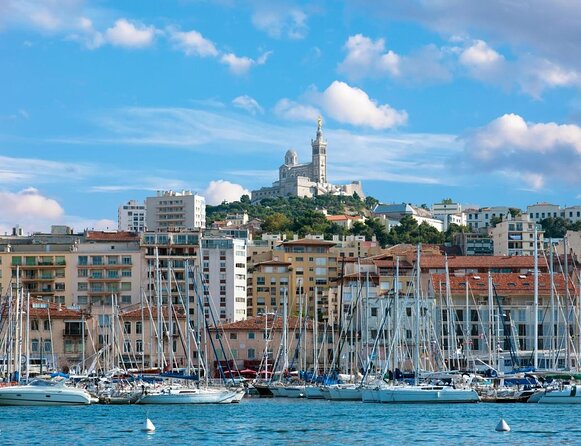
- Four central areas in two hours: The route links Vieux Port, the Opera district, Canebière and Belsunce, and rue de la République.
- A small group of up to 15 people: This is a more intimate format than a large city sightseeing walk.
- English-language experience: You can book the tour in English and meet at Métro Vieux Port.
- Plan shopping time separately: Shop discovery is part of the walk, but purchases and a dedicated 30-minute shopping period are not included.
A different way to read Marseille
Many city walks use monuments as their main map. This one uses clothing. That change in viewpoint is what makes the experience interesting, especially if you have already seen the obvious sights or want an activity beyond standard sightseeing.
Lucie connects second-hand stores, vintage fashion, local creators, and upcycling with the streets around central Marseille. You are not simply taken from one shop to another. The route also includes stories about emblematic places and the way different parts of the city fit together.
I see this as a good choice for someone who likes history but does not want a formal lecture. You get anecdotes along the way, but the walk stays active and practical. You learn where to look for vintage and second-hand clothing while also getting a quick orientation to central Marseille.
The focus on responsible fashion is especially useful. Lucie’s brand, Salé, works with upcycled clothing, and that experience informs the way she presents the shops. The selection includes local upcycling creators, vintage fashion, and more accessible second-hand stores. That mix matters because not every shopper wants rare designer pieces or high prices.
You can also read our reviews of more guided tours in Marseille



Starting at Vieux Port
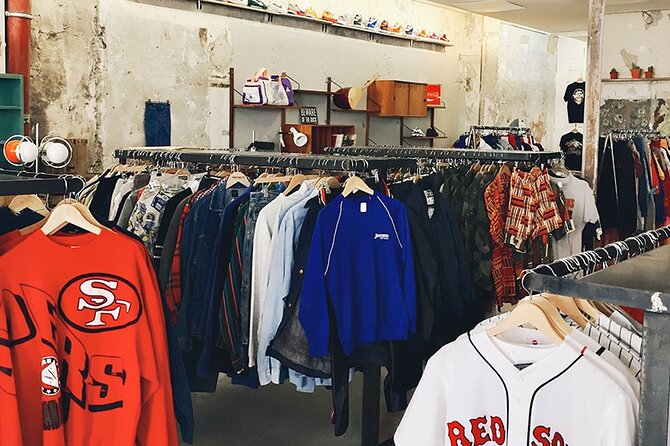
The meeting point is at Métro Vieux Port, and the tour begins around Le Vieux Port. This is a sensible place to start. The harbor is the city’s most familiar gathering point and an easy transport link for people staying in different parts of Marseille.
The opening stop lasts about 10 minutes and is free. Expect a short introduction to the area before the route moves into the streets. The harbor gives you a clear sense of where the walk begins and helps you place the districts that follow.
I like this opening because it keeps the first stop brief. You do not spend half the tour standing in one famous square. Instead, Vieux Port works as the starting marker before the walking and shop discovery begin.
Do not expect a full harbor sightseeing tour here. The main purpose is to establish the setting and begin the circuit. If you want more time by the water, arrive early or stay after the activity.
The Opera district in 30 minutes
The next part of the route enters the Opera district, with about 30 minutes set aside around the Opera Municipal de Marseille. This is the first substantial section of the walk and brings the tour into one of the city’s central urban areas.
The Opera stop has an admission charge listed as not included, so you should treat this as an exterior and neighborhood visit rather than assume you will enter the building. The supplied details do not promise an interior performance space visit or a ticketed tour.
That limitation is worth noting, but it may not be a problem. The purpose here is to connect a recognizable Marseille landmark with the surrounding streets and shops. Lucie’s approach works best when the city setting and the clothing stops share equal weight.
This part should appeal to you if you like seeing how shopping streets, public buildings, and local style overlap. It also helps break up the tour. You are not walking through a string of stores without context.
Canebière, rue d’Aubagne, and Belsunce
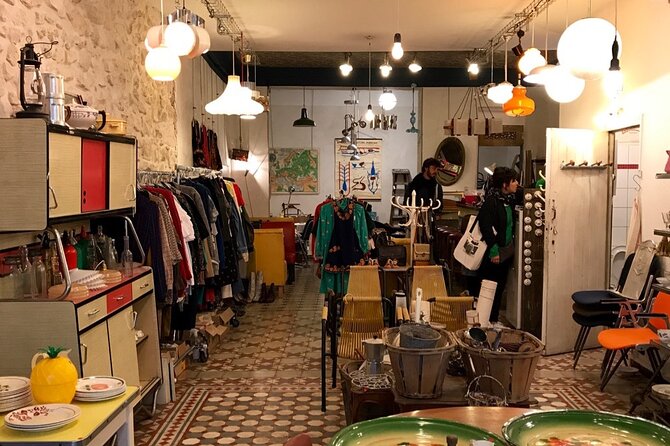
After the Opera district, the route makes a short walk toward rue d’Aubagne, then continues toward La Canebière and the Belsunce district. This section is planned for about 30 minutes and gives the tour its strongest sense of movement through Marseille.
La Canebière is one of the city’s best-known thoroughfares, while Belsunce adds another layer of central Marseille. The tour uses these districts not just as scenery, but as part of a wider story about shopping, city life, textiles, and changing streets.
You can expect more anecdotes here, along with stops connected to second-hand clothing and vintage fashion. The exact shops can vary, so it is best to think of the route as a guided introduction rather than a guaranteed list of every store you hope to visit.
This is also where the tour’s practical value becomes clearer. If you are interested in sustainable clothing, Lucie can point you toward different kinds of shopping: local upcycling, vintage pieces, and more accessible second-hand options. That range makes the experience useful for people with different budgets and different levels of interest in vintage style.
Rue de la République and the final stretch
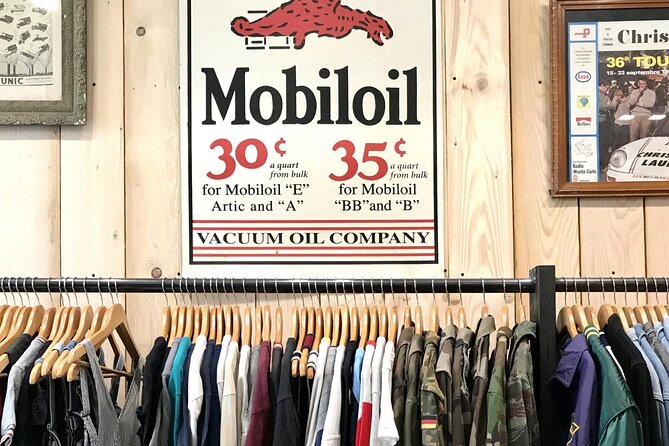
The final 30-minute section explores the side of rue de la République. This completes the circuit and brings together the urban history and shopping themes that run through the walk.
Rue de la République gives the tour another central setting rather than sending you far from the starting point. Since the activity ends back at the meeting point, the route is practical for a short visit to Marseille. You do not need to arrange a separate pickup or find your way to a distant final stop.
The walk is structured, but it does not sound rigid. It moves through several districts, pauses at shops and notable places, and uses Lucie’s stories to tie the sections together. That balance is one of the strongest reasons to choose it over a standard retail outing.
The tour is also a good fit for people who are not already passionate about vintage clothing. Lucie’s storytelling and the city connection give the experience more range. You can enjoy it as a Marseille walk first and a fashion activity second.






What the shopping portion really includes
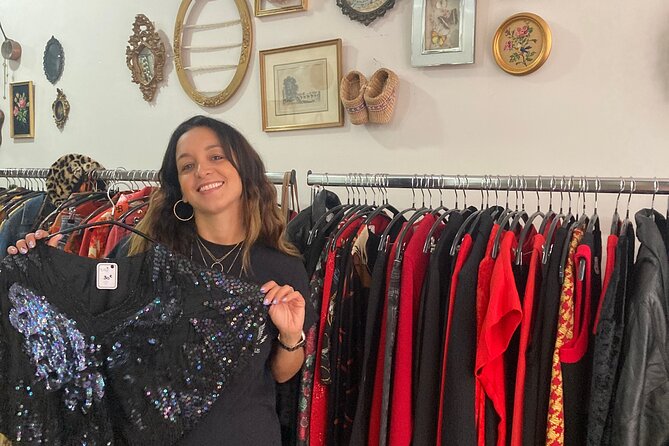
The tour includes discovering shops, but it does not include shopping itself. That distinction is important. The two-hour experience introduces you to addresses and styles, while purchases are your responsibility.
A separate 30-minute period is recommended after the visit so you can browse at your own pace. I would plan for that extra time if you are hoping to try things on, compare prices, or make a thoughtful purchase. Trying to do all of that during the guided walk could make you feel rushed.
The format is better for discovery than for a serious shopping mission. You get help narrowing down the parts of central Marseille worth exploring, then you can return to the stores that interest you most.
This setup also keeps the group moving. With a maximum of 15 people, a dedicated buying period would be difficult to manage during the main tour. The separation between guided discovery and free shopping is sensible.
The guide’s personal connection to upcycling
Lucie is the guide named in the experience details, and her own connection to upcycling shapes the walk. She is associated with Salé collections, an upcycled clothing brand, so you get a direct introduction to the ideas behind reusing and reworking clothing.
That personal link gives the tour a clear voice. You are not receiving a generic shopping checklist. You are hearing how one local creator views fashion, materials, and the city’s independent retail scene.
I appreciate that the shop selection is not limited to one narrow style. The route includes local upcycling creators, vintage fashion, and more accessible second-hand stores. If you are new to responsible shopping, this lets you see several approaches instead of assuming that vintage means expensive or old-fashioned.
The guide’s cheerful manner is another part of the experience. The walk is described as dynamic and punctuated with anecdotes, which should suit you if you prefer conversation and movement over a formal history presentation.
Is $42.06 a fair price?
At $42.06 per person, this is not the cheapest way to walk around central Marseille. You could explore Vieux Port, Canebière, and rue de la République on your own for the price of a map or a phone connection.
The value comes from the combination. You are paying for a two-hour guided route, local shop knowledge, stories about Marseille, and a practical introduction to vintage and upcycled clothing. If you planned to visit several second-hand stores anyway, the tour may save you time and help you find places you would not easily locate on your own.
The price makes less sense if you only want landmark sightseeing. The Opera district, Canebière, and Vieux Port are not presented as a full conventional history tour. The fashion and shopping angle is central, not an extra.
Group discounts may improve the value if you are booking with companions. The group size is capped at 15, which is small enough to keep the walk from feeling like a large bus excursion, though it is not a private tour.
Timing, walking, and practical details
The activity lasts about two hours and begins and ends at Métro Vieux Port. Because the route includes several districts and short walks between stops, wear comfortable shoes. The supplied details do not specify the exact walking distance, so you should expect a city walk rather than a stationary shop presentation.
The experience is offered in English. Most people can participate, and service animals are allowed. It is near public transportation, making the meeting point fairly easy to reach within Marseille.
The activity requires good weather and a minimum number of participants. If poor weather cancels the tour, you are offered another date or a full refund. The same applies if the minimum number is not reached.
You can cancel for a full refund up to 24 hours before the start time. Cancellations or changes made less than 24 hours ahead are not accepted for a refund. Confirmation is normally sent at booking, although a reservation made within one day of the activity may take longer to confirm, depending on availability.
Who will enjoy this Marseille walk?
I would recommend this tour most strongly to:
- People interested in vintage, second-hand, or upcycled clothing
- Shoppers who prefer local independent addresses to standard retail chains
- Visitors who want a city walk with a creative theme
- First-time visitors seeking a quick introduction to several central districts
- Repeat visitors who have already seen Marseille’s main sights
- Travelers who enjoy personal stories and practical recommendations
It may not suit you if you want a long museum visit, a detailed architectural tour, or a private shopping appointment. It is also not ideal if you need a large amount of free time for buying clothes during the activity itself.
Families and mixed-interest groups may still find it workable because the tour is not only about fashion. The city stories and neighborhood stops give non-shoppers something to follow, though the experience clearly favors people who are at least curious about clothing and responsible consumption.
My verdict on the experience
I like the way this tour gives Marseille a human scale. Instead of treating the city as a row of monuments, it follows the everyday act of shopping and asks you to notice how clothing, local creators, and neighborhoods connect.
The strongest feature is the mix of city history and vintage fashion. Lucie’s work with Salé makes the upcycling theme feel personal, while the route through Vieux Port, Opera, Canebière, Belsunce, and rue de la République keeps the experience grounded in Marseille.
Book it if you want an original two-hour introduction to the city and would enjoy continuing with a little shopping afterward. Skip it if your priority is a traditional sightseeing tour or a focused buying spree. For the right audience, $42.06 buys more than directions to shops. It buys a new way to read central Marseille.
FAQ
Where does the Vintage Guided Tour of Marseille begin?
The tour begins at Métro Vieux Port in Marseille, France.
Where does the tour finish?
The activity ends back at the meeting point.
How long does the tour last?
The tour lasts approximately two hours.
Is the tour offered in English?
Yes. The experience is offered in English.
How many people can join the tour?
The activity has a maximum of 15 participants.
Is shopping included in the tour price?
Discovering the shops is included, but shopping is not. You should allow an additional 30 minutes after the visit if you want time to browse and make purchases.