REVIEW · MARSEILLE
Marseille Food Tour – Full Meal of Local Tastes by Do Eat Better
Book on Viator →Operated by Do Eat Better Experience · Bookable on Viator
Pastis, panisse, and sweets all in one walk. This Marseille Food Tour stitches together four neighborhood stops from the old port to Noailles, turning a simple city walk into a real lunch through classic tastes and local drinks. I especially like the full-meal feel, where you’re eating across multiple stops instead of just nibbling.
I also like the small-group feel (maximum 12 people) and the way the guide adds context as you go—often with lively storytelling from hosts like Inga or Laura. One consideration: the focus is mainly on food and samples, so if you want deep, long cultural lectures at every corner, you may wish for a bit more history.
In This Review
- Key highlights to look for on this Marseille Food Tour
- How this Marseille tasting walk turns neighborhoods into lunch
- Stop 1 at Quai du Port: roasted camembert à la Provençale and pastis vibes
- Le Vieux Port brasseries: panisses, sardines, and the sea-has-a-say-so taste
- Canebière stroll and the sweet makers: nougats and calissons on a historic street
- Noailles finale: le ventre de Marseille and pastries influenced by the Orient
- The sample menu: what a full meal looks like on foot
- What’s included (and what you’ll likely pay for yourself)
- Alcohol choices: pastis and wine without losing control of the day
- Your guide and the overall vibe: food-forward stories, varying styles
- Getting the most from 3.5 hours in Marseille
- Price and value: is $89.49 fair for this Marseille lunch?
- Who should book this Marseille Food Tour (and who might not)
- Should you book this Marseille Food Tour?
- FAQ
- What time does the tour start, and how long is it?
- Where does the tour meet, and where does it end?
- Is alcohol included in the tour?
- What food will I try on the tour?
- Are vegetarian options available?
- What if I have food restrictions or allergies?
- How big is the group?
- Is the tour offered in English?
- Does the tour run in bad weather, and how does cancellation work?
Key highlights to look for on this Marseille Food Tour
- A lunch equivalent across at least 4 stops, so you won’t feel like you’re just tasting crumbs
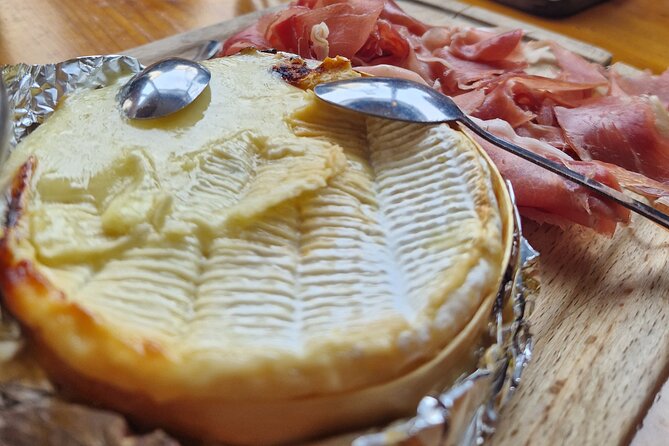
- Vieux Port starters like roasted camembert à la Provençale, often paired with pastis
- Sea-to-table Marseille staples at portside brasseries, including panisses and sardines
- Canebière sweets tied to local confectionery culture like nougats and calissons
- Noailles market finale with North African–influenced pastries like loukoum and makrout
- Alcohol included with smart options: at least one drink for 18+, plus non-alcoholic choices
How this Marseille tasting walk turns neighborhoods into lunch
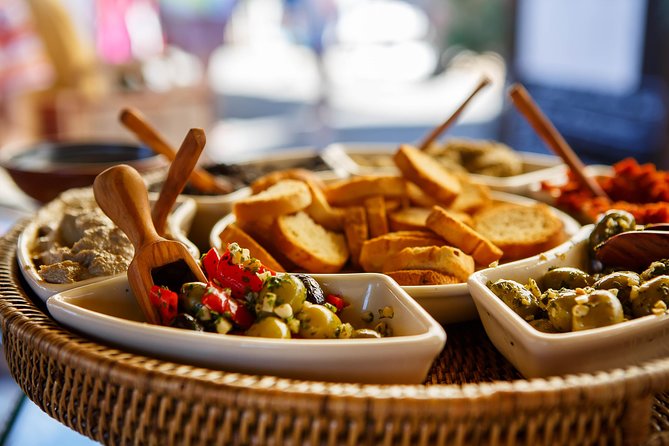
This tour is built for food-first travelers. You’ll cover a few key areas on foot—starting at Quai du Port near Marseille’s old port and ending in Noailles—and you’ll eat through the city’s flavors rather than sitting in one place. The duration is about 3 hours 30 minutes, which is long enough to matter but short enough that you can still enjoy the rest of the day on your own.
The format helps you in two ways. First, you get variety without having to plan a dozen restaurants. Second, you learn the rhythm of Marseille eating: apéritif first, then savory bites, then sweets at the market end of town. The tour also runs in English, and it’s offered for up to 12 travelers, so it doesn’t feel like a crowded food conveyor belt.
Price-wise, $89.49 isn’t “cheap,” but it’s not trying to be. You’re paying for multiple guided tastings, water, and at least one alcoholic drink (for adults), delivered across several partners. If you want one guided meal that follows local routes, it can be good value. If you’re the type who prefers a single sit-down restaurant and picks your own wines, you might find it harder to justify.
You can also read our reviews of more food & drink experiences in Marseille
Stop 1 at Quai du Port: roasted camembert à la Provençale and pastis vibes
Your first stop sets the tone: this is Marseille’s classic start at the Vieux Port area, where the city’s food culture has always been shaped by visitors, seafarers, and local pride. The featured taste is roasted camembert à la Provençale, often served hot so it gets that soft, melty, crowd-pleasing texture. You can also dip a crouton into it, which makes the first bite feel interactive instead of formal.
If camembert isn’t your thing, there’s usually an alternative: Provençal cheese paired with local drinks—especially pastis, the iconic anise-flavored apéritif. That matters because pastis is more than a drink here. It’s part of the pre-meal social ritual, and it helps explain why Marseille dining often feels more like hanging out than strictly “eating.”
Practical tip: if you choose pastis, go easy at first. The tour includes multiple savory stops afterward, and you’ll likely want your palate sharp for the portside seafood.
Le Vieux Port brasseries: panisses, sardines, and the sea-has-a-say-so taste
Next you move into the Vieux Port atmosphere—by brasseries that match the area’s everyday working-port energy. This stop is where the tour leans hard into “Marseille is a Mediterranean port” food, with seafood and fish-based traditions.
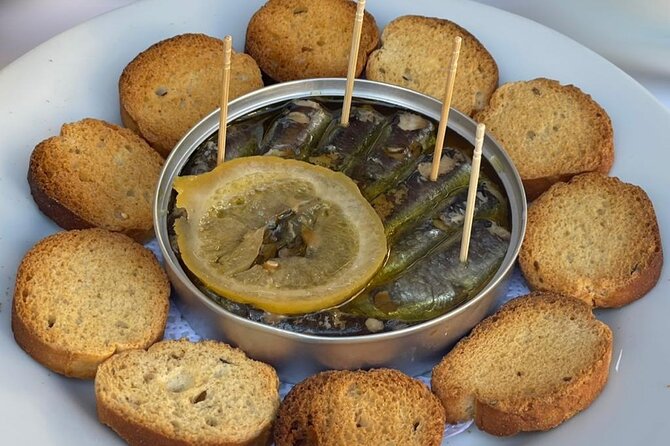
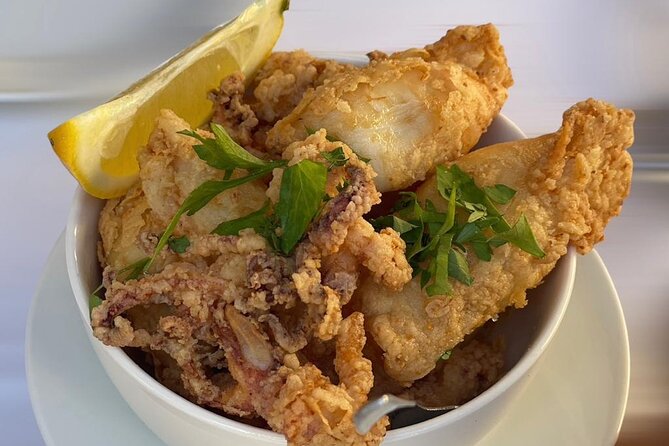
You’ll try tapas-style bites, with examples like panisses, sardines, and other fish options depending on season. Panisse is one of those Marseille specialties that tastes simple but is deeply local. It’s made from chickpea flour and is usually served fried or crisped, giving you that satisfying crunch before it softens. Sardines are another signature: small fish, big flavor, and a reminder that the region’s cuisine grew up around what’s available from the sea.
This stop often works best if you’re hungry for “the real stuff” rather than fancy presentations. You’re not ordering a tasting menu. You’re trying street-food-and-brasserie staples that locals actually build meals around.
Possible drawback: this portion is shorter than the sweets stop at Noailles, so you may feel you’re learning the basics rather than going deep. If you love seafood, you’ll likely want to follow up later with your own restaurant choice in the same zone.
Canebière stroll and the sweet makers: nougats and calissons on a historic street
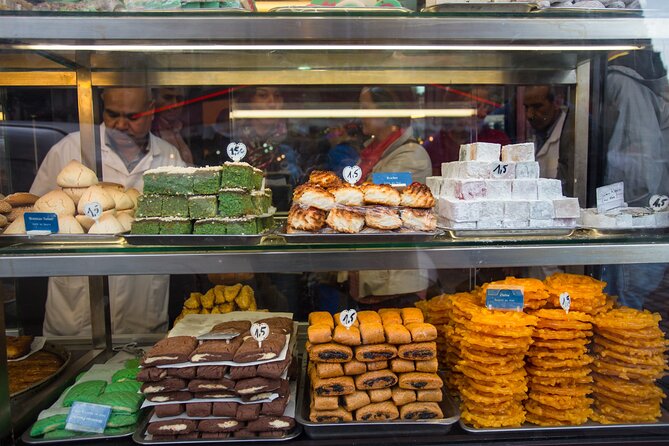
After the savory, you walk along La Canebière, one of Marseille’s most famous streets. The street name connects to hemp (Canabe), which is a fun detail because it hints at the city’s trading history. It also makes the contrast feel sharper: Marseille’s economy and movement shaped its food and shopping culture, too.
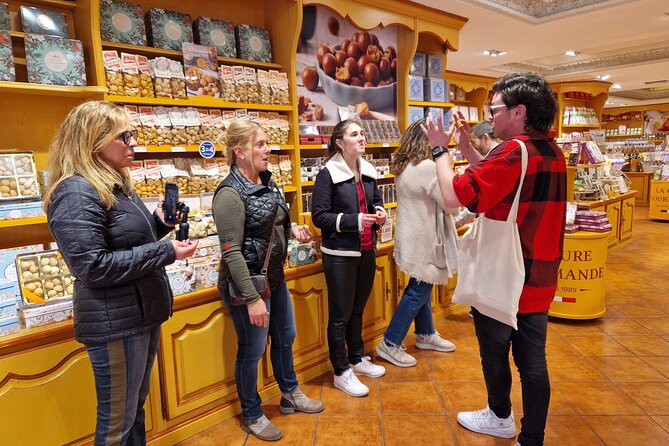
This stop shifts to confectionery. You’ll head into a boutique linked to local sweet craft—where you can learn how nougats and calissons are made and why they’re so tied to Marseille identity. These aren’t random tourist desserts. They’re the kind of sweets you’ll see locals buying for gifts and sharing during family moments.
What you should expect here is less about one dramatic dish and more about a guided introduction to Marseille’s sugar side. If you’ve never had calissons or nougat in their home environment, this is a smart primer before you start wandering bakeries and candy counters on your own.
A small consideration: if your idea of a food tour is mostly savory stops, the time here can feel sweeter than you expected. Still, it’s the right bridge from portside flavors into the market’s dessert finale.
Noailles finale: le ventre de Marseille and pastries influenced by the Orient
Your last stretch ends in Noailles, often called le ventre de Marseille—the market district where flavors from different cultures are part of daily life. It’s a fitting landing spot because Marseille isn’t one single culinary identity. It’s a mixing bowl, and Noailles shows that in real time.
At this stop, you’ll taste pastries and sweets with Orient-inspired flavors, with examples like loukoum and makrout. Depending on the exact tastings available, you may also try crunchy and melting pastries that feel built for sharing. This is where the tour’s “walk and eat” structure pays off: you finish on sugar without having to hunt it down yourself.
The sample menu also points to Marseille’s two sweet worlds working together: artisan makers of nougat and calissons show up here too, alongside North African-style desserts such as loukoums and makrout. The overall effect is a dessert sampler that actually reflects Marseille’s position as a crossroads.
If you don’t usually eat a lot of sweets, you can pace yourself. Even with multiple samples, the guide’s job is to keep the experience moving rather than dumping everything on your plate at once.
A few more Marseille tours and experiences worth a look




The sample menu: what a full meal looks like on foot
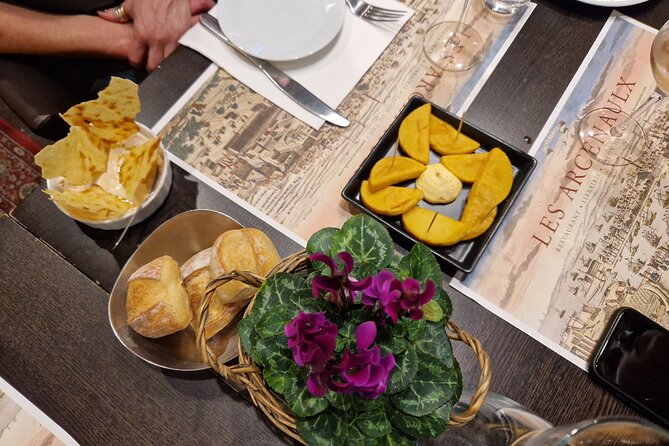
The tour is designed to feel like a complete lunch. The menu examples include:
- Starter: roasted camembert
- Main: tapas (fish à la Provençale, charcuterie, aioli, or fried seafood depending on season)
- Main: panisse and sardines near the old port
- Dessert: confiserie sweets like nougat and calissons
- Dessert: Oriental sweets such as loukoum and makrout
Two things to notice here. First, the “tapas” and “panisse/sardines” aren’t random. They map to the Marseille habit of eating in bites, not only in formal courses. Second, desserts aren’t treated as an afterthought—they’re part of the tour’s structure.
One practical caveat: tastings can change by season and partner availability. That’s normal for food tours in real neighborhoods. It also means you should think of this as a flavor itinerary framework, not a rigid checklist where every single item is guaranteed.
What’s included (and what you’ll likely pay for yourself)
Included on the tour:
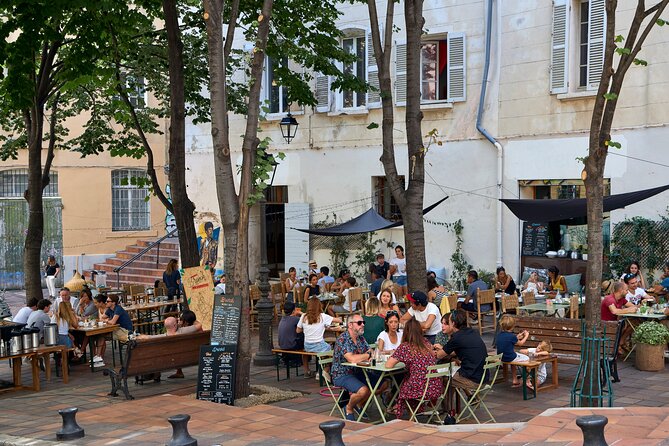
- Lunch in an itinerant format (you eat the equivalent of a full meal across at least 4 stops)
- Water
- Alcoholic beverages: at least one alcoholic drink for guests over 18
- English-speaking local guide
Not included:
- Any extra food or drinks beyond the included tastings
So if you’re someone who likes to order extra wine, a second cocktail, or a full lunch plate at a restaurant afterward, you’ll need to budget for that. But if you’re okay letting the tour handle the eating, you’ll likely leave feeling like you got your money’s worth.
Also, the tour states that vegetarian options are available. And you’re told to contact the provider about restrictions before booking, which matters if you have to avoid certain ingredients.
Alcohol choices: pastis and wine without losing control of the day
Because the tour includes at least one alcoholic drink for adults, it’s a good fit if you enjoy tasting local beverages with your food. The featured drink is often pastis at the start, and the portside stops may include wine pairings depending on what’s available. It’s part of how Marseille dining stretches from apéritif to food and then to sweets.
The tour also says non-alcoholic options are available, which is important. If you don’t drink, you can still participate and get the full tasting sequence.
My practical advice: if you’re doing this early in the day, stay thoughtful with pacing. You’ll be walking and sampling multiple items over several hours, so you want to feel comfortable and not rushed. If you’re sensitive to alcohol, choose your drink calmly or go non-alcoholic.
Your guide and the overall vibe: food-forward stories, varying styles
A big part of whether a food tour clicks is the guide’s energy and focus. This one has an English-speaking local guide, and you might hear guide names like Inga, Laura, Ben, Simon, Jasmine, and Yasmine associated with standout tours. That tells you something: the hosts often bring personality and city know-how, not just a script.
The tone tends to be friendly and playful, with some guides sharing city habits and neighborhood context alongside the tasting. Still, it’s worth being honest about expectations. The tour is mainly about food samples, not a long, academic history lecture at every stop. If that’s exactly what you want, it’s a great match.
If you’re the type who prefers quiet and minimal chatter, keep in mind that some guides will talk more than others. The upside is that if you like questions, you’ll likely get answers, especially around why certain foods show up where they do.
Getting the most from 3.5 hours in Marseille
This isn’t a sit-down meal. It’s a guided walk with multiple tastings. A few things make the difference between good and great:
- Wear comfortable shoes. You’ll be walking between neighborhoods for several hours. The tour is labeled moderate in fitness level, so treat it like a real stroll.
- Arrive on time. The start time is 11:00 am, and the meeting point is specific: 66 Quai du Port, 13002 Marseille.
- Don’t overpack your day. Plan one easy block around the tour so you’re not rushing right after finishing at Noailles.
- Ask about substitutions. Tastings can change by season and partner availability, so if you have a hard preference, ask the guide how it usually works.
You’ll also want to keep an eye on weather. The experience requires good weather, and if it’s canceled due to poor conditions, you’ll be offered a different date or a refund.
Price and value: is $89.49 fair for this Marseille lunch?
At $89.49 per person, this isn’t a budget snack crawl. But it is priced like an experience: multiple tastings across several spots, a local guide, water included, and at least one alcoholic drink for adults.
Here’s the value math that matters:
- You eat across at least 4 stops and it’s described as the equivalent of a full meal.
- The stops cover both savory and sweet, which helps justify multiple partner costs.
- The group size is capped at 12, so you’re not competing for attention.
Where some travelers may question value is when they’re expecting a long history lesson or extra surprises at every stop. If you want only the most famous “headline dishes” and nothing else, some parts of the tour may feel more like good local classics than major culinary discoveries.
My bottom-line take: if you’re visiting Marseille for the first time and want a reliable, guided way to eat like a local across multiple neighborhoods, this price can make sense. If you already know exactly where you want to eat and you prefer total freedom, you may prefer building your own itinerary.
Who should book this Marseille Food Tour (and who might not)
This tour is a strong match if:
- You want a guided food walk that covers Marseille’s savory and sweet identity
- You’re okay with walking and sampling along the way
- You like apéritifs and pairings, especially if you enjoy pastis
- You want vegetarian options available and can plan ahead for restrictions
It may not be the best match if:
- You want a full sit-down lunch with one restaurant meal
- You want deep cultural history packed into every hour
- You have severe or life-threatening food allergies, since the tour notes you can’t participate in that case
- You hate any mention of alcohol, even though non-alcoholic options exist, because alcohol is part of the included structure
Should you book this Marseille Food Tour?
I’d book it if you want one organized way to taste Marseille without guessing where to go, especially if you enjoy portside seafood flavors and you want a real sweet finish in Noailles. The fact that it’s designed as a full-meal equivalent across multiple stops makes it easier to justify than a shorter tasting-only experience.
Skip it—or at least compare alternatives—if you’re looking for long, in-depth history lessons, or if your idea of value requires maximum “wow” at every single stop. In Marseille, this tour is best taken for what it is: a well-timed, food-forward walk that helps you eat like you know the city.
FAQ
What time does the tour start, and how long is it?
The tour starts at 11:00 am and lasts about 3 hours 30 minutes.
Where does the tour meet, and where does it end?
You meet at 66 Quai du Port, 13002 Marseille, and the tour ends in Noailles, 13001 Marseille. The exact end point may change based on partner availability.
Is alcohol included in the tour?
Yes. The tour includes alcoholic beverages, with at least one alcoholic drink included for guests over 18. Non-alcoholic options are available.
What food will I try on the tour?
You’ll get an itinerant lunch with tastings across multiple stops, including items like roasted camembert à la Provençale, tapas, panisse and sardines, and Marseille sweets such as nougat, calissons, loukoum, and makrout. Specific items may vary by season.
Are vegetarian options available?
Yes. Vegetarian options are available.
What if I have food restrictions or allergies?
You should contact the provider before booking with any food restrictions. For severe or life-threatening food allergies, participation isn’t possible.
How big is the group?
The tour has a maximum of 12 travelers.
Is the tour offered in English?
Yes. It’s offered in English.
Does the tour run in bad weather, and how does cancellation work?
The experience requires good weather. If it’s canceled due to poor weather, you’ll be offered a different date or a full refund. You can also cancel for a full refund up to 24 hours before the experience’s start time.