REVIEW · MARSEILLE
Marseille: Calanques National Park Guided Hike with Picnic
Book on GetYourGuide →Operated by Planetazur · Bookable on GetYourGuide
One word: wind. A Calanques guided hike lets you feel the mistral and watch the coast open up fast. You’ll also get a well-paced walking day on real paths—plus a picnic view that makes the effort feel worth it.
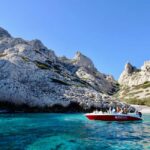
I especially like the mix of big viewpoints and small coves, with stops around places like Saint Jean de Dieu, Sugiton, and Morgiou (route varies by season and conditions). And I really like that guides keep it practical—sharing plant and nature facts, checking in for safety, and making the group feel together even when the terrain gets steep.
The main drawback to plan for is the physical side: there’s about a 200 m height change with a steep down-and-up, and in summer heat the hike can feel several times harder.
In This Review
- Key highlights at a glance
- Calanques National Park with picnic: what makes this hike worth your morning
- Getting to the meeting point: Luminy is easy once you know the plan
- The 5-hour rhythm: how the hike, viewpoints, and picnic fit together
- Saint Jean de Dieu, Sugiton, Morgiou: what route changes mean for your day
- The mistral wind and the swim break: how conditions change the mood
- Price and value: is $41 fair for a guided Calanques day?
- What to bring: your comfort kit for rocks, sun, and long uphill seconds
- Difficulty: who this hike suits (and who should skip it)
- Guides and group energy: why the leadership often drives the best moments
- Should you book this Calanques hike with picnic?
- FAQ
- How long is the Calanques National Park guided hike with picnic?
- What is included in the $41 per person price?
- Where do I meet, and how can I get there by bus?
- What should I bring for the hike?
- Is this hike suitable for kids or everyone with mobility needs?
- What happens if weather is bad or the group doesn’t reach the minimum?
Key highlights at a glance
- Mistral-ready coastal views that can turn the breeze into part of the experience
- Route flexibility with Calanques stops like Saint Jean de Dieu, Sugiton, Morgiou, or Sormiou depending on weather
- Panoramic photo breaks plus a picnic timed for the scenery
- A swim opportunity in clean water once you reach the cove
- Real local guidance from guides like Adrien, Jade, Geoffroy, Sébastien, Gregory, Reagan, Sophie, and more
- Snacks included, but you’ll still want to carry your own water and drinks
Calanques National Park with picnic: what makes this hike worth your morning
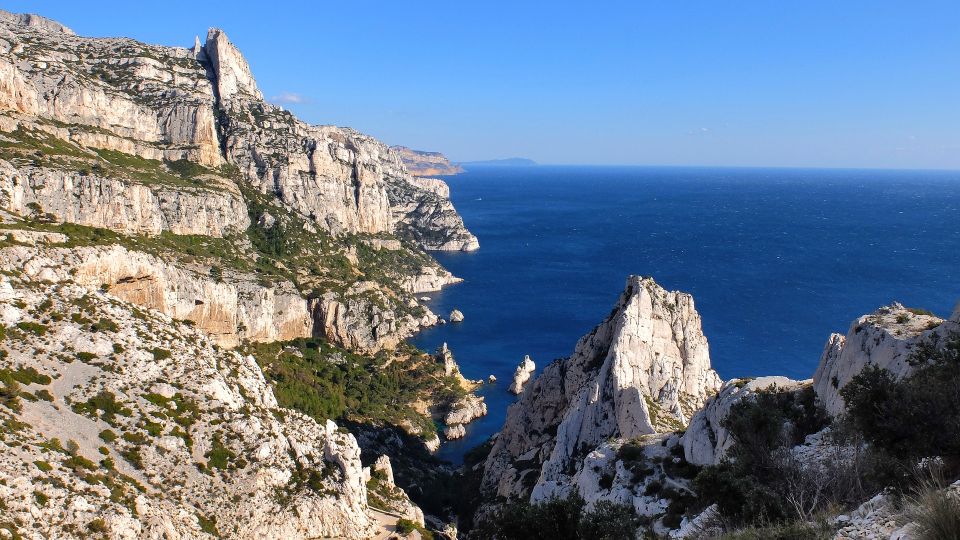
Calanques National Park is famous for a reason. It’s dramatic, coastal, and close enough to Marseille that you don’t need a long-distance trip to feel like you escaped. The guided format matters here because the area has real terrain—not just a viewpoint with a bench—so having a local lead keeps you moving confidently and lets you spend your energy on the scenery and the swim.
I like that this is not a “tour bus photo stop” kind of outing. You start from the calmer edges of Luminy on the Aix-Marseille University campus and head toward the Calanques zone with a guide who understands how conditions affect the route. That means you’ll likely spend your time where the views are strong and the walking is manageable for the day’s weather.
Two other things I found especially useful: first, the guides explain what you’re seeing. You’ll hear about flora and fauna, plus history and cultural fun facts that make the place feel less like random cliffs and more like a living system. Second, the itinerary builds in natural recovery moments—breaks on the way, then free time at the end for swimming.
Just remember: this is a hike. You’re going downhill then uphill, and the “picnic at the end” doesn’t remove the fact that you need sturdy shoes and solid hydration.
You can also read our reviews of more guided tours in Marseille
Getting to the meeting point: Luminy is easy once you know the plan
The meeting point is at 8h55 in front of the Fine Arts School (Baux Arts de Marseille) on the Luminy campus. If you’re driving, park in the lot in front of the school at 184 Av. de Luminy, Marseille and meet at the park entrance green fence.
By public transport, take bus B1 from Castellane Metro station. Get off at Luminy PN des calenques. The bus fare is listed as €3.5 round trip. If you use a metro ticket, it still works within an hour. Also, a 24-hour or weekly pass works for the bus.
Why this matters: Calanques mornings are busy, and you don’t want stress at the start. Luminy is the practical gateway. If you arrive early, you can settle your water and shoes before the group lines up.
The 5-hour rhythm: how the hike, viewpoints, and picnic fit together
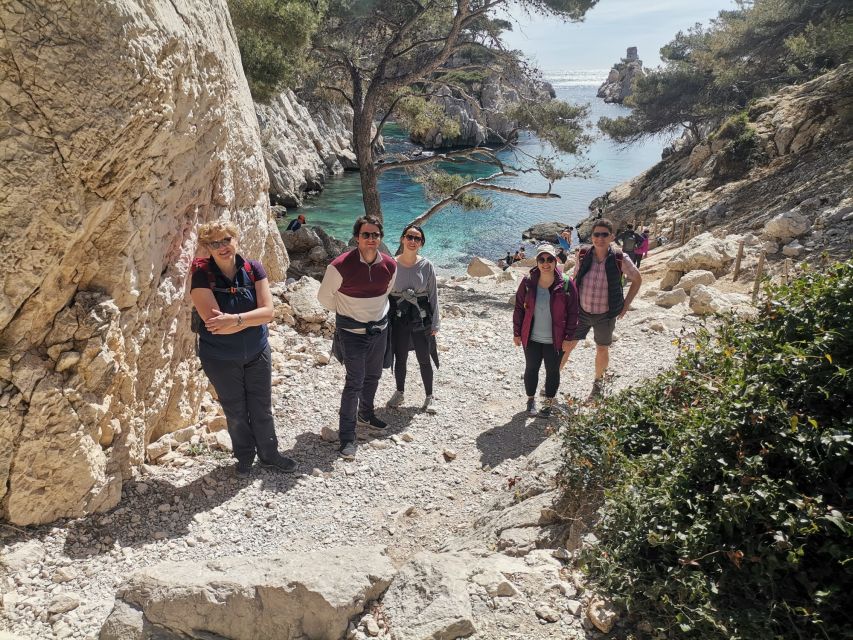
This tour runs about 5 hours, and the pacing is built around the way the terrain works. Expect a guided walk that includes route choices based on season and weather forecast. The total vertical change is listed at about 200 m—roughly like walking the equivalent of 80 floors down in an hour, then turning around and climbing back.
Here’s the rhythm you should plan for:
- Start on the campus edge and get briefed
You’ll begin at the gates of the Calanques area. Guides set expectations for terrain and timing, and they tend to keep a steady group pace with short breaks.
- Descent toward a cove or calanque
This is where the rocks and slopes matter. Some days may include steep, technical sections. In past groups, people mentioned help and reassurance around a chain/rope-style scramble. The guide’s job is to keep you safe and moving as a group.
- Viewpoint and photo moments
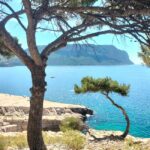
At some point you’ll reach a spot designed for panoramas. This is when you’ll want your phone charged and your camera ready, because the views are the star of the day.
- Picnic with time to relax
A guided picnic is part of the experience. Snacks are included, and you’ll typically eat while taking in the coast.
- Free time to swim
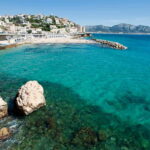
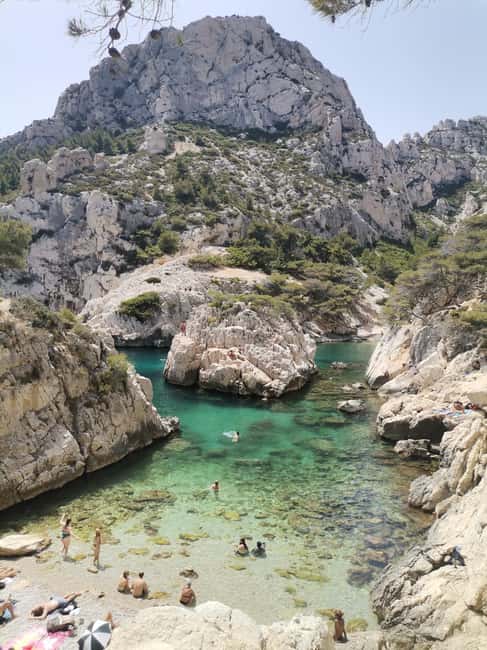
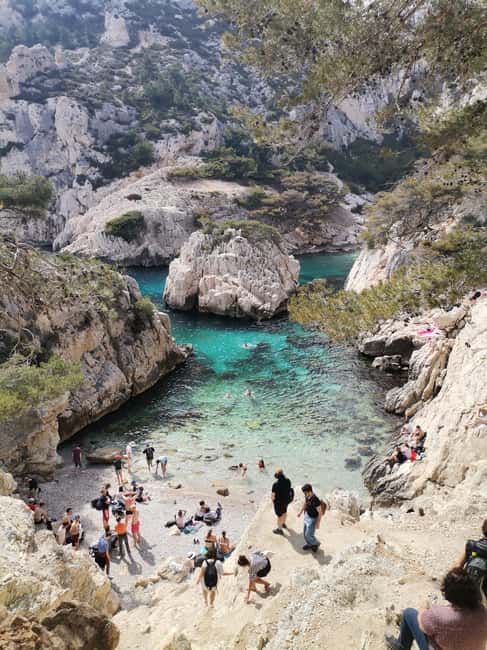
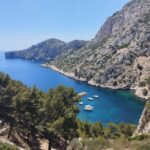
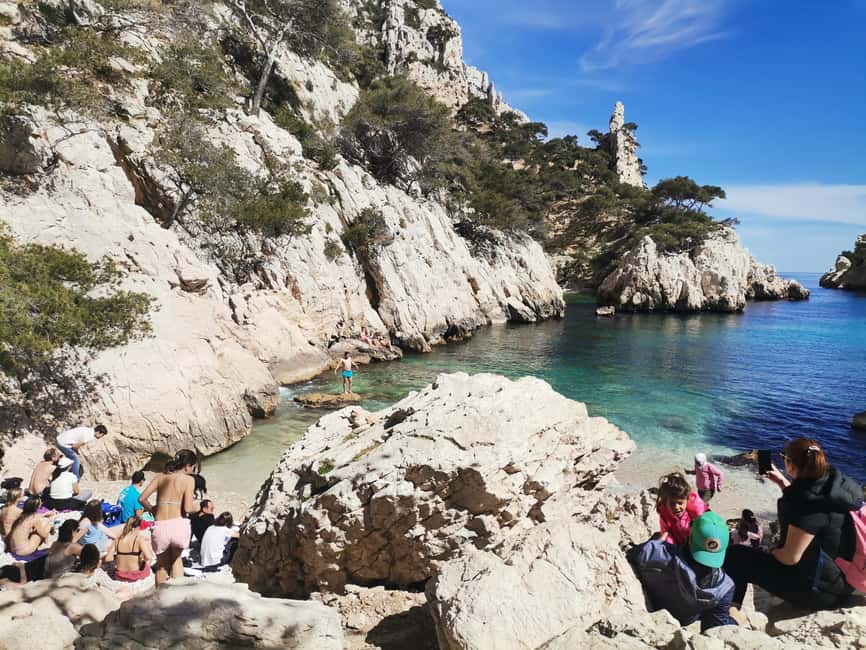
After the guided portion, you get a refreshing break in clean water. People describe it as clear enough to see the ocean floor even from the swim area, and it’s also a good moment for sunbathing while others jump off nearby rocks.
What to watch: even though the day ends with a swim, you still need to manage fatigue. The uphill portion can feel longer than you expect, especially with summer heat and strong wind.
Saint Jean de Dieu, Sugiton, Morgiou: what route changes mean for your day
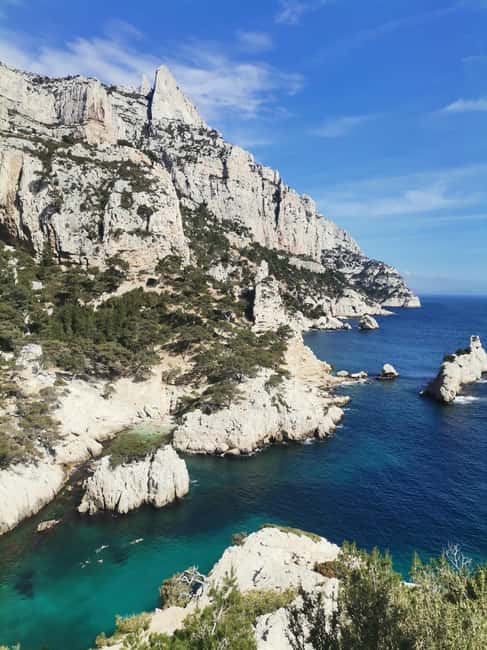
One of the most useful things about this hike is that the route isn’t always identical. Depending on season and weather, you may hike toward creeks and calanques such as:
- Saint Jean de Dieu
- Sugiton
- Morgiou
- Sormiou
For you, the practical effect is simple: the exact cove where you swim and picnic may shift. The trade-off is that you’re not forcing a single route no matter what the conditions are. Instead, the guide chooses what fits the day.
This is also where the guide differences show up. I’ve seen past groups rave about very specific guide strengths:
- Adrien has been praised for plant knowledge and even a bit of foraging in a way that felt special rather than touristy.
- Jade and Geoffroy/Geoffrey were mentioned for being attentive and informative, including pointing out different plants along the walk.
- Sébastien and Reagan were praised for calm check-ins and for keeping the group together and safe on steep sections.
- Some guides leaned into the naturalist angle, while others added more history and cultural context, so you get more than just directions.
If you want maximum value from the hike, ask questions as you go. The best moments usually come when the guide ties plants, rocks, and local life to what you’re standing on.
The mistral wind and the swim break: how conditions change the mood
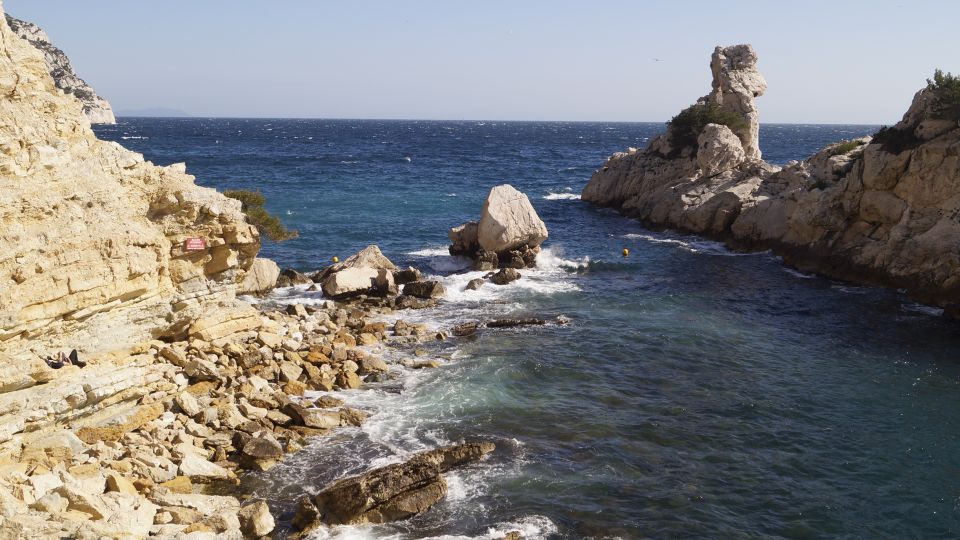
Calanques mornings often come with a marine breeze. On the better days it feels energizing. On windier days—especially when the mistral kicks in—it can feel powerful. That’s part of why this area is so recognizable, and it also affects how you experience the walk.
What you can do to work with the wind:
- Wear outdoor clothing you can adjust in layers.
- Think about sun protection, but also wind protection—hats and sunglasses matter.
- Stay consistent with your water even if the breeze makes you feel less hot than you expect.
Then there’s the payoff: the swim. People describe it as one of the best parts, with clear water and enough space at times to sit and relax even when the cove is popular. If you’re traveling in summer, plan your swim timing carefully—going in when the group finishes the hike can help you avoid the hottest, steepest parts while everyone is fresh.
A note on comfort: the cove scenes can be active, with people sunbathing and diving off rocks. If you prefer quieter water, just be patient and take your time finding a comfortable spot once you arrive.
You can also read our reviews of more hiking tours in Marseille


Price and value: is $41 fair for a guided Calanques day?
At $41 per person, this can feel like a bargain if you compare it to the cost of a guide plus a proper meal plus a hike you’d otherwise have to plan yourself. You’re paying for three things:
- A local guide who helps with route decisions, pacing, and safety
- Snacks included during the day
- A picnic-style break timed to views and the end location
You’re not just paying to get from A to B. The guide adds the “why,” whether that’s flora and fauna facts, local history, or practical tips about steep sections and checking in with the group.
What’s not included is also clear: drinks are not included. That’s an important value detail because you should budget for water and plan to carry it from the start.
What to bring: your comfort kit for rocks, sun, and long uphill seconds
The tour data is direct about what you should pack. For a smooth day, I’d treat this as your checklist:
- Comfortable shoes / hiking shoes (real grip matters on uneven rocks)
- Sunscreen
- Outdoor clothing (and layers if the wind swings)
- Water
- A public transport ticket if you’re not driving
One very practical rule for summer: bring at least 1.5 liters of water per person. That number matters because the hike is listed as becoming much harder in heat waves—about 3 to 4 times compared with the rest of the year (September to May).
Also: avoid the “I’ll drink later” trap. The downhill can feel easier than the uphill. By the time you’re climbing back, dehydration hits fast if you didn’t keep up early.
And if you’re one of those people who likes to travel light: don’t. This is not the day for minimal footwear and guesswork.
Difficulty: who this hike suits (and who should skip it)
This hike requires a minimum physical condition. Expect steep walking and about 200 m height change, with a down-hill and up-hill portion. Guides will help, but this isn’t designed as a flat, stroll-and-chat outing.
It’s also not suitable for:
- Children under 8
- People with mobility impairments
- People who are visually impaired
- Pregnant women
In real life, that means you should pick this if you can handle uneven rock paths and you’re comfortable with a hike that feels more active than a city walk.
Who should love it:
- You want the Calanques experience with a guide and don’t want to worry about getting lost
- You like a moderate physical challenge with a big payoff at the water
- You enjoy learning while you walk—plants, local culture, and coastal history
Who might hesitate:
- If you hate steep uphills or you’re sensitive to heat, pick a cooler season and carry extra water.
- If wind and exposed paths make you anxious, take it seriously and follow the guide’s safety instructions.
Guides and group energy: why the leadership often drives the best moments
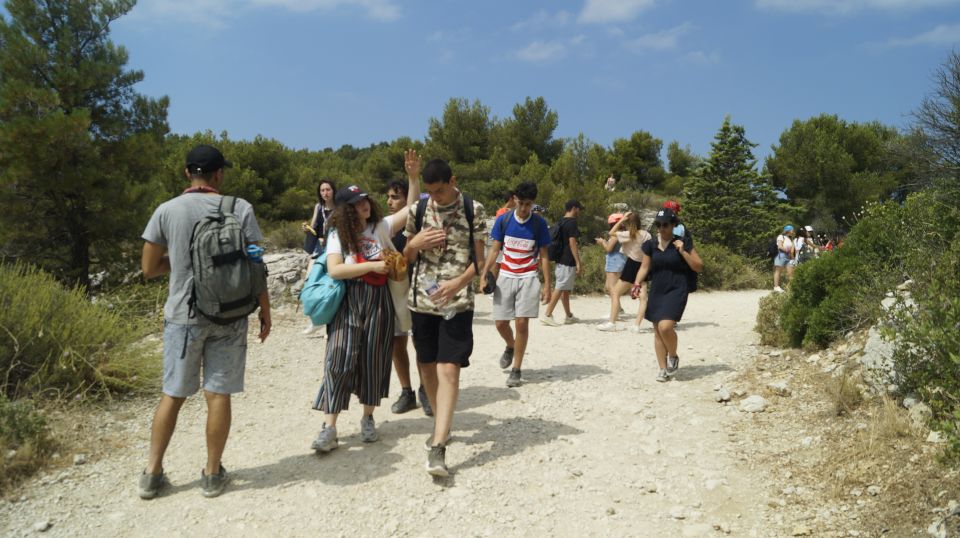
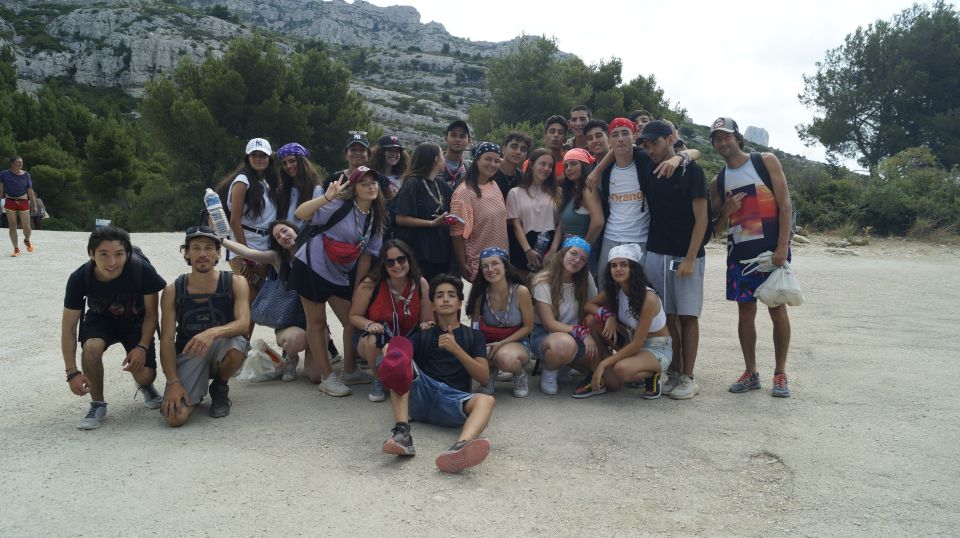
One of the most consistent positives is how guides handle the group. Names that kept showing up include Adrien, Gregory, Jade, Geoffroy/Geoffrey, Sébastien, Reagan, Sophie, Lea, and David. The common theme is attention—regular check-ins, pacing adjustments, and clear instruction before harder sections.
I also like that the groups are described as international and intercultural, which changes the vibe. Even if you travel solo, you tend to meet new people during shared breaks and picnic time. That can be a real win on a hike where you’re moving for hours and sharing the same views.
A small detail that makes a difference: some guides bring a picnic that feels more thoughtful than generic trail food. Past groups have mentioned charcuterie, cheese, bread, hummus, and snacks that hit the spot after the hike and before the swim.
Should you book this Calanques hike with picnic?
If you want a high-value Marseille nature day, I think this is a strong pick—especially if you can handle steep terrain and you bring the right shoes and water. The combo of guided walking, viewpoint photo moments, picnic included, and a real swimming break is exactly the kind of “effort-to-reward” ratio you travel for.
I’d say don’t book (or choose a cooler season) if heat and steep climbs are your weak spot. The tour’s own difficulty notes are very honest, and the mistral + sun combo can make the day feel much harder than you expect.
FAQ
How long is the Calanques National Park guided hike with picnic?
It lasts about 5 hours.
What is included in the $41 per person price?
You get a live guide and snacks. Drinks are not included.
Where do I meet, and how can I get there by bus?
You meet in front of the Fine Arts School (Baux Arts de Marseille) at 8h55 on the Luminy campus. By bus, take bus B1 from Castellane Metro station and get off at Luminy PN des calenques (fare is listed as €3.5 round trip).
What should I bring for the hike?
Bring comfortable shoes (ideally hiking shoes), sunscreen, outdoor clothing, water, and if you use public transport, bring your transport ticket.
Is this hike suitable for kids or everyone with mobility needs?
No. It’s not suitable for children under 8, people with mobility impairments, visually impaired people, or pregnant women.
What happens if weather is bad or the group doesn’t reach the minimum?
The reservation could be canceled if minimum participants (4) aren’t reached or if weather conditions are not favorable. If weather is bad, you’ll be refunded.