REVIEW · MARSEILLE
Marseille: Urban Hiking Tour with a Local Guide
Book on GetYourGuide →Operated by Urban Hike · Bookable on GetYourGuide
Marseille clicks into focus on foot. This urban hike with a local guide turns the city into a walkable story, where you hear how neighborhoods formed and changed, not just what landmarks look like. I especially like how guides such as Olivier (and also Charles, depending on the date) use a descriptive approach so you can follow the history as you move.
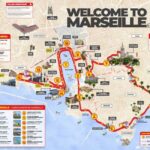
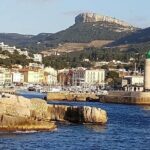
I also love the mix of coast views and back-street wandering. You’ll pass places like Vallon des Auffes and the small bays along the shore, then work your way up toward the Basilica area for the kind of city-and-sea overview that makes Marseille feel real.
One thing to plan for: it’s real uphill hiking. The route can exceed the stated 3.5 hours when there’s lots to talk about and the pace of the group matters, and it’s not suitable for mobility impairments.
In This Review
- Key highlights you’ll feel from the first blocks
- Starting at La Canebière: Burger King to Old Port momentum
- Palais du Pharo and the seafront swing: the city opens up
- Vallon des Auffes: where the port feels human
- Bays, coves, and a different kind of Marseille: Malmousque and beyond
- Monument aux morts de l’Armée d’Orient: a pause with meaning
- Chemin climbs and a secret stop: when the walk gets interesting
- Notre-Dame de la Garde: the climb that pays off
- Boulevard André Aune back toward the Old Port: closing the loop
- Pace, comfort, and what $46 buys you
- Who this Marseille urban hike is for (and who should skip it)
- What to bring so the day stays fun
- Should you book this Marseille urban hike?
- FAQ
- What’s the meeting point for the tour?
- How long is the walk?
- How big is the group?
- What languages do the guides speak?
- What should I bring?
- Is the tour suitable for everyone?
Key highlights you’ll feel from the first blocks
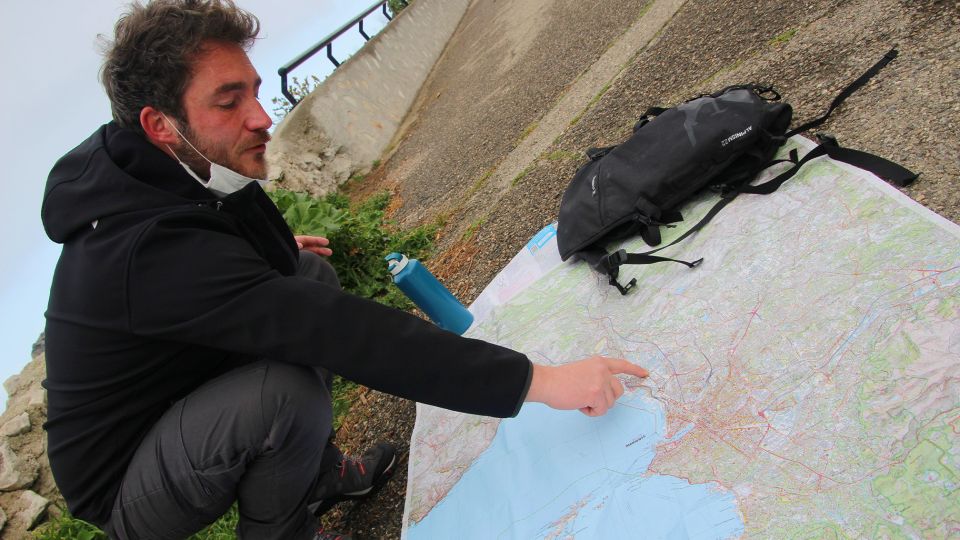
- Small group (max 10): easier questions, more conversation, less waiting around.
- History on the move: street-level explanations that connect Marseille’s past to today’s neighborhoods.
- Seaside-to-stairs route: fishing ports, hidden coves, then climbs to Notre-Dame de la Garde.
- Practical hydration support: 8 water points along the way plus sunscreen included.
- Multiple landscapes in one walk: sea views, quiet parks, and city center back near the Old Port.
- A guide who slows down: groups report steady pacing with frequent checks so you don’t get left behind.
Starting at La Canebière: Burger King to Old Port momentum
The tour begins in a very Marseille way: not a museum door, but a street-corner meetup in front of Burger King at the intersection of La Canebière and the Quai des Belges. If you like getting your bearings fast, this helps. You’re close to the center action, but the walk quickly starts bending toward the shoreline and the stories behind it.
You then head to the Old Port of Marseille for a short guided orientation. It’s brief—think set-up for what you’ll see later rather than a long lecture—so you can connect the harbor’s role to the neighborhoods you’ll pass on the hike. Even if you’ve seen the Old Port before, this format makes you look again at how the city turns toward water.
Tip: wear shoes that handle uneven pavement and steps. Several hikers note that the hike isn’t a casual stroll, and Marseille’s slopes make “comfortable” shoes a real life choice.
You can also read our reviews of more guided tours in Marseille
Palais du Pharo and the seafront swing: the city opens up
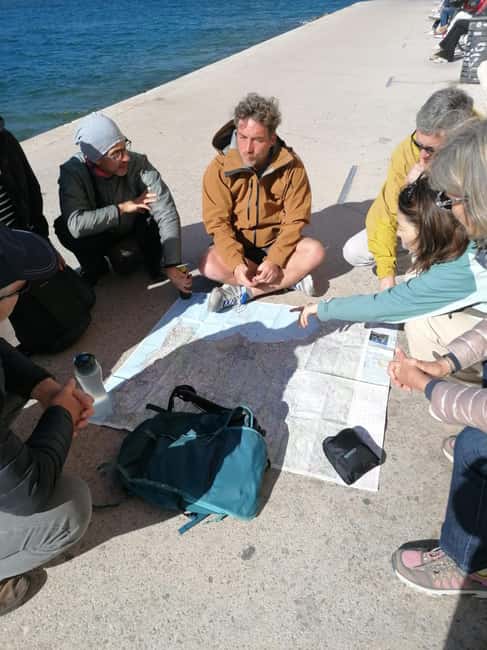
From the Old Port, the route moves toward Palais du Pharo. Expect a photo stop plus guided context and some scenic views along the way. This is one of those areas where you start to understand why Marseille people talk about the sea like it’s a neighbor, not scenery.
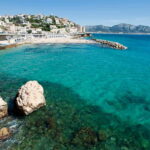
Then you work your way along to Plage des Catalans. You’re not staying for a beach day; you’re using the beach as a viewpoint and a waypoint. The value here is perspective: the guide’s storytelling makes you notice how water, wind, and local daily life shape the city’s layout.
Why I like this part: it’s the moment the tour shifts from “landmarks” to “how Marseille lives.” Even on a cloudy day, you get that sense of direction—shoreline here, neighborhoods climbing there.
Vallon des Auffes: where the port feels human
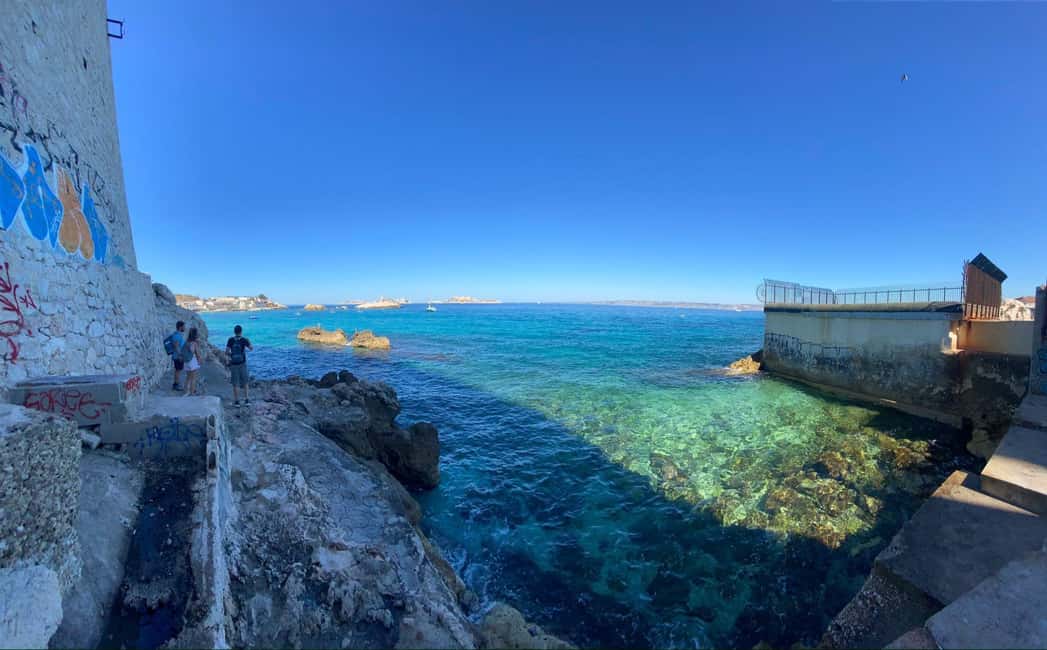
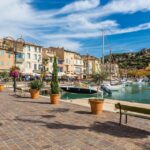
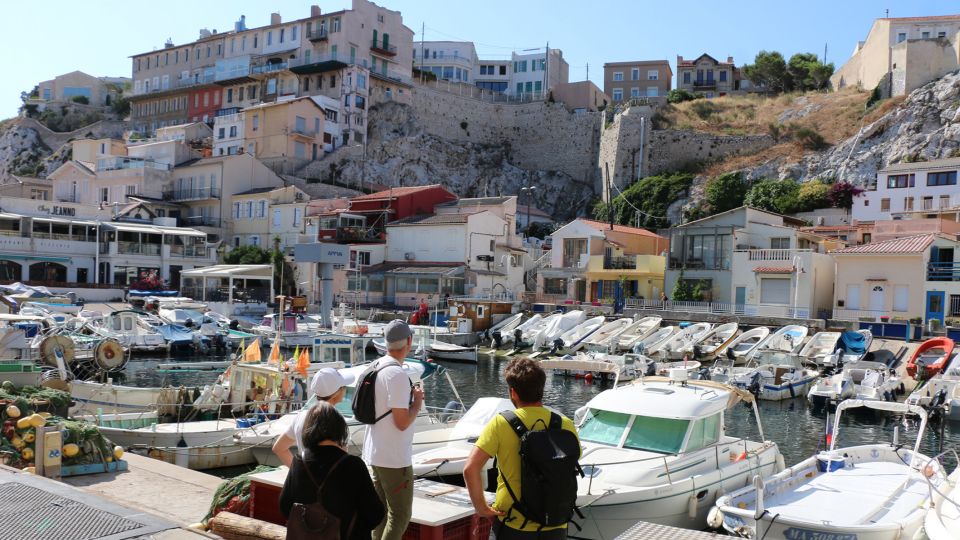
Next comes a quieter, more lived-in stretch at Vallon des Auffes. You’ll get another photo stop and guided walk-through time. This is the kind of spot where Marseille feels less like a postcard and more like a working harbor with character.
You’ll also likely get the contrast lesson—how this area fits into Marseille’s broader history and identity. The tour aims to help you connect names of places with what they actually do: boats, daily routines, and the way communities cluster along sheltered coastlines.
Small caveat: if you’re sensitive to crowds, note that the coastline areas can feel busy depending on the day. The group stays together, and your guide keeps the stop rhythm moving so you don’t get stuck waiting.
Bays, coves, and a different kind of Marseille: Malmousque and beyond
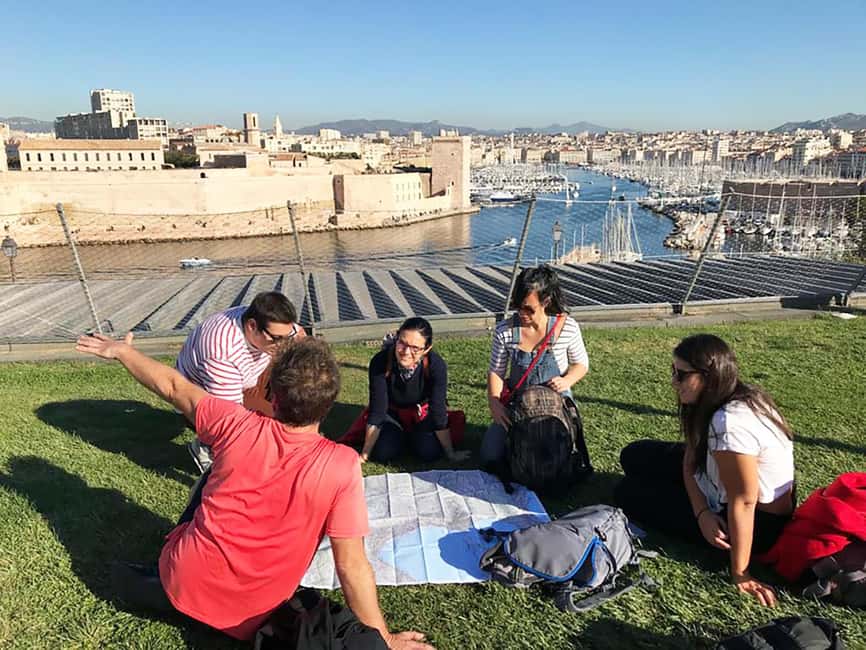
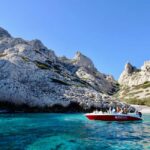
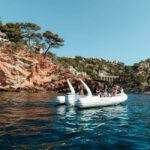
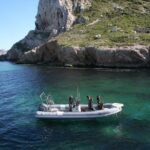
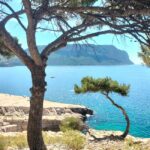
After Vallon des Auffes, the route heads toward Anse de Malmousque, then continues on to Anse de La Fausse Monnaie. Both are approached with photo stops, guided storytelling, and scenic walks along the coast.
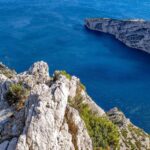
These bays are where the tour earns its “urban hike” label. The walking is part of the experience: you’re seeing Marseille’s coastline in pieces—promontories, bends in the water, and small marine pockets that don’t show up in the shortest city tours. The guide’s role is key here. You don’t just pass by; you learn what to notice.
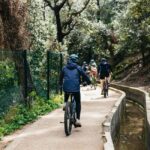
Then you move toward Chemin du Bois Sacré, which shifts you away from the open sea views and into calmer inland walking through quiet park areas. That change of pace matters. It gives your body a break from the constant slope feel and gives your mind a moment to reset before the climb.
Monument aux morts de l’Armée d’Orient: a pause with meaning
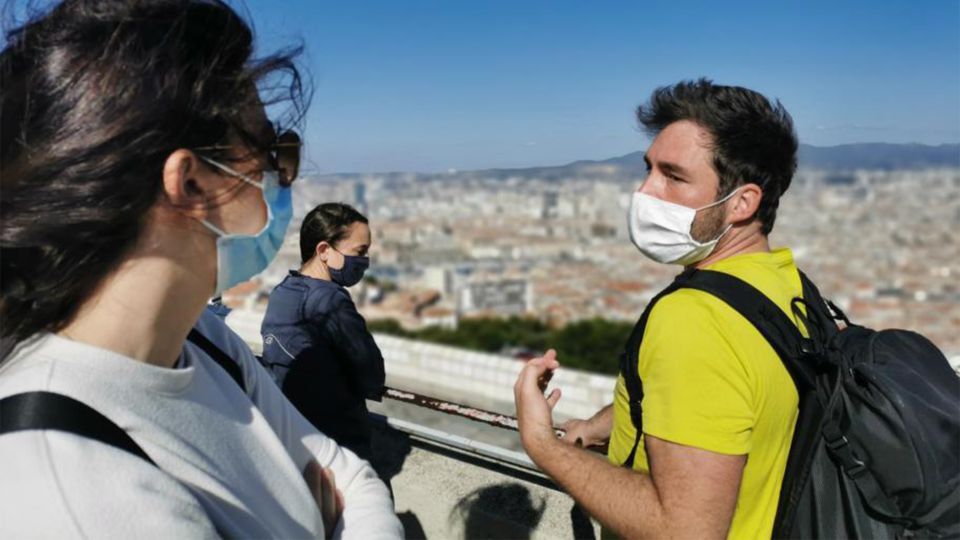
At Monument aux morts de l’Armée d’Orient et des terres lointaines, you’ll stop briefly for a photo moment. It’s only a short stop, but it adds an important layer: Marseille isn’t only a coastal city of leisure. It’s also a city that remembers.
Even when time is limited, this kind of stop prevents the tour from becoming just “pretty views.” It helps you understand how the city’s story includes conflict, migration, and long reach—especially when your guide connects it to the city’s broader identity.
You can also read our reviews of more hiking tours in Marseille



Chemin climbs and a secret stop: when the walk gets interesting
As you keep moving, you’ll reach Chemin du Bois Sacré and then a longer “secret stop” section. Expect guided walking plus photo and sightseeing time, lasting about 40 minutes. This longer segment is where your guide can show you a side of Marseille that you probably wouldn’t stumble into on your own.
This is also where the tour leans into the off-the-beaten-path feel many hikers highlight. The guide isn’t just steering you to famous points. They’re using side streets and less obvious areas to help you understand the city’s geography and neighborhood differences.
Notre-Dame de la Garde: the climb that pays off
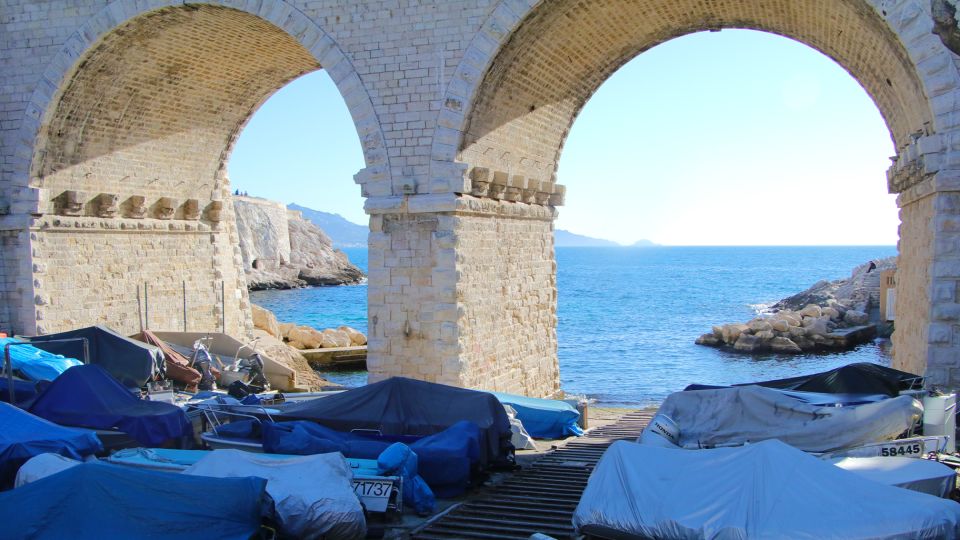
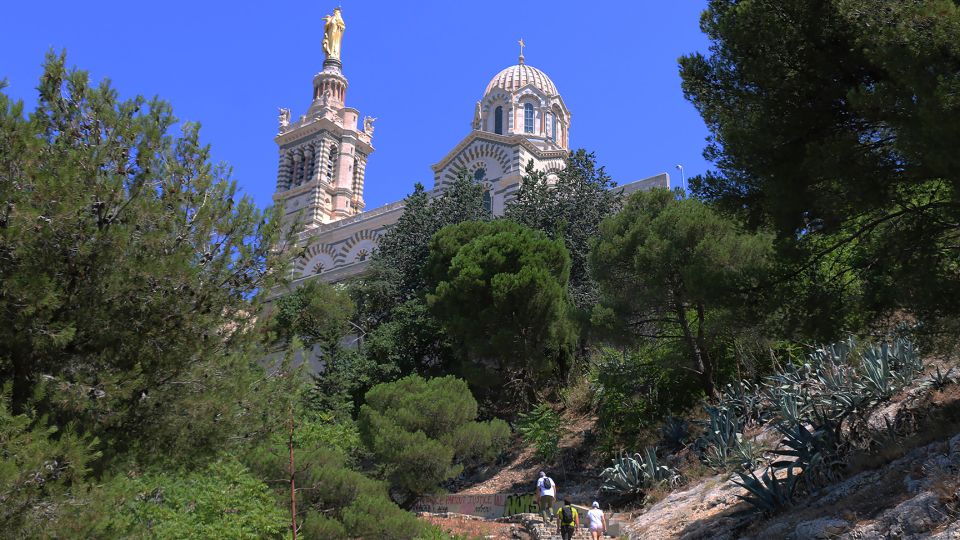
Eventually, you make your way to Notre-Dame de la Garde, the big summit moment. You’ll have a photo stop, a guided visit, plus time for self-guided exploring. This is where you should slow down mentally, even if you’re moving at a steady pace physically.
Why this stop matters: it’s the end of the tour’s “sea-to-height” story. When you reach the Basilica views, Marseille becomes a map in real time—ports, neighborhoods, and the shape of the coastline all show up at once.
Some hikers note this is the highest point feel that makes the hike feel worth the effort. If you’ve been wondering how Marseille works as a city that hugs water and climbs hills, this viewpoint does that job fast.
Practical note: bring sunscreen even if it’s cool. The walk includes sun exposure, and sunscreen is included, but it’s still smart to use it early.
Boulevard André Aune back toward the Old Port: closing the loop
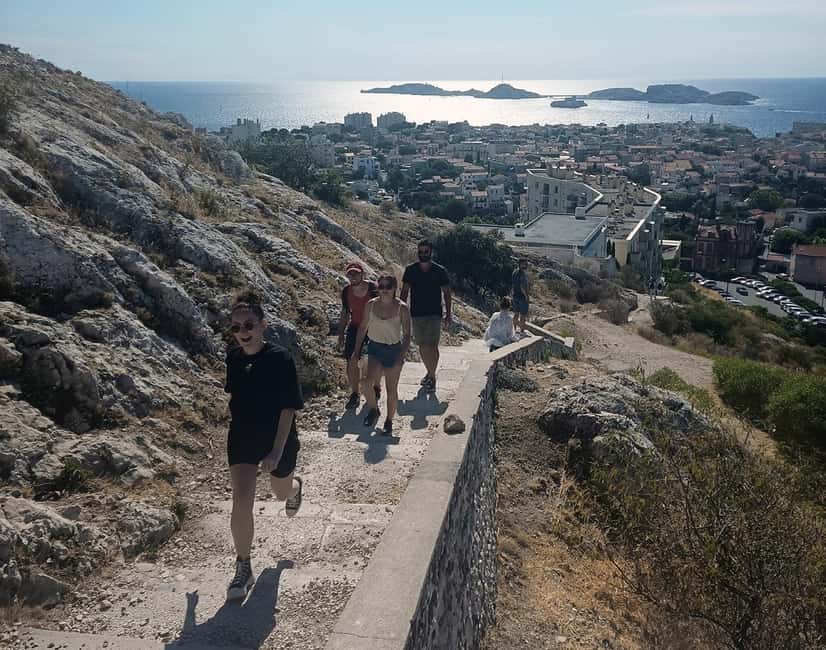
After Notre-Dame de la Garde, the tour moves along Boulevard André Aune with photo stop, guided tour, and walking/pass-by time. This section helps stitch the experience together—going from summit back into city streets without losing the narrative thread.
Finally, you return to the Old Port of Marseille with a short free time window. It’s not long, so use it intentionally: grab a quick bite or drink (since water isn’t included), or just sit for a few minutes and let the views you climbed for settle in.
Pace, comfort, and what $46 buys you
For about 210 minutes and small-group size (up to 10), $46 feels fair when you compare it to what you actually get: a live guide, 8 water points across the route, and sunscreen. The guide is the main value, because they connect the physical walk to culture, heritage, and how neighborhoods differ.
That said, the tour doesn’t pretend it’s easy. Feedback highlights uneven steps, steep sections, and a real walking day—some hikers report around seven miles of pavement, asphalt, and stair work. If you’re the type who avoids stairs, this may sound like a bad idea on paper. If you’re okay with effort in exchange for views and context, it lands perfectly.
Also keep in mind: the route can run past 3.5 hours when the weather is nice and conversation runs long. So don’t schedule a tight “must be somewhere at X” plan right after.
Who this Marseille urban hike is for (and who should skip it)
This tour is a great match if you want a guided walk that connects history and neighborhoods to what you’re seeing right now. You’ll probably enjoy it most if you like:
- asking questions and getting local explanations in real time
- spending your “Marseille time” on foot instead of only at stops by taxi
- trading comfort for payoff: views from up high, plus calmer inland pockets
It’s not a good fit if:
- you need mobility-friendly routing (it’s not suitable for people with mobility impairments)
- you’re traveling with kids under 7
- you want a no-effort walk or flat route
What to bring so the day stays fun
Even with 8 water points and sunscreen provided, you still need to show up ready to walk. Bring:
- Comfortable shoes (the kind you trust on uneven pavement and steps)
- Sunscreen
- Water (the tour includes water points, but you’ll still feel better carrying your own if you get thirsty)
And mentally plan for sun, wind off the sea, and hills. Marseille rewards people who pace themselves rather than people who sprint ahead.
Should you book this Marseille urban hike?
If your goal is to understand Marseille as a set of neighborhoods with a coastline and a climb—then yes, book it. The value is strong because you’re paying for a guide who connects the city’s layers while you walk real routes: harbors, bays, parks, and then the big viewpoint at Notre-Dame de la Garde.
Skip it if stairs and steep uphill walking will ruin your day, or if your mobility needs make uneven terrain a problem. For everyone else who’s okay with effort, this is the kind of tour that changes how you see the city long after you return to the Old Port.
FAQ
What’s the meeting point for the tour?
Meet in front of Burger King at the intersection of La Canebière and the Quai des Belges. The guide will be dressed in hiking gear and will have a backpack.
How long is the walk?
The duration is 210 minutes (about 3.5 hours). In nice weather, it can sometimes run longer.
How big is the group?
It’s a small group limited to 10 participants.
What languages do the guides speak?
The live tour guide speaks French and English.
What should I bring?
Bring comfortable shoes, sunscreen, and water.
Is the tour suitable for everyone?
It’s not suitable for children under 7 and not suitable for people with mobility impairments.