REVIEW · MARSEILLE
Marseille: Old Port to Cité Radieuse Rooftop Tuk-Tuk Tour
Book on GetYourGuide →Operated by Claire Boucher · Bookable on GetYourGuide
Marseille after dark can feel like several cities at once: a medieval port, a windblown Mediterranean coast, a waterworks museum underground, and a modernist rooftop under the stars. This private four-hour tour ties those pieces together, beginning and ending at Fort Saint-Jean.
I like the mix of open-air sightseeing and odd little stories, especially the electric tuk-tuk ride along Corniche Kennedy and the torchlit tunnels beneath Palais Longchamp. The rooftop astronomy session at Cité Radieuse also gives the evening a memorable finish. The main concern is reliability: two verified bookings dated August and October 2025 report that the provider failed to appear and did not answer the phone.
In This Review
- Key points to know
- A Marseille evening that connects fort, sea, tunnel, and stars
- Fort Saint-Jean and the MuCEM Gardens at golden hour
- Corniche Kennedy by electric tuk-tuk
- Sainte Marie Lighthouse and the Old Port after dark
- Hôtel de Cabre and Marseille’s oldest house
- Torchlight beneath Palais Longchamp
- Stargazing on Le Corbusier’s Cité Radieuse rooftop
- What $171 per person really buys you
- Who will enjoy this Marseille tour most
- Practical advice before you go
- Should you book it?
- FAQ
- Where does the tour begin and end?
- How long is the experience?
- What languages are available?
- Is the tour private?
- Is hotel pickup included?
- What should I bring?
- Are children allowed on the tour?
- Is the tour suitable for wheelchair users?
Key points to know
- Fort Saint-Jean at sunset: Walk through the MuCEM Gardens for broad views of the Old Port and sea.
- Corniche Kennedy by electric tuk-tuk: Feel the evening air while passing Vallon des Auffes, the Frioul Islands, and the Monument aux Morts de l’Armée d’Orient.
- Sainte Marie Lighthouse: See the harbor entrance in a quieter, moonlit setting and hear about its role in Marseille’s maritime past.
- Palais Longchamp underground: Explore old water tunnels by torchlight, a cool change from the warm stone and sea air above.
- Cité Radieuse stargazing: Use telescopes with a local astronomer on Le Corbusier’s rooftop.
- Important caution: The listed rating is 1 out of 5 from three reviews, with two accounts of a no-show and unanswered calls.
A Marseille evening that connects fort, sea, tunnel, and stars
This is not a standard city circuit. You are not simply ticking off Marseille’s major sights from a van. The route links places with very different moods, and the private format lets a live guide explain the stories as you go.
The tour lasts four hours and uses Fort Saint-Jean as both the meeting point and return point. That arrangement works well if you are staying near the Old Port, but it means you must make your own way there. Hotel pickup and drop-off are not included.
The transport is an electric tuk-tuk. It is smaller and more exposed than a regular vehicle, which is exactly the point. You get a better feel for the sea air and the city’s evening temperature, though warm clothing matters. The route also includes walking on uneven historic ground and in underground passages, so comfortable shoes are essential.
The experience is offered in French or English and is set up as a private group. That gives you a more personal setting than a large coach tour, but the price reflects it: $171 per person is a serious expense for four hours. You are paying for a private guide, unusual access, tuk-tuk transport, a storyteller, and an astronomer rather than for a long list of museum admissions.
You can also read our reviews of more tours and experiences in Marseille.
Fort Saint-Jean and the MuCEM Gardens at golden hour
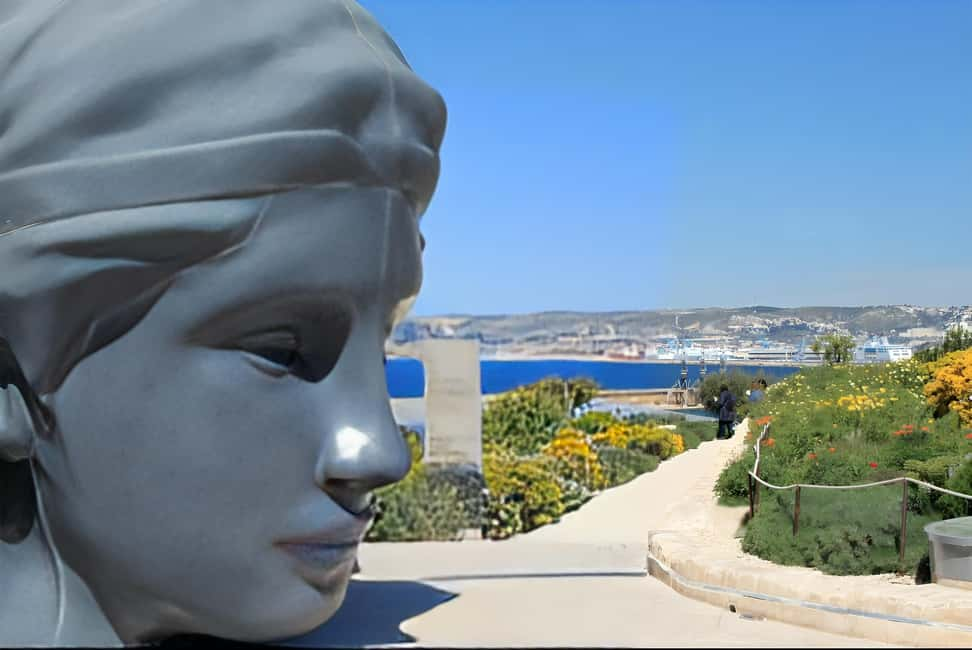
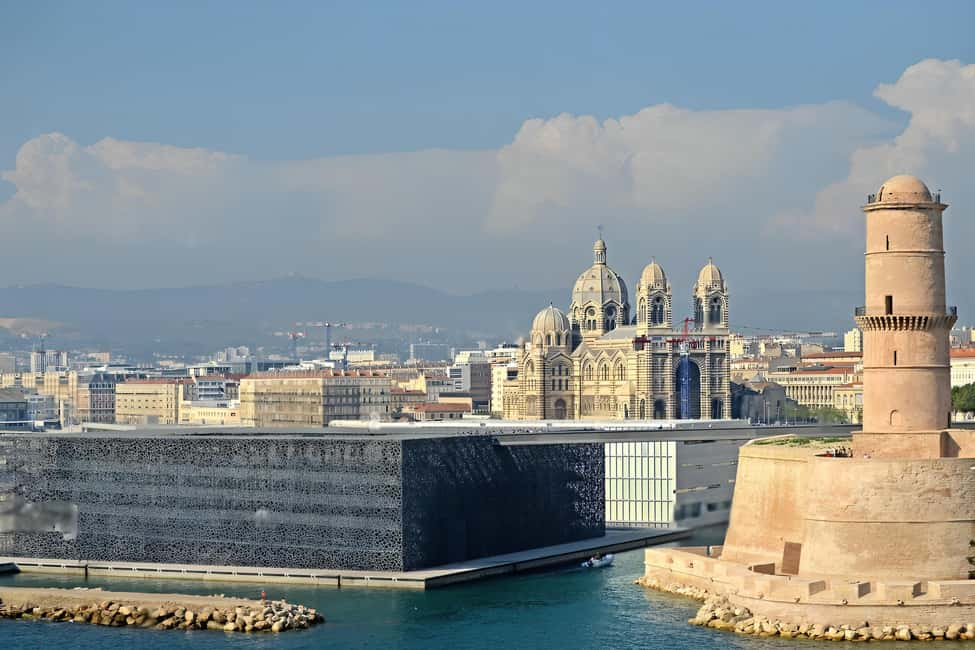
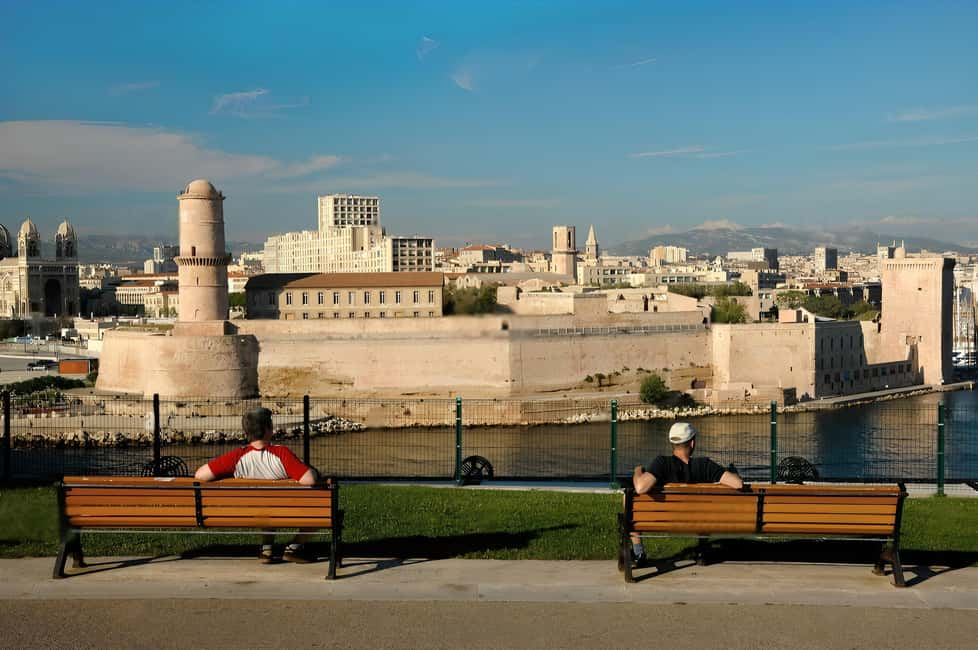
Fort Saint-Jean guards the entrance to Marseille’s Old Port. Its origins reach back to the 12th century, and the stone walls still give the opening part of the tour a strong sense of place.
At sunset, your guide takes you through the upper levels and the Jardin des Migrations, also called the MuCEM Gardens. Mediterranean plants fill the garden areas, and the high position gives you wide views over the port and the water. This is a good first stop because it lets you get your bearings before the ride begins.
The footbridge linking Fort Saint-Jean with MuCEM is one of the evening’s most photogenic sections. Rudy Ricciotti’s modern museum building takes on a different character once it is lit, with its dark geometric exterior contrasting against the old fortifications.
You should allow time for photographs here, but do not expect a long museum visit. Entrance fees to museums are not included, and the tour focuses on the fort, gardens, views, and architecture rather than a full MuCEM collection visit.
The fort involves walking and changes in level. That is part of its appeal, but it also explains why this outing is not suitable for wheelchair users or people with mobility impairments. Children under 10 are not permitted.
Corniche Kennedy by electric tuk-tuk

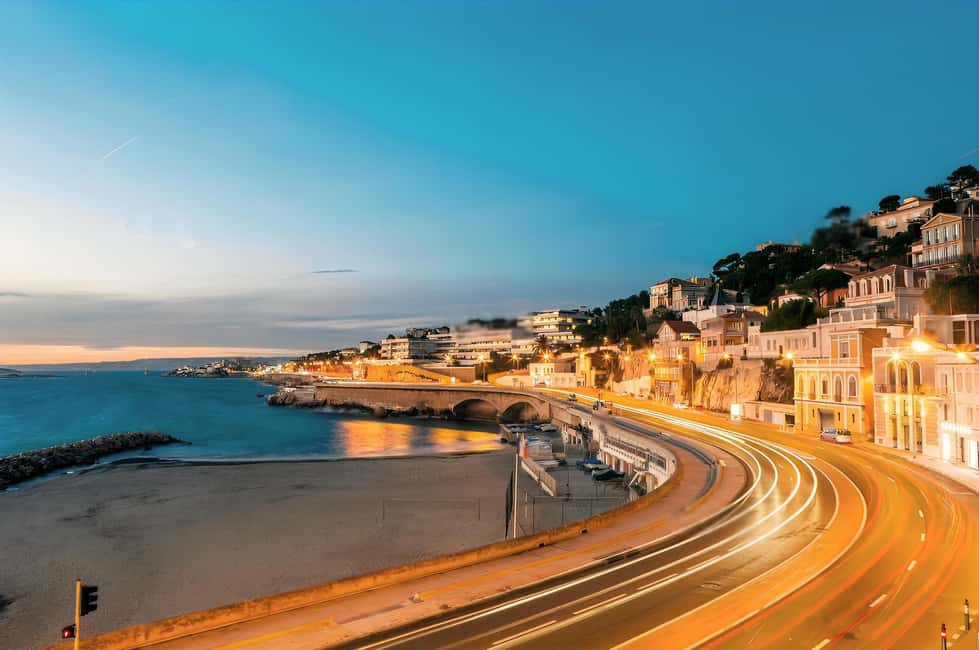
After the fort, the evening moves from stone walls to open sea. The electric tuk-tuk carries you along Corniche Kennedy, Marseille’s celebrated coastal road.
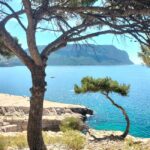
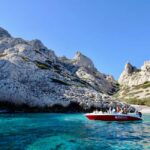
This is one of the tour’s strongest sections. The vehicle keeps you close to the air and the sound of the water, while the route opens views toward rocky outcrops, the Calanques, and the Frioul Islands in the distance. The ride is scenic rather than rushed, giving the guide room to point out places that are easy to miss from a larger vehicle.
The open design has a tradeoff. The sea breeze that makes the ride special can feel cold after sunset. Bring warm clothing even if the afternoon has been hot. A camera is worth carrying, but keep it secure during the ride and remember that flash photography is prohibited in certain areas.
You pass Vallon des Auffes, a small traditional fishing cove tucked into the coast. Its compact harbor and old fishing character offer a nice contrast to the broad road and open water. The route also passes the Monument aux Morts de l’Armée d’Orient, dedicated to soldiers from the First World War.
This section gives you the kind of Marseille view that is difficult to get from the center alone. You see the city from the sea edge, with the road, cliffs, islands, and harbor working together. If your main aim is a long coastal drive, note that this is only one part of a varied evening. The tour soon turns back toward historical sites.
Sainte Marie Lighthouse and the Old Port after dark
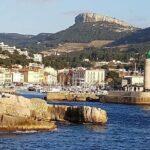
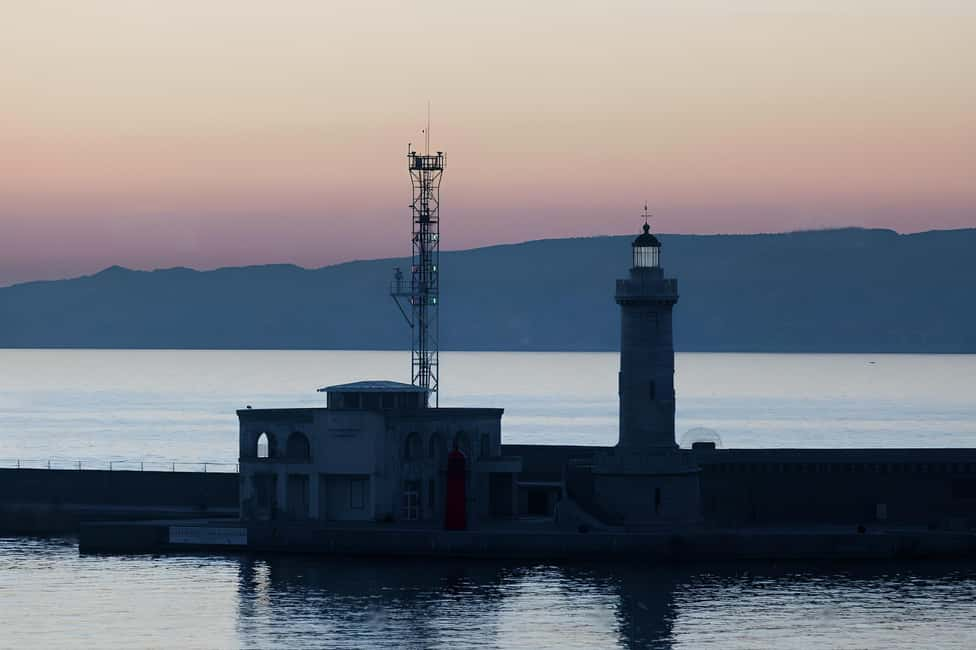
The Phare de Sainte Marie marks the entrance to the harbor. It is a small lighthouse, and the visit is more about atmosphere, views, and explanation than a major interior attraction.
At night, the lighthouse offers a fresh angle on the Old Port. The water, harbor lights, and Mediterranean air create a quieter pause after the tuk-tuk ride. Your guide explains the lighthouse’s importance to Marseille’s maritime life, helping you understand why this modest structure matters.
This stop should appeal to anyone who likes working waterfronts and small details. It is easy to focus only on the Old Port’s restaurants and boats, but a lighthouse at the harbor entrance tells you how the port functions and how ships approach the city.
Do not expect food or drinks to be provided here. They are not included anywhere on the tour, so plan accordingly before you arrive. The four-hour schedule may leave little room for a proper meal, and the experience is designed around movement and guided stops rather than a dinner break.
Hôtel de Cabre and Marseille’s oldest house
The tour also includes ghost stories connected with the Hôtel de Cabre, described as Marseille’s oldest house. This adds a more personal and slightly eerie thread to the evening.
The building’s appeal is not only its age. Stories attached to an old house help turn architecture into something easier to remember. Rather than hearing a dry list of dates, you get a local tale linked to a real structure in the city.
The available information does not specify how long you spend at the Hôtel de Cabre or whether the visit includes an interior entry. Treat it as a storytelling stop, not a full house tour. The local storyteller is part of the experience, and this portion will suit you best if you enjoy folklore alongside formal history.
It also gives the itinerary some variety. Fort Saint-Jean presents military Marseille, the lighthouse presents maritime Marseille, and Hôtel de Cabre brings the city down to the level of one old home and its stories.


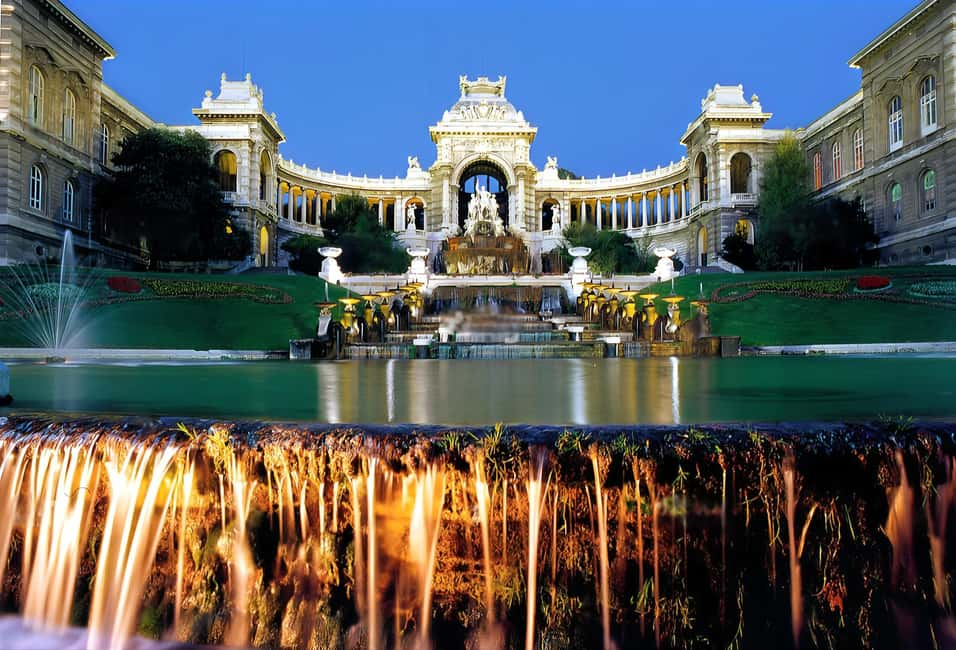
Torchlight beneath Palais Longchamp
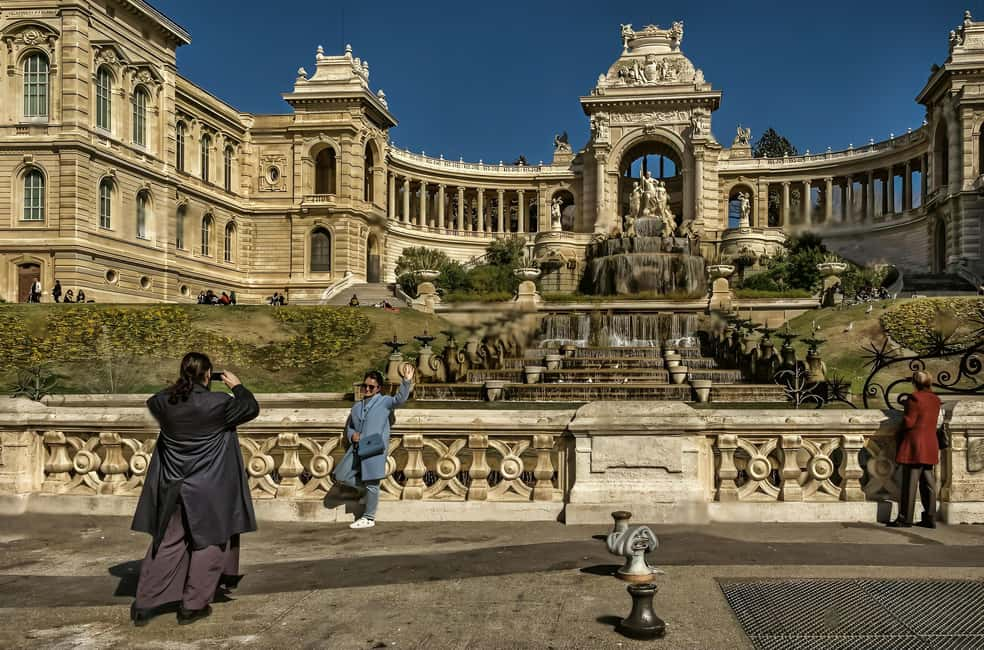
The most unusual stop comes beneath Palais Longchamp. Above ground, the palace is known for its grand architecture and fountains. Below ground, the tour explores old water tunnels connected with the 19th-century Marseille Canal.
You enter with a local guide and a torch. The passages are cool, dark, and atmospheric, offering a sharp contrast to the sea breeze and sunset light earlier in the evening. Your guide explains how the tunnels once helped bring fresh water to Marseille.
This is a useful piece of urban history because it connects the palace to a practical city problem. Grand fountains are easy to admire, but the water system behind them explains how Marseille supported its growing population. The underground setting makes that story feel more immediate.
The tunnels are also the part of the tour that requires the most care. Wear shoes you can walk in comfortably, and expect conditions that may be damp, uneven, or confined. The information specifically rules out people with mobility impairments and wheelchair users. Smoking is not allowed.
After emerging, you can look back at Palais Longchamp under the stars. That transition, from a dark water passage to the illuminated palace, is likely to be one of the evening’s most memorable visual moments.
Stargazing on Le Corbusier’s Cité Radieuse rooftop
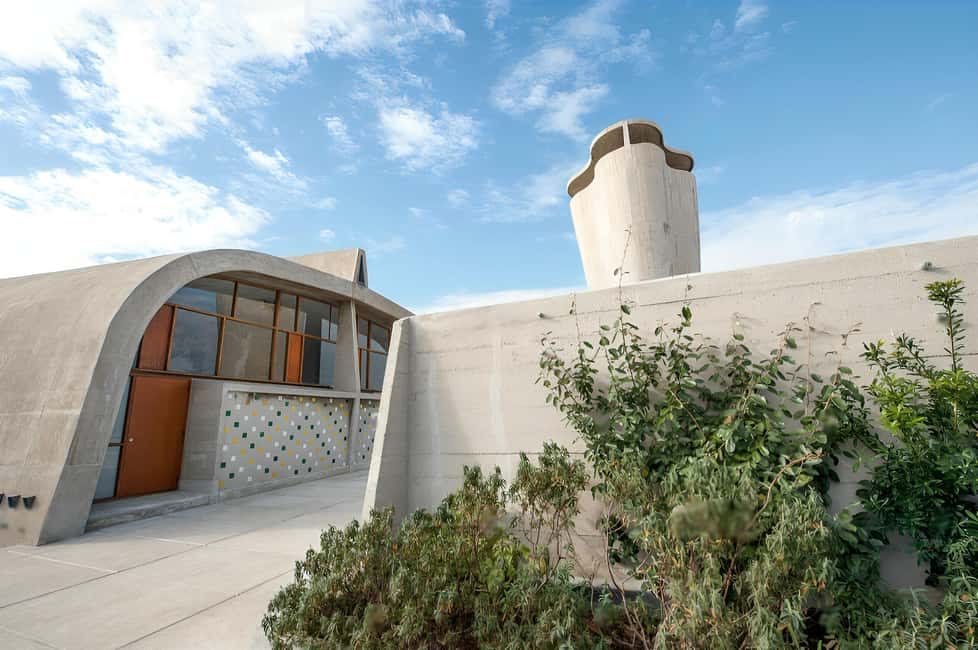
The final stop is the rooftop of Cité Radieuse, Le Corbusier’s famous modernist housing project. The building is often called La Maison du Fada, or the Madman’s House, and is recognized as a major work of post-war architecture.
The rooftop changes mood after nightfall. Its simple concrete forms create a spare setting for looking upward, while Marseille’s skyline and the surrounding darkness frame the experience. A local astronomer helps you use telescopes to observe stars, planets, and constellations.
This is a strong ending because it moves the tour beyond sightseeing. You are not just looking at a building, you are using its rooftop as a platform to look out into space. The astronomy session also gives the guide team a clear specialist role, separate from the local stories and city history earlier in the evening.
The available details do not promise specific planets or constellations on a given date. What you see will depend on the night sky. Bring warm clothing, since the rooftop can feel exposed after sunset, and follow the no-flash rule in areas where it applies.
If modern architecture is important to you, this stop alone may justify choosing the tour over a routine Old Port walk. If you prefer traditional buildings only, the Cité Radieuse may feel like a sudden change of subject. That contrast is intentional: Marseille’s identity includes both old stone and bold 20th-century design.
What $171 per person really buys you
At $171 per person, this is not a budget way to see Marseille. You are paying for a four-hour private group experience with a live guide, electric tuk-tuk transport, a local storyteller, and an astronomer. The route also includes several settings that are not part of a basic Old Port stroll.
The value is strongest if you would otherwise pay for separate activities. A coastal ride, a fort visit, a history walk, an unusual underground stop, and a rooftop astronomy session would be difficult to combine on your own in one evening.
The value is weaker if you mainly want transportation between famous sights. You do not receive hotel pickup, food, drinks, or museum entrance fees. You also begin and end at Fort Saint-Jean, so you need to organize your own route back to your hotel afterward.
The private format matters. You can ask questions, spend more time on a point that interests you, and hear the stories in a smaller setting. For a special occasion, that can make the price feel more reasonable.
Still, the provider’s service record is the first thing I would consider before paying. The activity currently carries a 1 out of 5 rating from three reviews. Two verified bookings, one from Spain dated August 3, 2025 and one from the United States dated October 17, 2025, describe the same serious problem: nobody arrived at the meeting point, and the company did not answer the phone. One customer said the experience spoiled a birthday gift, while the other was trying to recover 290 euros.
Those reports do not describe the quality of the sightseeing itself. They do raise a basic operational concern. I would confirm the meeting details and provider contact before the cancellation deadline, keep all booking records, and avoid building an important birthday or final-night plan around this outing unless the operator responds clearly.
Free cancellation up to 24 hours before departure and the option to reserve now and pay later reduce some financial risk, but they do not solve the problem of a no-show on the day. Pay attention to the latest operating information before committing.
Who will enjoy this Marseille tour most
I would consider this for an adult or older-teen couple, a small family group with children aged 10 or older, or friends who want a private evening with several different themes.
It is especially well suited to you if you like:
- Coastal views but do not want a standard sightseeing bus
- Local legends and unusual city stories
- Historic engineering and underground spaces
- Modern architecture as well as medieval sites
- A guided astronomy session
- A compact private experience rather than a large group outing
It is less suitable if you have mobility limitations, use a wheelchair, dislike enclosed spaces, or want a relaxed meal during the evening. Children under 10 cannot join, and the walking, stairs, tunnels, and rooftop setting demand sensible footwear and warm clothes.
The tour also suits a first evening in Marseille because it offers several ways to understand the city. You see the port from the fort, the coast from the tuk-tuk, the harbor from the lighthouse, the water system below the palace, and the skyline from a modernist rooftop.
Practical advice before you go
Meet at Fort Saint-Jean and allow enough time to find the exact starting point. The activity does not include hotel transport, so check your route before the evening begins.
Wear comfortable walking shoes. You will move through fort grounds, gardens, city sites, tunnels, and a rooftop. Bring a warm layer even in summer, since the tuk-tuk and rooftop are open to the evening air.
Bring a camera, but do not use flash where it is prohibited. Smoking is not allowed during the tour.
The guide speaks French or English. The experience is private, and the tour includes a local guide, a storyteller, and an astronomer. Museum entrance fees, food, and drinks are extra and not part of the package.
Because of the two reported no-shows, I would also save the provider’s contact information, confirm the appointment shortly before departure, and keep proof of payment. The provider is listed as Claire Boucher, but no separate guide name is supplied.
Should you book it?
The itinerary itself is imaginative and well balanced. I like the combination of Fort Saint-Jean, Corniche Kennedy, Sainte Marie Lighthouse, Hôtel de Cabre, Palais Longchamp’s tunnels, and Cité Radieuse. You get sea views, architecture, local stories, practical history, and stargazing in one evening.
But I would not book without first checking that the operator is actively confirming departures. The two no-show reports are too serious to brush aside, especially at $171 per person.
Book it only if you receive a clear confirmation and the unusual mix matches your interests. If the provider remains unreachable, choose a more dependable way to explore Marseille. The city offers plenty to see, but no sunset, tuk-tuk ride, or telescope session is worth standing alone at Fort Saint-Jean with no guide in sight.
FAQ
Where does the tour begin and end?
The tour begins at Fort Saint-Jean and returns there after approximately four hours.
How long is the experience?
The tour lasts four hours.
What languages are available?
The live tour guide is available in French and English.
Is the tour private?
Yes. The activity is organized for a private group.
Is hotel pickup included?
No. Hotel pickup and drop-off are not included, so you must reach Fort Saint-Jean yourself.
What should I bring?
Bring comfortable walking shoes, warm clothing for the evening, and a camera.
Are children allowed on the tour?
Children under 10 years old are not permitted.
Is the tour suitable for wheelchair users?
No. The activity is not suitable for wheelchair users or people with mobility impairments.