REVIEW · MARSEILLE
Hiking in the Calanques National park from Marseille
Book on Viator →Operated by Planetazur · Bookable on Viator
This walk is built for people who want the Calanques without the guesswork. You get included transport from Marseille, plus a guided route that helps you find the trails (and the trickier bits) in a national park that’s easy to misread on your own. If you land a guide like Alex, Adrien, Jade, Ismael, or Freddy, the hike tends to feel both safe and fun, not just scenic.
Two things I really like: the panoramic viewpoints that break up the effort, and the mid-hike snack and picnic-style pause that keeps the energy up for the next descent. The one thing to consider is that the route can be steep and rocky, and it may include chain-assisted sections—so you’ll want solid footwear and a mindset for uphill/downhill walking.
In This Review
- Key highlights worth your attention
- Calanques National Park from Marseille: what this hike gets right
- What kind of hike is it, really?
- Starting point in Luminy: the easiest way to begin
- How transport helps (and what it does not)
- Parc National des Calanques: the “route-finding” benefit you pay for
- Early views set expectations
- Calanque de Morgiou: classic sea cliffs and a real hiking feel
- Morgiou as a “trust the guide” moment
- Sugiton descent: viewpoints, steep steps, and hand-help sections
- Calanque of Saint John of God: where the scenery slows you down
- Grande Candelle (climbing without team): fun, but don’t fake confidence
- Picnic snack and sea-time: the part that makes the effort worth it
- Swimming: plan for it even if you’re not sure you’ll do it
- What to pack for this Calanques hike (so you don’t suffer in silence)
- Price and value: $42.34 for a 5-hour small-group day
- Who should book this hike, and who should think twice
- Should you book this Calanques hike with Planetazur?
- FAQ
- FAQ
- How long is the Calanques hike?
- What does the price include?
- Is bottled water included?
- What language is the tour offered in?
- How many people are in the group?
- Where do I meet the group?
- What fitness level do I need?
- Do I get a ticket on my phone?
- What should I bring?
- What’s the cancellation policy?
Key highlights worth your attention
- Transport from Marseille included so you’re not fighting bus timing before the hike
- Small-group feel (capped around 15 people, with a total max of 20) so the guide can keep the pace together
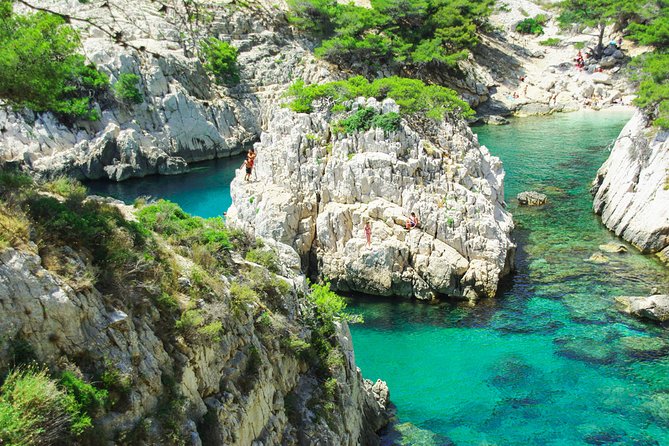
- Trail variety in one morning: viewpoints, calanques like Morgiou and Sugiton, plus the return walk back
- Picnic snack stop mid-route with sharing snacks provided by the guide
- Steep, sometimes rocky terrain where the guide’s route choices matter for safety and comfort
- Swimming is often part of the day once you reach the calanque area (bring swim-ready items if you have them)
Calanques National Park from Marseille: what this hike gets right
If you’re short on time in Marseille, the Calanques can feel like a huge ask. You’ve got steep paths, confusing turns, and rocky ground that changes underfoot. This hike earns its place by removing the two hardest parts for first-timers: getting to the right starting area and navigating the trail so you don’t spend the morning second-guessing every fork.
I also like the pacing idea behind the day. You’re not only walking from view to view—you’re walking, stopping, and resetting. That snack/picnic break is not just food. It’s a rhythm check: you catch your breath, take photos without rushing, and then you’re ready for the descent and the sea-time portion.
You can also read our reviews of more hiking tours in Marseille
What kind of hike is it, really?
Expect roughly 5 hours (some days can come in closer to 4 depending on conditions). The distances people reference are often in the ballpark of 8 to 8.5 miles / about 8.5 km, with a lot of up-and-down walking. The terrain is described as moderate for fitness, but that does not mean easy. Several guides emphasize steep grades and occasional rocky trouble spots.
So here’s the practical translation: you don’t need to be a marathon hiker, but you do need to be comfortable with hills, uneven ground, and a few sections where you’ll use hands for balance.
Starting point in Luminy: the easiest way to begin
The meeting point is 184 Av. de Luminy, 13009 Marseille, right by the University of Aix-Marseille. If you’re using transit, it’s described as near public transportation, and the walk starts from a campus area next to the park.
You should plan for a 9:45 am meeting at the park gate in front of the school of fine arts. That timing matters because Calanques hikes are one of those things where showing up a little late can turn the day into a stress test. Get there early, even if you’re just standing around with coffee and waiting for your group. It beats arriving while everyone else is already moving.
How transport helps (and what it does not)
One of the best value points here is transport coordination from Marseille. It’s specifically designed to skip the hassle of figuring out bus routes on your own. Still, the tour fee does not list bottled water or drinks as included, and transport details like where you board can be tight to the exact day.
My advice: treat this as a smooth start, but don’t assume the day is fully handled. Bring what you normally would for a hike—especially water plans (more on that below).
Parc National des Calanques: the “route-finding” benefit you pay for
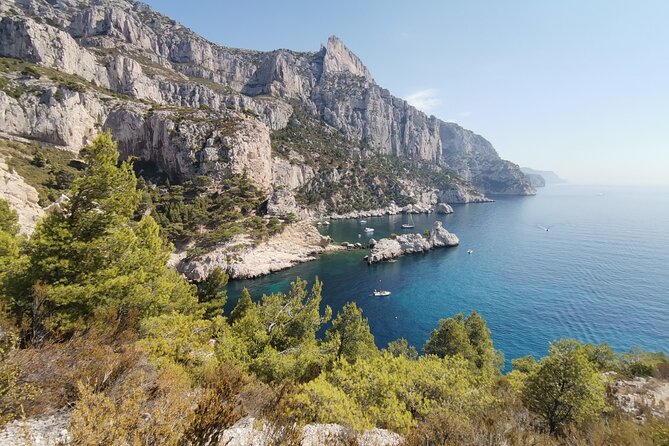
The Calanques are visually dramatic, but the real magic is how fast the terrain changes once you’re on the trails. One minute you’re getting a view and the next you’re working your way down. If you’re hiking alone, that transition can be where things go wrong: the path can be harder to spot, and the ground can be slick or loose.
That’s why a guide is the point of this experience. You’ll follow trails that connect key calanques, and you’ll also get help with sections that might be tricky to find as a tourist alone. In practice, that means you lose less time and you spend more time actually in the park.


Early views set expectations
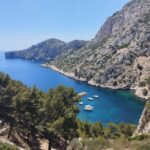
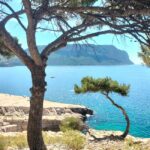
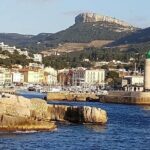
You start with Parc National des Calanques and then move through iconic areas. Even when the walking feels like “just” getting to the next viewpoint, those early perspective breaks are part of the experience. You get chances to photograph the cliffs and coastline without feeling like you’re going straight from strain to swim with no mental reset.
Calanque de Morgiou: classic sea cliffs and a real hiking feel
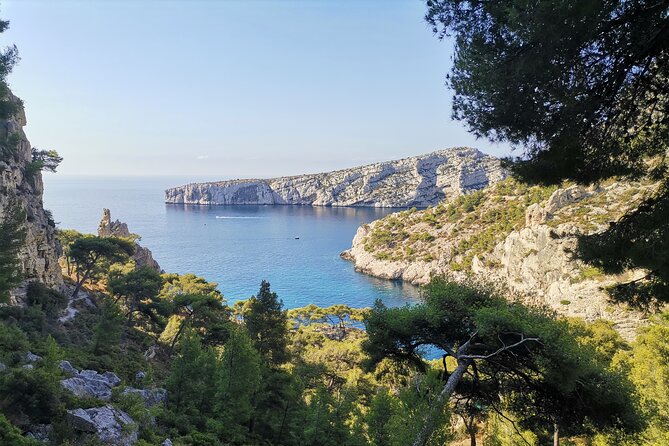
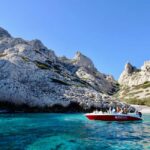
One stop on your way is Calanque de Morgiou. This is the kind of place where the name on a map becomes real once you’re standing near the water and looking at the cliff walls. The hike here is not a stroll—expect uneven patches and working legs on climbs and descents.
What you should take seriously: your feet will be doing most of the thinking. The area can include loose shale and slippery rock, especially on the downhills. Several hikers stress that going downhill gives you less control than going up, so the shoes you choose matters more than you think.
Morgiou as a “trust the guide” moment
If you’ve ever tried to follow a trail in rocky terrain, you know how easy it is to go slightly wrong and then spend time correcting. Morgiou is one of those places where staying on the intended route is a big deal. A guide keeps the group together, reads the terrain, and helps avoid the kind of off-path improvisation that can turn an enjoyable descent into a slippery scramble.
Sugiton descent: viewpoints, steep steps, and hand-help sections
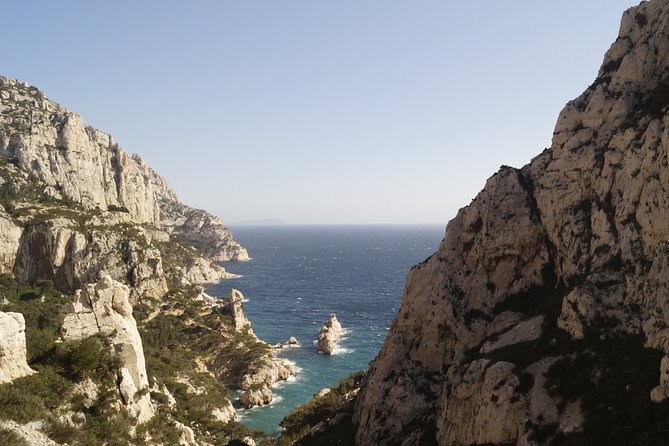
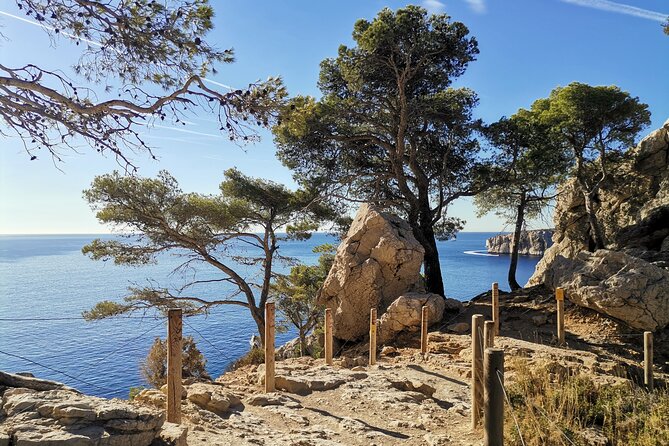
Your day includes a viewpoint of the Calanques and then a descent toward Sugiton. This is often where the hike becomes memorable in a physical way—steep, dramatic, and sometimes a bit technical. People mention occasional rocky parts and chain-assisted movement in certain sections.
Let’s translate that into your planning:
- Wear shoes with good grip.
- If you use trekking poles, bring them. They can help with balance on steep ground.
- Don’t treat this as a casual walk in sneakers with smooth soles.
If you’re hoping for top-down photos of every calanque, here’s a heads-up: one feedback note flagged that the route may not deliver as many prolonged above-the-cliffs photo moments as some people expect. Conditions and safety adjustments can also change what gets emphasized. If your top priority is aerial-style views, it’s worth asking what viewpoint time looks like on the specific day before you commit.
Calanque of Saint John of God: where the scenery slows you down
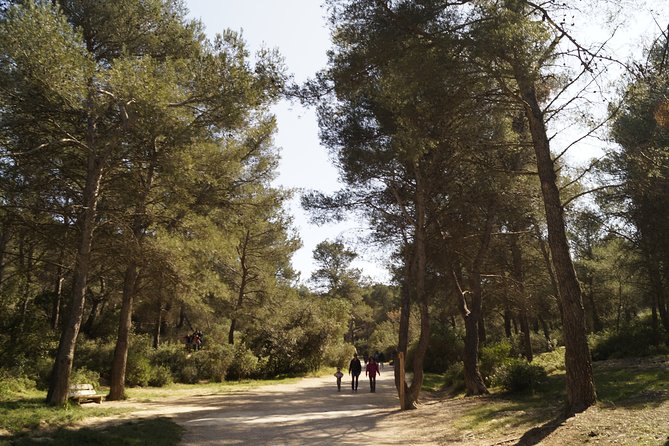
Another named stop is Calanque of Saint John of God. Calanques days tend to move fast once you start descending, so this kind of location works well for the in-between phase: you reach a spot that’s photogenic, you pause, and then you continue.
This is also where a guide’s interpretation adds value. Several guides in the program style focus on how you’re supposed to look at the park—small details like local flora and what you can notice along the trail. If you get a guide like Yana or Adrian, the tone often turns into a friendly walk-with-a-naturalist vibe, not a lecture.
Grande Candelle (climbing without team): fun, but don’t fake confidence
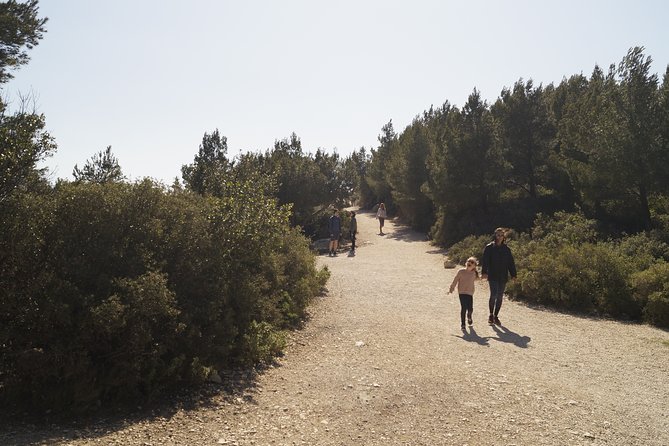
Your route includes Grande Candelle described as climbing without team. That wording is important. You’re not in a fixed-rope climbing course with professional gear, but you may be doing hands-on scrambling or short climbing moves that require balance and calm.
If you’ve got that “I can do this” feeling but your knees are questionable, this is the moment to be honest with yourself. Chain-assisted or climb-adjacent segments are exactly where wrong shoes or rushed movement can lead to trouble.
I’d treat Grande Candelle as the hike’s reality check: it’s not just pretty scenery, it’s real hiking movement.
Picnic snack and sea-time: the part that makes the effort worth it
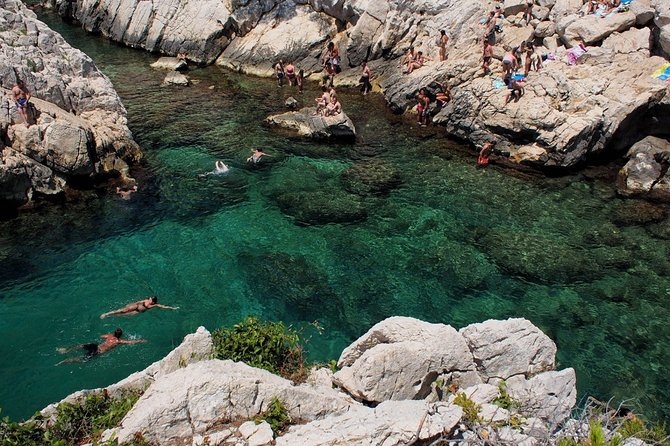
The day builds in a mid-way sharing snack. The guide brings snacks to graze, and you’re welcome to bring items for a sharing picnic. That means you can keep it simple—grab what you like and eat it as a group when you reach the right pause point.
This is also when people tend to feel the day click. Several hikers describe a setup where the hike ends at a swim-worthy calanque, followed by snack time on rocks near the water. Some even mention extra touches like masks for seeing fish, depending on the guide and conditions.
Swimming: plan for it even if you’re not sure you’ll do it
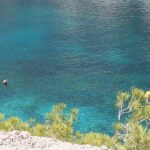
Swimming gear isn’t listed as included, but the experience is repeatedly described as having a chance to swim at the calanque area. So if you’re even mildly tempted, pack like you’ll use it. A dry shirt and a quick way to change can make the last stretch of walking much more comfortable afterward.
And remember: the tour does not include bottled water or drinks. The sea-time break feels great, but dehydration doesn’t care how pretty the view is.
What to pack for this Calanques hike (so you don’t suffer in silence)
Here’s the short list that matches what this route demands.
Footwear
- Shoes with grip for loose, rocky, and sometimes slippery sections.
- If you have them: trekking poles.
Comfort items
- If you use them, bring a small sun layer or hat. You’re outdoors for hours.
- Consider bringing a small towel or something for drying off after a sea break.
Food and drinks
- The guide provides snacks, but bottled water is not included.
- Pack water and any drinks you’ll want. Even if you’re a light water drinker, you’re better off carrying enough for a day in the sun.
Picnic extras (optional)
- Since snacks are shared, you can add your own picnic contribution if that’s your style. If you prefer minimal planning, just bring a snack you like and follow the group rhythm.
Price and value: $42.34 for a 5-hour small-group day
At $42.34 per person for about 5 hours, the price is competitive for what you’re actually buying: transport coordination, guide-led trail navigation in a demanding park, and built-in pauses for panoramic views and snacks.
Where the value shows up most is not the scenery alone. It’s the way you reduce decision fatigue:
- You don’t have to interpret trails on your phone while the ground gets uneven.
- You get a guide to help manage steep sections and route choices.
- You get a group pace and stops planned so you’re not figuring out where to eat and when.
The main “not-so-great deal” risk is expectation mismatch. If you expect a mostly easy scenic walk with lots of time to shoot photos from above, you might feel rushed. One negative note specifically complained about not getting the longer above-view photo time they expected. That doesn’t mean the hike is bad—it means you should match your expectations to a hiking day with steep segments and route constraints.
Who should book this hike, and who should think twice
This hike fits best if you:
- Have moderate fitness and are comfortable walking uphill and downhill.
- Want a guided plan to reach major calanques without spending hours figuring it out.
- Like the mix of views plus a chance to cool off in the water.
It’s not ideal if you:
- Struggle with uneven, rocky terrain or steep grades.
- Want an easy, beginner-only trail with minimal technical movement.
- Need lots of sustained time at high viewpoints for photography.
If you’re somewhere in the middle—like you’re okay with hills but anxious about slippery rocks—your best move is to prepare properly with grip shoes and slow, steady steps.
Should you book this Calanques hike with Planetazur?
Yes, I’d book it if your priority is getting into the Calanques in a way that feels controlled: transport from Marseille, a small group, and a guide who keeps the hike moving and the terrain manageable. The panoramic viewpoints, the snack/picnic-style break, and the sea-time opportunity make the effort feel justified.
If your priority is only photography from above, or you’re not ready for steep, rocky movement (including chain-assisted sections), I’d consider whether a different style of hike fits you better—or message the operator ahead of time about how the route handles higher viewpoints on your date.
In short: if you want a real hiking morning with Calanques payoff, this is a strong choice.
FAQ
FAQ
How long is the Calanques hike?
It runs about 5 hours (approximately).
What does the price include?
You get a guide and snacks (with the guide bringing some snacks to share). Transport from Marseille is also included.
Is bottled water included?
No. Bottled water and drinks are not included.
What language is the tour offered in?
The experience is offered in English.
How many people are in the group?
It’s a small-group hike with a maximum of 20 travelers (and it’s described as capped around 15 in the experience highlights).
Where do I meet the group?
Meet at 184 Av. de Luminy, 13009 Marseille, France. If you’re traveling, the meeting is at 9:45 am at the gate of the national park in front of the school of fine arts.
What fitness level do I need?
The hike is for travelers with a moderate physical fitness level.
Do I get a ticket on my phone?
Yes. It’s a mobile ticket.
What should I bring?
Bring your own water and any drinks you want. Since bottled water and drinks aren’t included, it’s smart to plan your hydration. Comfortable hiking footwear is also important.
What’s the cancellation policy?
You can cancel for a full refund up to 24 hours before the experience start time, with free cancellation available as stated in the policy.