REVIEW · PARIS
Paris Museum Pass: 2, 4, or 6 Days
Book on GetYourGuide →Operated by Mon Petit Paris · Bookable on GetYourGuide
Skip the ticket lines in Paris’s best museums. The Paris Museum Pass is built for fast entry, priority access, and a packed hit-list of landmarks and museums across Paris and nearby day trips. You get skip-the-ticket-line benefits at dozens of included sites, so your sightseeing time goes to art, architecture, and views instead of queues.
I especially like that the pass covers both the “must-see” heavyweights and the offbeat stuff you’d never buy tickets for one by one. If you want a Louvre-and-Orsay style trip, you’re covered, and if you’d rather wander into places like Musée Picasso Paris or La Cinémathèque française, you can do that too.
One drawback to plan around: at several major museums, timed reservations are still mandatory (including the Louvre), and even there, entry isn’t always guaranteed during renovations and peak crowds. In other words, the pass helps a lot, but it doesn’t replace smart planning.
In This Review
- Key things that make this pass work
- Why Priority Entry Feels Like a Paris Cheat Code
- Price and Value: When $129 Actually Makes Sense
- Where You Pick Up the Pass Near the Louvre
- Consecutive Calendar Days: The Time Rule That Surprises People
- Skip-the-Line vs Peak Crowds: What to Expect at the Big Sites
- Museum Musts: Louvre, Orsay, Arc de Triomphe, and Orangerie
- Louvre Museum
- Musée d’Orsay
- Arc de Triomphe
- Musée de l’Orangerie
- Art Beyond the Headlines: Rodin, Picasso, Cluny, and More
- Musée Rodin
- Musée Picasso Paris
- Musée national du Moyen Âge, Thermes et hôtel de Cluny
- Musée national Eugène Delacroix
- Musée Gustave Moreau
- Musée Picasso, Moreau, Delacroix—why this pairing works
- Architecture, Science, and Design Days You Can Build Around
- Cité de l’Architecture et du Patrimoine
- Cité des Sciences et de l’Industrie
- Musée des Arts et métiers
- Musée du quai Branly
- Musée des Égouts de Paris
- Outside-Paris Day Trips: Versailles, Saint-Denis, Sèvres, Fontainebleau, and Friends
- Versailles (Châteaux de Versailles et de Trianon)
- Basilique cathédrale de Saint-Denis
- Villa Savoye
- Château de Fontainebleau
- Chaalis, Chantilly, Sèvres, and more
- How I’d Plan a 2, 4, or 6-Day Route
- If you have 2 days
- If you have 4 days
- If you have 6 days
- Optional Seine River Cruise: Easy Views, Good Timing
- Who Should Buy the Paris Museum Pass
- Should You Book the Paris Museum Pass?
- FAQ
- How long is the Paris Museum Pass valid?
- Do I need a timeslot reservation for the Louvre?
- Are there other museums that require reservations?
- Where do I pick up the pass?
- Is the Seine river cruise included?
- Do children or young EU citizens need the pass?
Key things that make this pass work
- Skip-the-line and priority entry at 60+ included museums and monuments
- Louvre-area pickup near the Musée du Louvre, open daily from 9:00–16:00
- Pick 2, 4, or 6 consecutive calendar days to match how many days you’ll actually sightsee
- Reservations required for specific top sites like the Louvre and Orangerie
- Outside-Paris day trips included, from Versailles to Saint-Denis and more
- Optional Seine river cruise if that option is selected
Why Priority Entry Feels Like a Paris Cheat Code
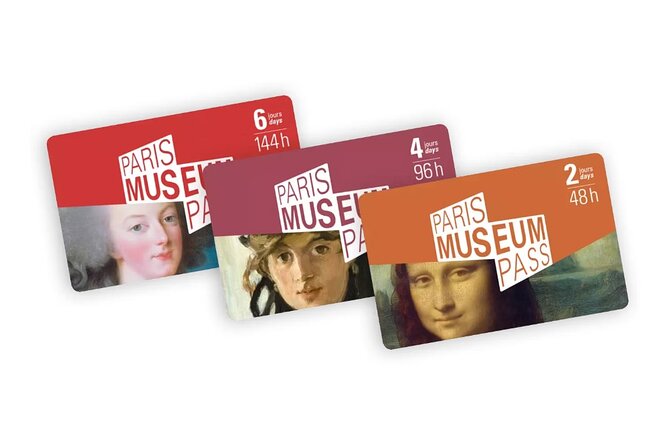
Paris is famous for museums, but it’s also famous for lines. The Paris Museum Pass is designed for the reality of day-after-day visitor crowds: you show your pass and get priority entry at a long list of museums and monuments. That means less time standing still and more time walking through galleries, chapels, and exhibits at your own pace.
I like that the pass isn’t just “big names.” Yes, the Louvre, Orsay, Arc de Triomphe, and the Musée de l’Orangerie are in the mix. But it also gives you options across different interests and locations, so you can build a route that matches your energy level. Want a concentrated art day? You can. Want science, design, or photography-adjacent stops? Also yes.
The practical win: you can group sights by geography instead of by ticket-hunting. Paris already has so many moving parts—this pass cuts down one major hassle.
You can also read our reviews of more museum experiences in Paris


Price and Value: When $129 Actually Makes Sense
The pass is listed at $129 per person and comes in 2, 4, or 6-day options. That price only feels like a slam dunk when you’re actually using it for multiple included sites. If you’re only doing one “top” museum and calling it a day, the pass will feel like overpaying for convenience.
On the other hand, if your plan is “several museums, plus a landmark or two,” this becomes a strong value tool. Many people buy it to break even on admission while also gaining the time savings that priority entry brings. A common pattern: the more museums you fit in, the more the pass starts paying you back in hours.
Here’s the value test I’d use before buying:
- If you’re targeting at least several included museums during your pass days, the pass is likely worth it.
- If you’re flexible and you can swap museum choices based on the day’s crowds or your schedule, you’ll use it better.
- If you know you’ll want multiple top-reservation museums, you’ll need to do those reservations anyway, but the pass still helps with the rest.
Where You Pick Up the Pass Near the Louvre

You’ll collect the pass at a tour office near the Louvre (about a 10-minute walk from it). The office is open 7 days a week from 9:00 to 16:00, and pickup includes an information service.
This matters more than it sounds. Louvre-area pickup is convenient because it lets you start museum days without a long commute across town on your first morning. It also keeps your “first day routing” simple: you can cluster museums in the central parts of Paris around the landmarks you care about most.
One thing to keep in mind: your exact meeting point can vary depending on which option you booked. So on pickup day, plan to arrive with enough buffer to find the correct tour office area and get sorted.
Consecutive Calendar Days: The Time Rule That Surprises People
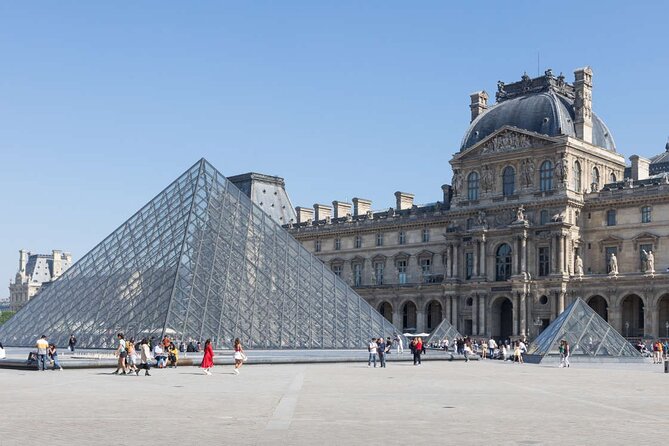
The pass is valid for 2 to 6 days, but the days count by calendar, and they’re consecutive. If you start using the pass at 14:00, that day is still considered day 1.
So you don’t want to treat this like a flexible 72-hour ticket. Think more like a timed window on your trip days. If you plan to pick up the pass on one day and then begin visiting in earnest the next morning, that can work well, but only if your day counting lines up with your actual itinerary.
This also affects how many “big” reservations you’ll realistically squeeze in. You’ll get more out of the pass by choosing a route where you can hit a mix of top museums and supporting museums without burning whole days on travel.
Skip-the-Line vs Peak Crowds: What to Expect at the Big Sites
Priority entry is the headline benefit, and it often helps right away. People use the pass specifically to avoid the worst ticket lines, and in many museums the difference is obvious.
Still, peak-season Paris can be stubborn. Even with the pass, some major sites may have long queues. In particular, experiences at places like Musée d’Orsay or Saint Chapelle during busy summer periods can still involve waiting in the hot sun, just not necessarily the same kind of ticketing chaos.
My advice: use the pass as your time-saver, but treat the biggest museums like “schedule-first” destinations. If you care about a specific museum, don’t wing it the morning of. Pair the pass with smart timing and reservations where required.
Also note a special warning for the Louvre: due to renovations and visitor volumes, entry to the Louvre cannot be guaranteed. That doesn’t mean you shouldn’t try—it means you should have a Plan B museum in mind for that day.
A few more Paris tours and experiences worth a look

Museum Musts: Louvre, Orsay, Arc de Triomphe, and Orangerie
Let’s start with the classic hits—the ones most people build their Paris trip around.
Louvre Museum
The Louvre is included, and it’s the reason the pass starts to feel like a bargain fast. But you must book a Louvre timeslot in advance. The voucher includes the link to do this, and that reservation requirement is non-negotiable if you want smooth entry.
Even then, remember the Louvre entry note: renovations and crowds can affect guarantees. So I strongly recommend planning a nearby backup option in your day, like other central museums that are also included.
Musée d’Orsay
Orsay is another anchor. The pass gives priority entry, and the museum includes a lot of the art people travel for in the first place. One practical detail: during busy periods, even with priority entry you may still wait—so aim for earlier entry windows when possible and keep your expectations realistic.
Arc de Triomphe
Arc de Triomphe is included, and it’s a perfect “landmark payoff” after museums. It also helps break up the museum-heavy schedule with open-air views. Priority entry can save you the time tax that comes with popular monument ticket lines.
Musée de l’Orangerie
Orangerie is included, but it’s one of the sites where reservations are mandatory. If you care about Monet’s Water Lilies, you’ll want your timed plan locked in ahead of time so the pass can do what it’s best at: speeding you to the front of the queue.
Art Beyond the Headlines: Rodin, Picasso, Cluny, and More
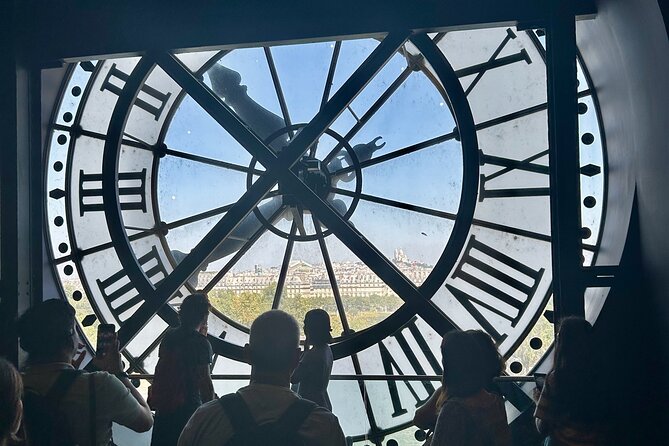
The pass shines when you mix the famous rooms with the more personal, less “tour bus every ten minutes” experiences. This is where you can build days that feel like Paris, not just a checklist.
Musée Rodin
Rodin is included, and it’s a great mood-shifter: sculpture, gardens, and the kind of art you can sense even when you’re tired from walking. It’s also a strong choice for breaking up a string of painting-heavy museums.
Musée Picasso Paris
If you like modern art and want something different from the Louvre/Orsay canon, Musée Picasso Paris is included. It’s the kind of stop that makes your museum time feel varied instead of repetitive.
Musée national du Moyen Âge, Thermes et hôtel de Cluny
Medieval Paris can be a surprise hit when you pair it with museums you already know. Cluny is included and gives you a different time period and a different kind of building to explore.
Musée national Eugène Delacroix
Delacroix is one of those museums that fits perfectly into a “France through art” theme. It’s included, and it gives you a calmer, more focused experience than the biggest institutions.
Musée Gustave Moreau
Moreau is included too, and it’s ideal if you want a museum that feels more curated and intimate. The pass makes it easy to choose it because you’re not paying full admission just to find out if you’ll like that style.
Musée Picasso, Moreau, Delacroix—why this pairing works
When you pick only the mega-museums, every day can start to feel the same. Mixing in artist-focused museums gives you variety and keeps your “museum stamina” higher.
Architecture, Science, and Design Days You Can Build Around
Paris isn’t only about paintings. The pass includes stops that are built for curiosity—things you can enjoy even if you’re not an art-world specialist.
Cité de l’Architecture et du Patrimoine
Included, and it’s a great choice when you want context for Paris streets and buildings. Reservations are mandatory here, so treat it like a scheduled museum rather than a spontaneous one.
Cité des Sciences et de l’Industrie
If you want a break from art galleries (or you’re traveling with kids), this is one of the best included options. It’s included, and it’s a smart way to reset between museum days.
Musée des Arts et métiers
Mechanical history and design-friendly exhibits are the draw here. It’s included and works well if you want “hands-on curiosity” energy after big-name museums.
Musée du quai Branly
Included and strong for world arts. It’s an easy museum choice when you want something that feels connected to culture beyond France’s borders.
Musée des Égouts de Paris
Yes, it’s quirky. That’s why it’s fun. Included, and it can be a memorable detour when you want something different from the standard museum rhythm.
Outside-Paris Day Trips: Versailles, Saint-Denis, Sèvres, Fontainebleau, and Friends
One of the biggest “value multipliers” of the Paris Museum Pass is that it doesn’t stop at the city limits. Included options stretch into the wider Île-de-France region, so you can do a true day trip without buying separate admission tickets for every part of the plan.
Versailles (Châteaux de Versailles et de Trianon)
Versailles is a top included outside-Paris attraction. Expect it to be busy, and plan your timing. If you’re doing Versailles, treat it as a major commitment day, not an add-on.
Basilique cathédrale de Saint-Denis
Included and it’s a strong pick if you want Gothic architecture and history in a different setting than central Paris.
Villa Savoye
Included and it’s a favorite for architecture lovers. It gives you a modernist counterpoint to all the classical museum interiors.
Château de Fontainebleau
Included and a good alternative if Versailles feels too “one more palace.” Fontainebleau is a great choice when you want a royal setting with a slightly different vibe.
Chaalis, Chantilly, Sèvres, and more
You also have included options such as:
- Abbey royale de Chaalis
- Musée Condé, Château de Chantilly
- Musée national de la Céramique de Sèvres
- Château de Compiègne
- Château de Malmaison (with national museum elements)
- Château de Rambouillet and other regional castles
How this helps you: you can build an itinerary that includes one big outside-Paris “wow” day and still have museum flexibility on the rest of your pass days.
How I’d Plan a 2, 4, or 6-Day Route
You can use the pass like a buffet. The secret is to stop you from eating everything.
If you have 2 days
Pick two or three “anchor” museums and fill with one or two shorter included stops. You’ll get the most satisfaction by choosing:
- One central museum anchor (Louvre or Orsay)
- One monument anchor (Arc de Triomphe)
- One “variety” museum (like Picasso, Rodin, or Cluny)
If you also want Orangerie, lock its reservation early since timed entry is mandatory.
If you have 4 days
This is the sweet spot for many people because you can mix big classics with supporting museums. A strong rhythm is:
- Two big-name museum days
- One day dedicated to artist-focused or architecture-focused museums
- One day for outside-Paris (or a museum cluster with nearby walking)
If you have 6 days
Now you can afford some “wandering choices.” You can add smaller included museums and still not feel like you’re sprinting. This is when the pass stops feeling like a tool and starts feeling like permission to see more of Paris.
No matter how many days you choose, keep this rule: if a museum needs a reservation, put it into your schedule first, then build everything around it.
Optional Seine River Cruise: Easy Views, Good Timing
If your option includes it, the pass can include a river cruise. It’s a low-effort add-on that gives you a different perspective on Paris—especially helpful after long museum walks.
A practical tip from real-world use: boat meeting details can be a little confusing because multiple companies operate similar cruises. Plan to match the meeting instructions to the correct company name shown in your materials, or you might end up at the wrong dock.
Timing-wise, evening cruises are often a nice choice because the views feel more dramatic, and you may find the rest of the day calmer.
Who Should Buy the Paris Museum Pass
This pass is a strong fit if you:
- Want to visit multiple museums and landmarks without ticket-line hassle
- Plan to do central Paris highlights and at least one outside-Paris trip (if you have the days)
- Like structure but still want flexibility to swap between included museums
It may not be the best fit if you:
- Only want one or two attractions
- Aren’t willing to handle reservation requirements for certain key museums
- Need guaranteed, friction-free entry to the Louvre on a specific day during renovations and high season
Also note the age-based ticket detail: public museum entrance is free for children under 18 and for EU citizens under 26. In that case, the pass may not be needed for entry fees—but those museums may still request a time slot booking.
Should You Book the Paris Museum Pass?
I’d book it if your trip looks like real museum time—especially 4 or more days—and if you’re willing to plan for reservation-required museums like the Louvre and Orangerie. The pass is at its best when it saves you hours and helps you group your days efficiently.
But don’t treat it like a magic wand. For top sites, reservations matter, and peak crowds can still create waiting. If you’re the kind of traveler who plans a route and then enjoys the freedom of many included choices, the Paris Museum Pass is a solid buy.
FAQ
How long is the Paris Museum Pass valid?
The pass is available for 2, 4, or 6 days, and the days used are consecutive calendar days.
Do I need a timeslot reservation for the Louvre?
Yes. To enter the Louvre with the pass, you need to book a Louvre timeslot in advance. The link to do this is included on the voucher.
Are there other museums that require reservations?
Yes. Reservations are also mandatory for the Orangerie, the Museum of the Art and History of Judaism, Hotel de la Marine, and the Cité de l’architecture et du patrimoine.
Where do I pick up the pass?
You collect the pass at the tour office near the Louvre (about a 10-minute walk from the Louvre). It’s open 7 days a week from 9:00 to 16:00.
Is the Seine river cruise included?
A river cruise is included only if the option is selected with your pass.
Do children or young EU citizens need the pass?
Public museum entrance is free for all children under 18 and for EU citizens under 26. The pass is not needed for entry fees, but museums may still request a time slot booking.