REVIEW · NANTES
Château du Bois-Huaut: Cellar Tour and Wine Tasting Class
Book on GetYourGuide →Operated by CHATEAU DU BOIS-HUAUT · Bookable on GetYourGuide
Eight wines, one Loire estate.
At Château du Bois-Huaut, the experience mixes a relaxed vineyard stroll, a proper cellar tour, and a guided tasting masterclass run with a sommelier. What I like most is how the session teaches you how to taste (not just what to drink) while you work through multiple styles, from dry to sweet. The main drawback to plan for: the tour is listed in French, so if you rely on English, you’ll want to check language options ahead of time.
You’re also not going to a faceless tasting room. This is a family estate outside Nantes in Gorges, in the Pays de la Loire, farmed by the same family for more than four generations since 1897. You’ll leave with a bottle included in the price, which turns this into a value-forward outing if you like learning and then drinking what you just understood.
In This Review
- Key things to know before you go
- Château du Bois-Huaut: a family estate outside Nantes
- The 2-hour flow: from vineyard walk to cellar tastings
- Wandering the vineyard: how the vines set up the tasting
- The cellar tour: where aromas start to make sense
- The sommelier masterclass: tasting 8 wines with real structure
- The included bottle: turning the tasting into a takeaway plan
- Price and value: what you’re paying for (and what you aren’t)
- Language, group dynamics, and practical realities
- Who should book Château du Bois-Huaut?
- Should you book this wine tasting tour?
- FAQ
- Where is Château du Bois-Huaut located?
- How long is the cellar tour and wine tasting class?
- What does the tour cost?
- Is food included with the tasting?
- How many wines will I taste?
- Do I get a bottle to take home?
- What language is the tour conducted in?
- Is the tour wheelchair accessible?
- Do I need to arrive early?
- Can I get a full refund if I cancel?
- Is there a way to pay later?
Key things to know before you go
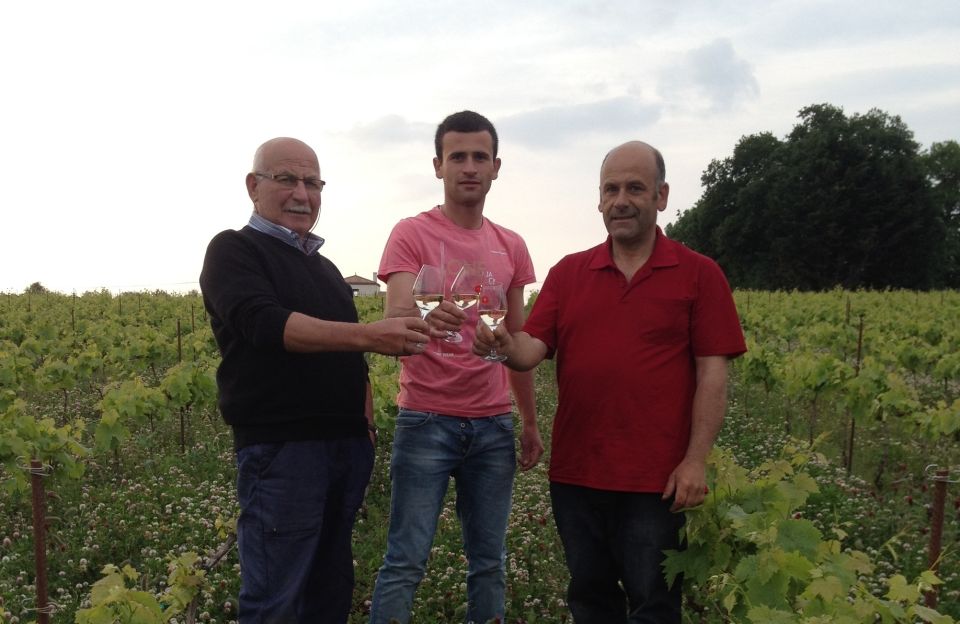
- 8 wines tasted in one organized, guided masterclass, covering dry, semi-dry, sweet, vintage, and barrel-aged styles
- Vineyard wandering time, so you can slow down and enjoy the grounds at your own pace
- Cellar tour with a guide, which helps you connect the wines to where they’re made and stored
- Wine workshop with a professional sommelier, focused on aromas and how to taste
- A bottle gifted at the end, so the experience doesn’t end when the tasting ends
- French-language instruction, so plan for translation if you need it
Château du Bois-Huaut: a family estate outside Nantes
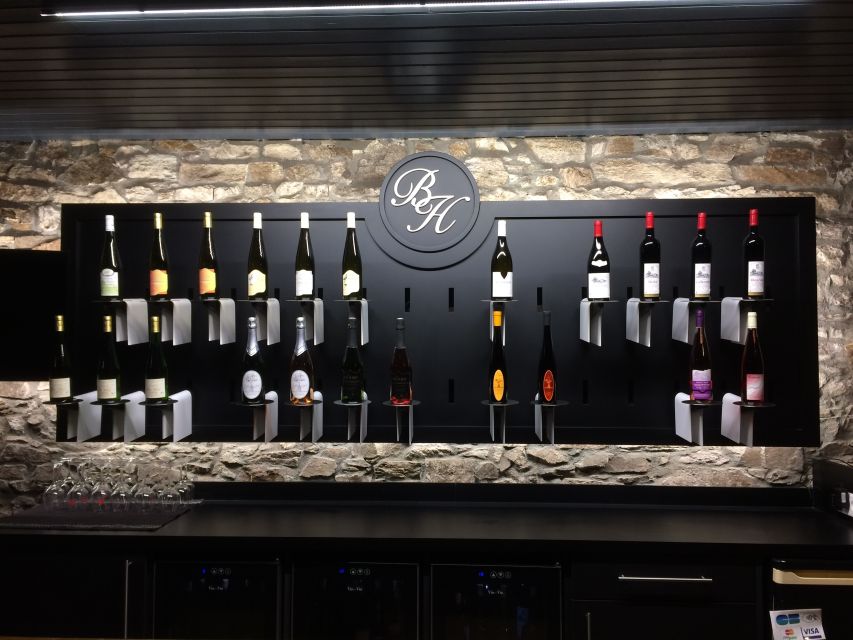
I like choosing wine tours that feel connected to how wine actually gets made. Château du Bois-Huaut is exactly that kind of stop. It’s located just outside Nantes, in Gorges, and it’s been a family operation for more than four generations, tied to the estate since 1897. That long-run continuity matters, because it’s what turns a tasting into a story you can taste.
The estate also grows a wide range of grapes—14 different varieties. You’ll see names on the program like Muscadet, Sauvignon, Pinot Gris, Gewurztraminer, Rosé, Pinot Noir, Merlot, Cabernet, plus sparkling and sweet wine styles. That variety shows up in the tasting format: instead of one “theme” wine, you get a spectrum of what the estate can produce.
And because the tour is designed around a cellar visit plus a tasting workshop, you’re not only looking at vines in good light. You’re learning why different grapes and aging approaches create different aromas and flavors, and how a sommelier wants you to pay attention.
You can also read our reviews of more food & drink experiences in Nantes
The 2-hour flow: from vineyard walk to cellar tastings
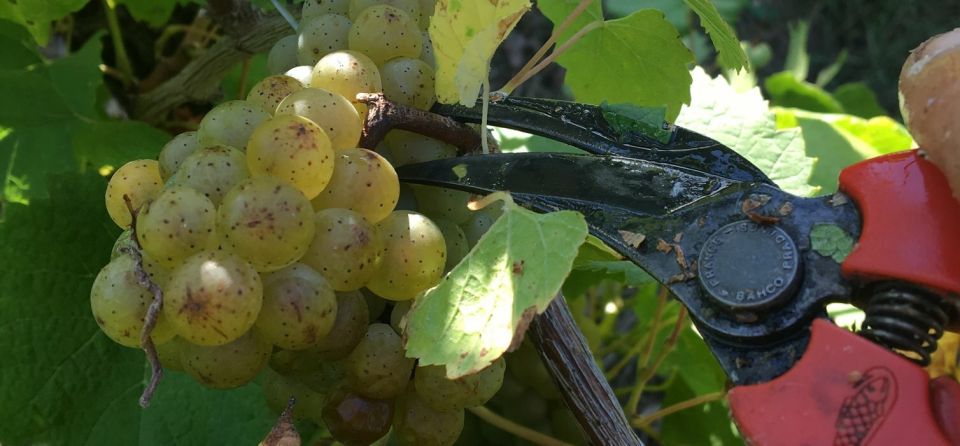
This is a smooth, time-boxed experience. The total duration is about 2 hours, which is great if you want something focused without losing half a day.
You’ll want to arrive 15 minutes early. That buffer matters because it keeps the day calm and gives you time to settle in before the tasting begins.
Once you’re in, the format generally goes like this:
- Start with a relaxed stroll in the vineyard
- Transition into the cellars for a guided tour
- Finish with the wine workshop, where the tasting is led and structured
One thing I really appreciate about this kind of schedule is that it gives your brain a sequence. You see the growing side first, then you move underground to understand storage and production, and only then do you sit down to taste. It’s a simple order, but it makes the tasting “stick.”
You also have the option to wander around the vineyard at your own pace. That’s a small perk that can make a big difference, especially if the weather is good and you want to get a few quiet minutes outside before you head into the workshop.
Wandering the vineyard: how the vines set up the tasting
The vineyard part isn’t there to kill time. It’s there to help you connect what you see to what you taste later.
As you walk, you’re at a working estate that grows many grape varieties. That matters because the tour’s tasting list isn’t one-note. You’re going to experience wines that range from dry and semi-dry to sweet, plus vintage and barrel-aged styles. Without the vineyard introduction, it would be harder to understand why the tasting feels like more than just “pick your favorite.”
I also like that the stroll is described as leisurely. You’re not sprinting from one photo spot to another. Instead, you get time to notice things at ground level—how the estate is laid out and how the grapes fit into the bigger operation.
If you’re the kind of person who enjoys seeing where food and drink come from, this vineyard walk is worth paying attention to. If you’re not, it still works, because it acts like a warm-up for the cellar and the tasting workshop that follow.
The cellar tour: where aromas start to make sense
The wine cellars are where the tour earns its keep. A cellar tour does two jobs: it gives you context for aging and storage, and it helps you understand why the same fruit can turn into very different wines depending on how it’s handled afterward.
In this experience, the guide explains the historic winery and the winemaking process. That’s the value part. Even if you’re not a wine nerd, you’ll likely catch things you wouldn’t guess just by tasting—like why some wines feel more structured, more rounded, or more aromatic than others.
You’ll also be able to connect the tasting lineup to the cellar environment. Since you’ll taste wines that are barrel-aged and also include vintage examples, the cellar visit acts like a bridge. It’s not just “here are the walls.” It’s “here’s why these wines taste the way they do.”
Guides can be family members, and names like Luis come up in the kind of passionate, hands-on explanations you’ll want from a cellar visit. Even if you don’t speak French fluently, a good cellar guide usually finds ways to communicate with gestures, pacing, and clear focus.
The sommelier masterclass: tasting 8 wines with real structure
The heart of this tour is the tasting masterclass. This is where you stop being a passive sipper and start learning how to taste with intention.
You’ll taste 8 different wines, guided by a professional sommelier. The tasting includes a range of styles:
- Dry wines
- Semi-dry wines
- Sweet wines
- Vintage wines
- Barrel-aged wines
That lineup is useful because it trains your palate to notice differences in a controlled way. When you taste only one style—say, just dry reds—you miss half the vocabulary wine offers. Here, you’re learning how sweetness changes perception, how vintage character can affect aroma, and how barrel aging can shift texture and scent.
The workshop also focuses on aromas and on how to make the most of what you’re smelling and tasting. That can sound abstract, but it’s practical. You’re essentially being coached through what to do with your senses:
- How to approach aroma without rushing
- How to pay attention instead of chasing the obvious flavors
- How to connect what you sense to style categories
If you’re traveling with someone who likes learning, this part can be a fun shared activity. If you’re traveling with someone who just wants to drink something good, this also works—because the structure often leads you to find favorites you wouldn’t have picked on a menu.



The included bottle: turning the tasting into a takeaway plan
At the end, you’re offered one bottle per person to take home. I love this detail because it changes the economics and the payoff.
Economics: you’re paying around $38 per person for the entry, cellar visit, tasting workshop with the sommelier, tasting of 8 wines, and the included bottle. Food isn’t included, but the alcohol component plus guided instruction plus take-home wine makes this feel like more than a quick sip-and-leave.
Payoff: you don’t just experience the wines during the tour. You can plan to open the bottle later and actually practice what you learned. That turns the visit into a mini “home tasting session,” which is how you get value out of any wine education.
Practical note for planning: the tour data doesn’t mention food, so plan to eat beforehand if you get hungry during the 2-hour experience. Also, if you’re the type to buy additional bottles beyond the included one, ask about how delivery works. One account from a past guest pointed out that home delivery isn’t necessarily straightforward and can involve pickup points rather than direct shipment, which matters if you’re not traveling with a lot of luggage.
Price and value: what you’re paying for (and what you aren’t)
Let’s talk value without pretending all tours are the same.
At $38 per person, you get:
- Entry to the winery
- Guided visit to the cellars
- Wine tasting workshop with a sommelier
- Tasting of 8 wines
- 1 bottle gifted to take home
What you don’t get is food. That’s not a dealbreaker, but it does change how you plan your day. If you show up hungry, the tasting can feel longer and you’ll be wishing you’d had a snack.
Here’s the value logic I’d use: if you like guided tastings and you want a structured way to taste multiple styles, you’re paying for expertise and organization, not just for the wine. The included bottle means you’re also leaving with something tangible.
If you’re only interested in drinking one or two wines and you hate educational formats, this might feel like too much structure. But if you want to leave knowing how to taste and what you liked, this format is a strong match for the price.
Language, group dynamics, and practical realities
This tour is listed with French as the language, and that’s the biggest practical consideration.
If French isn’t your strength, you still have options. A few guests have mentioned that an English version was available, and you may be able to find sessions that work better for you. But don’t count on it automatically. Instead:
- Check language availability before you go
- Bring a translation app for tasting vocabulary (aroma, sweet, semi-dry, barrel-aged, vintage)
- Don’t let language stop you from enjoying the pacing and the tasting itself
Another reality: the tour is 2 hours, so it’s not the kind of visit where you can stop for a long break or linger indefinitely. The upside is that it feels efficient, and it’s easier to fit into a Loire wine day trip.
Lastly, if you’re sensitive to strong opinions about wine or overly formal teaching, keep in mind that the program is described as a workshop led by a professional sommelier, and the overall tone seems relaxed. That’s a good combo: you get structure without feeling trapped.
Who should book Château du Bois-Huaut?
Book this if you want a proper guided tasting that teaches you how to taste, not just what to choose. It’s also a good fit if you like variety, because the lineup covers dry through sweet, plus vintage and barrel-aged wines.
It’s especially strong for:
- People who enjoy learning while they taste
- Wine lovers who want a structured session with a sommelier
- Travelers based near Nantes who want a nearby estate experience
- Anyone who appreciates family-run wineries with long continuity
You might skip it if:
- You need an English-led tour every time and can’t adjust
- You’re only interested in tasting one style and hate multi-wine formats
- You want a meal included (since food isn’t part of the package)
Should you book this wine tasting tour?
Yes, if you’re the type who likes guided experiences and you want to leave with both knowledge and wine in hand. The combination of 8 tastings, a sommelier-led workshop, a cellar tour, and the included bottle to take home makes this a value-rich outing for the time.
Just take the language factor seriously. If you’re not comfortable with French, check what language options are available before you reserve, and plan to eat beforehand since the experience doesn’t include food.
If you’re ready for a focused Loire estate visit with real instruction, this is a smart choice.
FAQ
Where is Château du Bois-Huaut located?
It’s in Gorges, near Nantes, in the Pays de la Loire region of France.
How long is the cellar tour and wine tasting class?
The experience lasts about 2 hours.
What does the tour cost?
The price is $38 per person.
Is food included with the tasting?
No. Food is not included.
How many wines will I taste?
You’ll taste 8 different wines during the workshop.
Do I get a bottle to take home?
Yes. You’re offered 1 bottle per person at the end.
What language is the tour conducted in?
The tour language is French.
Is the tour wheelchair accessible?
Yes, the tour is wheelchair accessible.
Do I need to arrive early?
Yes. You should arrive 15 minutes before the activity starts.
Can I get a full refund if I cancel?
Yes. You can cancel up to 24 hours in advance for a full refund.
Is there a way to pay later?
Yes. You can reserve and pay later.