REVIEW · STRASBOURG
Strasbourg: Historic Center Walking Tour
Book on GetYourGuide →Operated by Guydeez Tours · Bookable on GetYourGuide
Strasbourg clicks into place when a local sets the pace. This private, customizable walking tour gives you a clear orientation while still leaving room for your interests, all in just 2 hours. You start near 7 Rue des Frères and glide through the city’s top sights with a guide who knows how to connect the dots.
Two things I like a lot: first, you get an easy timeline and context at the start, so the stops make sense as you walk. Second, you’ll hear stories that turn famous spots into real places, from square to square, without turning the walk into a lecture.
One consideration: since it’s a guided walk and you’re on your feet for two hours, it’s best if your day can handle steady strolling and a few photo stops without wanting to sit down every few minutes.
In This Review
- Key highlights at a glance
- A quick, worthwhile way to get oriented in Strasbourg
- Starting point near 7 Rue des Frères: convenient and easy to find
- Place de la République: stories behind the big public square
- Place Kléber and Place Broglie: the city’s meeting points
- Notre Dame Cathedral: why the final stop hits harder
- Place Saint-Étienne: a calmer square with a useful perspective
- La Petite France: the lanes you’ll want to return to
- What makes the guides different: timeline, flexibility, and food ideas
- Customization: how to shape the walk to your travel style
- Price and value: $34 for a private orientation that pays off
- Logistics that matter for a smooth two hours
- Who this Strasbourg historic center tour is best for
- Should you book this tour?
- FAQ
- How long is the Strasbourg Historic Center Walking Tour?
- Where does the tour start and end?
- Is the tour private or shared?
- What sights are included on the walk?
- What languages are offered?
- Is public transportation included?
- What is the price per person?
- Is wheelchair access available?
- Is food or drink included?
- What’s the cancellation policy?
Key highlights at a glance
- Private and exclusive: you won’t share the experience with strangers
- Customizable route: you can shape the walk around what you care about
- Top landmarks on foot: from Place Kléber to the cathedral and key squares
- Local advice built in: you get practical ideas for what to do and where to eat next
- Multiple languages: English, French, Spanish, and Italian are available
- Value for money: a full orientation walk at a set $34 per person price
A quick, worthwhile way to get oriented in Strasbourg
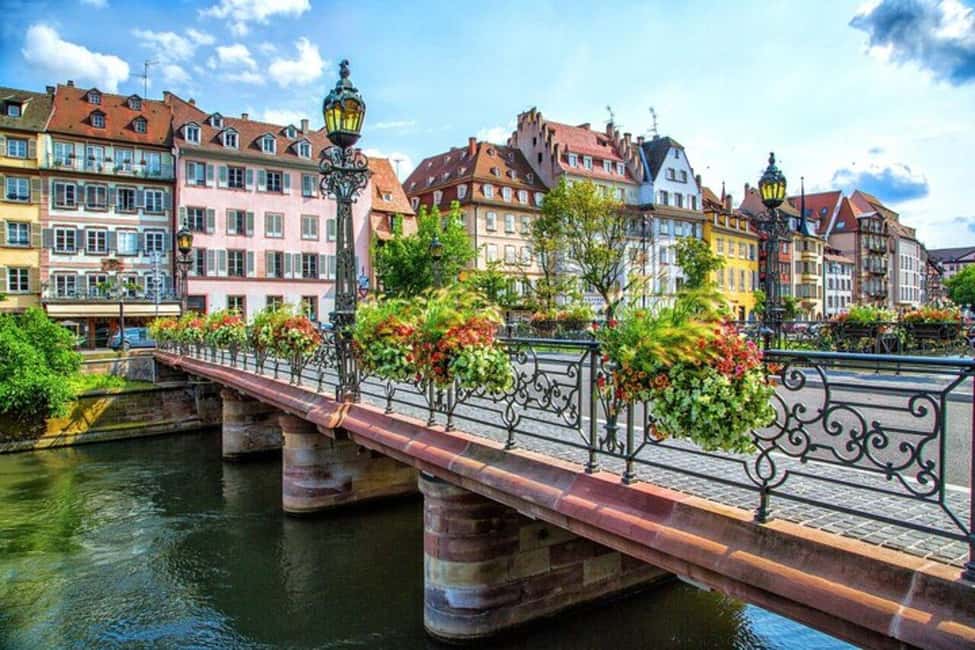
If you want to understand Strasbourg fast, this is a solid format. A two-hour walking tour hits the key landmarks without forcing you into a half-day plan. At $34 per person, you’re not buying a long bus excursion—you’re paying for a local guide who helps you make sense of what you’re seeing.
I especially like that the guides don’t just point things out. In a few of the guide stories, you can see a pattern: they give you a short framing timeline right at the beginning, then they build on it stop by stop. That matters because Strasbourg can feel layered and confusing at first glance—this kind of start makes the rest of the walk click.
And because the tour is private, you’re not stuck with a generic script aimed at whoever showed up. Guides can adjust to your questions and what direction you’re heading next, including suggestions for other activities.
You can also read our reviews of more walking tours in Strasbourg


Starting point near 7 Rue des Frères: convenient and easy to find
The tour begins at 7 Rue des Frères. That’s a practical detail because Strasbourg’s historic core is a web of streets, and you’ll waste less time if you start in a clear, central place.
One more smart point: the tour also ends back at 7 Rue des Frères. That means once you finish, you’re not trying to figure out where you ended up or how to get back into your own plans. It’s simple and it keeps the day flexible.
Place de la République: stories behind the big public square
You begin at Place de la République, and the guide explains what’s behind the square—its role, and how it fits into the bigger story of Strasbourg.
Why this stop works: big squares are where you can feel the city’s layout. You’ll get a sense of where major areas connect before you start weaving into narrower streets. It’s also a good mental warm-up. You’re less likely to feel like you’re just hopping from one landmark to another.
If you like context, this is where your guide’s style matters. One of the tour reviews highlights a guide who spent about 10 minutes laying out a Strasbourg timeline before moving into the key sights. Even if your guide doesn’t use the exact same approach, starting with background like this helps you look at the later stops with better questions in mind.
Place Kléber and Place Broglie: the city’s meeting points
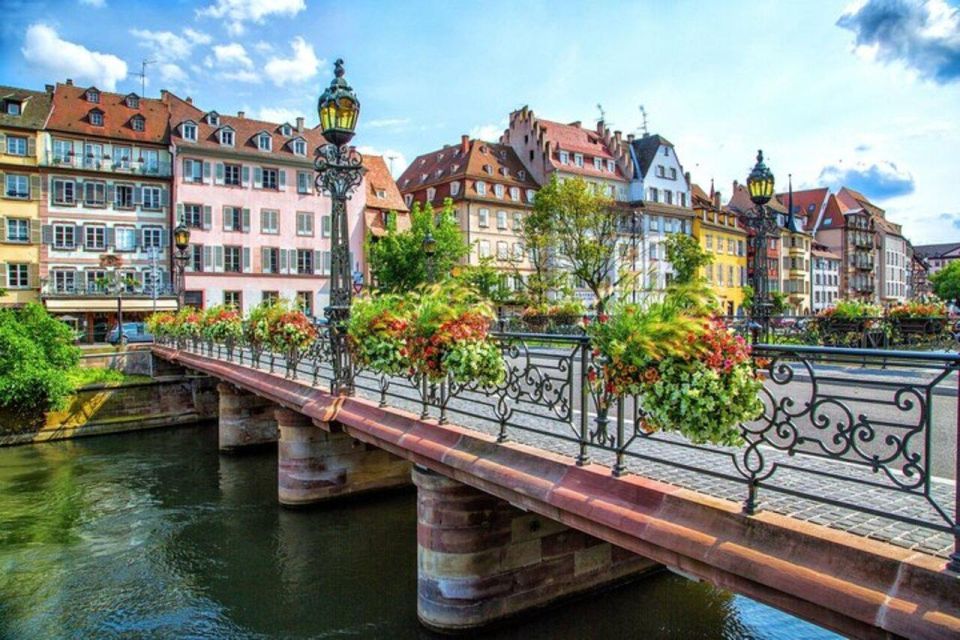
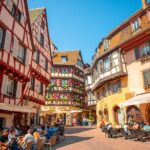
From Place de la République, you move to Place Kléber, Strasbourg’s main square. This is the kind of location that keeps its importance year-round. It’s also known for a stunning Christmas tree during the festive season, which is a useful detail if you’re planning a visit around winter.
Next comes Place Broglie. This is one of those squares you’ll probably recognize right away once you’re there, because it’s the sort of place where people naturally drift—walking routes, photos, and casual meeting.
What you gain in these stops isn’t just a view. You learn how these squares work as social and historical anchors. That’s why it’s worth doing them early in your trip: it helps you understand where to return later without guessing.
Notre Dame Cathedral: why the final stop hits harder
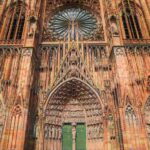
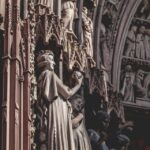
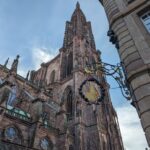
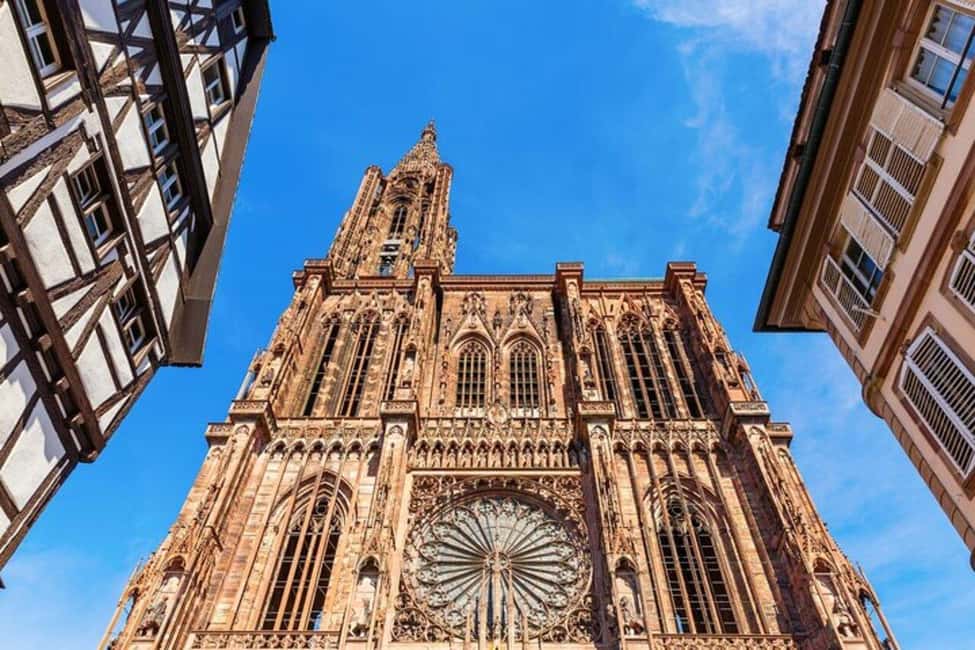
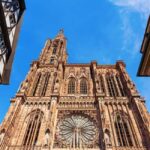
The tour culminates at Cathédrale Notre-Dame de Strasbourg. If you’ve ever felt like a cathedral tour becomes a rushed checklist, this format helps. By the time you reach the cathedral, you’ve already heard enough about how Strasbourg developed to notice more than the obvious.
This is also where guide storytelling really shows. Reviews repeatedly mention strong guide knowledge and a passion for bringing architectural details to life. In particular, one review praises a guide who had a great sense of humor while explaining exciting information about Strasbourg. Another mentions a guide helping the group by taking photos—small thing, but it turns the cathedral moment into a memory you actually keep.
Practical note: cathedrals tend to draw crowds. The benefit here is that your guide helps you navigate the moment so you’re not just standing around wondering what to look for next.
You can also read our reviews of more historical tours in Strasbourg



Place Saint-Étienne: a calmer square with a useful perspective
You also stop at Place Saint-Étienne, which works as a bridge between the larger, more open squares and the cathedral area.
Even without added details in the tour notes, the value of this stop is clear: it gives you a change of pace. Streets and squares in historic centers can blend together fast if you’re walking without context. A dedicated stop like this gives your brain a landing point—then you move on with a refreshed sense of direction and what you’ve already learned.
La Petite France: the lanes you’ll want to return to
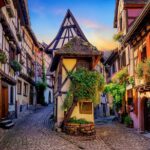
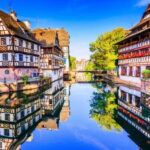
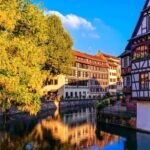
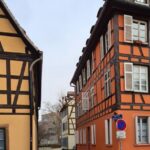
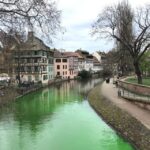
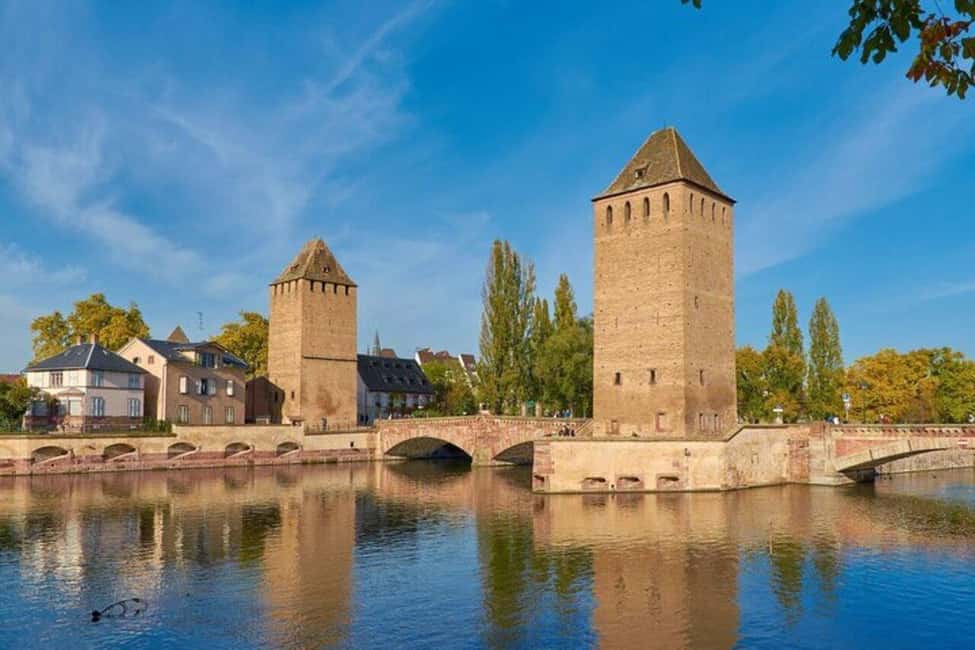
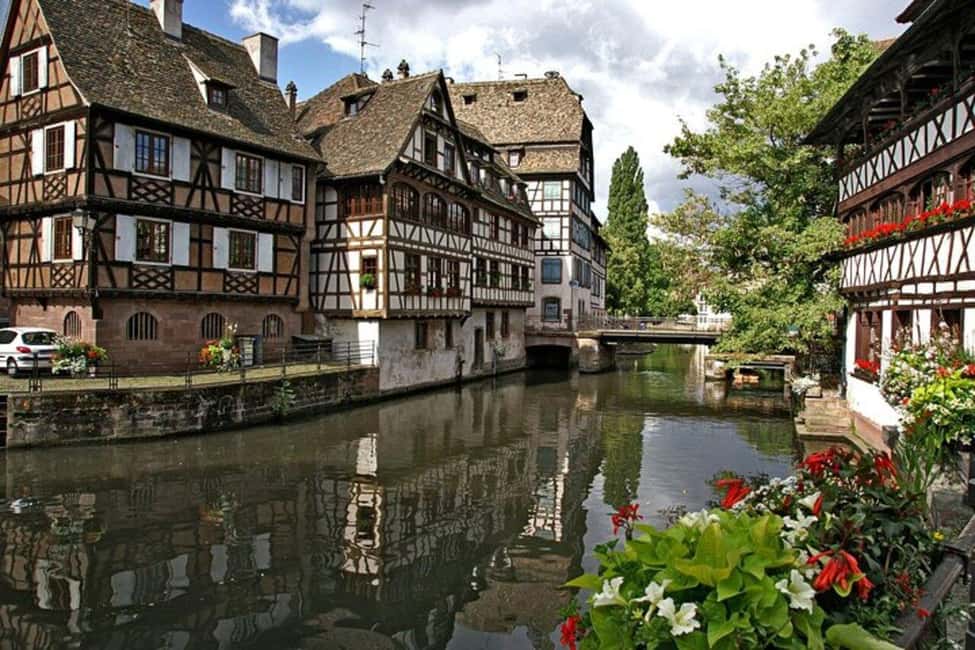
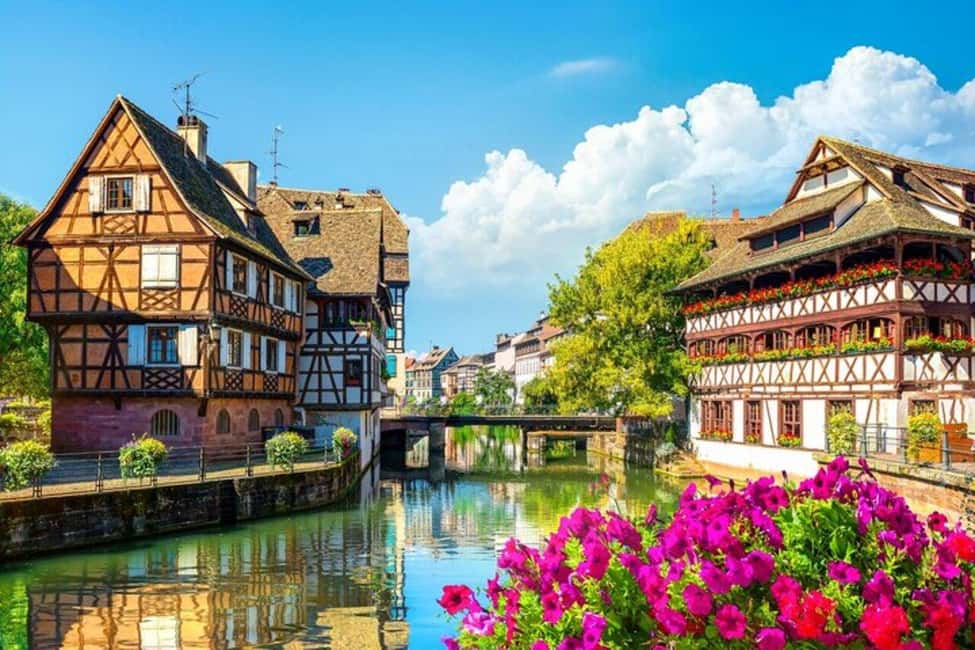
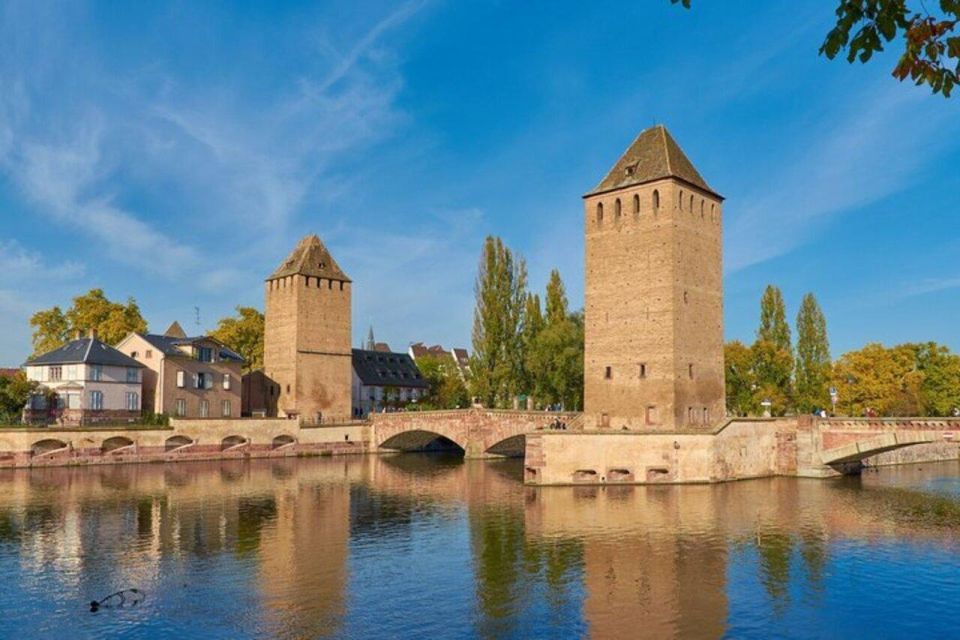
Your walk includes La Petite France, one of Strasbourg’s most beautiful neighborhoods. You’ll wander through the picturesque streets and learn how the area evolved over the centuries.
This is where you get the “I’m glad I did this tour” effect. Big squares are easy to recognize from postcards, but narrow lanes tell the real story of a city’s daily life. Reviews mention that people especially enjoyed the walks down street alleys and that the neighborhood experience helped them decide what to eat and explore in the days after.
If you’re someone who likes atmosphere and details—doorways, angles, street rhythm—this part is where the city starts to feel personal.
What makes the guides different: timeline, flexibility, and food ideas
A big theme in the feedback is that guides do more than deliver commentary. They help you plan.
A few examples from guide mentions:
- Jean-Pierre is described as knowledgeable and as giving a helpful timeline right at the start.
- Kevin makes the walk feel like you’re walking with an old friend, while still connecting history to what you see.
- Andrea, Marius, Nahama, Amelie, and others are praised for showing places people might not find on their own and for giving practical advice on what to do next.
You’ll also notice another pattern: guides offered suggestions based on where you were heading and what you cared about. One review includes a thoughtful detail about flower-loving—suggesting rose gardens to check out later. Another notes the guide suggested good places to eat.
That’s what you’re really paying for: not just seeing landmarks, but leaving with a mental map and a plan.
Customization: how to shape the walk to your travel style
The tour is described as private and customizable, and that’s a huge difference from standard fixed routes. You can steer toward what matters most to you—cathedral architecture, the feel of the neighborhoods, photo moments, or simply getting your bearings fast.
Here’s a practical way to use that customization: tell your guide your rough plan for the rest of your day or your next day. Guides can then point you to what to prioritize when you’re on your own. If you’re unsure what to do next, this tour is a great starting move because the guide’s advice comes directly from knowing how the city works.
Price and value: $34 for a private orientation that pays off
Let’s talk value. $34 per person for a private exclusive walk is not just a bargain-by-number. It’s good because it covers the moment when you usually lose time on your own—figuring out what matters, what to see first, and how to move efficiently.
Also, the tour includes walking and public transport except if you select an option (the details of options aren’t specified here). Even if the walking does most of the work, the key point is that you’re not stuck only on foot if your route benefits from a transport segment.
Then there’s the ticket help. The experience notes that the team can help book tickets for desired visits. That can save you from the annoying back-and-forth that sometimes drains energy early in a trip.
And because you’re private, the guide’s time is focused on your group, not a large mixed crowd.
Logistics that matter for a smooth two hours
This is a 2-hour walking tour, with check availability for starting times. That time frame is ideal for a first-day orientation or a mid-trip refresher before you explore on your own.
Languages available: English, French, Spanish, and Italian. That means you shouldn’t feel stuck if your French is limited—you’ll still get the storytelling and practical tips in a language you can follow.
If you’re traveling with someone who needs it, the tour is wheelchair accessible. The day will still involve movement through the historic core, so it’s wise to be realistic about walking/rolling distances, but the note is clear that accessibility is part of the setup.
Food and drink aren’t included, so plan to grab something afterward. The good news: guides often point you toward places to eat, so you’re not walking around hungry with no direction.
Who this Strasbourg historic center tour is best for
You’ll likely enjoy this tour if:
- You want a fast, guided introduction to Strasbourg’s most important landmarks
- You like history that explains what you can actually see in front of you
- You want a private experience with room for questions and adjustments
- You appreciate practical suggestions for where to go next, including food
It’s less ideal if you hate walking, need a slow pace with lots of seating breaks, or want a strictly self-guided plan. For most people, though, two hours is a very manageable commitment.
Should you book this tour?
Yes, I’d book it if you want your first Strasbourg day to feel organized. A private guide who frames the story early, then walks you to the main squares and the cathedral, is a smart way to start. At $34 for 2 hours, you’re buying clarity and local advice, not just photos.
Skip it only if you already have a strong independent plan and you don’t want guidance. Otherwise, this tour is a good launchpad: you’ll finish with a better sense of where you are, what matters, and where you’ll want to return on your own.
FAQ
How long is the Strasbourg Historic Center Walking Tour?
The tour lasts 2 hours.
Where does the tour start and end?
It starts at 7 Rue des Frères and returns to 7 Rue des Frères.
Is the tour private or shared?
It’s a private and exclusive tour, with no one else in your group.
What sights are included on the walk?
You’ll visit Cathédrale Notre-Dame de Strasbourg and major squares including Place Saint-Étienne, Place Broglie, Place Kléber, and Place de la République. The tour also includes time in La Petite France.
What languages are offered?
The live guide is available in English, French, Spanish, and Italian.
Is public transportation included?
The tour includes walking and public transport except if you select one of the options (the options aren’t detailed here).
What is the price per person?
The price is $34 per person.
Is wheelchair access available?
Yes, the tour is wheelchair accessible.
Is food or drink included?
No. Drink or food is not included.
What’s the cancellation policy?
There is free cancellation up to 24 hours in advance for a full refund.