REVIEW · PARIS
Private Pastry Class with Catherine Near Arc de Triomphe
Book on Viator →Operated by France Taste · Bookable on Viator
The best part of this class is the setting: you cook inside a real Parisian apartment with Catherine, a cookbook writer who specializes in French cuisine and pastries. This is not a large schoolroom with rows of strangers. It is a small, personal session built around four classic desserts.
I like the hands-on range of recipes, from delicate cream puffs to caramelized apple tart and chocolate truffles. I also like the relaxed finish, when you sit down with Catherine for tea or coffee and taste what you made. The main consideration is kitchen space. One person found the class best for groups of three or fewer, so larger parties may feel cramped.
In This Review
- Key points
- Four French classics in one 2.5-hour class
- Starting at 3 p.m. in Catherine’s apartment
- Choux à la crème, the first taste of French pastry
- A small tarte Tatin with a classic French feel
- Madeleines and chocolate truffles round out the menu
- Tea, coffee, and the best part of the afternoon
- Why the private format matters
- The $162 price and what you receive
- Who should book this Paris pastry class?
- Booking, timing, and cancellation details
- Should you book Catherine’s pastry class?
- FAQ
- Where does the pastry class start?
- What time does the class begin?
- How long does the class last?
- Who teaches the class?
- What desserts will I make?
- Are drinks and leftovers included?
Key points
- Four French desserts in one class: Make choux à la crème, a small tarte Tatin, madeleines, and chocolate truffles.
- Catherine teaches in fluent English: Her background as a cookbook writer adds useful context to the recipes.
- Private apartment setting: Only your group takes part, giving the class a personal, home-style feel.
- A sweet finish at the table: Tea or coffee is included so you can taste the desserts together.
- Take-home treats: Any desserts left after the tasting are offered for you to carry home.
- Keep the group small: The kitchen may work best for three people or fewer.
Four French classics in one 2.5-hour class

Catherine’s class packs a lot into roughly two hours and thirty minutes. You work on four separate desserts, then sit down to enjoy them. That makes this a good choice if you want more than a single recipe and prefer a practical introduction to several corners of French pastry.
The selection is smart. Choux à la crème teaches you about the light pastry used for cream puffs. Tarte Tatin brings apples and caramel into the picture. Madeleines introduce the small shell-shaped cakes found in French bakeries, while chocolate truffles offer a simpler but still distinctly French finish.
You should not expect a full professional pastry-school course in this amount of time. Instead, think of it as a compact workshop with several recipes, guided preparation, and a shared tasting. You get a useful sample of French baking rather than a deep technical course in one specialty.
You can also read our reviews of more private tours in Paris


Starting at 3 p.m. in Catherine’s apartment
The class begins at 3 p.m. at 106 Avenue Mozart in Paris’s 16th arrondissement. The meeting point is near public transportation, and the activity ends back there. The information also presents the experience as close to the Arc de Triomphe, so I would check the exact route and neighborhood details when booking, especially if you are planning this around another Paris appointment.
Arriving on time matters because several recipes are prepared during one session. Still, Catherine has shown some flexibility when a participant was slightly delayed, with the ingredients and setup ready on arrival. I would not treat that as permission to arrive late, but it is reassuring if Paris transport gives you a small surprise.
The apartment setting changes the mood right away. You are not entering a tourist attraction or a commercial cooking studio. You are being welcomed into Catherine’s kitchen, where the class feels closer to cooking with a friend or relative than attending a formal demonstration.
That personal setting is also the main reason to keep your group small. The kitchen is not described as large, and practical feedback suggests three or fewer people is the most comfortable arrangement. If you are booking for a larger family or group of friends, ask about space before paying.
Choux à la crème, the first taste of French pastry
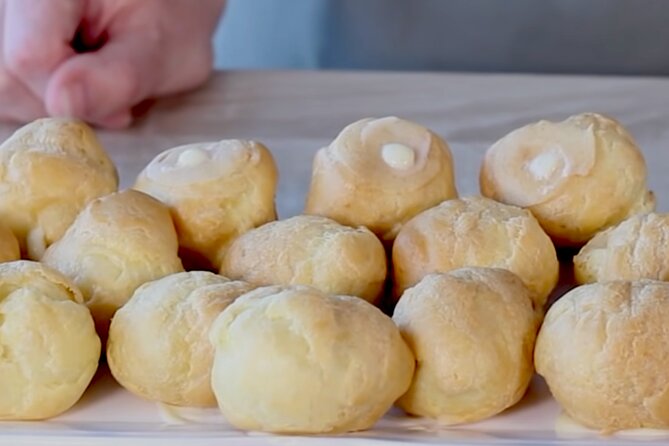
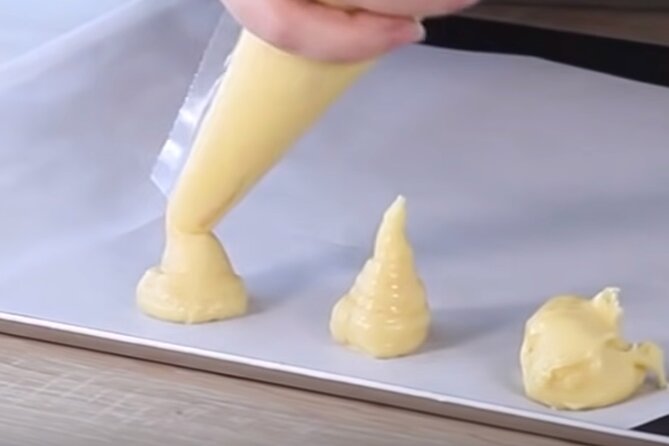
Small choux à la crème, or French cream puffs, are one of the class highlights. Choux pastry is a useful recipe to learn because it begins on the stovetop and then becomes a light, hollow pastry in the oven. It looks simple on a bakery counter, but the texture depends on careful preparation.
Catherine’s job here is not only to help you produce something sweet. She can show you how a classic French pastry is handled in a home kitchen and explain the process in English. Since she writes cookbooks and specializes in French food, you get more than a recipe card approach.
The finished cream puffs are small, which suits the class. You can taste one without filling up before the other desserts arrive, and the remaining pieces can go home with you. If choux pastry is the recipe you most want to master, remember that the class also includes three other desserts, so this is a broad tasting session rather than a single-recipe workshop.
A small tarte Tatin with a classic French feel
The tarte Tatin is another strong choice for a short pastry class. This upside-down apple tart is known for its caramelized fruit and pastry base. The small format fits the private kitchen and gives you a manageable dessert to prepare and share.
I like that the class includes a tart rather than only small cakes and chocolates. It gives you a different style of French baking, with fruit, pastry, and caramel in one dish. It also brings a bit of Parisian café feeling to the table without requiring a separate stop at a pastry shop.
The word small is worth noting. You are not making a giant tart for a dinner party. The size helps fit four desserts into one afternoon and keeps the final tasting realistic. If you are hoping to produce a large centerpiece dessert, this class may not match that goal. If you want to try several French recipes in one sitting, the smaller portions make good sense.
Madeleines and chocolate truffles round out the menu
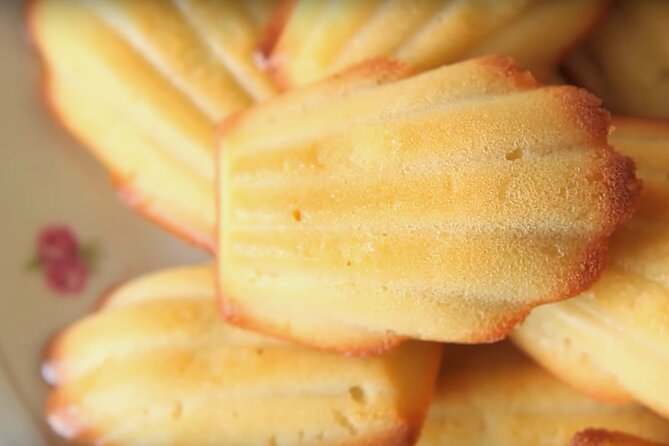
Madeleines add a lighter cake to the menu. These small shell-shaped French cakes are easy to recognize and fun to make, especially for anyone who wants a recipe that can be served with afternoon coffee. Their inclusion gives the class a useful everyday option alongside the more involved cream puffs and tarte Tatin.
Chocolate truffles provide a different kind of kitchen task. They are rich, compact, and well suited to taking home. One of the class’s strongest teaching points is the preparation of the truffles, and Catherine has been especially praised as an educator on this part of the session.
Together, the madeleines and truffles keep the class varied. You are not spending two and a half hours repeating one technique. You move through small cakes, filled pastry, fruit tart, and chocolate. That variety is likely to appeal to families, couples, and small groups with mixed baking interests.
The tradeoff is pace. Four desserts in one afternoon means you will need to stay engaged and follow Catherine’s lead. This is not a slow, meditative baking session where you work on one elaborate creation for hours.
A few more Paris tours and experiences worth a look




Tea, coffee, and the best part of the afternoon
Once the desserts are prepared, Catherine serves tea or coffee so you can sit and taste the results. Coffee and tea are included, while alcoholic drinks are not. The shared tasting is more than a meal break. It gives you time to talk with Catherine and compare the different desserts while the recipes are still fresh in your mind.
This is where the class feels most personal. The activity is built around conversation as well as cooking, and Catherine speaks fluent English. Her experience traveling around the world may give you plenty to discuss, but the key point is that communication should be comfortable for English-speaking participants.
The tasting also helps you judge which recipes you would make again at home. The cream puffs may appeal to you if you like delicate pastry, while the madeleines could be the easiest recipe to repeat. The truffles are naturally giftable, and the tarte Tatin gives you something more suited to a shared dessert.
Any food remaining after the tasting is offered for you to take home. Bring a suitable bag or container if you have one, though no special packing details are provided. Do not count on taking home every dessert if your group enjoys them all.
Why the private format matters
Only your group participates, which is the biggest difference between this experience and a standard cooking class. You can ask questions without competing with a large room, and Catherine can adjust her explanations to your pace within the limits of the schedule.
A private class is especially useful if you are new to French baking. You may need extra help with shaping, mixing, or timing, and a small group makes it easier to ask. It also works well for a couple or a small family looking for an activity that feels more personal than sightseeing.
There is a possible downside. Private does not automatically mean spacious. The kitchen size may make the class less comfortable for a big party, and the practical advice is to keep the group at three or fewer. If your group is larger, ask France Taste about the maximum comfortable size before booking.
The private format also means the experience depends heavily on your connection with the host. That is not a flaw, but it is worth understanding. You are choosing a social home-kitchen activity, not a polished production with multiple instructors, printed stations, or a large professional workspace.
The $162 price and what you receive
The listed price is $162, with a duration of about two hours and thirty minutes. Since the supplied information does not specify whether that price is per person or for the private group, check the final booking details carefully before confirming.
The value comes from the combination of instruction, four recipes, a private setting, tasting time, and take-home desserts. You are not paying only for ingredients. You are paying for access to Catherine’s apartment kitchen, her guidance, and a personal afternoon with a local cookbook writer.
Compared with a quick pastry demonstration, this offers more participation. Compared with a formal culinary school, it is likely less technical and less structured. I would view it as good value for someone who wants a social, hands-on Paris activity and plans to make use of the recipes afterward.
The value is weaker if you dislike group cooking, have little interest in sweets, or want a large meal. This is a dessert class, and the final food is built around tasting small portions. Tea and coffee are included, but alcoholic drinks are not, and there is no indication that a full savory meal is served.
Who should book this Paris pastry class?
I would recommend it most strongly to couples, solo visitors joining with another participant, families with older children, and small groups of friends. The minimum is two participants, so you cannot book this as a completely solitary activity. The private setup is well suited to people who enjoy conversation and want a local host rather than a large commercial tour.
Baking fans will appreciate the range of recipes. So will first-time visitors who want an activity tied to French food but do not want to spend a full day outside the city center. The 3 p.m. start leaves the morning and early afternoon open for museums, shopping, or a relaxed lunch.
You should think twice if you need a highly polished professional kitchen, a large space, or a class focused on one advanced technique. You should also check the meeting location closely. The experience is described as near the Arc de Triomphe, but the listed starting address is on Avenue Mozart in the 16th arrondissement, so map the route before you build it into your day.
Booking, timing, and cancellation details
You receive confirmation when you book, and the activity has a mobile ticket. It is near public transportation, but you should still allow enough time to reach a private residential address. A 3 p.m. start means a delay can affect the full sequence of recipes.
Free cancellation is available if you cancel at least 24 hours before the local start time. Cancellations or changes made within 24 hours are not accepted and are not refunded. The experience also requires a minimum number of participants. If that minimum is not met and the class is canceled, you are offered another date or experience, or a full refund.
Because this is a private activity, I would confirm the meeting instructions, group size, and exact price basis before your cancellation window closes. Those details matter more here than they would for a large public walking tour.
Should you book Catherine’s pastry class?
Book it if you want a small, personal Paris food experience and like the idea of making four desserts in a local apartment. Catherine’s fluent English, cookbook background, and warm teaching style make the class appealing for anyone who wants guidance without a formal classroom feel.
I would especially choose it for a group of two or three, since the kitchen may feel tight beyond that. The strongest reasons to go are the variety of recipes, the chance to eat what you make with tea or coffee, and the option to take leftovers home.
Skip it if you want a large-scale cooking studio, a savory meal, or an intensive pastry qualification. For the right group, though, this offers a pleasant change from monuments and museums, with useful recipes and a genuinely personal connection to French food.
FAQ
Where does the pastry class start?
The class starts at 106 Avenue Mozart, 75016 Paris, France. The activity ends back at the same meeting point.
What time does the class begin?
The listed start time is 3 p.m.
How long does the class last?
The pastry class lasts approximately two hours and thirty minutes.
Who teaches the class?
Catherine leads the class. She is a cookbook writer specializing in French cuisine and French pastries, and she speaks fluent English.
What desserts will I make?
You will make small choux à la crème, a small tarte Tatin, madeleines, and chocolate truffles.
Are drinks and leftovers included?
Coffee and tea are included. Alcoholic beverages are not included. Desserts remaining after the tasting are offered for you to take home.