REVIEW · PARIS
Paris: Pastry Class with Ferrandi Chef at Galeries Lafayette
Book on GetYourGuide →Operated by Galeries Lafayette Paris Haussmann · Bookable on GetYourGuide
Paris pastry is better with a plan.
This hands-on French pastry class happens in the Ferrandi Kitchen inside Galeries Lafayette La Maison & Le Gourmet, so you’re learning in proper, professional surroundings instead of a classroom kitchen. I like that it’s small (up to 6), which keeps the focus on you and your questions, and it runs at a smooth 2-hour pace.
The biggest draw for me is the chef-led technique part: you get a recipe take-home and practical know-how, not just a food tour. You can learn in English or French, and the class offers choices like strawberry pie, millefeuille with vanilla, or Saint-Honoré cake—so it feels like a real skill session, not a generic tasting.
One consideration: the baking + tasting time is tight (about 1.5 hours to make, then about 30 minutes to eat). If you want lots of repetitions or a longer practice window, this format may feel a bit rushed—especially if you’re trying to fully recreate the result later.
In This Review
- Key Things to Know Before You Go
- Ferrandi Kitchen at Galeries Lafayette: The Setting That Matters
- Your Chef, Your Language: Getting the Most Out of a 2-Hour Class
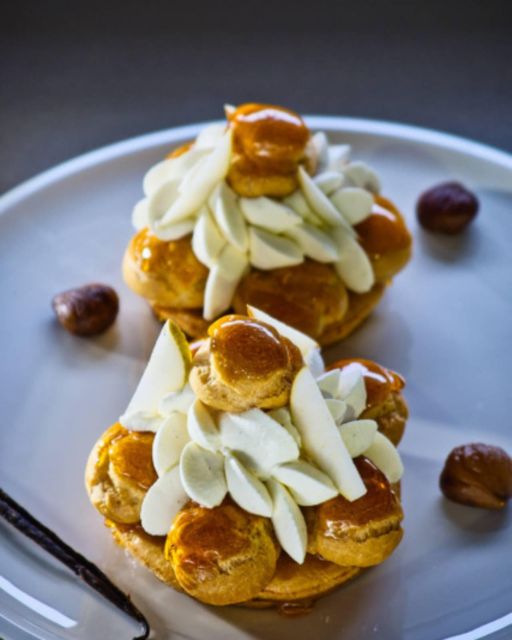
- What You Actually Make: Strawberry Pie, Millefeuille, or Saint-Honoré
- The Class Flow: Baking for 90 Minutes, Then Eating for 30
- The Take-Home Recipe and Included Gear
- Price and Value: Is $153 Reasonable for Paris Pastry?
- Who This Class Suits Best (and Who Should Skip It)
- Practical Tips for a Smooth Class Day
- Should You Book This Paris Pastry Class?
- FAQ
- How long is the pastry class?
- Where is the meeting point?
- How big is the group?
- What languages are available?
- What desserts can I choose to make?
- What’s included in the price?
- Are drinks included?
- Are there age restrictions?
- Is there free cancellation?
Key Things to Know Before You Go
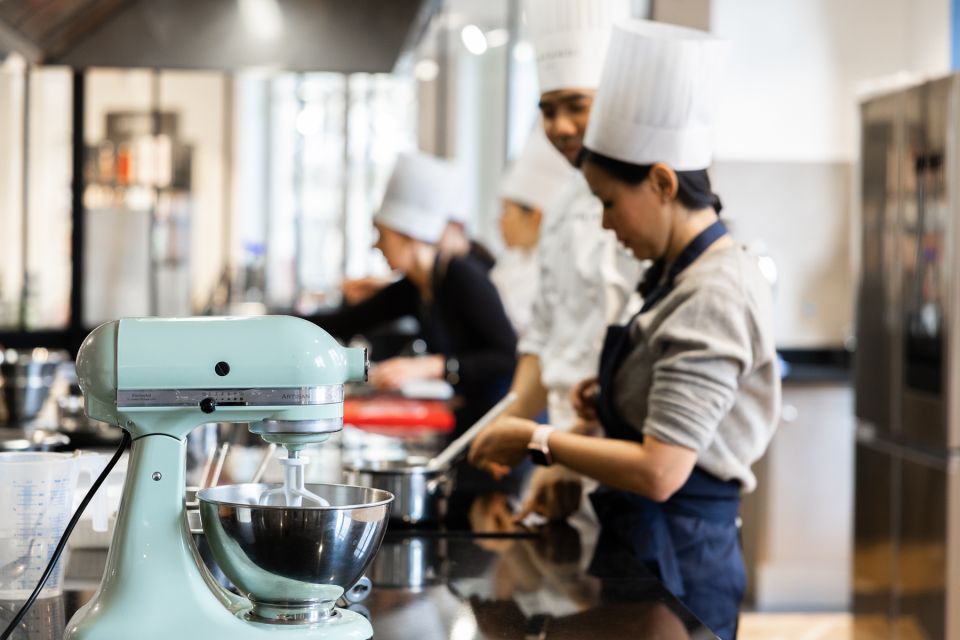
- Ferrandi Kitchen at Galeries Lafayette: you learn in a professional setup, not a spare demo counter.
- Small group (6 max): more time for tips and corrections while you’re working.
- Hands-on baking for ~1.5 hours: you’ll actively make something, then taste for about half an hour.
- Recipe included to take home: helps you practice without guessing later.
- Chef tricks and real technique talk: the class leans on methods, not only flavor.
- Expect the pace to be fast: it’s enough to learn basics, but not to master from scratch.
Ferrandi Kitchen at Galeries Lafayette: The Setting That Matters
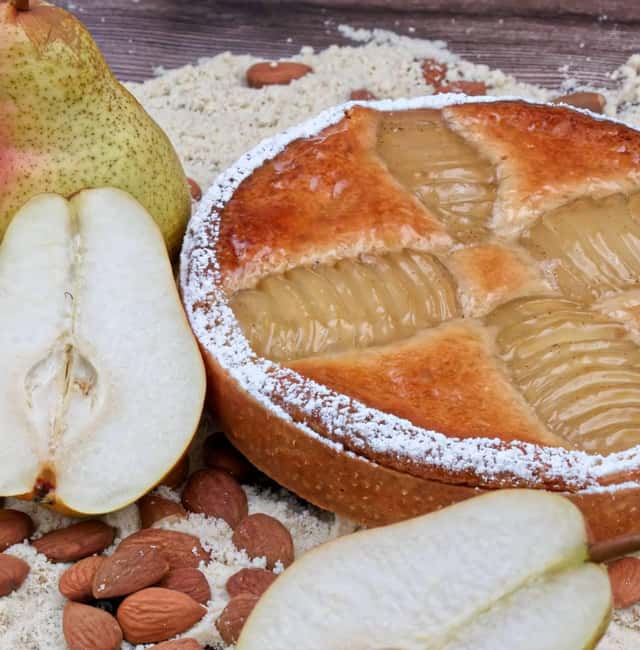
A Paris pastry class sounds romantic on paper. The real value shows up in the room. Here, you’re working at the Ferrandi Kitchen on the 3rd floor of Galeries Lafayette La Maison & Le Gourmet on Boulevard Haussmann. That location isn’t just convenient for “things to do” nearby. It also means the space is built for cooking instruction, with the tools and workflow you’d expect from a serious school-style kitchen.
You’re also in the Galeries Lafayette bubble, which changes your mindset. Outside, the building can be busy. Inside class time, it’s about stations, ingredients, and getting your hands moving. It’s a nice contrast to wandering Paris for hours and then trying to remember what you saw.
And yes, the practical stuff is covered. You’re provided an apron and a chef’s hat, so you can focus on learning instead of hunting for kitchen gear in your luggage.
A few more Paris tours and experiences worth a look


Your Chef, Your Language: Getting the Most Out of a 2-Hour Class
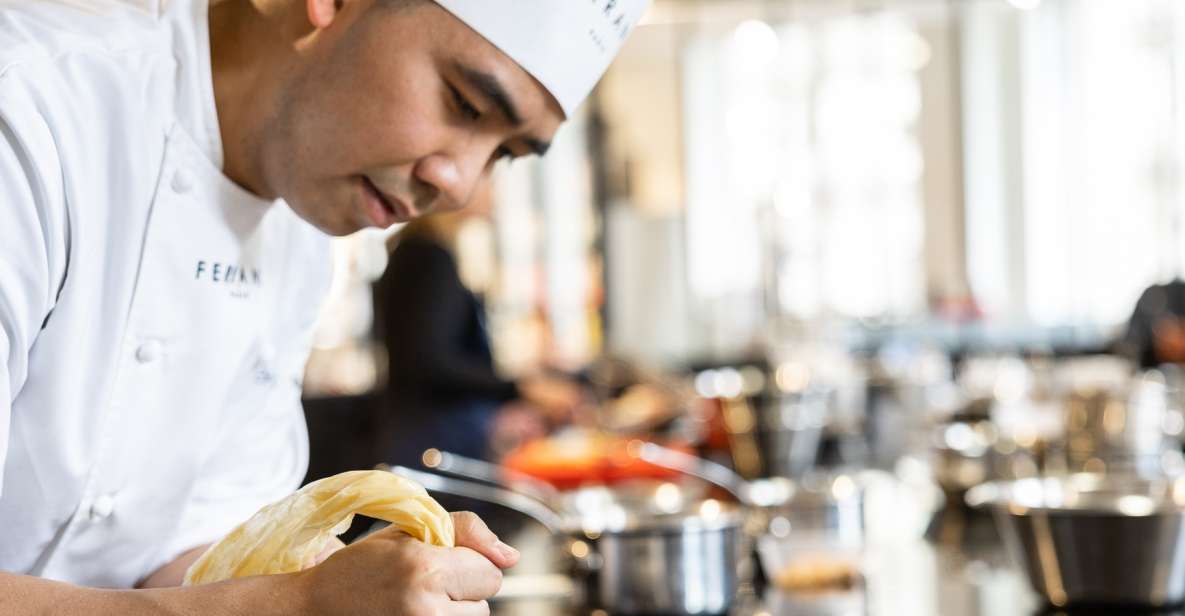
This class is designed for small groups, limited to 6 participants. That matters because French pastry is full of small timing and technique details. With fewer people, you’re more likely to get personal guidance rather than watching from the side.
You can attend in English or French. If your French is basic, don’t panic. The class is offered in English too, and having the right language can be the difference between understanding what to do and simply following steps.
From the feedback, the chef experience seems to be a highlight. People praised the welcome, the relationship-building, and the chef’s clear tips and tricks. One review specifically mentioned Sous Chef Gerald, who was described as a specialist, and that lines up with what you’d want in a class like this: someone ready to help you fix small mistakes before they become big ones.
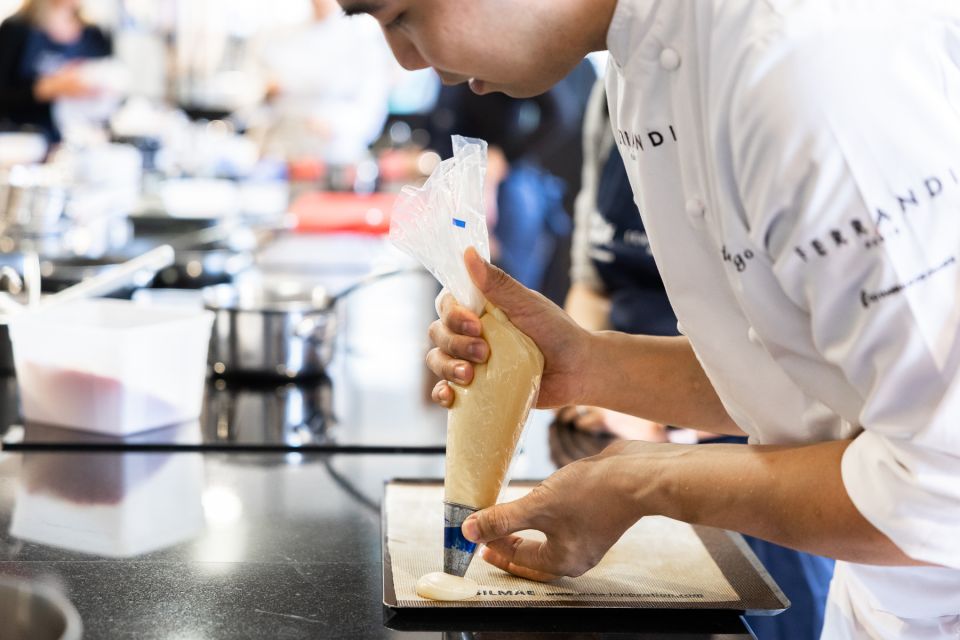
Still, keep expectations realistic. Some people noted the chef did a good amount of preparation during the class. That’s not a bad thing. In pastry, safety and quality matter. A chef may guide the process, take on the parts that demand high precision, and then put you in charge of key hands-on steps. You learn more when you’re doing the critical part, even if you’re not doing every single motion start-to-finish.
What You Actually Make: Strawberry Pie, Millefeuille, or Saint-Honoré
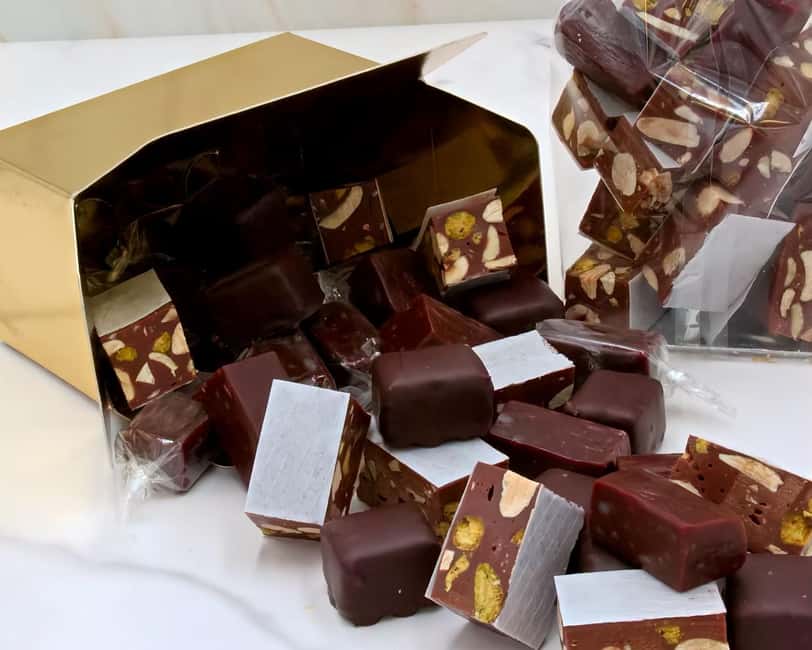
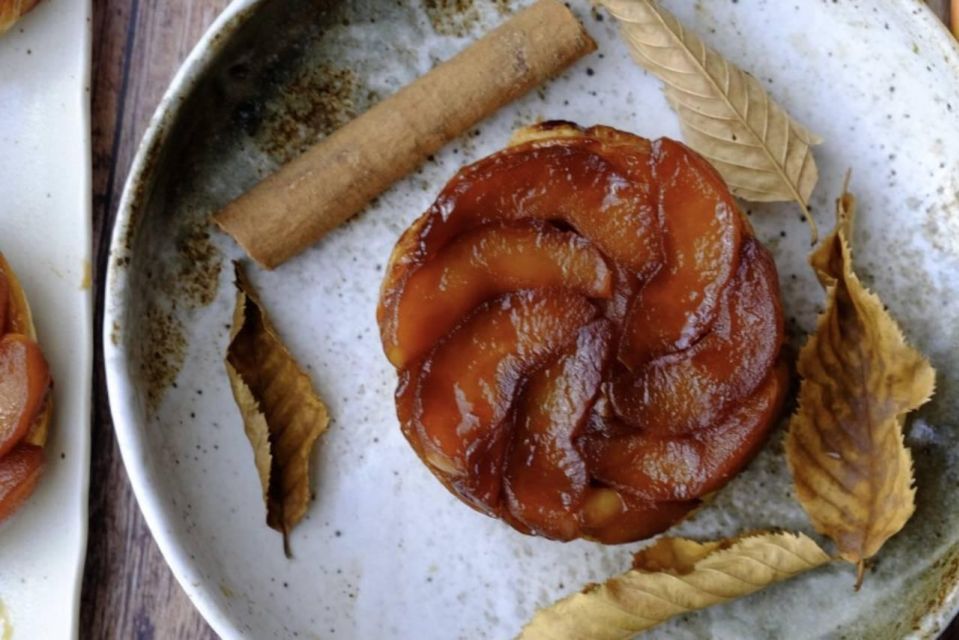
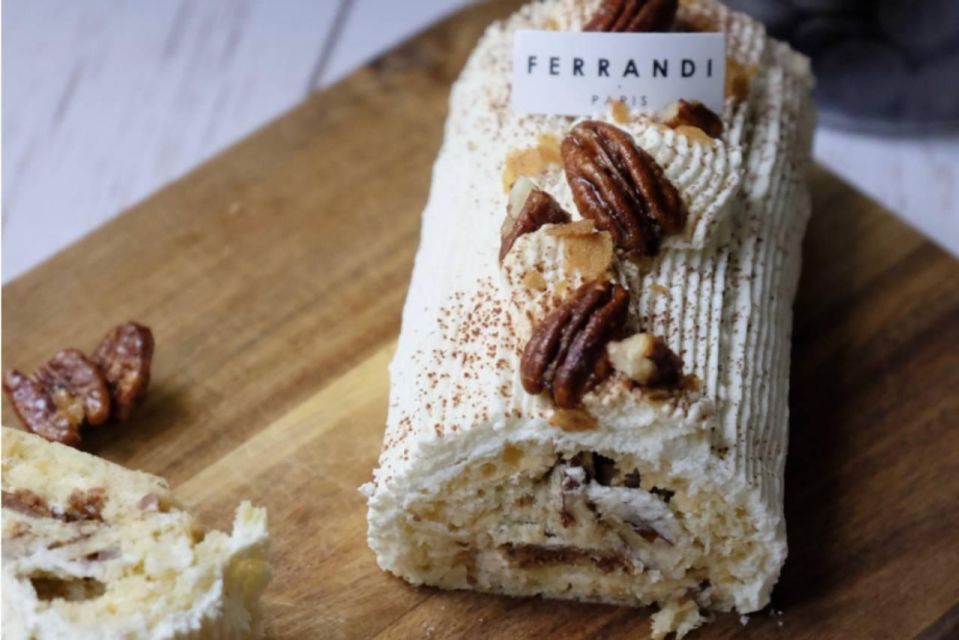
You’ll learn the basics of French pastry and the techniques behind them. The class is built around choosing from options like:
- Strawberry pie
- Millefeuille with vanilla
- Saint-Honoré cake
The exact recipe you make can depend on what’s running that day. But the structure stays consistent: you’ll do the interactive baking portion for about 1.5 hours. That time window is long enough to feel productive and understand how the workflow comes together, but short enough that you should be ready to learn fast.
Here’s why that matters for you. If you’ve ever tried to bake at home from a blog recipe, you know the hidden problem: you don’t always know what stage you’re looking for. A chef-style class reduces that uncertainty by turning vague instructions into concrete guidance. Even if you don’t leave with a perfect copy of a bakery dessert on day one, you should come away with a better sense of timing, assembly, and what to watch for while things set and cool.
Also, the class includes a recipe for you to take home. That’s more than a souvenir. It lets you practice without relying on memory, and it gives you a starting point for your next attempt. If you’re the kind of cook who likes to improve a formula over time, this helps a lot.
The Class Flow: Baking for 90 Minutes, Then Eating for 30
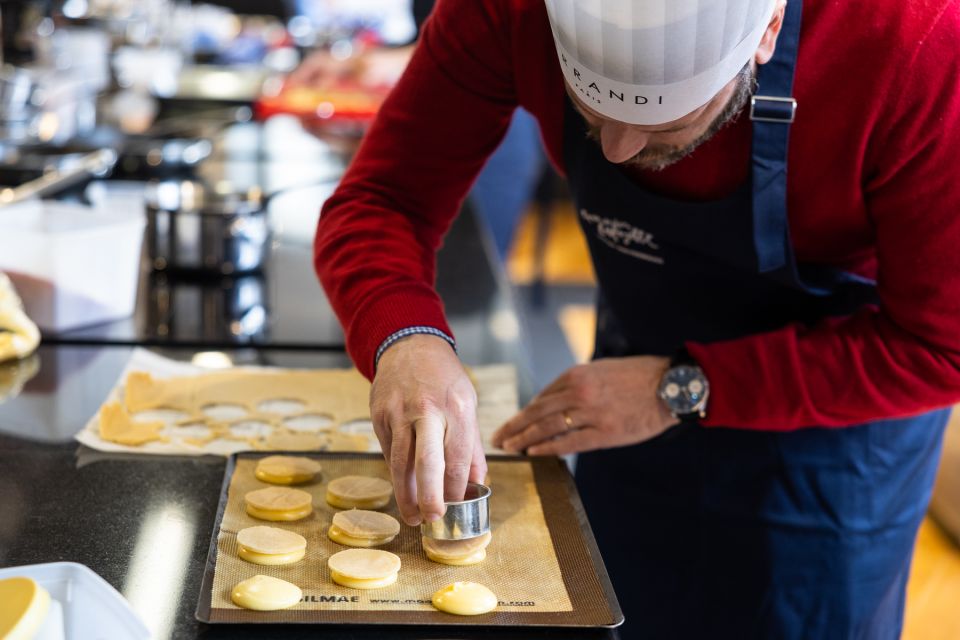
The format is simple and efficient:
- About 1.5 hours of hands-on baking
- About 30 minutes to savor what you made
In many food experiences, the eating part is the main event and the cooking is mostly a performance. Here, the cooking is the core activity. You’ll be working during the main block, which makes the tasting feel earned rather than ceremonial.
That said, there’s a slight trade-off. Because the whole class is only 2 hours, you don’t get unlimited time to slow down, troubleshoot, or re-do steps. One feedback point called out that the time can feel short for full understanding and assimilation of the recipe. I agree with that concern if your goal is mastery. If your goal is learning core techniques and leaving with a working version you can practice, the timing makes sense.
A smart move for your brain: take notes during the steps that feel most “finicky.” French pastry often comes down to small changes in temperature, handling, and timing. Even if you’re not writing down every step, jot the moments you’re most likely to forget later.
The Take-Home Recipe and Included Gear
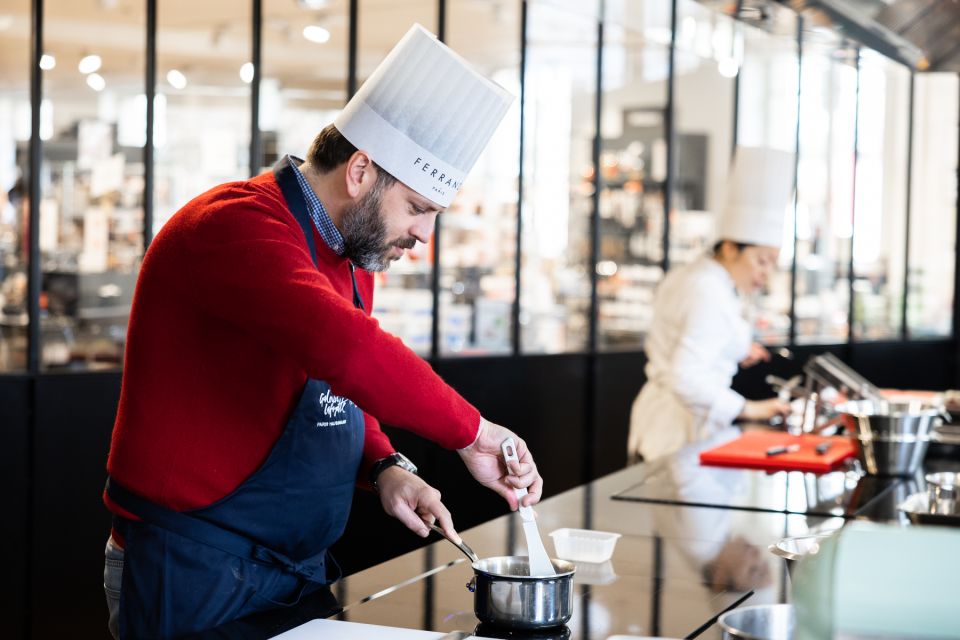
You get more than food. The class includes:
- Apron
- Chef’s hat
- Recipe
I like that the recipe is included. It turns the class into a learning tool you can revisit. Without that, pastry classes sometimes end with a nice memory and an empty fridge.
The apron and chef’s hat are also practical, not just cute. They help you settle into “doing” mode. You’re more likely to treat the session like real kitchen work rather than a photo moment.
One more thing: drinks are not included. So if you tend to get thirsty during cooking sessions, plan ahead. You might want to stop nearby for a bottle of water before class, or handle it after. You’ll be tasting at the end, so keeping yourself comfortable helps you enjoy that last half hour.






Price and Value: Is $153 Reasonable for Paris Pastry?
At $153 per person, this isn’t a budget activity. But it can be good value for the right kind of traveler.
Here’s what you’re paying for, based on what’s actually included and how the class runs:
- A small group (so guidance isn’t diluted)
- A professional kitchen setting (Ferrandi Kitchen at Galeries Lafayette)
- A chef-led session focused on techniques
- Hands-on baking (not only watching)
- A recipe included for practice at home
- Your apron/chef’s hat included
If you’re someone who likes skills and you’ll bake later, the recipe take-home and the method talk make this more than a one-time snack. On the other hand, if you simply want to eat your way through Paris and you’re not planning to cook at home, you may not feel the value. For pure food tourism, other tastings can be cheaper.
My rule of thumb: pay for this if you want a structured foundation in French pastry. Don’t pay for it if you’re chasing a relaxed stroll-and-sip afternoon.
Who This Class Suits Best (and Who Should Skip It)
This class fits best if you:
- Want a hands-on Paris experience rather than another museum stop
- Enjoy learning how to cook, not only what to eat
- Like small-group instruction and practical feedback
- Want a skill you can bring home, using the included recipe
It may be less ideal if:
- You need a slower pace or lots of repetition (the time is tight)
- You expect drinks to be included in the price
- You’re traveling with kids under the allowed ages
Age rules are clear: all children under 12 cannot participate in the French cooking class. Teenagers under 16 must be accompanied by an adult. Also, if you have accompanying persons, they must have an admission ticket.
If your group includes children older than 12, confirm who is actually participating in class. If they aren’t class participants, they still may need ticketing. The rules are meant to keep the kitchen experience focused and safe.
Practical Tips for a Smooth Class Day
A few small things can save you stress.
Bring a passport or ID card. This isn’t the kind of activity where you want to arrive without the right document.
Wear something comfortable. You’ll be working for about 1.5 hours, so you’ll want easy movement. You’ll get an apron and chef’s hat, but your outfit still matters.
No pets are allowed. If you’re bringing an animal, you’ll need a different plan.
And about your expectations: French pastry often requires a steady hand and patience. You’ll learn basics and techniques, but you’re still in a 2-hour session. It’s about learning the system, not pulling off a perfect bakery-level dessert on your first try at home.
Finally, because you’re in a big department store environment, arrive a few minutes early. Meeting point is the Ferrandi Kitchen on the 3rd floor of Galeries Lafayette La Maison & Le Gourmet.
Should You Book This Paris Pastry Class?
Book it if you want a skill-focused Paris food experience in a real kitchen setting. The small group size, the chef-led technique talk, and the included recipe are the big wins. If you like the idea of making something like strawberry pie, millefeuille with vanilla, or Saint-Honoré cake, this is a straightforward way to turn that curiosity into real kitchen knowledge.
Skip it if you’re mainly after eating and sightseeing. Also skip it if you’re expecting a long, slow practice session with lots of re-dos. The timing is efficient, and that’s exactly why it works for learning basics. It just won’t feel like a full baking bootcamp.
FAQ
How long is the pastry class?
The class lasts 2 hours, with about 1.5 hours for hands-on baking and the final half hour for tasting what you made.
Where is the meeting point?
Meet at the Ferrandi Kitchen on the 3rd floor of Galeries Lafayette La Maison & Le Gourmet, on Boulevard Haussmann.
How big is the group?
It’s a small group limited to 6 participants.
What languages are available?
The class is offered in English or French.
What desserts can I choose to make?
You can choose from options such as strawberry pie, millefeuille with vanilla, or Saint-Honoré cake.
What’s included in the price?
An apron, a chef’s hat, and a recipe are included.
Are drinks included?
No. Drinks are not included.
Are there age restrictions?
Children under 12 cannot participate. Teenagers under 16 must be accompanied by an adult, and accompanying persons also need an admission ticket.
Is there free cancellation?
Yes. You can cancel up to 1 day and 22 hours in advance for a full refund.