REVIEW · PARIS
Paris: Musée d’Orsay Private Guided Tour with Reserved Entry
Book on GetYourGuide →Operated by TOUR FRANCE EXPERIENCE · Bookable on GetYourGuide
Paris can feel like a blur of tickets and timelines, but Orsay tells a clear story. A private, expert guide turns the museum’s 1848 to 1914 collections into something you can actually follow. I love the way this tour gives personal pacing and lets you ask questions as you move room to room.
Two things I especially like: you get focused time with the museum’s best-known Impressionist and Post-Impressionist works, and you also hear why the collection includes major styles beyond Impressionism. Guides are praised for adding context beyond the paintings, including the museum’s own history and architecture, with Antoine noted for connecting French art and Paris history in a way that makes the visit click.
The main consideration is the price. At $282 per person for a 2-hour private tour, it’s not a budget play, so it makes most sense when you value guided interpretation and want to see a lot without wandering aimlessly.
In This Review
- Key takeaways
- Why the Musée d’Orsay works best with a private guide
- Skipping the ticket line and planning your meet-up at the Esplanade
- What you’ll see: Impressionists, Post-Impressionists, and the bigger art story
- The guide experience: expert commentary you can react to
- Languages and who can feel at ease
- Orsay’s history and architecture, explained in walking order
- Itinerary flow: a simple loop with smart pacing
- Price and value: what $282 really buys you
- Small extras that can change your museum day
- Who should book this Musée d’Orsay private tour
- Should you book this private Orsay tour?
- FAQ
- How long is the Musée d’Orsay private guided tour?
- Does this tour include tickets?
- Are temporary exhibitions included?
- What languages are available for the live guide?
- Is the tour private?
- Is the museum visit wheelchair accessible?
Key takeaways
- Skip the ticket line so you can start faster and keep your museum time for the art.
- Private, expert commentary with time for your questions and opinions.
- Impressionists up front with names like Monet, Van Gogh, and Degas alongside other major styles.
- Permanent collection ticket included, but temporary exhibitions are not covered.
- Flexible pacing in a 2-hour visit, which helps you match the tour to your interests.
Why the Musée d’Orsay works best with a private guide
The Musée d’Orsay is not just a big art warehouse. It’s built around a tight window of time—western art from 1848 to 1914—so the story can feel coherent if someone points out the connections. Without guidance, it’s easy to get stuck in a loop of what’s famous, and miss why those famous works matter.
On this tour, you follow your guide for two hours, and that format is ideal for people who want structure without committing to a full afternoon. You’ll see world-famous Impressionist highlights and also encounter Neoclassicism, Realism, and Symbolism as you walk through the museum’s corridors. That mix is a big part of what makes Orsay satisfying: it isn’t one-note.
The private setup changes the mood fast. You don’t have to pretend you like every room equally. You can share what grabs you and steer your guide toward the paintings you want explained in more depth. If you’ve ever spent time in museums trying to translate what you’re looking at in your head, you’ll appreciate how the guide handles the talking.
One more practical point: a good guide can prevent decision fatigue. Instead of asking yourself where to start and what to skip, you get an ordered path through the permanent collection.
You can also read our reviews of more guided tours in Paris



Skipping the ticket line and planning your meet-up at the Esplanade
This experience includes skip-the-ticket line entry, which is a quiet advantage even if you’re “fine waiting.” In peak museum hours, that time can disappear, and your energy goes with it. A reserved-entry style visit helps you spend your limited two hours actually looking at art.
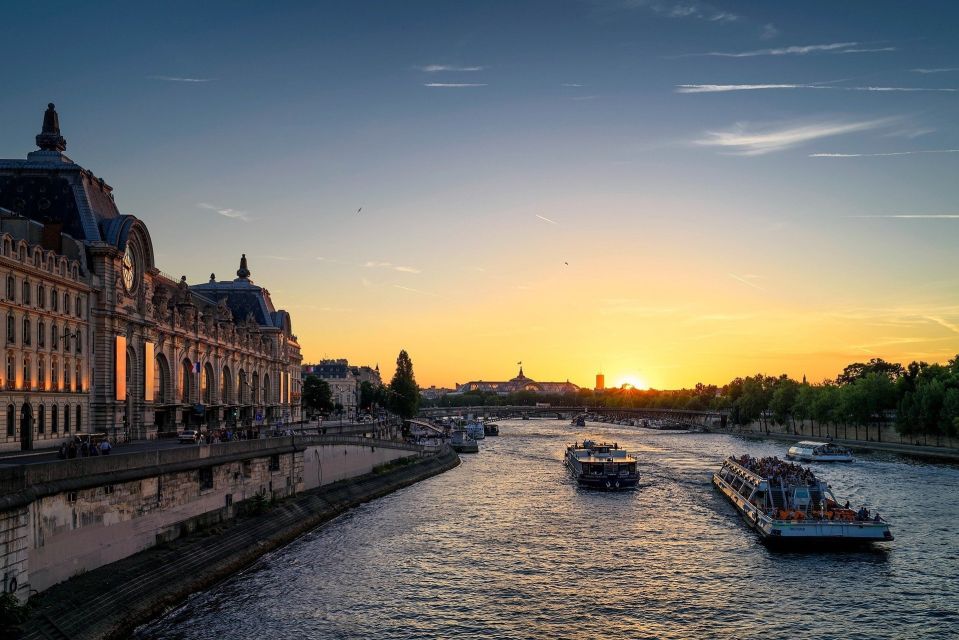
Your starting point is the Esplanade du Musée d’Orsay, and the drop-off is also at the same area. The activity description notes that the exact meeting point may vary depending on the option booked, so it’s worth checking your confirmation and arriving a few minutes early so you can find your guide without stress.
Because it’s a private group experience, you’re not negotiating with a large crowd schedule. You’re walking at the speed of your guide’s plan, with built-in flexibility so you can linger longer on the artworks that catch your eye.
What you’ll see: Impressionists, Post-Impressionists, and the bigger art story
Orsay is famous for Impressionism, and this tour leans into that strength. You’ll admire major works associated with the Impressionist Movement, plus Post-Impressionist energy that helped push European painting into the next era. The artists you can expect to encounter include Monet, Van Gogh, Degas, and more.
But the tour also treats Orsay like a museum with multiple chapters. As you move through the building, you’ll see significant works connected to Neoclassicism, Realism, and Symbolism. That matters because it explains the “why” behind Impressionism, not just the “what.” You start to notice how artists were reacting to the world around them—modern life, classic ideals, everyday scenes, and shifting ideas about meaning.
Think of it like this: if Impressionism is the headline, these other styles are the supporting cast. A private guide helps you see where a subject, technique, or theme is changing across the museum’s timeline. Instead of treating each painting as an isolated moment, you start to feel the progression.
Two hours is still a highlight-tour length, so you won’t be able to read every label on every wall. That’s why the guide’s job is so important here: you want someone to point you to the works where the story “turns,” not just the works that happen to be popular.
The guide experience: expert commentary you can react to
This is a private guided tour with live commentary, and you’re not stuck with a one-way lecture. The format explicitly invites you to share your opinions with your guide as you discuss the works that interest you most. That interaction is a real value, especially if you don’t want a stiff, museum-only experience.
What makes this work well is that it isn’t only about art technique. Guides are described as giving commentary on many works you’ll see, and they also add context that connects the museum to French culture and history. One review specifically praises Antoine for explaining not just the art, but also the history of the museum itself—plus context tied to the history of France and Paris.
If you’re the type who enjoys a little storytelling, you’ll likely get a lot out of that approach. It turns the museum into a place where the pieces make sense together: time period, artistic shift, and why Orsay’s setting matters.
Languages and who can feel at ease
Your guide can be in one of several languages: Spanish, German, Italian, Portuguese, Russian, Chinese, Japanese, English, or French. That’s a practical detail, because getting a clear explanation in a language you trust makes the difference between a “nice walk” and a truly informative visit.
Also, since this is a private group, you’re less likely to feel like you’re asking questions during a constant shuffle of other guests. You can keep the conversation going at a comfortable pace.
You can also read our reviews of more private tours in Paris
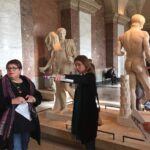





Orsay’s history and architecture, explained in walking order
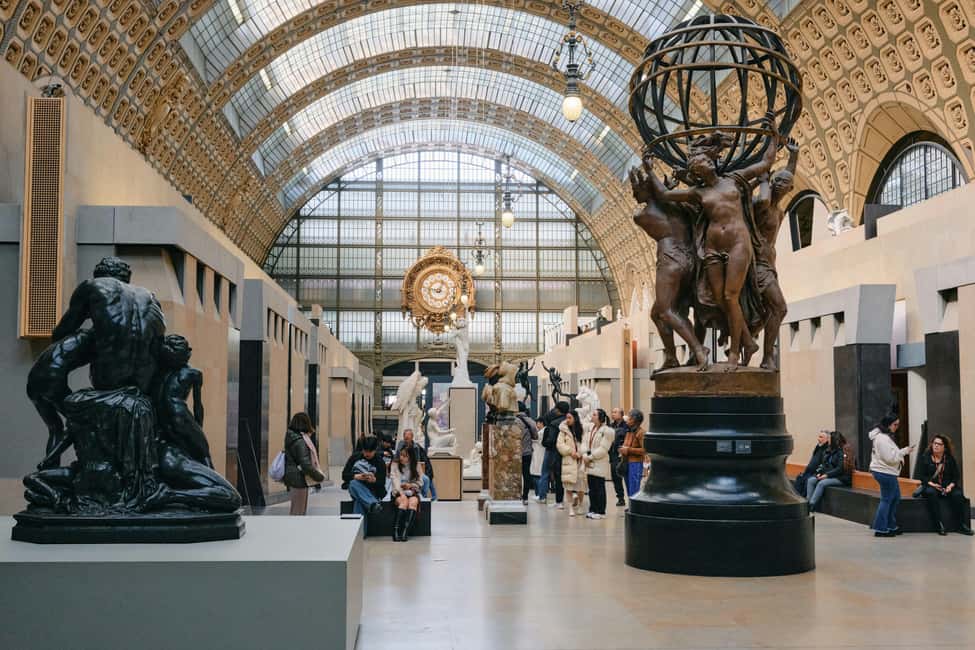
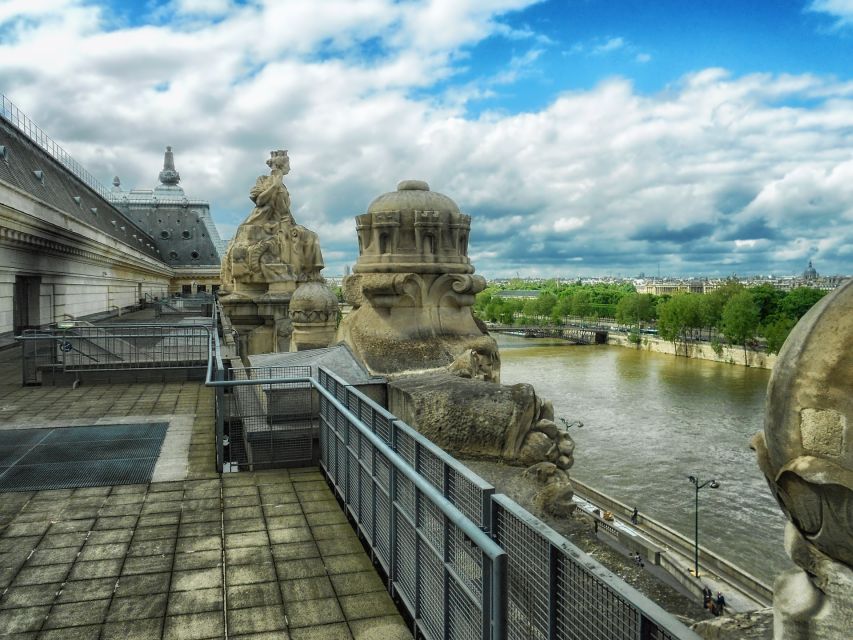
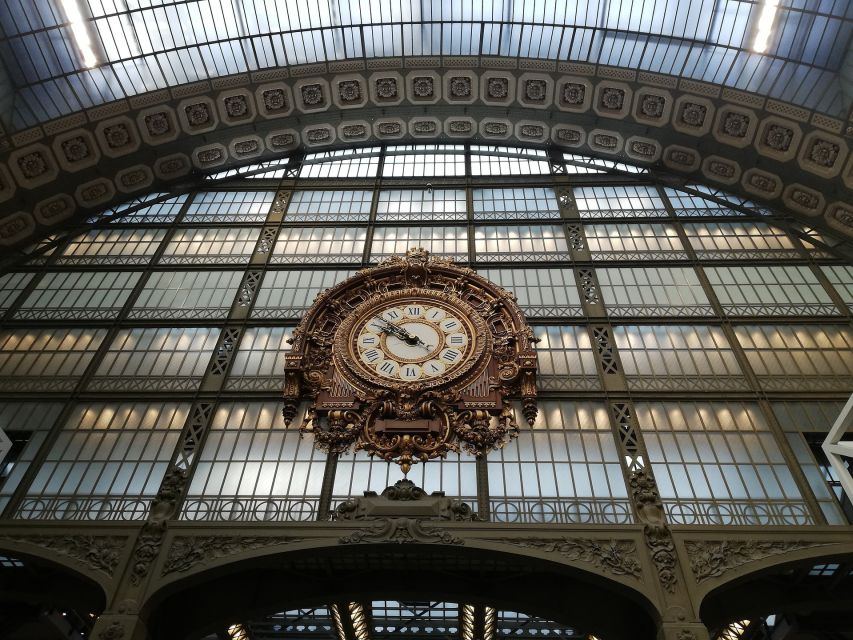
Orsay isn’t just a collection of paintings. The museum’s own history and architecture are part of the experience, and the tour includes commentary on those elements as well. You’ll take in the museum’s major spaces as you move along corridors, so you get a sense of how the building shapes your visit.
I like this approach because it stops the “art in a vacuum” feeling. Even if you only catch a few details, knowing why the museum exists and how it’s organized gives you a mental map. You’re less likely to feel lost, and you can focus on what the guide is pointing out.
And because the tour is only two hours, the commentary has to stay practical. The goal isn’t to turn you into an art historian. It’s to help you see connections quickly and leave with a clearer sense of what Orsay is about.
Itinerary flow: a simple loop with smart pacing
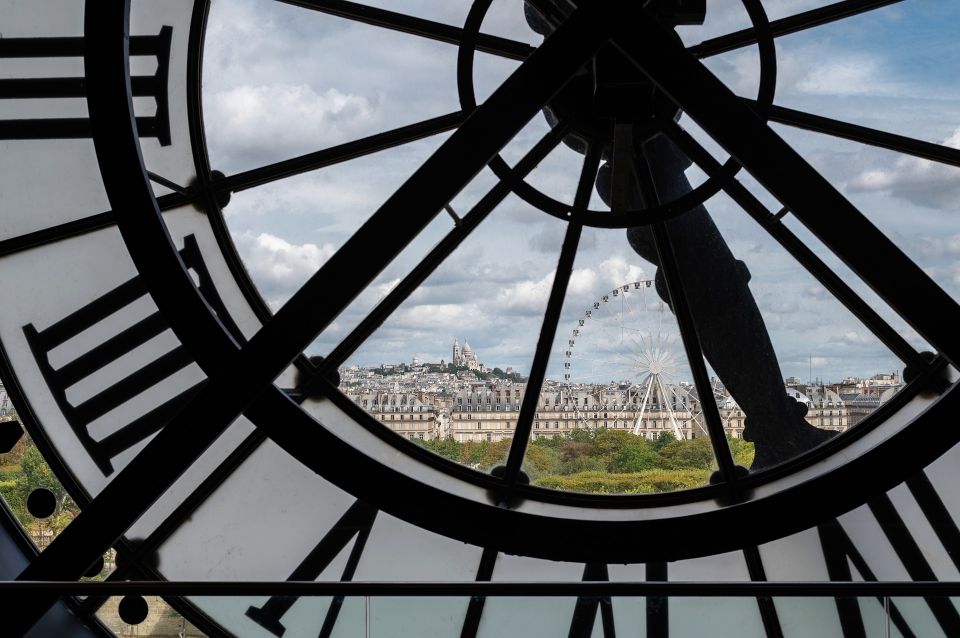
The tour is straightforward: you meet on the esplanade area, then your guided portion covers the museum experience, and you finish back at the same esplanade drop-off point. That loop matters more than it sounds, because it removes guesswork about how to structure your day.
Here’s what that flow typically means for your experience:
- You start at the museum outside, then go in with the benefit of reserved-style entry.
- For the main part, you focus on the permanent collection with expert interpretation and flexible time at the works that matter most.
- You end where you started, so you can plan dinner or the next stop without backtracking.
The big draw is that you’re not forced to “power through.” Your guide can slow down for the works that you actually want to understand, and that’s a big deal in a museum full of great choices.
Price and value: what $282 really buys you
At $282 per person for a 2-hour private tour, you’re paying for speed, focus, and interpretation—not just access. Access alone is not the main value here; the included ticket for the permanent collection is a good baseline, but the real service is having an expert explain what you’re seeing as you see it.
Here’s how to judge the value for your specific style:
- If you enjoy reading labels and you’re comfortable exploring independently, you might feel the price is heavy for only two hours.
- If you want an ordered route, clearer context, and someone to interpret what you’re looking at, the cost can start to feel fair.
The fact that the tour includes a permanent collection ticket is helpful. Also, the skip-the-line element saves time you can’t easily replace. When you’re paying for a guided experience, time saved tends to translate into better attention span and better art retention.
One more thing: you’re not limited by a group schedule. It’s private, so the tour can adjust to what you care about. That personalization is a big part of why art tours can be worth the money for the right person.
Small extras that can change your museum day
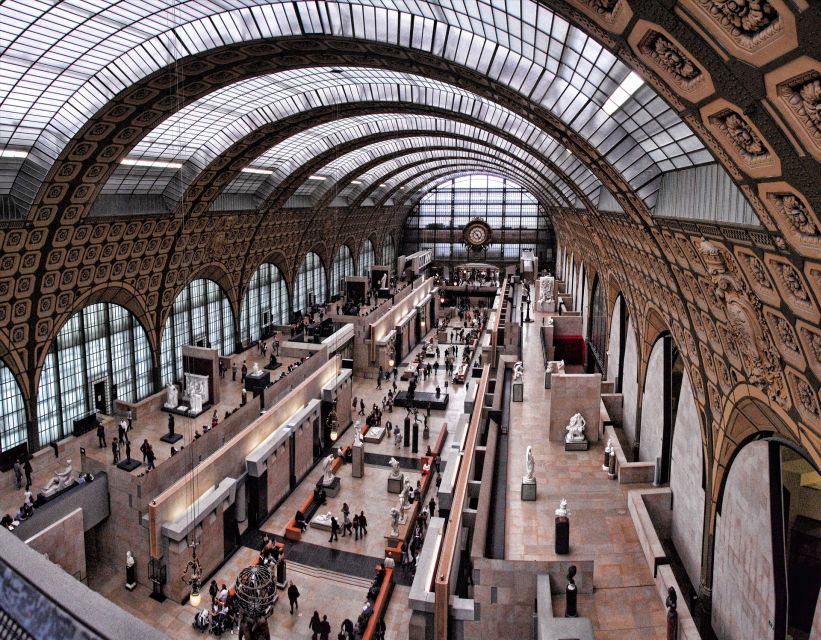
A few practical notes will help you plan smoothly:
- Audio guide: an audio phone is not included, and it costs EUR 4.00 if you want it.
- Temporary exhibitions: these are not included. Your ticket covers the permanent collection only as part of the tour.
- EU under 25: admission is free for all EU citizens under 25. If that applies to you, you may want to consider whether you’re paying primarily for the guide and reserved entry rather than the museum ticket.
- Wheelchair access: the tour can accommodate wheelchair users if you inform the operator beforehand.
None of these points are deal-breakers, but they affect how you plan what you’ll see. If temporary exhibitions are a priority, you’ll want a separate plan for those.
Who should book this Musée d’Orsay private tour
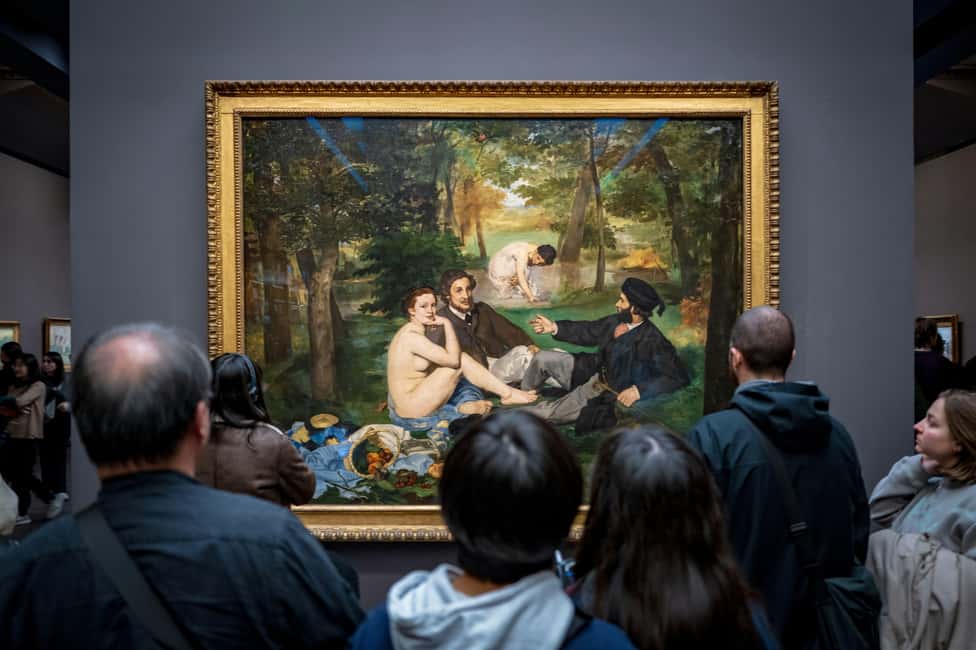
This tour fits best when you fall into at least one of these buckets:
- You’re visiting Orsay for the first time and want a guided route through the museum’s major eras.
- You care about understanding art, not just taking photos.
- You want context—French art 1800–1900, the museum’s history, and the building’s role—without needing a long course.
- You prefer the freedom to talk back to the guide and ask for explanations in the moment.
It may be less ideal if you already know Orsay well and you’re looking for a deeper, slower museum study. Two hours is a good start, but it’s still a “highlights with interpretation” length, not a full, exhaustive visit.
Should you book this private Orsay tour?
I’d book it if you want Impressionist plus context in a short, well-structured visit. The reserved entry helps you start faster, and the private guide adds the kind of meaning that turns a walk through rooms into a storyline. At $282, it’s not cheap, but for the right art-curious mindset, it can feel like paying for clarity.
I’d pause if you’re on a tight budget or if you already feel confident navigating Orsay on your own. In that case, you might get more value by using the permanent collection ticket independently and spending money on something else during your Paris day.
FAQ
How long is the Musée d’Orsay private guided tour?
It runs for 2 hours.
Does this tour include tickets?
Yes. It includes a ticket for the permanent collection.
Are temporary exhibitions included?
No. Temporary exhibitions are not included.
What languages are available for the live guide?
The live tour guide can be Spanish, German, Italian, Portuguese, Russian, Chinese, Japanese, English, or French.
Is the tour private?
Yes. It’s listed as a private group experience.
Is the museum visit wheelchair accessible?
The tour can accommodate wheelchair users if you inform the operator beforehand.