REVIEW · PARIS
Paris: Choux Pastry and Chocolate Éclair Making Class
Book on GetYourGuide →Operated by Le Foodist · Bookable on GetYourGuide
The best part of this Paris class is that you do not simply watch a chef pipe pastry. You make the basic dough, prepare crème pâtissière and Chantilly, practice piping, and turn those skills into chocolate éclairs and cream puffs. The class takes place near Notre-Dame, so it fits neatly into a day in the Latin Quarter.
I like the small group size, limited to eight, because pastry work needs room for questions and individual help. I also like the tea-time finish: after the work, you sit down with tea, coffee, or organic juice, hear witty French stories, and take home a box of your own baking. The main consideration is the price, $151 per person, which is a serious spend for three hours, especially if you mainly want to eat pastries rather than learn how to make them.
In This Review
- Key points to know before booking
- Why choux pastry is a smart Paris cooking class
- Starting at Le Foodist near Notre-Dame
- The first two hours: from dough to pastry
- Tea, coffee, and French pastry stories
- What you take home
- Who will enjoy this class most
- How the $151 price measures up
- Timing your pastry class in Paris
- My call: book it if you want a skill, not just a snack
- FAQ
- Where does the Paris choux pastry class take place?
- How long does the experience last?
- What pastries will I make?
- Is the class taught in English?
- How many people can attend?
- Are recipes included?
- Is cooking equipment provided?
- Do I take pastries home?
- Can children attend?
- Can I cancel the booking?
Key points to know before booking
- Hands-on pastry work: You make choux pastry, crème pâtissière, Chantilly, chocolate éclairs, and cream puffs rather than just watching demonstrations.
- Small Latin Quarter setting: Classes are limited to eight people at Le Foodist, 59 rue Cardinal Lemoine, near Notre-Dame.
- English instruction: Chefs including Stéphane, Florence, and Anne have led sessions with clear, patient teaching and plenty of humor.
- A practical skill to take home: Recipes are supplied in English in both hard copy and electronic form.
- Tea with a French twist: The baking ends with refreshments and stories about French culture and pastry traditions.
- Not for young children: Children under 12 cannot enter the kitchen. Ages 12 to 16 must attend with a participating adult.
Why choux pastry is a smart Paris cooking class
Paris offers cooking classes built around croissants, macarons, sauces, market shopping, and full meals. Choux pastry is a particularly useful choice because one basic dough leads to several classic French sweets. Learn the technique once, and you have a foundation for éclairs, cream puffs, and more decorative shapes.
The class focuses on pâte à choux, a dough made on the stovetop before it is piped and baked. That makes it different from a simple stir-and-bake lesson. You need to understand texture, timing, and how the dough should respond as you work it. The point is not only to produce something tasty that afternoon. It is to give you a method you can repeat at home.
You also prepare the fillings that make these pastries special. Crème pâtissière gives éclairs their smooth, rich center, while Chantilly supplies a lighter cream. These are basic French pastry building blocks, and learning them together helps you see how professional pastries are assembled rather than treating each dessert as a separate mystery.
That practical value helps explain the cost. At $151, this is not a bargain activity for someone counting every euro. But you receive a three-hour experience, roughly two hours of active kitchen work, instruction in English, equipment, an apron, recipes, refreshments, and a box of your own pastries. If you would otherwise buy a pastry class and several desserts, the value improves. If you want a quick tasting, visit a pâtisserie instead.
A few more Paris tours and experiences worth a look


Starting at Le Foodist near Notre-Dame
The meeting point is Le Foodist at 59 rue Cardinal Lemoine in the Latin Quarter, only steps from Notre-Dame de Paris. That location matters because it is easy to pair the class with sightseeing on Île de la Cité, the Left Bank, or the nearby streets of the Latin Quarter.
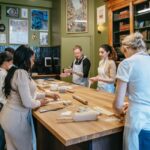
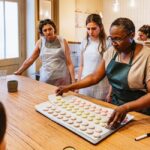
The venue is a teaching kitchen rather than a grand pastry school open for public viewing. That gives the session a relaxed, workmanlike mood. You arrive, put on an apron, and settle in with the other bakers. The group can be as small as three and is capped at eight, a useful limit when everyone needs access to ingredients, tools, and piping space.
The class begins with a welcome refreshment and a chance to meet the group. This is a small touch, but it helps if you arrive alone. One participant specifically found the class enjoyable as a solo activity, while another attended with a friend. The format works for both, since the shared kitchen tasks give you a natural way to talk without forcing a social event.
The class is taught in English. Past sessions have been led by chefs such as Stéphane, Florence, and Anne. Florence has been praised for teaching everything from scratch and sharing small culinary secrets, while Stéphane has been described as energetic, detailed, patient, and easy to understand. The exact chef depends on the scheduled session, but the teaching style is designed for mixed ability levels.
The first two hours: from dough to pastry
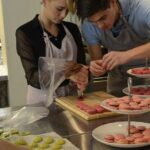
The serious work takes about two hours. You start with choux pastry, the foundation for the day. The class teaches the method step by step, including the basic handling needed before the dough can be piped.
This is where the hands-on format earns its keep. A demonstration can make pastry look easy because the chef already knows what the mixture should look and feel like. When you make it yourself, you learn the useful visual and physical clues. You also have the chance to ask why a step matters instead of copying movements without understanding them.
Next comes crème pâtissière and Chantilly. These fillings are not merely side recipes. They show you how French pastries balance texture. A crisp or tender shell needs a filling that is smooth, light, or creamy in the right proportion. The class connects those separate preparations to the final pastry.
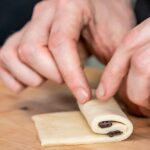
You then practice piping. This is one of the most important skills in the session, since the shape and size of the dough affect how it bakes and how it can be filled. Piping also makes the class feel creative. You are not only following a recipe in a bowl. You are shaping the pastries that will end up in your takeaway box.
The main projects are chocolate éclairs and cream puffs. The éclairs give you a classic Paris pastry to master, while the puffs let you work with another familiar choux shape. The instruction also includes some savory delicacies, adding a little range to a lesson that could otherwise be entirely sweet.
One especially appealing detail is the chance to make a traditional swan shape. That decorative form recalls the older style of French pâtisserie, when choux pastry was used for elaborate designs as well as everyday treats. It may not be the first thing you expect from an éclair class, and it gives the session a link to classic pastry presentation.
Do not expect a silent, highly formal kitchen. The class is built around clear instruction and conversation. You work, ask questions, and hear the chef explain the reasons behind the process. That makes it suitable for first-time bakers, while more serious home cooks can still pick up details about consistency, piping, and pastry assembly.
Tea, coffee, and French pastry stories
After the kitchen work, the class shifts into a more social finish. You sit down with tea, coffee, or organic fruit juices and enjoy some of what you made. A native French host shares stories about French culture and pâtisserie, often with a tongue-in-cheek style.
This part is more than a pleasant pause after cleaning up. French pastry has its own customs, language, and sense of ritual. Hearing those stories while eating the results gives the food a cultural setting that a standard baking lesson may not offer.
The tone can vary with the chef. Stéphane is described as high energy and funny in his instructions. Anne has been praised for being witty and patient. Florence brought warmth to a mother and daughter’s class and made the session feel like meaningful time together. These details suggest a class that values personality as much as technical accuracy.
The refreshments also give you time to compare results and enjoy the pastries without rushing. You should not expect a restaurant meal. This is a tea-time tasting of the work you have just completed, with extra pastries packed for later.
What you take home
You leave with a box of your own pastries. That is a useful part of the experience, since the class does not end when the last éclair is eaten at the table. You can share the results with friends or family, or keep them for the next couple of days.
You also receive the recipes in English, both as a printed copy and electronically. This is important if your goal is to repeat the class at home. A recipe alone cannot replace practice, but having the instructions in two formats makes it easier to cook from the kitchen counter or save the material for later.
The takeaway box adds value, but you should keep expectations sensible. These are pastries made during a group class, not individually finished items from a luxury pastry counter. Their appeal comes from the fact that you made them and learned the method. For many people, that is worth more than simply buying a perfect éclair.
A few more Paris tours and experiences worth a look


Who will enjoy this class most
This experience is a strong choice for anyone who likes food experiences with a practical result. It suits first-time bakers because the chef starts from the basics and explains the process clearly. It also suits experienced home cooks who want to improve their French pastry technique or learn the particular handling of choux dough.
Couples and friends can treat it as a shared activity, but you do not need a companion. The small group format gives solo participants an easy way to meet others. Families need to pay attention to the age rules: children under 12 cannot enter the kitchen, and participants aged 12 to 16 must be accompanied by a participating adult.
The class may also work well for a mother and daughter or parent and teenager, provided the younger participant meets the age requirement. One mother and daughter used the session as bonding time, with the old-fashioned swan pastry adding a memorable touch.
It is less suitable if you want a quick, passive food stop. Three hours is a real block of your Paris day, and much of it involves standing, mixing, piping, and following instructions. The class also requires enough interest in the process to justify its price.
How the $151 price measures up
At $151 per person, this is a premium activity. You are paying more than the cost of eating several éclairs in Paris. The question is what kind of souvenir you want.
If you want a guided introduction to French pastry, the price includes several useful pieces: a small group, an English-speaking chef, two hours of practical work, kitchen equipment, an apron, refreshments, recipes, and pastries to take away. The class also gives you a technique you can use again, which makes the experience more than a one-time tasting.
The eight-person limit is central to the value. Pastry work can become frustrating when a large group gathers around one work surface or when the instructor cannot see what you are doing. Here, the size leaves more room for individual attention. Stéphane has been noted for helping each participant, and the teaching is described as patient and detailed.
Still, the price will not suit every budget. If your main goal is to sample French sweets, spend the money at several excellent pâtisseries instead. If your main goal is to learn how those sweets are made and carry the skill home, the class makes a stronger case.
The free cancellation policy, available up to 24 hours before the start, gives you some flexibility. You can also reserve and pay later, which helps if your Paris schedule is still moving around.
Timing your pastry class in Paris
The class lasts three hours, with starting times depending on the date. Plan your day around the full block rather than trying to squeeze it between two fixed attractions. You will get more from the session if you arrive ready to focus instead of watching the clock.
Because the venue is near Notre-Dame, you can place it beside sightseeing in the Latin Quarter or on Île de la Cité. Check the class time before planning a museum visit or timed entry nearby. The cooking itself is the main event, not a quick stop between landmarks.
Wear something suitable for kitchen work and arrive prepared to participate. An apron and cooking equipment are provided, but the experience is active. You will be handling ingredients, piping dough, and working at the kitchen stations.
My call: book it if you want a skill, not just a snack
I would book this class if you want a personal Paris memory that continues after your trip. The strongest reasons are the small group, clear English instruction, useful pastry techniques, and the chance to make both classic éclairs and cream puffs. The tea-time stories and takeaway box give the afternoon a warm finish.
I would skip it if $151 feels high for a food activity or if you would rather spend your time sampling pastries from established bakeries. I would also avoid booking it for children under 12, who cannot enter the kitchen.
For a solo baker, a couple, a parent with an eligible teenager, or anyone curious about French pâtisserie, this is a well-focused choice. You leave with more than sugar on your fingers: you leave with recipes, practice, and a better sense of why these pastries work.
FAQ
Where does the Paris choux pastry class take place?
The class meets at Le Foodist, 59 rue Cardinal Lemoine, 75005 Paris, in the Latin Quarter near Notre-Dame de Paris.
How long does the experience last?
The full experience lasts three hours. About two hours are devoted to hands-on pastry work, followed by refreshments and stories.
What pastries will I make?
You will make choux pastry, chocolate éclairs, and cream puffs. The class also covers crème pâtissière, Chantilly, piping, and some savory preparations.
Is the class taught in English?
Yes. The listed instruction language is English.
How many people can attend?
The class is limited to eight participants. Classes may have as few as three people.
Are recipes included?
Yes. You receive all recipes in English in both hard copy and electronic form.
Is cooking equipment provided?
Yes. The class includes use of the cooking equipment and an apron.
Do I take pastries home?
Yes. You receive a box of your own pastries to take home after the class.
Can children attend?
Children under 12 cannot enter the kitchen and cannot participate. Participants aged 12 to 16 must be accompanied by a participating adult.
Can I cancel the booking?
You can cancel up to 24 hours in advance for a full refund. The activity also offers a reserve-now, pay-later option.