REVIEW · PARIS
Pairs: The Opera to Hotel des Invalides Guided Walking Tour
Book on GetYourGuide →Operated by europaguia.com · Bookable on GetYourGuide
The most striking part of this walk is the way Paris changes as you go. In two hours, you move from the theatrical Palais Garnier to jewellers on Rue de la Paix, the guillotine site at Place de la Concorde, and the Seine views from Pont Alexandre III. Parisian power and pageantry are the main show.
I like the clear route and the mix of famous sights with useful historical links. I also like that the guide’s kindness and command of the subject earned the strongest praise in the available feedback. The main drawback is important: no entrance tickets are included, and the written route finishes at Pont Alexandre III, not inside the Hôtel des Invalides.
In This Review
- Key points to know before you book
- From Napoleon III’s opera house to the Seine
- Palais Garnier and the story behind the Phantom
- Rue de la Paix and the luxury of Place Vendôme
- Place de la Concorde, from royal square to guillotine site
- The Champs Elysées and two exhibition palaces
- Pont Alexandre III and the best closing view
- What $37 buys you
- Spanish guidance and practical comfort
- Who will get the most from this walk
- Booking advice for your Paris schedule
- Should you book the Palais Garnier to Pont Alexandre III walk?
- FAQ
- Where does the tour begin?
- How do I identify the guide?
- Where does the tour finish?
- How long does the walking tour last?
- What language is the tour offered in?
- Is Palais Garnier admission included?
- Is transportation included?
- Can I cancel for a refund?
Key points to know before you book
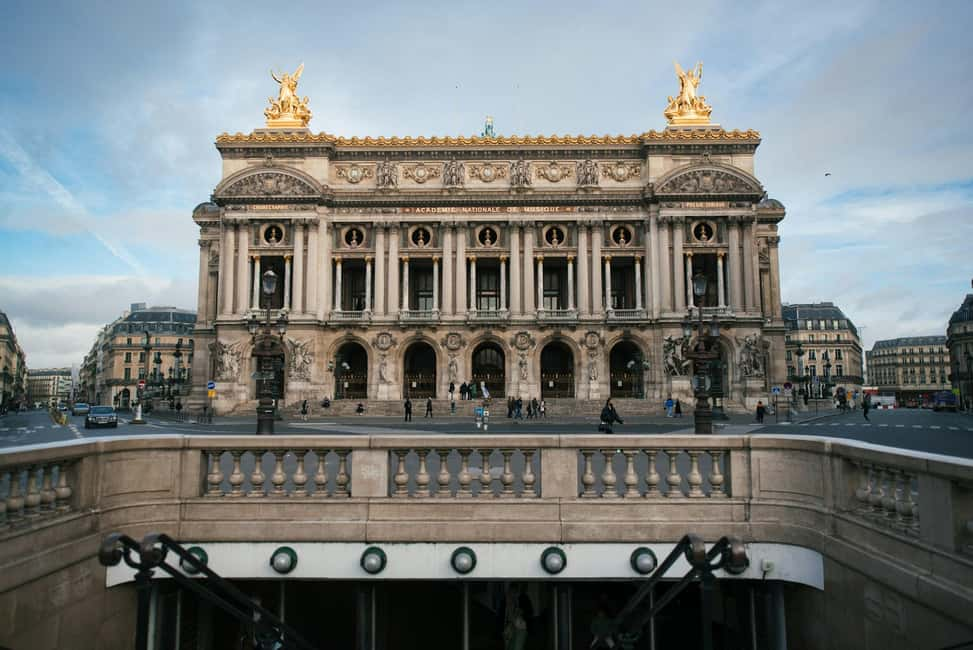
- The tour begins at Place de l’Opéra, outside the Opera metro station, near Café de la Paix and Palais Garnier.
- Palais Garnier is the opening star, with its Phantom of the Opera connection and stories tied to Napoleon III.
- Place Vendôme and Rue de la Paix offer a close look at Paris luxury, from watches and jewellery to the Ritz Hotel.
- Place de la Concorde carries both royal and revolutionary drama, including the Luxor Obelisk and former guillotine site.
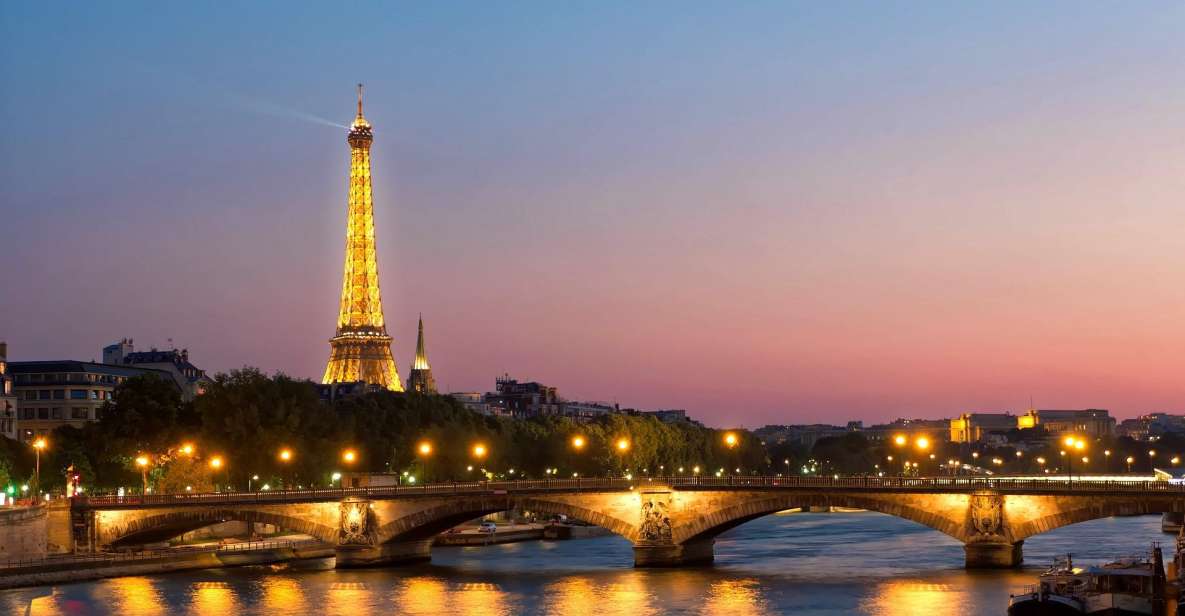
- The route ends at Pont Alexandre III, with views toward the Seine and Eiffel Tower.
- Spanish is the tour language, with a Spanish audio guide included. The $37 price covers the local guide, not transport, food, drinks, or admission.
From Napoleon III’s opera house to the Seine
This is a walking tour about Paris as a grand imperial project. Its central figure is Napoleon III, whose rebuilding of Paris helped create the broad avenues, monumental viewpoints, and formal public spaces you see along this route.
You begin at Place de l’Opéra, one of the city’s easiest meeting points. Look for the guide outside the Opera metro station, in front of Café de la Paix and the opera palace. The guide carries a small white flag with a red flame symbol, which should make the meeting point easier to spot in the crowd.
The two-hour format is useful if you want a strong introduction to central Paris without giving up half a day. You will walk through several major districts and public squares, so the tour works best as a moving history lesson rather than a slow, detailed museum visit.
I would arrive a little early. The meeting instructions are precise, but Place de l’Opéra can feel confusing if you come up from the wrong metro exit. Comfortable shoes matter, even though the route is not described as strenuous.
You can also read our reviews of more walking tours in Paris



Palais Garnier and the story behind the Phantom
The Palais Garnier gives the tour an impressive start. This opera house is the building linked to the story that inspired The Phantom of the Opera, and its ornate design fits the theatrical mood perfectly.
The tour description connects the opera to a tragic event in the emperor’s life and to the building’s creation for music. That detail gives you a useful way to read the monument. You are not simply looking at a grand facade. You are seeing how politics, public ceremony, and entertainment came together in Napoleon III’s Paris.
The Palais Garnier portion includes a guided visit, walking, and free time. Still, you should not assume that this means admission inside the opera house is part of the price. Entrance tickets are listed as not included. If entering the building is essential to you, confirm the exact arrangement before booking, or plan a separate visit.
That distinction matters. A person who wants architecture explained from the outside may find this tour sufficient. Someone hoping to see the famous interior, grand staircase, or painted ceiling should budget for a separate ticket or choose an experience that specifically includes admission.
Rue de la Paix and the luxury of Place Vendôme
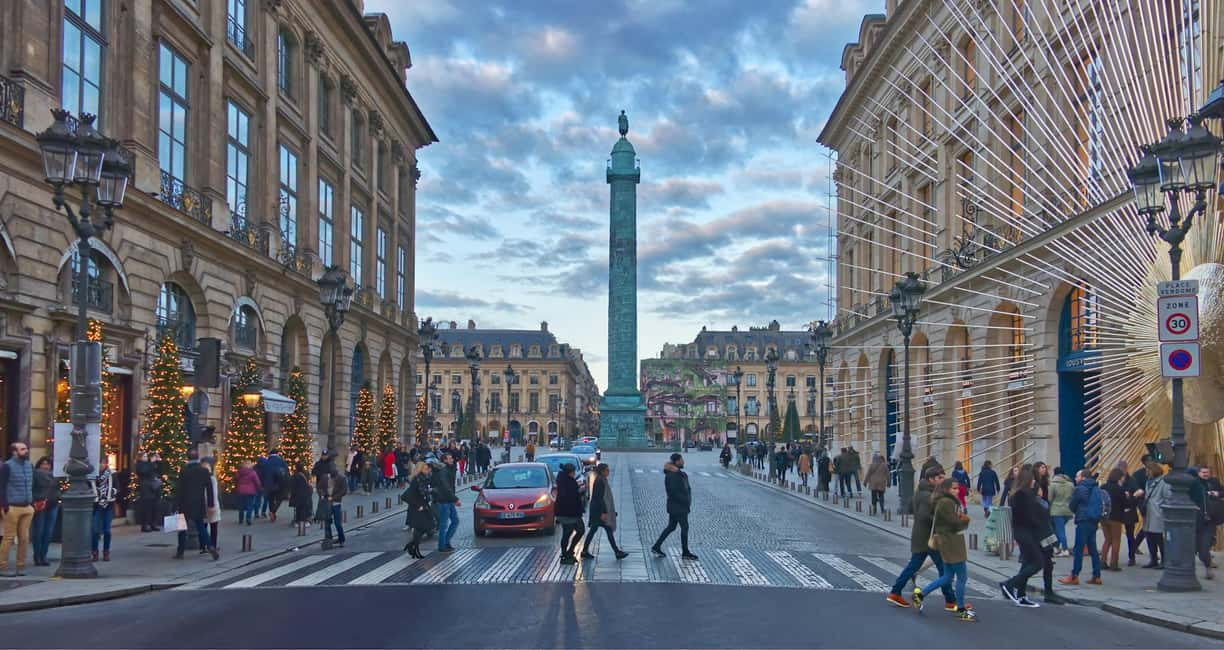
From the opera, the route continues along Rue de la Paix toward Place Vendôme. This is one of the best stretches for seeing how Paris presents luxury to the world.
You pass prestigious watch, jewellery, and fashion houses, with the Ritz Hotel as the best-known landmark. Even if you are not shopping, the area tells you something about the city’s social geography. Paris is not only museums and old churches. It is also a place where design, status, craftsmanship, and expensive storefronts have long been part of the public scene.
I like this stop because it gives the tour a change of pace. The Palais Garnier is about spectacle. Place Vendôme is about polish and wealth. The short walk between them lets the guide connect architecture with modern Parisian life.
There is also a practical limit. This is a street-level sightseeing stop, not a shopping tour or a private look inside the boutiques. You will see the setting and hear its story, but food, drinks, shopping, and other purchases are your responsibility.
Place de la Concorde, from royal square to guillotine site
The route then reaches Place de la Concorde, one of Paris’s most loaded public spaces. It is bordered by the Tuileries Gardens and linked to the upheaval of the French Revolution.
At its centre is the Luxor Obelisk, an ancient Egyptian monument that gives the square its unmistakable profile. The obelisk is a reminder that Paris often places objects from very different periods in the same view: ancient Egypt, French monarchy, revolutionary violence, and nineteenth-century imperial planning.
The darker story is just as important. During the Revolution, the guillotine was installed here. This was the site of public executions, including the death of Louis XVI. The tour’s theme of French kings and imperial Paris gains real weight at this point, because the same city that built elaborate royal spaces also turned them into stages for political punishment.
I would pay close attention here, even if the square first looks like a traffic-heavy open space. The value is in the explanation and the connections between the monument, the gardens, and the Revolution. Without a guide, you could easily cross the square and miss much of what happened here.
The Champs Elysées and two exhibition palaces
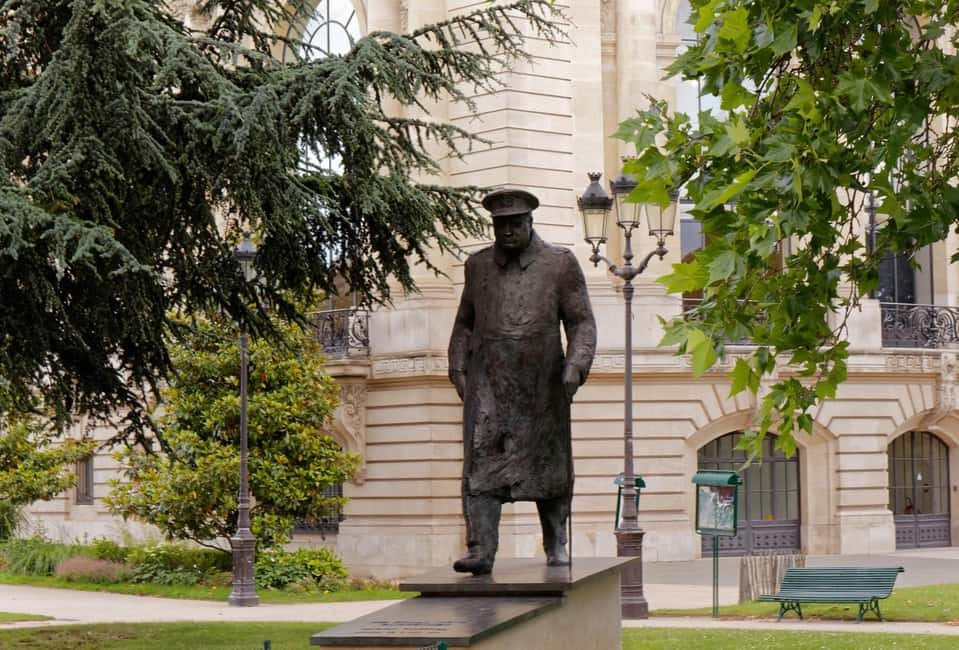
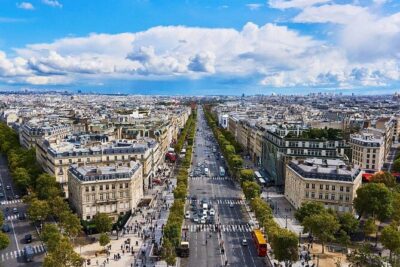
The walk continues along the Champs Elysées, often called the most beautiful boulevard in the world. That grand label is part of the story, but you do not have to accept it uncritically. The avenue can feel monumental and exciting, yet it can also be busy and commercial.
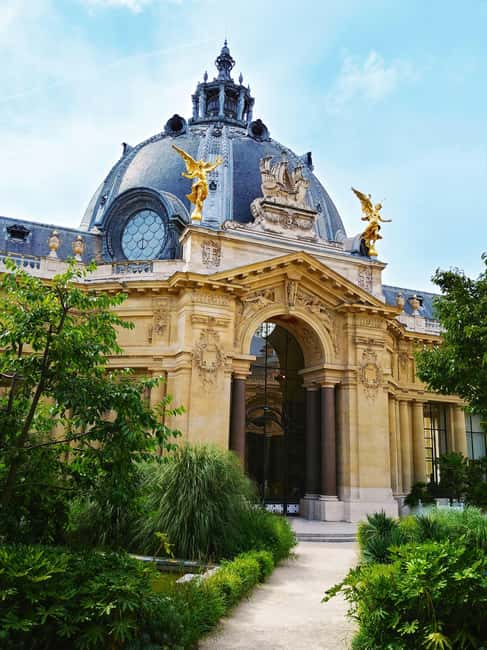
The tour focuses on the section between the Grand Palais and Petit Palais. These two buildings give the boulevard a strong cultural edge. They hosted the 1889 World Fair, described here as a unique exhibition of its kind, and they connect modern Paris with ideas drawn from ancient Greece.
This is a good place to look above the shopfronts and traffic. The Champs Elysées is not only a shopping avenue. Its ceremonial scale was designed for public display, grand movement, and national pride. The nearby palaces add museums and exhibition architecture to that picture.
The route does not include entry to either palace. You will see the buildings and hear about their role, but entrance tickets are excluded. If you want to visit the interiors, treat this walk as an introduction and schedule a separate stop.
You can also read our reviews of more guided tours in Paris


Pont Alexandre III and the best closing view
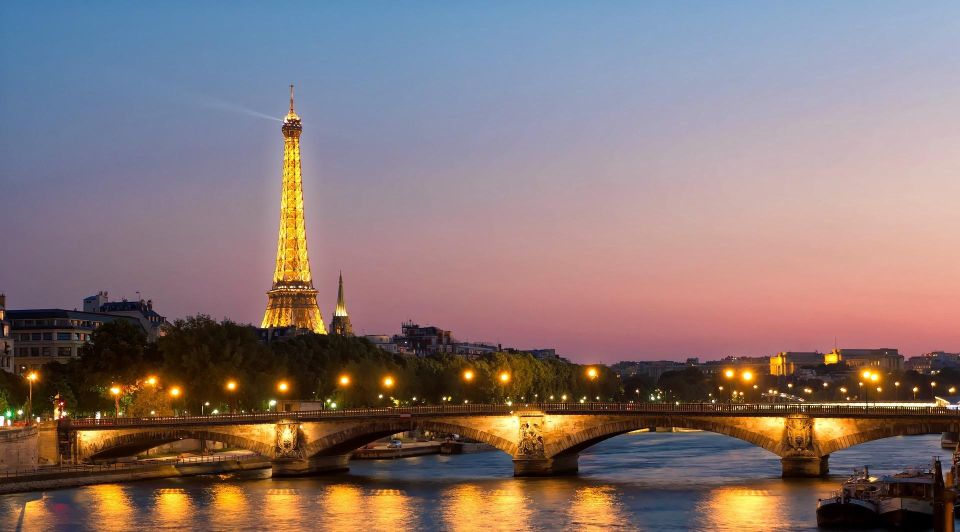
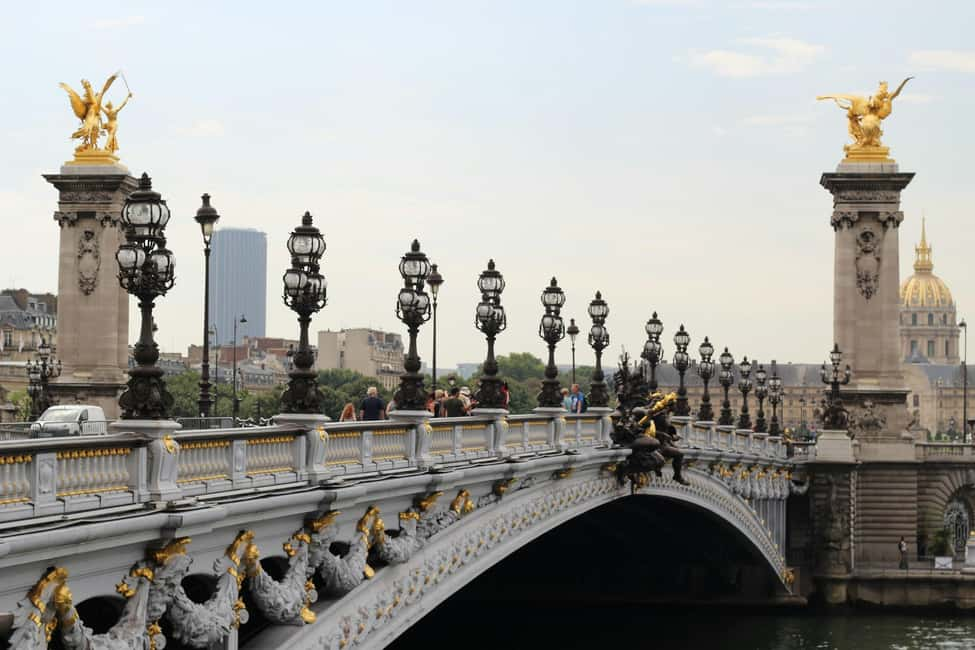
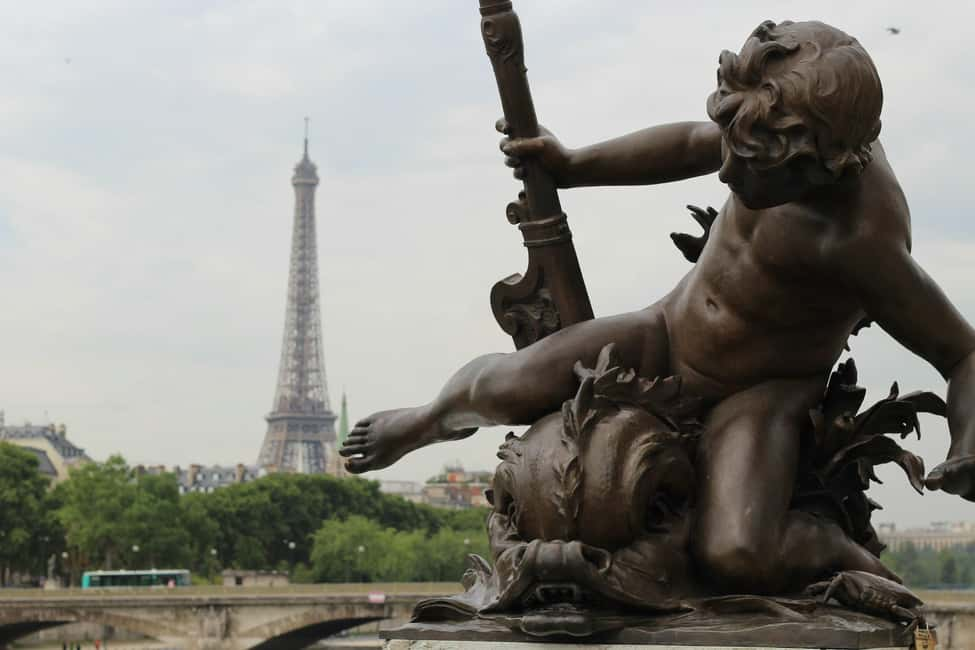
Pont Alexandre III is the final point. This bridge is an architectural tribute to a Russian tsar, and it gives the tour a fitting finish: formal decoration, international politics, the Seine, and a view toward the Eiffel Tower.
The bridge is especially useful as a place to understand Paris by sightline. From here, the river and major monuments come together in one frame. After the tighter streets around the opera and Place Vendôme, the open river view provides a welcome change.
The tour ends here, so you can continue your day in several directions. The provider also offers suggestions for evening dancing, dining, and nightlife, but those recommendations are not part of the guided walk itself.
One point needs careful attention. The title refers to Hôtel des Invalides, and the highlights mention where Napoleon rests. Yet the stated route begins at Place de l’Opéra and finishes at Pont Alexandre III. The detailed itinerary does not list a visit to Les Invalides or Napoleon’s tomb. You should confirm this before booking if seeing the Invalides is your main reason for choosing the experience.
What $37 buys you
At $37 per person, this tour sits in the affordable range for a guided walk through some of Paris’s most famous areas. You are paying for a local guide, two hours of explanation, and a planned route that links sights many people visit separately.
The value is strongest if you want context. Palais Garnier, Place Vendôme, Concorde, the Champs Elysées, and Pont Alexandre III are all easy to locate, but a guide can explain why they belong in the same story. You also avoid spending time planning a route between them.
The price is less attractive if you expect paid admissions. Transport, food, drinks, and entrance tickets are not included. You should add those costs if you want to enter the opera, Grand Palais, Petit Palais, or any other paid site along the way.
The tour also has a relatively small amount of public feedback, with an overall rating of 3.7 from three reviews. The clearest positive detail is the praise for the guide’s kindness and command of the subject. That is encouraging, but it is not enough information to promise a uniform experience with every guide or departure.
Spanish guidance and practical comfort
The live guide speaks Spanish, and a Spanish audio guide is included. This makes the tour a natural choice if you prefer to hear Parisian history in Spanish rather than rely on translated text.
The guide’s warmth matters on a route with many large spaces and busy streets. A friendly guide can help with meeting arrangements, keep the group moving, and make the history feel connected instead of scattered. The available feedback specifically highlights kindness, so that quality deserves emphasis.
The activity is listed as wheelchair accessible. Still, the description does not provide details about pavement conditions, crossing arrangements, group size, or the exact accessibility of every stop. If you use a wheelchair, confirm the practical route details before booking, especially for the longer open-air sections.
There is no transport included. That is not a major problem because the tour is designed as a walk, but you must arrange your own way to Place de l’Opéra and onward travel after Pont Alexandre III.
Who will get the most from this walk
I would choose this tour if you are visiting Paris for the first time and want a fast orientation around the city’s grand central sights. It is also a good fit if you enjoy architecture, political history, royal stories, and famous public spaces more than long museum visits.
The route suits you if you want to see several headline monuments without spending hours at one attraction. You will get a connected view of imperial Paris, French kings, the Revolution, luxury streets, and the Seine.
I would choose something else if your priority is an in-depth visit inside Palais Garnier, a dedicated tour of Napoleon’s tomb, or a slow museum experience. The route offers many exterior sights, and the absence of included admission is a key limitation.
I would also check the final destination carefully. If the attraction you want is Hôtel des Invalides, the listed endpoint at Pont Alexandre III does not confirm that you will enter or even visit the complex.
Booking advice for your Paris schedule
The free cancellation policy allows cancellation up to 24 hours before the start for a full refund. You can also reserve now and pay later, which is helpful if you are still arranging your Paris days.
I would place this walk early in your stay if you want to learn the city’s layout. The route passes major landmarks, so it can help you decide which places deserve a later, longer visit.
Book it when the Spanish language and guided context are valuable to you. Skip it if you prefer to move at your own pace, already know these monuments well, or mainly want guaranteed interior access.
Should you book the Palais Garnier to Pont Alexandre III walk?
Book it for the route and the stories, not for included admissions. At $37, it offers a sensible way to connect some of central Paris’s biggest sights in two hours, especially with a Spanish-speaking guide and audio support.
The strongest reasons to book are the well-chosen sequence, the mix of Napoleon III, royal, and revolutionary history, and the praised kindness of the guide. The main reasons to hesitate are the modest review sample, the 3.7 rating, and the unclear connection between the tour title and an actual visit to Hôtel des Invalides.
Before paying, confirm two things: exactly what happens inside or outside Palais Garnier, and whether Les Invalides is part of the route. If those details match your plans, this is a practical, lively introduction to monumental Paris.
FAQ
Where does the tour begin?
It begins at Place de l’Opéra, outside the Opera metro station. The guide waits at the exit in front of Café de la Paix and Palais Garnier.
How do I identify the guide?
The guide carries a small white flag with the company’s red flame symbol.
Where does the tour finish?
The tour finishes at Pont Alexandre III.
How long does the walking tour last?
The tour lasts two hours.
What language is the tour offered in?
The live tour guide speaks Spanish, and a Spanish audio guide is included.
Is Palais Garnier admission included?
Entrance tickets are not included. The activity includes a guided visit, walking, and free time, so you should confirm whether the Palais Garnier portion is exterior only or requires a separate ticket.
Is transportation included?
No. Transport is not included in the $37 price.
Can I cancel for a refund?
Yes. You can cancel up to 24 hours in advance for a full refund. The activity also offers reserve now and pay later.