REVIEW · PARIS
Montmartre Walking Tour in English
Book on GetYourGuide →Operated by Walkative Tours · Bookable on GetYourGuide
Montmartre tells stories on every corner. I love how this Montmartre walking tour ties famous film moments like Café des Deux Moulins to the real neighborhood behind the hype. The one catch: the guide spends plenty of time talking, so if you want a faster, quieter walk, you may feel the pace is a bit speech-heavy.
Over 150 minutes, I like that the tour explains why Montmartre’s streets and legends matter, from the Hill of Martyrs origin story to the artist boom of the 1800s. You’ll get the big-name stops too—Van Gogh’s house and the Picasso/Modigliani studios—so it’s more than just pretty views. Since it runs rain or shine, you’ll also want to dress for walking and be ready to take cover if the weather shifts.
Logistics are refreshingly simple: meet in front of Metro Blanche at the only exit, and look for the yellow umbrella. There’s no hotel pickup, so you’re joining the walk right where Montmartre starts doing its thing.
In This Review
- Key highlights worth your attention
- Montmartre’s Hill of Martyrs: why the legend matters
- From sleepy vineyards to an artist magnet
- Price and value: what $31 means on a pay-what-you-wish tour
- Entering the vibe near Metro Blanche (and finding the yellow umbrella)
- Café des Deux Moulins: when Amélie meets real Montmartre
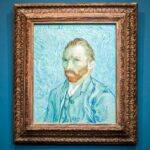
- Van Gogh’s house: seeing art history without the textbook feeling
- Studios Picasso and Modigliani: one district, overlapping legends
- Vineyard slopes and the oldest cabaret in Paris
- Moulin Rouge: the iconic endpoint that ties the night story together
- Pace, comfort, and how to get the most from a 150-minute walk
- Who this tour suits (and who might want something else)
- Should you book this Montmartre Walking Tour?
- FAQ
- FAQ
- How long is the Montmartre walking tour?
- Where do I meet the tour guide?
- Is the tour offered in English?
- How much does the tour cost?
- What stops are included?
- Is hotel pickup included?
- Does the tour run in bad weather?
- What’s the cancellation policy?
- Are reserve-and-pay options available?
Key highlights worth your attention

- Café des Deux Moulins (Amélie): film recognition plus neighborhood context, so it feels earned, not random
- Van Gogh’s house: art history grounded in place, not just dates
- Picasso and Modigliani studios: see how multiple modern-art legends overlap in one district
- Vineyard + oldest cabaret in Paris: the wine-and-nightlife side of Montmartre, explained
- Moulin Rouge: the iconic end-note that helps you map the whole neighborhood story
Montmartre’s Hill of Martyrs: why the legend matters

Montmartre’s origin starts with a name that sounds dramatic because it is. The neighborhood gets its roots from Latin Mons Martyrum—the Hill of Martyrs—and the story points to Saint Denis, the first bishop of Paris. In the legend, he’s beheaded by the Romans for refusing to renounce his faith, then somehow carries his severed head down the hill before he dies.
It’s an intense tale, and the tour doesn’t treat it like a throwaway myth. The point is to show you how Montmartre went from sacred ground to something totally different. That shift is exactly what makes the walking route interesting: you’re not just moving between sights; you’re watching the identity of a place change over centuries.
You can also read our reviews of more walking tours in Paris



From sleepy vineyards to an artist magnet

Before Montmartre became shorthand for creativity and nightlife, it was a quieter hillside village. The tour frames it as a place with vineyards, gardens, and orchards—then layers in the practical side of daily life, too. Mills were built on the slopes to grind wheat, barley, and rye, and the tour highlights that of the many mills originally built, only two survived and remain as the neighborhood’s symbol today.
That detail matters because it changes how you read the neighborhood. Instead of thinking Montmartre is just steep streets and cabarets, you start noticing the physical logic: a hill, slopes, old land use, and how the geography made the area feel separate from the rest of Paris.
Then comes the turning point. In the 1800s, cheap rents, affordable wine, and relaxed local life helped turn Montmartre into an artist hotspot. The guide connects the dots between the neighborhood’s nightlife—dancing halls, cafés, cabarets—and the influx of creators from everywhere. The district becomes the place where it was possible to live, work, and socialize in the same blocks.
Price and value: what $31 means on a pay-what-you-wish tour

You’ll see a set price listed (about $31 per person), but the format is a pay-what-you-wish tour. In other words, the amount you pay online is described as a booking fee, and your in-person contribution is up to you based on what you think of the guide and the experience.
That model can be great value if you like structured storytelling on your feet. You’re paying for an expert local guide plus a narrated walk that’s designed to hang together—legend, artists, and iconic nightlife—so you’re not left stitching the story together on your own.
A possible downside is also easy to understand: if you’re expecting a strict, timed “tour script” with minimal speaking, you might feel you’re paying for a storytelling style. If you’re into history and context (even the messy, human kind), this is the kind of walking tour that tends to justify itself.
Entering the vibe near Metro Blanche (and finding the yellow umbrella)
Meeting point matters when a neighborhood is as steep and twisty as Montmartre. You’ll start in front of Metro Blanche, at the only exit. Your job is simple: find the yellow umbrella and match up with your group.
Because there’s no hotel pickup, you avoid waiting around for shuttles. That’s a plus if you like saving time and you don’t want your day slowed down by transportation logistics. The tradeoff is also clear: you need to arrive on your own at the meeting spot.
If you’re coming from central Paris, give yourself a little buffer for walking up and down streets. Even when the tour time is 150 minutes, the surrounding area can take a few minutes to “normalize” your legs.
Café des Deux Moulins: when Amélie meets real Montmartre
One of the headline stops is Café des Deux Moulins, the café made famous by the film Amélie. On this kind of stop, you can get either a quick photo moment or a deeper experience—this tour aims for the deeper version.
What I like about doing this stop on a guided walk is that it doesn’t feel like a random fandom detour. The guide frames cafés as part of why Montmartre became a social magnet in the first place: cheap wine, relaxed conversation, and a place where people could be seen. That means the café stops don’t just play movie clips in your head; they help you understand why this neighborhood grew around public life.
Practical note: expect it to be busy in the area. Even if you don’t spend long inside (the tour description doesn’t promise entry time), you’ll likely enjoy the stop more if you use it as a visual anchor—something you can point to later when you compare what you saw in film to what’s actually on the street today.





Van Gogh’s house: seeing art history without the textbook feeling
Van Gogh’s house is the kind of stop that can go one of two ways on tours: either you get a quick mention, or you get the story made human. Here, the stop list is clearly built to keep you moving through art connected to place.
The value of visiting Van Gogh’s home area in a neighborhood like Montmartre is that the district isn’t presented as a museum set. It’s presented as a real hillside community that evolved into a magnet for artists. That context helps you understand why someone like Van Gogh fit into the larger Montmartre pattern—because it wasn’t only about fame; it was about community, the social scene, and the freedom artists felt there.
Potential drawback: Van Gogh stops can naturally feel time-limited because you’re walking. If you’re the kind of visitor who wants to sit and read every plaque forever, you might want extra independent time after the tour. But if you want the story stitched together across multiple sites, this stop works well inside the broader walk.
Studios Picasso and Modigliani: one district, overlapping legends
The tour also includes studios connected to Picasso/Modigliani. Even without going deep into specifics of each space, the bigger point is how Montmartre pulled different artists into the same orbit. You’re not just visiting one genius; you’re tracing a network.
That overlapping-artist angle is why this stop feels more satisfying than a checklist. The guide’s narrative approach makes the district easier to remember: you start seeing connections between different styles, different personalities, and how an artistic community forms when enough people try things close together.
A consideration: modern-art fans sometimes want longer “look time” at each location. Since the tour is 150 minutes and includes multiple named stops, the emphasis stays on movement and context rather than lingering. You’ll get a strong overview, then you can decide where you want to spend extra time after.
Vineyard slopes and the oldest cabaret in Paris

Montmartre’s story includes wine, and this tour leans into that. One of the highlighted elements is the vineyard side of the neighborhood, plus a stop tied to the oldest cabaret in Paris.
This is more than a fun fact. Vineyards on a city hill help you picture Montmartre before it became a nightlife brand. And the cabaret reference gives you the other half of the equation: the shift from working landscape to stage culture. In the 1800s, drinking establishments and entertainment venues were part of the “easygoing” atmosphere that attracted artists.
I also like how this section helps you understand the double personality of Montmartre. It’s romantic in photos, yes—but it’s also practical and social. When you learn how the area’s drinking-and-music culture grew, you stop treating cabarets as pure spectacle and start seeing them as community infrastructure.
Moulin Rouge: the iconic endpoint that ties the night story together
No Montmartre walk feels complete without Moulin Rouge. The tour includes it as a key highlight, and that makes sense: it’s the visual shorthand for Montmartre’s cabaret era.
What you get from including it rather than leaving it for last on your own is framing. The guide connects Moulin Rouge to the neighborhood’s larger pattern—dancing halls, cafés, cabarets, and the social world that helped artists find an audience and a rhythm.
A small realism check: Moulin Rouge is a famous site, so it can be crowded. The smartest move is to treat your time at the viewpoint as a photo-and-context moment, not a slow sit-down experience.
Pace, comfort, and how to get the most from a 150-minute walk
This is a 150-minute walking tour, so think 2.5 hours of time on foot. The route is in a hilly, stair-and-slope kind of neighborhood, so comfortable shoes matter. Even if you’re in good shape, you’ll feel the climb.
The biggest experience variable is the narration style. The tour clearly prioritizes a thoroughly constructed narrative, and you can feel that in the rhythm. Reviews include praise for guides bringing information with passion and humor, but there’s also a note that the pace could feel a bit slower with more speech. So if you prefer lots of quiet wandering, this may not be your ideal format.
If you like a guide who explains the “why” behind what you see—legends, turning points, and how the art scene grew—this tour fits that style nicely. It’s also a good choice for your first Montmartre day. You’ll leave with a story map, which makes it easier to return later on your own.
Who this tour suits (and who might want something else)
I’d point you to this tour if:
- You want art history + nightlife history in one walk.
- You like famous places but also want the neighborhood context behind them.
- You enjoy a guide who uses humor and clear explanations, and you don’t mind that the guide does most of the talking.
I’d suggest you consider another format if:
- You want minimal narration and maximum “walk and explore” time.
- You’re sensitive to crowds at big-name sites like cabaret landmarks.
- You’re hoping for lots of “inside time” at specific addresses. The tour focuses on a walking narrative with highlighted locations, not a long museum-style stay.
Should you book this Montmartre Walking Tour?
Book it if you want an organized, story-driven Montmartre experience in English that hits key art locations and also explains how the neighborhood became the Montmartre people dream about. The stop list—Café des Deux Moulins, Van Gogh’s house, Picasso/Modigliani studios, the vineyard/oldest cabaret angle, and Moulin Rouge—covers the full arc from hillside life to stage culture.
Skip it only if you’re strongly anti-narration or you need a faster pace with fewer spoken explanations. If you’re the type who enjoys connecting legends, geography, and people into one coherent picture, this is a good value way to get oriented before you wander on your own.
FAQ
FAQ
How long is the Montmartre walking tour?
It lasts 150 minutes (about 2.5 hours).
Where do I meet the tour guide?
Meet in front of Metro Blanche, at the only exit, and look for the yellow umbrella.
Is the tour offered in English?
Yes, the live tour guide speaks English.
How much does the tour cost?
The listed price is $31 per person, but the tour is described as a pay-what-you-wish style, where what you pay now is a small online booking fee and the rest is up to you.
What stops are included?
The tour highlights Café des Deux Moulins, Van Gogh’s house, Picasso/Modigliani studios, a vineyard/oldest cabaret stop, and Moulin Rouge.
Is hotel pickup included?
No. Hotel pickup and drop-off are not included.
Does the tour run in bad weather?
Yes, it runs rain or shine. If it rains or gets cold, the guide says they’ll find cover.
What’s the cancellation policy?
You can cancel up to 24 hours in advance for a full refund.
Are reserve-and-pay options available?
Yes. There’s a Reserve now & pay later option, so you can book and pay nothing today.