REVIEW · PARIS
Macaron Baking Class – near Eiffel Tower
Book on Viator →Operated by Aten-Te Aute · Bookable on Viator
Paris turns baking into an easy craft lesson. This hands-on macaron class near the Eiffel Tower is all about learning the why, not just the what, with a tiny group and real apartment tools. You’ll get step-by-step guidance on making shells and filling, plus a laid-back after-class meet-and-chat with a glass of fizz. One thing to consider: if you bring someone who won’t bake, there’s a separate companion ticket fee.
I like the balance here: serious technique, but no stiff classroom vibe. Two highlights for me are the intimate max six setup and the fact that you’re using simple home-oven style tools you can recreate later. If you’re expecting a giant production with lots of spectators, this is the opposite—more cozy, more personal, and timed tightly for about 90 minutes.
In This Review
- Key highlights before you go
- Entering a Paris apartment for macaron making
- Where to meet near the Eiffel Tower (and why location helps)
- Your 90 minutes: mise en place, shells, then filling
- 1) Mise en place and the calm start
- 2) Working the batter into the right shell base
- 3) Making a filling that matches the shells
- 4) Wrap-up with social time and photos
- The macaron lesson: story, differences, and practical technique
- Small-group energy: max six and plenty of guidance
- What’s included (and what you’ll need to plan for)
- Price and value: is $162.56 worth it?
- Who should book this macaron class?
- FAQ
- FAQ
- How long is the macaron baking class near the Eiffel Tower?
- How many people are in the group?
- Is the class taught in English?
- What’s included in the price?
- What does a non-participating companion cost?
- Can I change or get a refund if my plans change?
- Final call: should you book it?
Key highlights before you go
- Max 6 people for a calmer, more personal pace
- Shells + ganache made hands-on, not just tasting
- History storytelling from the 16th century to modern macaron know-how
- Apartment setting with equipment you can find at home markets
- English instruction and recipe access via QR code after class
- Glass of fizz after baking to wrap up in a social way
Entering a Paris apartment for macaron making
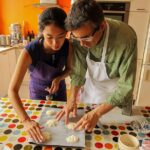
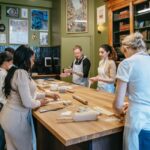
If you want a Paris food experience that feels like a real neighborhood moment, this class hits the mark. Instead of a big cooking studio, you’re doing the work in private Parisian apartments, using tools that match what you’d likely have at home—think “practical kitchen,” not “special-effects kitchen.”
You’ll start with the basics in a way that actually matters. Mise en place isn’t treated like a fancy term; it’s used to help you avoid that classic new-baker problem: rushing. When everything is staged and explained clearly, the dough (and your stress level) behaves better.
What I also like: the lesson is built around the story of the macaron. The class frames macarons as something with roots going back to the 16th century, then moves into the practical differences you need today—like how a macaron differs from a biscuit. That gives you a reason to care about details like texture and consistency, not just a recipe sheet.
One more small plus: the class is offered in English, so you’re not guessing your way through technique. And because the group is capped at six, questions don’t get lost in the shuffle.
You can also read our reviews of more cooking classes in Paris
Where to meet near the Eiffel Tower (and why location helps)

The meeting point is at 54bis Av. Mozart, 75016 Paris. The good news for planning: it’s listed as near public transportation, so you’re not forced into long walks after a busy Eiffel Tower day.
Also, “near the Eiffel Tower” in practice usually means you can pair this with classic sightseeing without reorganizing your whole trip. You could do a morning stroll, then come back for your 90-minute baking session, then head out again for dinner. Paris days already run on tight schedules; this activity fits without stealing your entire evening.
You’ll receive a mobile ticket confirmation at booking time, and the experience ends back at the meeting point. That matters more than it sounds. Cooking classes can sometimes be a one-way ticket to nowhere—this one brings you back to the start.
Your 90 minutes: mise en place, shells, then filling

Plan on about 1 hour 30 minutes. The pace is fast enough to feel efficient, but not so rushed that you can’t learn. The format is hands-on from the start, and the class explicitly focuses on making both the macaron shells and the ganache filling.
Here’s the flow you can expect:
1) Mise en place and the calm start
You begin with mise en place—basically, the organized setup before mixing. This is where you learn what goes where and why timing matters. The instructor guides you through the steps, and you’re working alongside the group rather than watching from the sidelines.
The class also uses simple tools and equipment you can find in regular markets, which helps you understand the process without needing specialized gadgets.
2) Working the batter into the right shell base
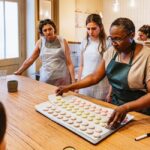
Next comes the macaron batter for the shells. This is where macaron technique stops being “just mixing” and starts being control—consistency, texture, and proper handling. Because the group is small, the instructor can explain what to look for and how to correct common issues as you go.
A neat detail from the experience: you make your own macarons. You’re not just assembling a pre-made product or following a single “line cook” workflow.
A few more Paris tours and experiences worth a look




3) Making a filling that matches the shells
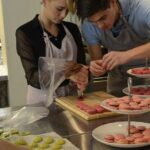
Then you move to ganache. Ganache is one of those things that can feel intimidating until someone walks you through it. The class treats the filling as part of the learning arc, not an afterthought. You’ll learn how to pair it with the shells you just baked so the final result makes sense.
4) Wrap-up with social time and photos
After baking, you get a glass of fizz to get to know your small group. You can take photos and videos as much as you want, which is great because macarons are one of those foods that look good even when you’re still learning.
The class ends back at the meeting point, so you’re not stuck figuring out transport right after you finish.
The macaron lesson: story, differences, and practical technique
This class isn’t only about following a recipe. It’s about understanding what you’re making. The instructor walks you through how macarons connect to French culinary culture over time, starting with that 16th-century reference and then bringing it to modern technique.
And then you get the lesson that helps prevent a common disappointment: the difference between a macaron and a biscuit. A biscuit is typically cookie-like—often more about crispness and simple baking results. A macaron is its own category, built around a meringue-based shell, a particular texture contrast, and the filling sandwich effect. When you understand that difference, you stop treating macarons like ordinary cookies.
One more practical takeaway: you learn how to think about consistency, not just ingredients. Reviews and the class approach both point toward clear, step-by-step instruction with staged ingredients ready when you arrive. That makes a huge difference for beginners.
Small-group energy: max six and plenty of guidance
A key reason this class earns such strong ratings is the structure. When you’re in a group of up to six, the instructor isn’t speaking to a crowd. They can slow down, point out what you should see, and keep checking that each person is on track.
This matters for macaron success. Macarons can be picky. If you’re learning, you want someone to notice your batter or mixing texture before you move to the next step.
The vibe also stays relaxed. It’s a private apartment setting with a laid-back feel, and the group time with a glass of fizz turns it into something more than just a class. It’s a chance to compare notes with the people around you—like what worked, what was tricky, and what you’d try differently back home.
You may also meet different instructors depending on the day. The class has multiple teachers mentioned in past experiences, including Yasmin, Maria, Gaby, and Cristian/Cristian. Names come and go, but the common thread is the same: clear teaching, organized setup, and a focus on making it feel doable.
What’s included (and what you’ll need to plan for)
Included in the price:
- Coffee and/or tea
- Ingredients, tools, and an apron (borrowed during the experience)
- The dessert you make: macaron
- You can take photos and videos
Not included:
- If someone comes with you but doesn’t participate, there’s a companion ticket fee of 35€, paid on site
This “companion” detail is worth thinking about before you book. If you’re planning a family outing or you want a non-baker to tag along for atmosphere, budget for that extra cost. If your group wants to all bake, you won’t deal with the companion fee.
Also, bring your normal sense of curiosity. Since ingredients and tools are provided, you don’t need to hunt for specialty supplies. The class is designed so you can recreate the results with home-friendly tools later.
Price and value: is $162.56 worth it?
At $162.56 per person, this isn’t the cheapest thing you can do in Paris. But it is priced like a premium, hands-on experience: you’re paying for small-group time, private apartment use, instruction in English, ingredients, and tools.
Here’s where the value really shows up:
- You make your own macarons (shells and ganache), not just taste or observe.
- The class is built for repeatability. It explicitly uses simple tools and an approach similar to a home oven, which means the learning carries beyond the one session.
- The cap of six people likely improves the coaching you get, and macarons reward that kind of attention.
If you love baking or you want a memorable food activity that still teaches real technique, the price starts to make sense quickly. If you’re mainly chasing a quick souvenir and don’t care about learning, you might feel the cost more than necessary.
Who should book this macaron class?
This class is a good match for people who:
- Want a hands-on Paris experience with a small group
- Are baking-curious, including non-bakers who need clear, step-by-step support
- Want something more personal than a large tour bus style activity
- Prefer learning in a real local setting (private apartments rather than a warehouse studio)
- Are celebrating something like a birthday, anniversary, or group gathering (the experience is also described as ideal for family/friends private bookings)
It may not be your best fit if:
- You want a long, slow class with lots of resting and chatting (this is about 90 minutes)
- You’re bringing a companion who won’t bake and you don’t want the extra 35€ cost
- You hate structured timing and want total flexibility (the lesson moves as a group)
FAQ
FAQ
How long is the macaron baking class near the Eiffel Tower?
It runs for about 1 hour 30 minutes.
How many people are in the group?
The class has a maximum of 6 travelers, so it stays intimate.
Is the class taught in English?
Yes, the experience is offered in English.
What’s included in the price?
You get coffee and/or tea, plus ingredients, tools, and an apron borrowed for the session. Your dessert is also included: macarons. You can take photos and videos.
What does a non-participating companion cost?
A companion ticket (someone not participating) costs 35€ and is paid on site.
Can I change or get a refund if my plans change?
No. This experience is non-refundable and cannot be changed for any reason.
Final call: should you book it?
Book this if you want a Paris food moment that actually teaches you something you can use again. The combination of small group size, hands-on making of macaron shells plus ganache, and a clear learning approach makes it a strong choice for beginners and hobby bakers alike.
Skip or rethink it if you’re only after a fast souvenir without caring about technique, or if the extra 35€ companion fee would make your group’s budget uncomfortable. If you’re in the sweet spot—curious, hungry, and open to learning—this one is easy to recommend.