REVIEW · BEAUNE
From Beaune: Full-Day Bicycle and Wine Tour in Burgundy
Book on GetYourGuide →Operated by ACTIVE TOURS / BOURGOGNE EVASION · Bookable on GetYourGuide
Wheels over Burgundy’s vineyards in one day. What makes this tour click is how it turns wine country into a moving day plan: you cycle through the Côte de Beaune hills, meet key village landmarks, then switch into tastings and lunch with a guide like Valentin steering the whole story.
I love two things most here. First, the ride is built around Burgundy’s real building blocks—appellations/climats and why Grand Cru feels different once you’re physically there, not just reading labels. Second, the stops line up well for taste and context: you get guided vineyard tastings (not just a casual sip), plus a hearty Burgundian lunch to reset after cycling.
One consideration: the day can include early uphill work, and the van transfer at the start may feel a bit tight depending on where you’re seated. If you’re sensitive to hills, plan smart from the start.
In This Review
- Key Highlights You’ll Actually Feel
- From Beaune to the Vineyards: Why This Tour Works So Well
- Getting Set Up: Bikes, Helmets, and the Short Safety Brief
- First Stops and the Photo Moments That Break Up the Ride
- La Rochepot Castle: A Medieval Burgundy Break You Can See and Photograph
- Wine Stops Before Lunch: Saint-Aubin and Chassagne-Montrachet
- Lunch in the Beaune Hills: Fuel That Actually Matters
- Downhill Toward Puligny-Montrachet: Grand Cru in Real Life
- Second Tasting Stretch and the Pommard Stop
- The Winery Estate and Stone Cellar: Buying Bottles Without the Haul
- The Ride Back: Easy Downhill, Real Roads, and How to Dress
- Value and Price: Why $250 Feels Fair for the Inclusions
- Who Should Book This Tour (and Who Might Skip It)
- Should You Book This Beaune Bicycle and Wine Tour?
- FAQ
- How long is the Burgundy bike and wine tour from Beaune?
- How far do you cycle during the tour?
- What’s included in the price?
- Is wine included with lunch?
- Do I need to bring anything specific?
- Is the bike ride difficult?
Key Highlights You’ll Actually Feel
- 24 km of cycling through Côte de Beaune, designed as an all-day flow rather than a training ride
- A medieval castle stop (La Rochepot) for that instant Burgundy wow-factor
- Wine tastings paired with explanation, from village-level zones up toward Grand Cru ideas
- A typical Burgundian lunch included, so you’re refueled before the next tasting stretch
- Winery time in a stone cellar, with an option to buy bottles and have them delivered
- Small-group energy and guides who connect safety with wine education
From Beaune to the Vineyards: Why This Tour Works So Well
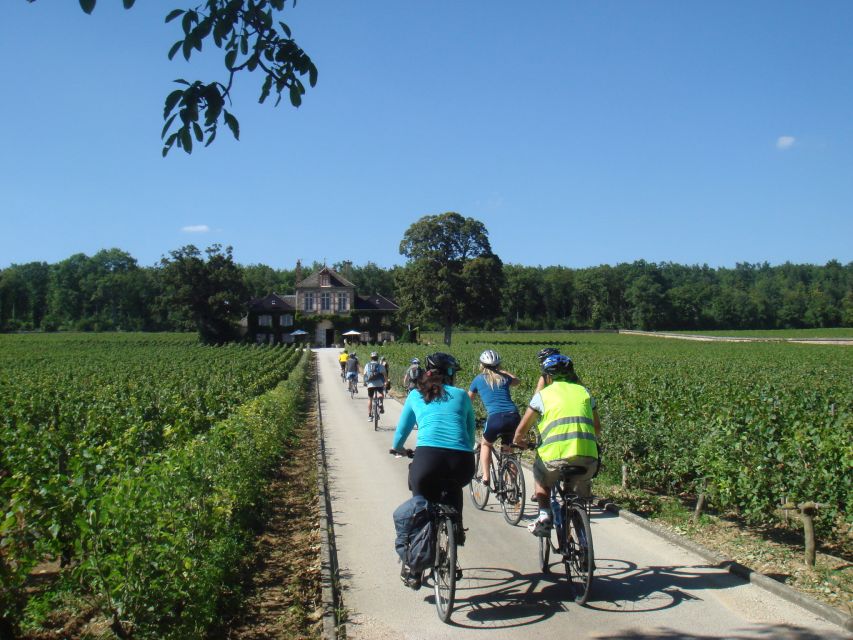
Burgundy is gorgeous, but it’s also spread out. The biggest win of this tour is that it compresses the region into one practical day. Instead of bouncing between separate buses, you ride from Beaune through the Côte de Beaune hills, stop for landmarks, and then transition into wine tastings and lunch without losing the thread.
And you get the right kind of pacing. The bike portion isn’t presented like a suffering contest. It’s set up to help you see what people mean by Burgundy—slopes, villages, vineyard blocks—while your guide keeps pointing out how the geography connects to the wine style. Guides such as Teo and Eric are cited as local and experienced, and that matters because you’re not just tasting; you’re learning how to read the region while you’re standing in it.
If you love wine but get impatient with long lectures, this style is for you. You’re moving. You’re stopping. Then you’re tasting. That back-and-forth keeps the day from turning into a slideshow.
You can also read our reviews of more wine tours in Beaune

Getting Set Up: Bikes, Helmets, and the Short Safety Brief
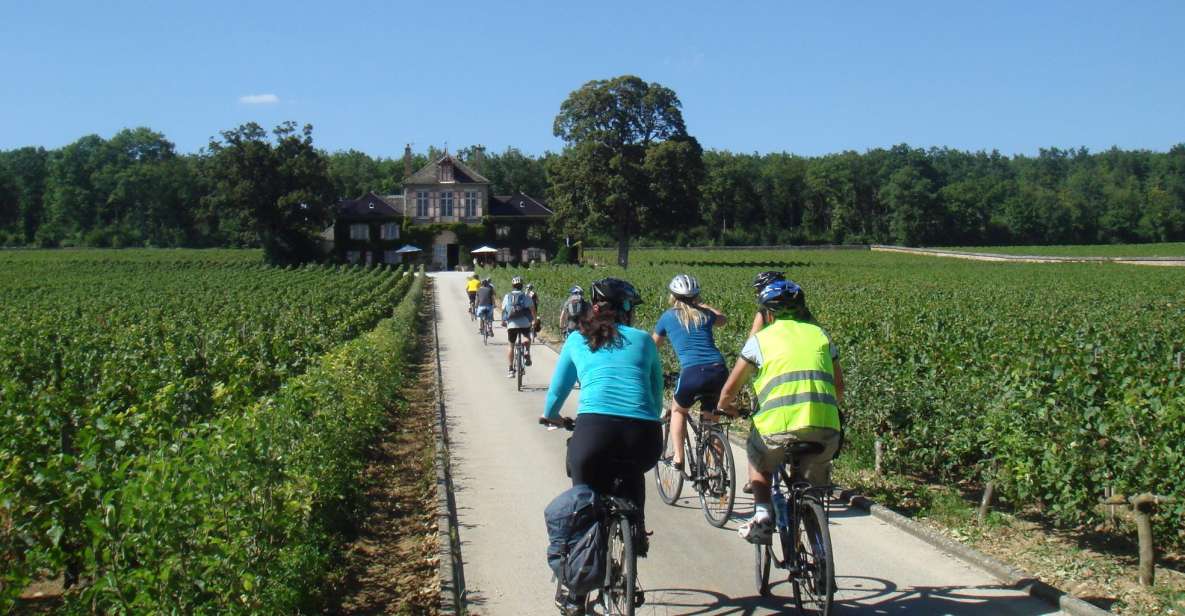
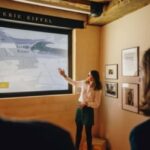
You start with a meet-up in Beaune where the exact meeting point can vary by booking option. From there, there’s a short van transfer (about 15 minutes) before your ride gets rolling. You also get a safety briefing right away, including how to use the bikes and basic bike handling.
This is where I think the tour’s value shows. When a guide takes time at the start, you spend the rest of the day enjoying the ride instead of worrying about whether you’re doing it right. Several guides named in reviews—like Valentin—are praised not only for wine explanations but also for keeping people safe on quiet roads.
One small planning note: the tour does not include a water bottle for the bike ride. Bring what you need (or plan to buy it on your own). Cycling for hours in Burgundy weather can make hydration feel like an afterthought—until it isn’t.
First Stops and the Photo Moments That Break Up the Ride
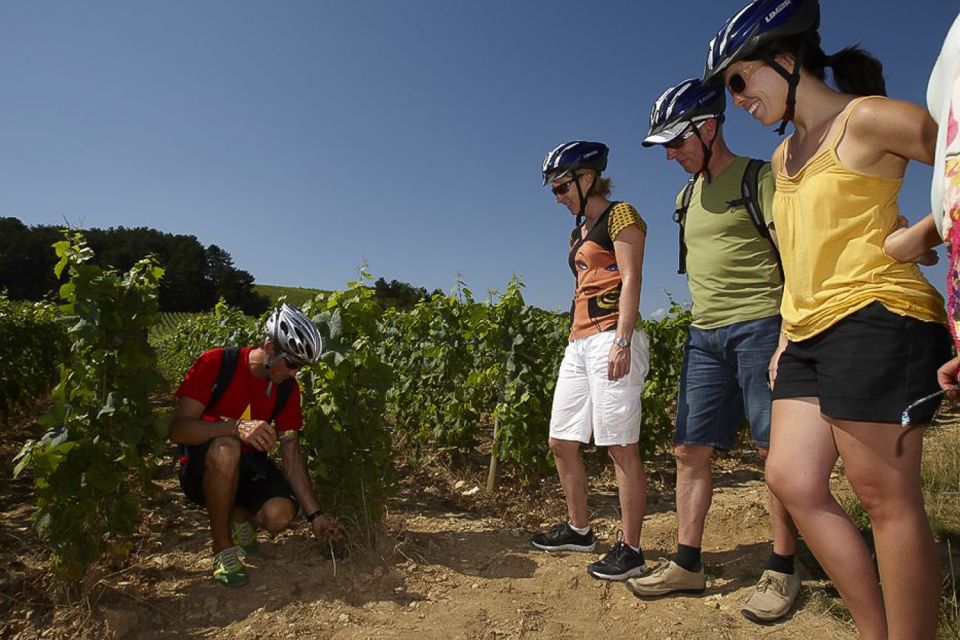
After the briefing, you’ll have quick breaks built into the schedule, including a photo stop and then a series of village-area moments that help you orient yourself. These stops are short, but they matter because they let you catch your breath, grab a camera shot, and then roll back into the cycling without losing time.
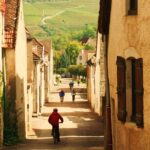
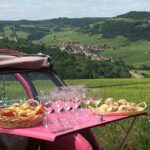
You’ll also pass through the kind of countryside that defines the Côte de Beaune: vineyards layered above villages, hedgerows, and those classic rolling hills that make Burgundy feel intimate instead of massive. The day becomes easier when you treat those brief stops as part of the rhythm rather than interruptions.
If you’re the type who hates being rushed, this part of the tour is a relief. The structure is designed to keep everyone together, but it doesn’t feel like a constant sprint.
La Rochepot Castle: A Medieval Burgundy Break You Can See and Photograph
One of the most famous stops on this route is La Rochepot, where you’ll pull over for a photo stop at a medieval castle. The tour describes it as a 13th-century stronghold linked to a Count and Countess of Burgundy, and you feel the weight of that history even if you only have a few minutes for photos.
Here’s why this stop is worth your attention: it breaks the day’s “vineyard bubble.” You get a hard visual contrast—stone fortress above the countryside—so the region stops being only about winemaking and becomes about people, power, and place. Burgundy wasn’t built just by vineyards; it was shaped by estates and families that controlled territory.
Also, photo stops are where the day pays off for less confident cyclists. Even if you arrive a bit breathless, you get a payoff that makes the effort feel justified.
Wine Stops Before Lunch: Saint-Aubin and Chassagne-Montrachet
Once you’re cycling through the Côte de Beaune, the tour transitions into wine time with tastings that connect to what you’re seeing outside the bus window.
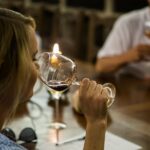
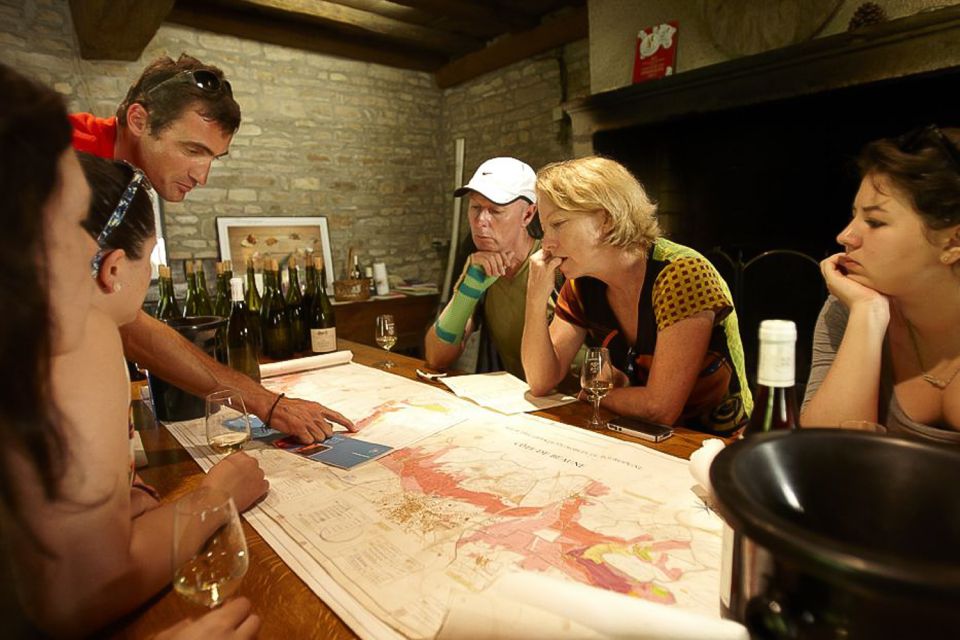
First up: Saint-Aubin for a tasting. This is an important choice because Saint-Aubin helps you understand the ladder of Burgundy wine quality and style. You’re not just tasting a random glass; your guide uses the stop to explain how different zones relate to flavor and structure.
Then the tour includes a longer tasting session at Château de Chassagne-Montrachet (with about an hour set aside). That longer block gives you time to actually notice what changes between vineyard areas—especially when your guide talks through the vine and soil logic behind Burgundy wine.
What I like about this approach is that you don’t have to be a wine expert to follow along. If you’re curious, you can ask questions. If you’re more in a relaxed mood, you can still enjoy the tastings because the pacing is not frantic.
Practical tip: tastings stack up. If you’re sensitive to alcohol, take your time, sip slowly, and keep your energy steady so you don’t feel wrecked before lunch and the next ride segment.
A few more Beaune tours and experiences worth a look



Lunch in the Beaune Hills: Fuel That Actually Matters
Lunch is included and scheduled for about 1.5 hours. It’s described as a typical Burgundian lunch in a restaurant tucked into the hills—so you’re not eating back in town after a full morning. You’re still in the rhythm of the region.
Also: wine at lunch is not included. That’s normal for this type of tour, but it’s useful to know because it keeps the budget predictable. You’ll already have wine tasting time earlier, so the lunch meal focuses more on food and refuel.
In reviews, lunch is repeatedly called hearty and a needed reset after cycling. I agree with the logic: if you treat lunch as a quick stop, the afternoon becomes harder. Here, you get time to eat properly, regroup, and then enjoy the next wave of cycling and wine.
Downhill Toward Puligny-Montrachet: Grand Cru in Real Life
One of the biggest “aha” moments of Burgundy for many people is when Grand Cru stops being a label and becomes a place. The tour specifically includes cycling downhill toward the Grand Cru of Puligny-Montrachet, and it’s set up so you experience that transition after lunch.
Even without getting technical, you’ll feel why this matters. Grand Cru vineyards are often steeped in reputation, but on the ground you can see the boundary between village areas and the premium slopes. You also understand why guides talk about climats—specific vineyard parcels—because the region isn’t just “one big vineyard.”
This is where the tour’s education piece is especially helpful. You’re taught about what makes Burgundy wine unique and how winemaking connects to what happens in the vineyard: plant, soil, and the site logic behind the wine. Guides named in reviews often focus on terroir and appellations, and it’s this mix of scenery plus explanation that makes Burgundy click for first-timers.
If your legs are a little tired, don’t stress. The schedule is designed with cycling effort in mind, and the afternoon is framed as a downhill return route to help keep the day enjoyable.
Second Tasting Stretch and the Pommard Stop
After the Puligny-Montrachet phase and the downhill flow, the tour builds toward a second major stop: Pommard for wine tasting (about an hour set aside).
That pairing makes sense. Pommard is often associated with fuller styles compared to some neighboring zones, so it helps you notice how Burgundy can shift block by block. If you’ve spent the morning learning about appellations and soils, this tasting becomes a quick “test” of what you absorbed.
In other words: you don’t just leave with photos. You leave with your senses trained.
The Winery Estate and Stone Cellar: Buying Bottles Without the Haul
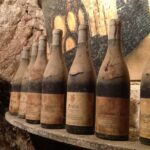
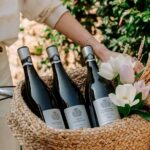
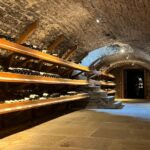
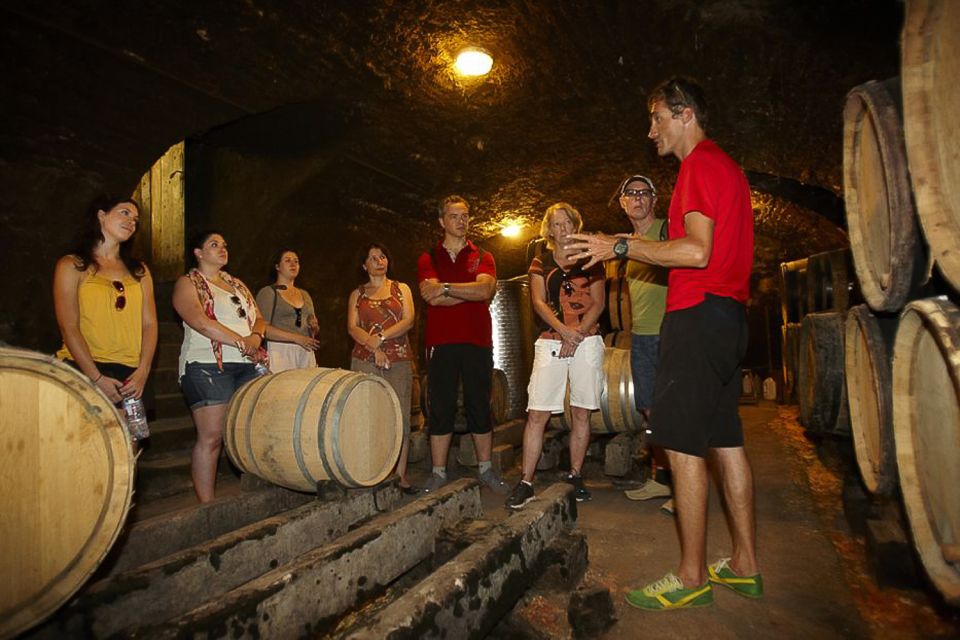
One standout practical feature is the winery visit in an estate with a stone cellar, where you can taste local wines and also buy bottles directly. The tour highlights that you can purchase bottles from the seller, and there’s an easy option to have bottles delivered directly to your hotel or home.
This is a big deal because Burgundy shopping can turn into a logistics headache. You might find yourself asking: Where do I store these safely? How do I carry them home? This tour removes that problem by building bottle purchase into the experience.
Bring cash as instructed, since the tour notes cash as something you should have. Even if you plan to pay by card, having cash as backup keeps you from getting stuck.
Also, keep an eye on how much wine you taste. Buying bottles is tempting, but you’ll enjoy the moment more if you’re thinking ahead to how many bottles you realistically want at the end of a long day.
The Ride Back: Easy Downhill, Real Roads, and How to Dress
The return route is described as easy and downhill back toward Beaune. That matters because it shapes how you should dress and pack.
For clothing, focus on comfort over style. The ride is long enough (about 24 km) that you’ll want breathable layers and shoes that feel steady on road surfaces. Comfortable clothes help you handle temperature shifts, too, since Burgundy weather can change quickly.
For gear: your helmet is provided, but you should still bring what you need for personal comfort—especially water. A camera is encouraged, and it’s a good idea because vineyards and village views are the whole point of this day.
One more practical note from reviews: some riders recommend choosing an e-bike option if it’s offered when you book. The reason is simple—there can be steeper hills at the start, and an assist makes the whole experience feel effortless instead of work. If you’re unsure, ask before you go and pick the level that matches your comfort.
Value and Price: Why $250 Feels Fair for the Inclusions
At $250 per person for about 7 hours, this tour isn’t cheap. But it also isn’t just a bike ride with a random tasting slapped on.
You’re paying for a full structure:
- van transfer and guided logistics
- helmet and organized biking
- castle visit
- wine tastings (multiple stops, including a longer tasting session)
- lunch included
- winery visit with tasting
- an option to buy wine and have bottles delivered
Also, you’re not only tasting wine. You’re learning how to interpret Burgundy—appellations and climats—and that’s part of the value. One review even pointed out that the price felt high at first, but the included lunch and tasting quality made it reasonable.
If your goal is to maximize wine exposure while also seeing the countryside in a way public transport can’t do, this price starts to look like good math.
Who Should Book This Tour (and Who Might Skip It)
This is a great fit if you:
- want to see Côte de Beaune efficiently without driving
- enjoy learning the relationship between vineyard geography and wine style
- like a structured day with tastings and breaks rather than free-form cycling
- want a route that focuses on small villages and scenic roads
You might consider skipping or upgrading your bike choice if you:
- dislike hills and want to avoid early climbing effort
- don’t drink much wine at tastings and would prefer a more food-heavy or non-alcohol focus (note: restaurant wine isn’t included, but tastings do happen)
Overall, this tour suits couples, small groups, and solo travelers who want a guided day that feels both scenic and educational.
Should You Book This Beaune Bicycle and Wine Tour?
I’d book it if you want Burgundy in one day without the stress. The mix of cycling, a famous castle stop, tastings in key areas, and a proper lunch hits the sweet spot. And the winery add-on—especially the option to buy bottles and have them delivered—takes away one of the most annoying parts of wine travel.
If you’re hill-phobic, consider an electric-assist bike option if available when you book, and plan your effort around that initial climb. Otherwise, you’ll come away with better wine instincts and a stack of real scenery, not just a few pretty photos.
FAQ
How long is the Burgundy bike and wine tour from Beaune?
The tour runs for about 7 hours.
How far do you cycle during the tour?
The total cycling distance is about 24 kilometers (roughly 16 miles).
What’s included in the price?
Included are van transfer, a bike helmet, a castle visit, wine tastings, lunch, a winery visit, and a live guide.
Is wine included with lunch?
No. Wine at the restaurant is not included.
Do I need to bring anything specific?
You should bring comfortable shoes and clothes, a camera, and cash.
Is the bike ride difficult?
The schedule includes hills, and some riders note steeper hills early on. The route includes downhill sections and is generally designed to be manageable, but if you’re sensitive to climbing, consider using an assist option if it’s available when you book.