The most unusual thing about this tasting is the lineup. In two hours, you may taste wines from Richebourg, Bonnes Mares, and Chambertin, all from Burgundy’s famed Côte de Nuits. That is a rare chance to compare some of the region’s grandest Pinot Noirs without chasing down several private estates.
I like the private tasting room, where the session is prepared around your own group, and I like the chance to taste appellations whose producers often do not receive casual visitors. Benoit has been praised for his warm welcome, passion, and clear explanations. The main drawback is the price: at $512.15 per person, this is a serious splurge, and the exact bottles can change during the season.
In This Review
- Key points at a glance
- Why this tasting is different from a standard Burgundy stop
- Arriving in Vosne-Romanée at 2 Rue Sainte-Barbe
- Five bottles, five ways to read Burgundy
- Richebourg or Romanée-Saint-Vivant
- Nuits-Saint-Georges 1er Cru Les Saint Georges
- Clos Saint-Denis or Clos de la Roche
- Bonnes Mares
- Chambertin or Chambertin-Clos de Bèze
- How the private format changes the experience
- Benoit’s welcoming approach
- Is $512.15 per person a fair price?
- Timing, cancellation, and who should book
- Should you book the Vosne Tasting Club session?
- FAQ
- Where does the tasting take place?
- How long does the experience last?
- Is the tasting private?
- Which wines are included?
- Are the exact appellations guaranteed?
- Who presents the wines?
- What does the tasting cost?
- Can I cancel for a full refund?
Key points at a glance
- Five prestigious Côte de Nuits Pinot Noirs: The planned lineup includes Richebourg or Romanée-Saint-Vivant, Bonnes Mares, Chambertin or Chambertin-Clos de Bèze, and other major Burgundy appellations.
- A private session for your group: You do not share the tasting with an unrelated party.
- A rare Vosne-Romanée setting: The club is at 2 Rue Sainte-Barbe, in the village associated with Romanée-Conti, La Tâche, and Richebourg.
- About two hours: The compact format works well when you are building a Burgundy itinerary around Beaune.
- Guided by a wine specialist: Benoit may lead the session, with wines presented and explained at proper serving temperatures.
- Seasonal substitutions matter: The listed appellations are examples, not a guaranteed bottle-by-bottle promise.
Why this tasting is different from a standard Burgundy stop
Burgundy can be frustrating for wine lovers. The most famous estates are often closed to casual public visits, and the labels themselves can feel like a code designed to test your patience. A village name, a vineyard name, a premier cru or grand cru designation, a producer, and a vintage all matter. One small change on the label can mean a large change in price.
This tasting cuts through that problem. You go directly to a private tasting club in Vosne-Romanée, one of the Côte de Nuits villages most closely linked with top Burgundy. The address is 2 Rue Sainte-Barbe, in the heart of the village. Names such as Romanée-Conti, La Tâche, and Richebourg are part of the local wine vocabulary, and the setting gives the tasting a strong sense of place.
The point is not simply to drink five expensive reds. It is to compare how Pinot Noir expresses itself across several celebrated vineyards. You get a guided look at the differences between a Nuits-Saint-Georges premier cru, a Morey-Saint-Denis grand cru, a Chambolle-Musigny grand cru, and the grand crus associated with Vosne-Romanée and Gevrey-Chambertin.
That comparison is the real value of the format. A single grand bottle can impress you, but five wines in sequence give you something to think about. You can consider structure, perfume, concentration, and finish while the specialist explains what you are tasting and why the wines differ.
You can also read our reviews of more food & drink experiences in Beaune


Arriving in Vosne-Romanée at 2 Rue Sainte-Barbe
The meeting point is easy to identify: 2 Rue Sainte-Barbe, 21700 Vosne-Romanée, France. The activity also ends there, so you do not need to arrange a separate return transfer from the tasting room.
This is useful if you are staying in Beaune and planning a day around the Côte de Nuits. The experience itself lasts about two hours, but you should allow extra time for getting to the village and for any stops you plan before or after the tasting. The tour does not include a stated transfer service, so transportation to Vosne-Romanée is your responsibility.
The mobile ticket is practical. Keep it available on your phone, and arrive with enough time to find the meeting point without rushing. You will get more from the tasting if you are settled before the first glass rather than arriving breathless and distracted.
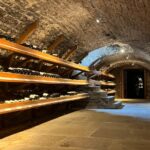
Vosne-Romanée is not presented here as a large public winery complex. It is a dedicated tasting club in the village, with a private room where the wines are served and described. That setting is a better match for serious tasting than for a noisy social stop.
Five bottles, five ways to read Burgundy
The planned selection includes five wines. The exact appellations can change during the season, so you should treat the lineup as a high-level guide rather than a fixed contract. Still, the proposed structure gives you a good idea of the experience.
Richebourg or Romanée-Saint-Vivant
The first pour may come from Richebourg or Romanée-Saint-Vivant. Both names are closely tied to Vosne-Romanée, and both sit among the most coveted wines of Burgundy.
This is an exciting way to begin because you are not easing into the tasting with a basic regional Burgundy. You may start at the top of the Côte de Nuits hierarchy. That makes the first glass memorable, but it also means you will benefit from listening carefully to the specialist. Without context, a prestigious label can become little more than an expensive name.
Ask about the differences between the two possible appellations if the selection is explained. Since only one of them may be served, you should not book expecting to taste both. The seasonal substitution note matters most here, where bottle availability can be especially limited.
Nuits-Saint-Georges 1er Cru Les Saint Georges
The second wine is listed as Nuits-Saint-Georges 1er Cru Les Saint Georges. This is a premier cru, not a grand cru, and that distinction is worth noticing.
A tasting built only around famous grand crus could leave you with a narrow view of Burgundy. Les Saint Georges offers a useful contrast. You can consider how a highly regarded premier cru fits beside the grand crus in the lineup, and you can ask the specialist to explain the classification in practical terms.
This is also one of the more helpful wines for understanding Burgundy’s value question. The name is prestigious, but the category is different from Richebourg or Chambertin. If you are trying to learn how vineyard status affects a bottle, this pour gives the session a useful reference point.
You can also read our reviews of more private tours in Beaune



Clos Saint-Denis or Clos de la Roche
The next selection may be Clos Saint-Denis or Clos de la Roche, both associated with Morey-Saint-Denis. Again, the two are alternatives, not a promise that both will appear.
These names give the tasting a different village perspective from Vosne-Romanée. The value here is comparison. You are not simply collecting grand cru labels. You are tasting wines from different sites within the Côte de Nuits and hearing how a specialist frames their character.
The lack of a guaranteed choice can be a drawback if you have one particular vineyard on your must-taste list. If you are more interested in learning the broad pattern of Côte de Nuits wines, the flexibility is easier to accept.
Bonnes Mares
Bonnes Mares is the fourth listed wine. This is a major Burgundy name associated with the Chambolle-Musigny area and one of the more distinctive inclusions in the lineup.
Its position late in the tasting makes sense. By this point, you will have several reference points, and the specialist can help you compare the wine with the earlier pours. You might find that the most useful part of the glass is not a single flavor but the way its balance and structure differ from the other wines.
The tasting information does not specify producers, vintages, or exact bottle sizes. That is important. In Burgundy, those details affect both quality and price. You should enjoy Bonnes Mares as part of the guided comparison, but do not assume that the appellation alone tells you everything about the bottle.
Chambertin or Chambertin-Clos de Bèze
The final selection may be Chambertin or Chambertin-Clos de Bèze, two of the most famous names in the Côte de Nuits. Ending with one of these appellations gives the tasting a clear high point.
A final grand cru also gives you a chance to revisit the earlier glasses in your mind. You can ask what makes this wine different from the Vosne-Romanée selection, from Bonnes Mares, or from Les Saint Georges. The best use of this final pour is not to rush through it. Take time with the explanation and notice how your palate has changed after four previous wines.
The same caution applies: you may receive one appellation or the other, and selections may change with availability. If Chambertin itself is your central reason for booking, confirm the current lineup before paying.
How the private format changes the experience
This is a private activity, so only your group participates. That matters at this price. You are not paying for a seat in a crowded public tasting where the explanation must suit a roomful of strangers with different interests.
A private session lets you set the pace through your questions. You can ask about classification, vineyard location, serving temperature, producers, or the differences between two appellations. The experience description says the wines are presented and described by a dedicated wine specialist in a private tasting room.
The wines are prepared and served at ideal temperature conditions. That is not a minor detail. Red Burgundy can lose its balance when served too warm, while cooler service can make a wine seem harder and less expressive. Proper temperature gives the specialist a fair chance to show each bottle as intended.
The private format also works well for a small group with a shared interest in Burgundy. If only one person in your party is deeply interested in wine, the price may feel harder to justify. The session is built around the wines and the discussion, not around sightseeing or a broad cultural program.
Benoit’s welcoming approach
Benoit is the only guide named in the available information, and his role is part of the appeal. He has been described as a welcoming host whose passion for Burgundy and the surrounding area comes through clearly. The important point for you is not just friendliness. A warm guide can make a technical tasting easier to follow.
Burgundy vocabulary can be dense. Terms such as grand cru, premier cru, climat, village, and appellation are not interchangeable. A good specialist helps you connect those terms to what is in the glass instead of burying you in theory.
The session is also a chance to learn about the region from someone focused on Burgundy’s estates and winemakers. The club’s stated aim is to present wines from great local estates, including producers who are not open to the public. That gives the experience a different purpose from visiting a large cellar with a standard sales pitch.
Still, the information does not promise that Benoit will lead every departure. You should think of Benoit as a possible host rather than a guaranteed guide. The named provider is Vosne Tasting Club.
Is $512.15 per person a fair price?
At $512.15 per person, this tasting is expensive by any normal travel standard. It is not a casual stop for someone who simply wants to sample Burgundy. The price needs to be judged against the intended lineup, the private format, and the difficulty of tasting these appellations elsewhere.
The potential value is clear. You may taste five bottles connected to some of Burgundy’s most prestigious vineyards, in Vosne-Romanée, with a specialist and only your own group in the room. Many estates associated with these names are closed to the public, so access is part of what you are paying for.
The limitation is equally clear. You are not guaranteed every appellation named in the description. The first, third, and fifth positions include alternatives, and all appellations may change during the season. The listing also does not specify vintages, producers, or bottle quantities. Those details are essential when comparing the price with a retail bottle or another high-end tasting.
I would see this as a special-occasion purchase. It makes more sense for a committed Burgundy enthusiast, a collector, or a couple marking an important trip than for a first-time wine drinker. Before booking, contact the provider if the exact lineup is important to you. That is the best way to decide if the current selection matches the price.
Timing, cancellation, and who should book
The tasting lasts about two hours. That is long enough for five wines and a proper explanation, yet short enough to fit into a Côte de Nuits day. You should not schedule it so tightly that a delayed arrival or an earlier meal creates stress.
The experience is booked, on average, 47 days in advance. That suggests you should plan early, especially if your dates are fixed or you want to fit the tasting into a wider Burgundy itinerary. The private format can make availability more limited than a walk-in public tasting.
Free cancellation is available if you cancel at least 24 hours before the local start time. Cancellations or changes made inside that window are not accepted for a refund. Confirmation arrives at booking, and the mobile ticket means you can use your phone rather than needing a printed document.
I would recommend this experience to you if:
- You already care about Burgundy and want to compare top Côte de Nuits appellations.
- You value a private setting and personal questions.
- You are comfortable paying a premium for access rather than for a full winery tour.
- You understand that the exact wines can change.
- You are arranging transportation to and from Vosne-Romanée yourself.
I would skip it if you want vineyard walks, a large estate tour, food pairings, or a lower-cost introduction to French wine. None of those features is part of the stated experience.
Should you book the Vosne Tasting Club session?
Book it if the idea of tasting five prestigious Burgundy Pinot Noirs in their home village excites you more than the price worries you. The strongest parts are the private room, the rare appellations, the proper serving conditions, and the chance to learn from a specialist such as Benoit.
Go in with realistic expectations. This is a focused tasting, not a general tour of Burgundy, and the wine list is seasonal. Confirm the current selections if you have your heart set on Richebourg, Romanée-Saint-Vivant, Chambertin, or another specific name.
For a serious Burgundy fan, this can be one of the most concentrated wine experiences in a Beaune-area itinerary. For everyone else, the price makes it a luxury rather than a sensible first step.
FAQ
Where does the tasting take place?
The meeting point is 2 Rue Sainte-Barbe, 21700 Vosne-Romanée, France. The activity ends back at the same meeting point.
How long does the experience last?
The tasting lasts approximately two hours.
Is the tasting private?
Yes. This is a private activity, and only your group participates.
Which wines are included?
The planned tasting includes five Pinot Noirs from major Côte de Nuits appellations: Richebourg or Romanée-Saint-Vivant, Nuits-Saint-Georges 1er Cru Les Saint Georges, Clos Saint-Denis or Clos de la Roche, Bonnes Mares, and Chambertin or Chambertin-Clos de Bèze.
Are the exact appellations guaranteed?
No. The appellations may change during the season. The listed alternatives also mean you may receive one wine from a pair rather than both.
Who presents the wines?
The wines are presented and described in a private tasting room by a dedicated wine specialist. Benoit is a named host associated with the experience, but the available information does not guarantee that he will lead every session.
What does the tasting cost?
The listed price is $512.15 per person.
Can I cancel for a full refund?
Yes, if you cancel at least 24 hours before the experience start time. Cancellations or changes made less than 24 hours before the start time are not accepted for a refund.