REVIEW · BEAUNE
Small Group Wine Tasting Tour Côte de Beaune and Côte de Nuits
Book on Viator →Operated by Burgundy Discovery · Bookable on Viator
Burgundy makes more sense when you taste it village by village, and this tour covers a remarkable sweep of the region in one day. You move from Puligny-Montrachet and Santenay in the Côte de Beaune to Vosne-Romanée in the Côte de Nuits, tasting at least 15 wines from village, Premier Cru, and Grand Cru levels.
I like the small maximum of seven people, which gives the day a more personal feel than a large coach outing. I also like the direct contact with independent winegrowers, including cellar visits and explanations of their own vineyards and methods. The main drawback is the price, $456.94 per person, and the long route means some parts of the day are spent in the vehicle.
In This Review
- Key points to know before booking
- Why this tour gives you a real feel for Burgundy
- Puligny-Montrachet and the Grand Cru starting point
- Santenay: six wines with an independent grower
- Monthelie: an old winery and five more wines
- Volnay lunch: a proper pause in the middle
- Aloxe-Corton and the Hill of Corton
- Vosne-Romanée and Burgundy’s famous red wine names
- What the flexible itinerary means for you
- Price, group size, and the value of the day
- Guide style and practical details
- Who should book this Burgundy wine day
- Should you book the Côte de Beaune and Côte de Nuits tour?
- FAQ
- How long does the wine tour last?
- How many wines will I taste?
- Which grapes are included?
- How many people can join the tour?
- Is lunch included?
- Will I visit specific wineries and growers?
- Can I cancel for a full refund?
Key points to know before booking
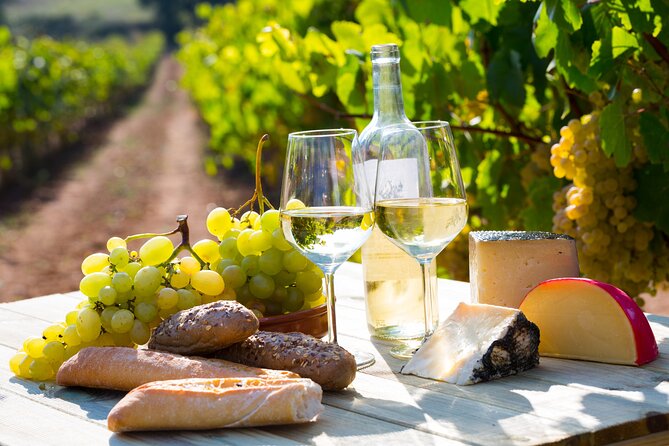
- At least 15 wines: Taste Chardonnay and Pinot Noir across several Burgundy classifications, including Premier Cru and Grand Cru bottles.
- Three grower visits: Meet independent producers in Santenay, Monthelie, and Vosne-Romanée, with cellar tastings at each.
- A full Burgundy sweep: Cover both the Côte de Beaune and Côte de Nuits in roughly eight hours.
- Lunch is included: Pause in Volnay for a traditional meal with wine pairing.
- Small group size: The vehicle carries no more than seven participants, useful for questions and conversation.
- Flexible route: The exact growers and stops can change with availability, though the stated wine quality is maintained.
Why this tour gives you a real feel for Burgundy
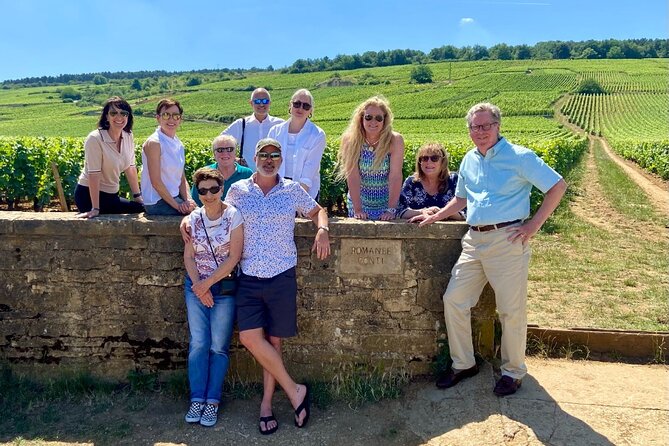
Burgundy can be confusing at first. The famous names are villages, vineyards, and classifications, and a bottle may be defined as much by its place as by its grape. This day helps sort out that puzzle by putting several areas side by side.
You taste Chardonnay from places such as Puligny-Montrachet and Chassagne-Montrachet, then compare Pinot Noir from Santenay, Monthelie, Beaune, and Vosne-Romanée. That progression matters. It lets you notice how the same grape changes as the soil, slope, and village change.
The tour also goes beyond polished tasting rooms. You visit independent winegrowers, walk through vineyards, enter old wineries, and taste with producers. If you want a broad introduction to Burgundy that still feels connected to small-scale winemaking, this format has a lot going for it.
The group limit of seven is another strong point. Wine tasting is more useful when you can ask why one Premier Cru costs more than a village wine, or how a grower handles Chardonnay differently from Pinot Noir. A small group gives you a better chance to ask those questions without holding up a busload of people.
You can also read our reviews of more food & drink experiences in Beaune

Puligny-Montrachet and the Grand Cru starting point
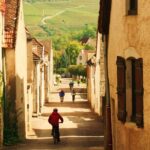
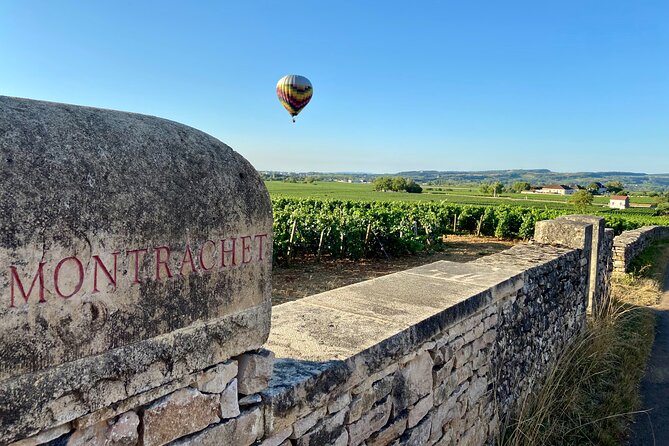
The day begins by driving through the Côte de Beaune toward Puligny-Montrachet. Rather than rushing straight into a tasting, the route first uses the vineyards and old wine villages to explain Burgundy’s basic ideas of terroir and classification.
You stop near the great Grand Crus of Montrachet for about 30 minutes. This is a useful orientation because Montrachet is one of the key names in white Burgundy. The stop is not described as a formal tasting, so think of it as a visual and educational introduction before the cellar visits begin.
The value here is context. When you taste a Premier Cru Chardonnay later in the morning, you will have already heard how Burgundy ranks its vineyards and why a small change in location can affect a wine’s reputation and price.
The exact views depend on the route and the day, but the drive itself is part of the lesson. You see how closely the villages and vineyards are linked, rather than treating each tasting as an isolated stop.
Santenay: six wines with an independent grower
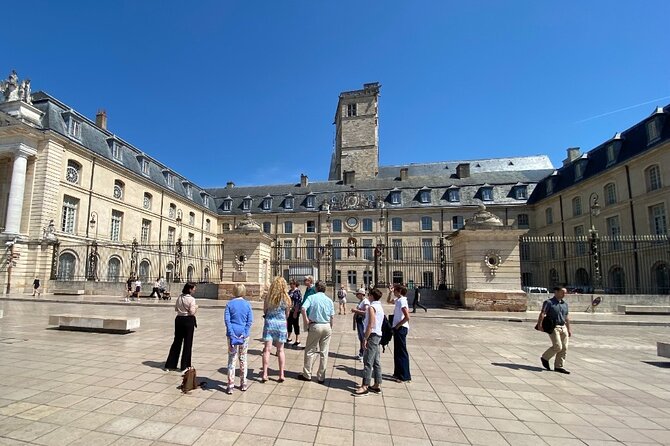
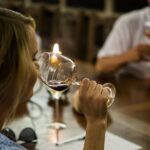
In Santenay, you meet an independent winegrower in the vineyard before walking to the cave for a tasting of six wines. This is one of the most appealing parts of the day because the producer can connect the bottle to the actual vines and place in front of you.
The selection includes Chardonnay and Pinot Noir from Puligny-Montrachet, Chassagne-Montrachet, and Santenay. Premier Cru wines are included, so this is not just a basic introductory flight.
For you, the useful comparison is between grape varieties and villages. Puligny-Montrachet and Chassagne-Montrachet are especially important names for white Burgundy, while Santenay gives you another point of reference within the Côte de Beaune. Tasting several wines in one sitting makes the differences easier to remember.
A grower-led tasting can also be more practical than a standard commercial presentation. You may hear how the domaine works, how the wines are made, and what the producer considers important in a particular vintage. The tour promises an explanation of the domaine, though the exact grower depends on availability.
Allow 90 minutes here. That is long enough for six wines and conversation, but you should still expect the schedule to stay active rather than feeling like a leisurely private appointment.
Monthelie: an old winery and five more wines
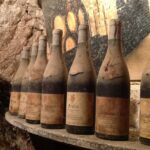
The next stop is Monthelie, a smaller village where you visit another independent producer. The plan includes a tour of the ancient winery and cellars, followed by five wines from Meursault, Monthelie, and Beaune, including Premier Cru.
This stop adds a different angle. Santenay focuses on the vineyard visit and a broad six-wine selection. Monthelie puts more attention on the winery itself and the practical side of production. You get a chance to see how the grower’s methods shape the finished wine.
The tasting also brings in Meursault, one of the best-known Chardonnay villages in the Côte de Beaune, alongside Monthelie and Beaune. That gives you another useful set of comparisons, especially if you are trying to understand why two bottles from nearby villages can have different reputations and prices.
I like the order of the day here. By the second grower visit, you have tasted enough wines to ask better questions. You can compare the first producer’s style with the second instead of simply trying to remember a string of unfamiliar names.
This is another 90-minute stop. With five wines, a cellar tour, and an explanation of winemaking practices, it should feel substantial. The drawback is that your palate may already be working hard by this point, particularly if you are new to Burgundy. Take notes if you want to remember specific bottles.
Volnay lunch: a proper pause in the middle
Lunch takes place in a local restaurant in Volnay and includes wine pairing. The stop lasts about two hours, making it more than a quick sandwich break between tastings.
That pause is important on a full wine day. You have time to eat, reset your palate, and talk through the morning before heading north. A traditional local meal also keeps the experience tied to Burgundy rather than turning the day into a series of cellar appointments.
The supplied details do not specify the menu or the restaurant, so you should not book this expecting a named dish or a particular dining room. What you can count on is a traditional lunch with wine pairing as part of the tour.
One practical point: the morning includes 11 wines before lunch, and the afternoon adds five more. The meal helps, but this is still a serious tasting schedule. You should pace yourself and use the opportunity to sample thoughtfully rather than treating every pour as a full glass.
You can also read our reviews of more wine tours in Beaune
Aloxe-Corton and the Hill of Corton
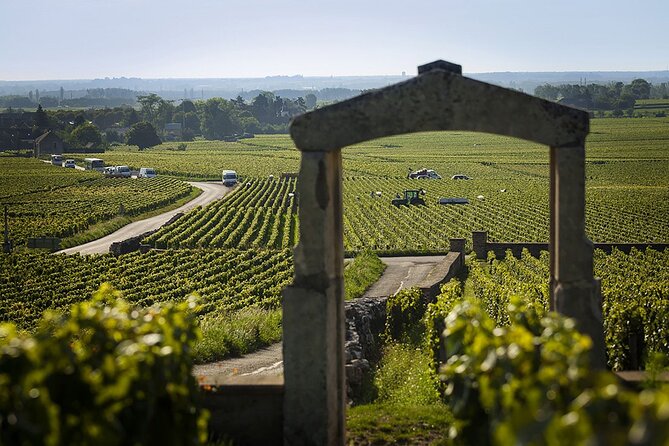
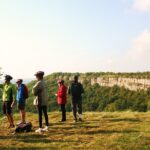
After lunch, the route continues to Aloxe-Corton and the Grand Cru vineyards of the Hill of Corton. This short, roughly 30-minute stop focuses on how the soil and terrain change as you move north of Beaune.
It is another viewing and explanation stop rather than a listed tasting. That may sound modest, but it helps break up the cellar visits. Burgundy is best understood through movement, and the shift from one village to another is part of the subject.
The Hill of Corton also gives you a chance to see how a major Grand Cru area fits into the wider Côte de Beaune. The guide explains changes in terroir and scenery, giving you a framework for the wines you have already tasted and the more prestigious bottles still ahead.
Because the stop is short, do not expect a long walk or a detailed vineyard hike. Its purpose is to show the change in place and explain why it matters.
Vosne-Romanée and Burgundy’s famous red wine names
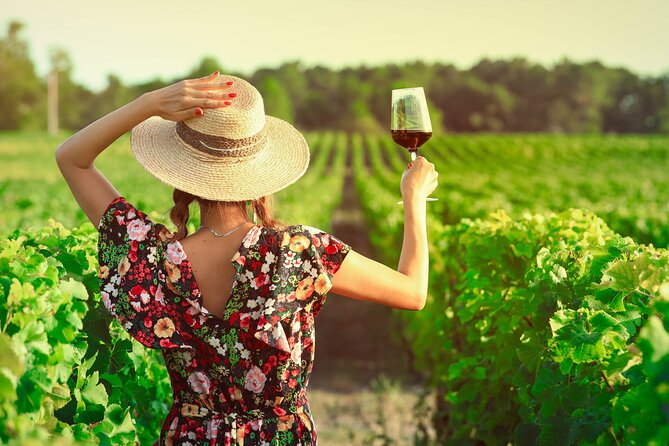
The final major stop takes you north through the Côte de Nuits, passing Nuits-Saint-Georges and arriving at Vosne-Romanée. This is the point many wine lovers will anticipate most.
You see the celebrated vineyards of Romanée-Conti, La Tâche, and other famous sites before visiting an independent winegrower. The tasting includes five wines at Premier Cru and Grand Cru levels.
Even if you do not buy expensive Burgundy, seeing these vineyard names in person gives meaning to the labels. Romanée-Conti and La Tâche are not abstract names on a wine list here. They are specific vineyard places within the village, surrounded by the same narrow lanes and orderly rows of vines that define this part of Burgundy.
The tasting lets you compare the prestige of the Côte de Nuits with the Chardonnay-led wines of the morning. The day begins with the white wine villages of the Côte de Beaune, then moves through a wider range of red and white Burgundy before finishing with high-level Pinot Noir.
This visit also adds five more wines to the day’s total. The stated minimum of 15 is reached across the three grower visits, with the possibility of different bottles depending on the producer. The tour says the quality level will be maintained even when the exact locations change.
What the flexible itinerary means for you
This is not a fixed schedule with one guaranteed winery at every stop. Grower availability can change the route and the places you visit. Guest requests can be accommodated when possible, but they are not guaranteed.
That flexibility is normal for a small-producer wine day. Independent growers have vineyard work, cellar duties, and limited appointment space. A rigid promise of one exact producer might sound attractive, but it would not always fit the realities of working wineries.
The important protection is that the wine quality is meant to remain at the promised level. You should book this tour for its structure and access to the region, not for one specific cellar or one guaranteed bottle.
If a particular village matters to you, mention it when booking. The provider says requests can be accommodated where possible. Keep your expectations reasonable, since availability still controls the final route.
Price, group size, and the value of the day
At $456.94 per person, this is an expensive full-day outing. The cost makes more sense if you compare it with what is included: about eight hours of transport, a maximum group of seven, three grower visits, at least 15 wines, vineyard explanations, cellar visits, and a traditional lunch with wine pairing.
It is also useful for visitors staying in Beaune who want to cover both major Burgundy wine areas without arranging several separate appointments. Driving between villages, finding producers, and coordinating tastings would take time and planning. Here, those pieces are arranged into one route.
The value is weaker if you already have a car, strong Burgundy contacts, and several confirmed tastings. In that case, you may prefer choosing fewer wineries and spending longer at each one. This tour favors range and access over a slow, private day at one domaine.
The small group helps justify the cost. Up to seven people is intimate enough for questions and conversation, while still sharing the vehicle and guide expense. The included lunch also prevents the day from accumulating another major out-of-pocket cost.
The tour is booked an average of 88 days ahead, so early planning is sensible, especially during the April to October operating season. It runs Monday through Saturday, from 9:00 a.m. to 5:30 p.m.
Guide style and practical details
Dylan is named as a guide for this experience, and the tour places strong emphasis on explaining Burgundy’s grapes, classifications, and terroir in plain terms. You can expect the guide to connect the vineyard stops, grower visits, and tastings into one story rather than simply handing you a glass and naming the wine.
One especially useful service is help arranging wine purchases for shipment home. If you find bottles you want, the process can be made easier through the tour rather than left for you to solve alone.
Pickup is offered, and you receive a mobile ticket. Confirmation comes at booking. Service animals are allowed, and the activity is near public transportation. Most people can take part, though the day includes several transfers, vineyard settings, winery visits, and a long tasting schedule.
Free cancellation is available until 24 hours before the start time. Changes or cancellations inside that window are not accepted for a refund. The tour also requires a minimum number of participants, so if that minimum is not reached, you are offered another date or experience, or a full refund.
Who should book this Burgundy wine day
I would recommend it most strongly to first-time Burgundy visitors who want a clear regional overview. It suits you if you want to taste both Chardonnay and Pinot Noir, see famous vineyard areas, and meet producers without handling the transport yourself.
It is also a good match for serious wine enthusiasts who value Premier Cru and Grand Cru tastings but still want time with independent growers. The mix of well-known villages and smaller producers gives the day more range than a single famous estate visit.
You may want a different format if you prefer a slow pace, dislike long drives, or want to focus only on white wine or only on Pinot Noir. This route covers a lot of ground, and its strength is comparison. Its cost and schedule may feel excessive for someone looking for one relaxed tasting.
Should you book the Côte de Beaune and Côte de Nuits tour?
Book it if you want one well-organized day covering the major Burgundy wine story, from Puligny-Montrachet to Vosne-Romanée. The combination of at least 15 wines, three independent grower visits, Grand Cru vineyard stops, and included lunch gives you plenty to see and taste.
Think twice if $456.94 feels high or if you already have private appointments arranged. The exact growers can change, and part of the day is spent driving between villages. For most visitors with limited time in Beaune, though, the small group and broad tasting range make this a practical way to understand why Burgundy commands such attention.
FAQ
How long does the wine tour last?
The experience lasts approximately eight hours, with operating hours listed as 9:00 a.m. to 5:30 p.m. from April 1 through October 31, 2025.
How many wines will I taste?
You will taste at least 15 wines across the grower visits. The wines cover village, Premier Cru, and Grand Cru classification levels.
Which grapes are included?
The tour focuses on Burgundy’s two main grapes, Pinot Noir and Chardonnay. Tastings include selections from villages in both the Côte de Beaune and Côte de Nuits.
How many people can join the tour?
The maximum group size is seven travelers.
Is lunch included?
Yes. The tour includes a traditional lunch at a local restaurant in Volnay, with wine pairing.
Will I visit specific wineries and growers?
The sample route includes independent winegrowers in Santenay, Monthelie, and Vosne-Romanée. The exact growers and visit locations may change depending on availability, while the stated wine quality is maintained.
Can I cancel for a full refund?
Yes. You can cancel at least 24 hours before the experience starts for a full refund. Cancellations or changes made less than 24 hours before the start time are not accepted for a refund.