REVIEW · BEAUNE
Burgundy wine trail from Beaune to Macon
Book on Viator →Operated by Bourgogne Velo Evasion · Bookable on Viator
Burgundy is best seen slowly, and this self-guided bike tour gives you the right speed: fast enough to cover serious ground, slow enough to stop in a wine village, peer across a grand cru plot, or linger over lunch. You ride from Beaune through famous vineyards and canal paths toward Macon, with bikes, helmets, panniers, maps, GPS support, breakfasts, and accommodation arranged for you.
I like the freedom to set your own rhythm, and I like the route’s mix of wine country, old railway trails, canals, castles, and Cluny’s abbey. Corine is singled out for making quick group connections, while feedback also praises Paul’s handling of the hills with an electric bike and his feel for Burgundy’s food and wine country. The main consideration is that tastings, lunches, dinners, and drinks cost extra, and the published details contain a few practical inconsistencies about the number of nights and the meeting point.
In This Review
- Key details before you book
- Why Burgundy works so well by bicycle
- Day 1 in Beaune: wine capital with time to wander
- Day 2 from Pommard to the southern vineyards
- Day 3 beside the Canal du Centre and through Rully
- Day 4 on the Green Way to Cormatin and Cluny
- Day 5 toward Macon, with hills, tunnels, and Solutré views
- What the price includes, and what it leaves to you
- Bikes, navigation, and the physical side
- What the personal service seems to add
- Who should book this Burgundy cycling trip?
- FAQ
- How long does the tour last?
- Where does the tour start?
- Are bicycles and helmets included?
- Are wine tastings included in the price?
- Do I need mobile data to use the GPS app?
- Is this tour suitable for every fitness level?
- Should you book it?
Key details before you book
- Grand cru riding: Cycle through Pommard, Volnay, Puligny-Montrachet, Montrachet, and Bâtard-Montrachet.
- A mostly flexible format: You follow a road book and GPS app, but choose your own winery stops and sightseeing pace.
- Five breakfasts and five nights: Accommodation and breakfast are included, while food, wine, and other drinks are not.
- A varied route south: Expect vineyard roads, canal paths, the Green Way, an old railway route, villages, castles, and the Solutré Rock area.
- Moderate fitness required: The route is designed for cycling, but the ride becomes hillier near Macon.
- Private booking with a minimum of two people: Only your own group takes part, but the trip requires at least two participants.
Why Burgundy works so well by bicycle
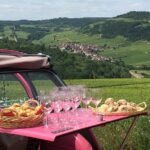
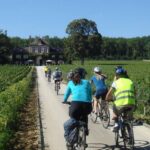
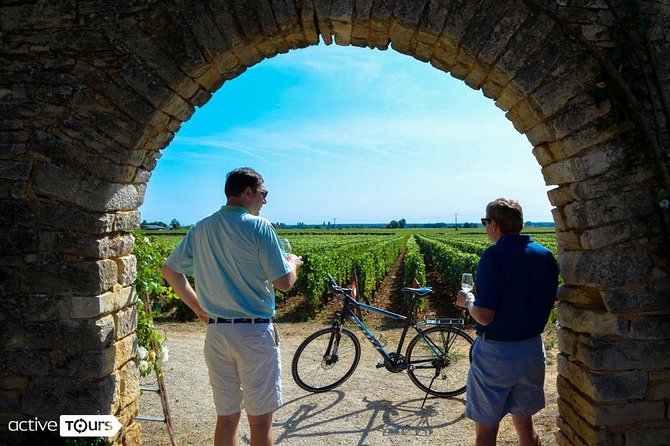
Burgundy’s famous wine names are close together on the map, yet a car can rush you through them. A bicycle gives each village a proper pause. You can ride through Pommard, Volnay, and Puligny-Montrachet, then stop where a winery recommendation catches your eye.
That flexibility is the heart of the trip. This is not a guided tasting circuit with a fixed series of appointments. You receive route notes, maps, recommendations for wineries and visits, and a GPS app for your phone. You decide how much time to give a tasting, a village church, a market stop, or a long lunch.
The route also goes beyond vineyards. You ride beside the Canal du Centre, follow the Green Way along an old railway line, pass Romanesque architecture, visit Cluny, and reach the hills around Macon. If you want nothing but famous wine villages, parts of the route may feel like a detour. I see that variety as a strength, especially for a six-day trip.
You can also read our reviews of more wine tours in Beaune

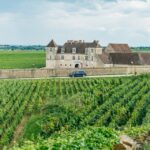
Day 1 in Beaune: wine capital with time to wander
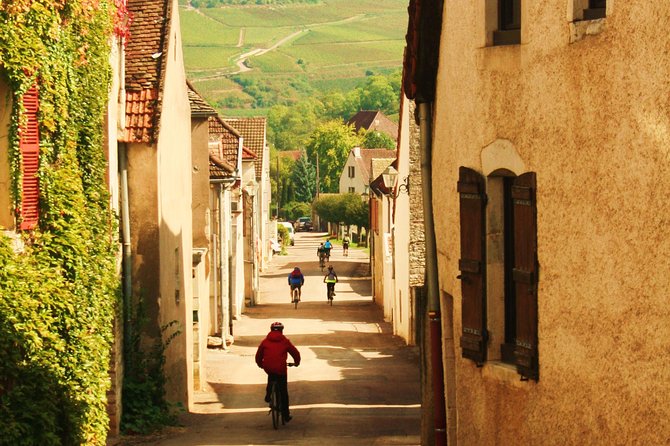
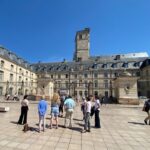
Your first day is deliberately light. You visit Beaune on your own, with about two hours suggested for seeing the old medieval town. That gives you time to get oriented before the longer cycling days begin.
Beaune is the natural starting point for Burgundy wine country. Its old center is compact enough for an easy walk, and the town gives you a useful introduction to the region’s wine culture before you pedal into the vineyards. The schedule does not force a formal sightseeing program, so you can keep this first afternoon simple.
The local operator usually meets you at your hotel around 6 p.m. This meeting is important. It is when the bicycle is adjusted, the GPS app is set up, and route advice is explained. Use the time to ask about the next day’s distance, likely climbs, and winery options.
The arrival information needs checking before you pay. The day-by-day plan begins in Beaune, yet the listed meeting point is the ibis Styles Mâcon Centre at 91 Rue Victor Hugo in Macon. The details also describe the trip as four nights in one section, while the included services say five nights and the six-day schedule shows five hotel nights. Ask Bourgogne Velo Evasion to confirm the exact first hotel, meeting place, and number of nights in writing.
Day 2 from Pommard to the southern vineyards
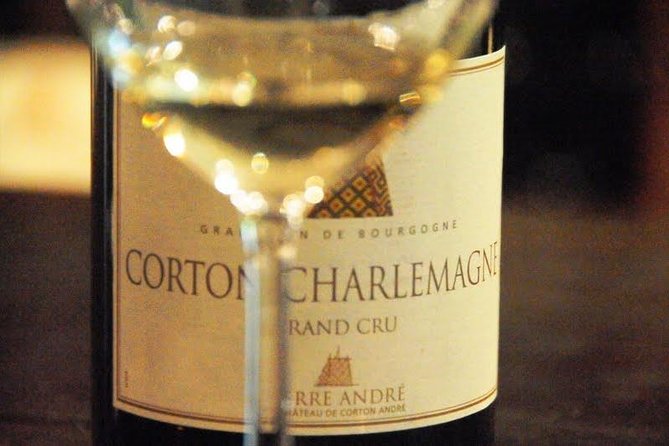
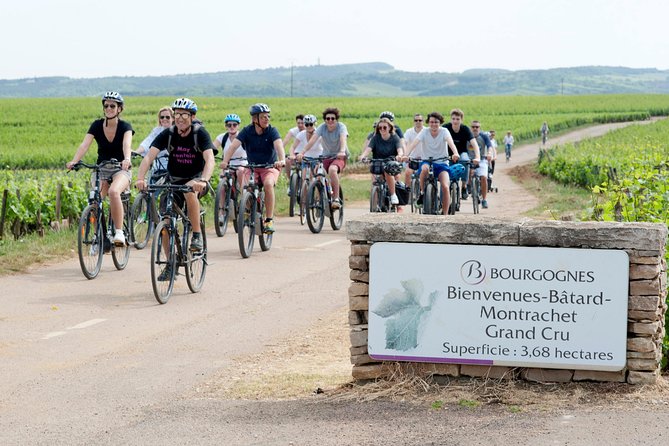
The first full ride takes you through Pommard and Volnay, then toward the grand cru vineyards around Puligny-Montrachet and the Montrachet and Bâtard-Montrachet plots. This is the section most likely to satisfy serious wine fans.
The route uses a bike path through winemaking villages and continues toward Santenay. You have several chances for tastings along the way, but they are not included in the tour price. Budget for tasting fees and plan your stops with care. A long tasting at every possible village would make the day difficult to finish.
Puligny-Montrachet receives a short ten-minute stop in the schedule, described as riding through the grand cru plots by bicycle. That sounds brief, but the value here is the setting rather than a formal attraction. You are seeing the named vineyard ground at eye level, not simply passing a roadside sign in a vehicle.
Near Santenay, the route includes a short stretch beside the canal before you reach the hotel area at the start of the Côte Chalonnaise. The hotel is described as having both an outdoor pool and an indoor pool. That can be welcome after roughly five hours on the bike, though the exact property is not named in the supplied details, so do not book this trip solely for a specific pool.
This day combines the most famous wine names with a manageable route structure. The drawback is that the fame of the vineyards can make tastings expensive. If your main goal is sampling many producers, add a generous drinks budget.
Day 3 beside the Canal du Centre and through Rully
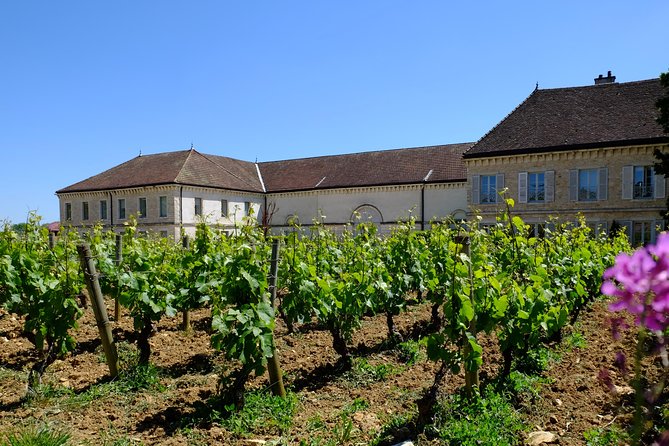
After breakfast, you leave the best-known Côte de Beaune names behind and ride through smaller countryside roads toward the Canal du Centre. The path leads to Chagny, passes near Rully, and continues toward the Chalon-sur-Saône area and Dracy-le-Fort.
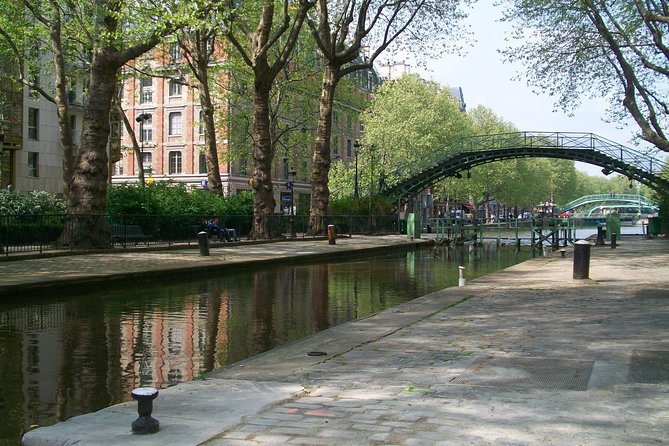
Rully is a wine-producing village, and this portion gives you a different view of Burgundy. The route is less about collecting famous labels and more about moving through working countryside. Canal riding also tends to be calmer and easier to follow than open roads, though the exact surface and gradients can vary along the day.
Dracy-le-Fort is described as a small village on the edge of the Côte Chalonnaise vineyards. You spend the night in a three-star hotel with a swimming pool. Again, the pool is a pleasant feature, but the supplied information does not name the hotel or guarantee a particular room type.
The day is listed at about five hours of cycling. That does not include winery visits, lunch, photographs, or sightseeing. I would treat the five-hour figure as riding time and keep your schedule loose. The self-guided format works best when you accept that one missed village stop is better than racing to the hotel.
Day 4 on the Green Way to Cormatin and Cluny
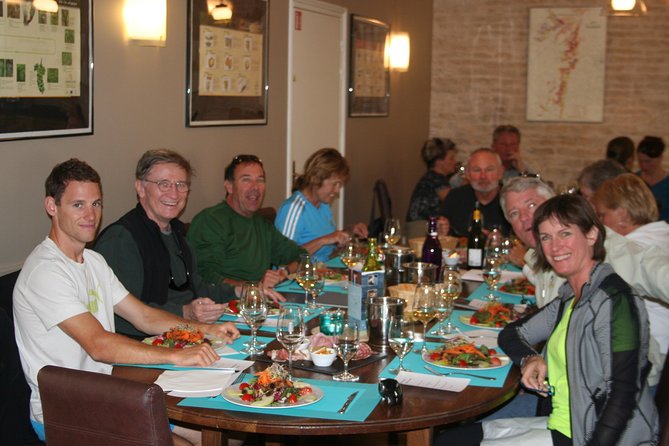
Day four trades vineyards for one of the most appealing cycling surfaces on the route. In Givry, you join the Green Way, a bicycle path built along an old railway line. The route is described as France’s first bike path, and its gentle alignment makes this a good change after the earlier vineyard riding.
You pass through or near Buxy, St-Gengoux-le-National, and Malay. These small places are linked with peaceful roads and Romanesque architecture. The appeal is quiet travel: village stonework, old buildings, and countryside views rather than a list of major ticketed sights.
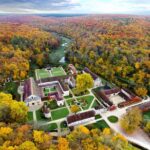
Cormatin is a natural break. You can stop for lunch and visit the castle before continuing toward Cluny. The castle visit is optional in practical terms, since meals and admissions are not listed as included. Check opening hours independently when planning your day, because the schedule gives you the chance to visit but does not promise a reserved entry.
Cluny brings a stronger historical stop. The abbey and the stud farm are both listed as must-see sights, and they give the day more substance than a simple ride from one hotel to another. You spend the night in a three-star hotel.
This may be my favorite day for people who want variety. You still get a good ride, but the route adds old railway engineering, village architecture, a castle, and a major abbey site. If your priority is nonstop wine tasting, it may feel less focused. If you want Burgundy beyond the bottle, it is a fine balance.

Day 5 toward Macon, with hills, tunnels, and Solutré views
The final riding day follows the cycling path toward Macon. The route becomes hillier, even though it remains on an easy cycling path. That distinction matters. A smooth path does not remove the need to pedal uphill.
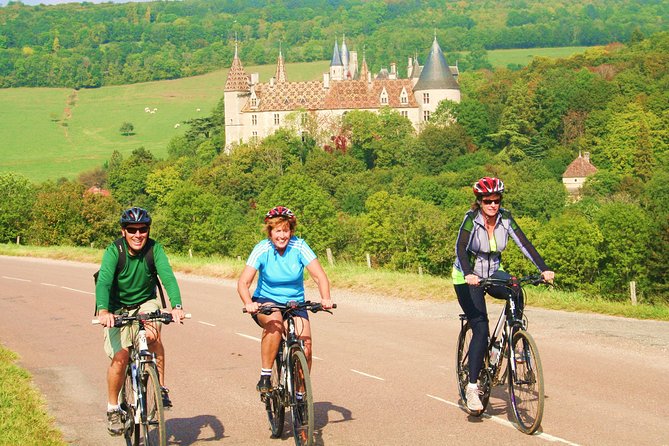
The Château de Berzé-le-Châtel is one of the day’s most tempting detours. You can see it from the road, and the view may persuade you to stop for a short visit. The castle is described as romantic, but the tour does not include admission or a guided visit. Allow extra time if you plan to turn off the route.
You also pass through the longest European tunnel open to cyclists, according to the supplied description. That is a memorable piece of route design and a good reason to keep the GPS and maps handy. After the tunnel, the route continues through the Val Lamartinien, with views toward the Solutré Rock.
Macon is the final overnight stop, in a three-star hotel. The city gives you a practical end point after several days in small villages and rural areas. You can finish with a proper meal, but remember that food and drinks are your responsibility.
The distance is not supplied, so do not judge this day by the five-hour estimates used earlier. Hills, castle stops, photographs, and fatigue can stretch the schedule. Ask the operator for the daily distances and elevation details before departure, particularly if you are not used to several consecutive days of cycling.
What the price includes, and what it leaves to you
The listed price is $1,198.12 per person. For that amount, you receive five nights of accommodation, five breakfasts, a bicycle, panniers, helmet, assistance, a road book, maps, winery and sightseeing recommendations, and a GPS app that works without mobile data and has no extra charge.
That package has real value if you want a self-guided trip without arranging hotels and equipment yourself. You are paying for the route planning and local support as well as the cycling. The panniers are especially useful because you can carry daily necessities without using a daypack for the full ride.
The value is weaker if you expect a fully guided wine holiday. Tastings are not included, and neither are lunches, dinners, or drinks unless specifically stated. Castle and abbey admissions are also not listed as included. Your final cost depends heavily on how often you taste wine and how many optional sights you enter.
Assistance is included, and the local operator helps with bicycle adjustment and GPS setup. The trip is private, meaning only your group participates. That gives you control over start times and stops, but it also means you need to manage the daily route yourself rather than relying on a guide at the front.
Bikes, navigation, and the physical side
A bicycle, helmet, and panniers are provided. The supplied information does not specify the bicycle model or confirm that electric bikes are included. One piece of feedback refers positively to Paul managing the climbs with his own attractive electric bicycle, but you should not treat that as proof that an e-bike comes automatically with your booking.
Ask about bicycle sizes, electric-bike availability, battery charging, and replacement support before you go. The route requires moderate physical fitness, and day two through day five each involve about five hours of cycling in the stated schedule.
The GPS app is a useful safety net because it does not require data. Still, keep the printed maps and road book with you. A phone battery can fail, and a paper map makes it easier to understand the day as a whole.
You should also plan for the stops you care about. The operator provides recommendations for wineries and visits, but the trip does not promise reserved appointments. If a particular producer matters to you, ask the office for current advice before setting out.
What the personal service seems to add
The strongest feedback focuses on the people behind the trip. Corine is praised for building warm group interaction within a few hours, with humor and generous sharing. That points to a useful arrival meeting, even on a self-guided trip: the human briefing can turn a pile of maps into a trip that feels manageable.
Another note praises Paul’s ability to handle the climbs with an electric bike and his strong understanding of the local wine country. I would read this as evidence that local support is not limited to handing over bicycles. The operator appears able to give practical help about the route and Burgundy’s wine area.
The comments also describe the route as accessible for a group of friends and as passing along some of the region’s prettiest roads. Keep the word accessible in context: the official information still asks for moderate fitness, and the final section is hillier. This is not a flat, effortless ride from hotel to hotel.
Who should book this Burgundy cycling trip?
I would recommend it to couples, friends, or small private groups who want structure without a guide riding beside them. It suits you if you enjoy making your own choices, can read a map or follow a GPS app, and like mixing active days with independent sightseeing.
Wine lovers will get the most from the Beaune, Pommard, Volnay, and Puligny-Montrachet sections. Culture-focused cyclists will appreciate the Green Way, Cormatin, Cluny, Berzé-le-Châtel, and Solutré Rock views.
I would hesitate if you want every tasting arranged, all meals included, luggage transfers clearly explained, or a precise daily distance schedule. I would also pause if your group is not comfortable with several hours of cycling and some hills.
FAQ
How long does the tour last?
The schedule runs for six days, from day one in Beaune through departure after breakfast on day six. The included services state five nights of accommodation and five breakfasts.
Where does the tour start?
The day-by-day plan begins in Beaune, and the local operator usually meets you at your hotel around 6 p.m. on the first day for bicycle adjustment and GPS setup. The supplied meeting-point information lists the ibis Styles Mâcon Centre in Macon, so confirm the exact starting location before booking.
Are bicycles and helmets included?
Yes. The package includes use of a bicycle, helmet, and panniers. Electric-bike availability is not specified and should be confirmed directly with the operator.
Are wine tastings included in the price?
No. Wine tastings are available along the route, but tasting costs are your own responsibility. Food and drinks are also excluded unless specifically stated.
Do I need mobile data to use the GPS app?
No. The included GPS app is described as free of extra charge and usable without mobile data. You also receive a road book and maps.
Is this tour suitable for every fitness level?
No. The official guidance calls for moderate physical fitness. The listed cycling days run for about five hours, and the route becomes hillier near Macon.
Should you book it?
Book this trip if you want Burgundy at bicycle speed, with hotels and equipment handled but your days left open. The combination of grand cru vineyards, canal paths, the Green Way, Cluny, castles, and Solutré views gives you far more than a string of tasting rooms.
Before paying, get three points confirmed: the true number of hotel nights, the exact Beaune or Macon meeting arrangement, and whether an electric bicycle is available. If those details suit your group, the $1,198.12 price can be fair value for a private, self-guided route with local help. If you want a guided tasting holiday with meals and admissions covered, this is probably not the right format.