REVIEW · BEAUNE
Small group tour Morning in Côte de Beaune
Book on GetYourGuide →Operated by SAS Chemins De Bourgogne · Bookable on GetYourGuide
Burgundy makes you work a little for its pleasures, and this small-group Côte de Beaune tour gives you a useful shortcut. In 150 minutes, you travel from Beaune through Pommard, Volnay, Meursault, Montrachet, and other famous vineyard areas before sitting down for about five wines.
I like the group limit of eight, which keeps the guide close enough for real questions, and I like the clear focus on how wine moves from vine to glass. Dylan, one of the guides, has been praised for his warm, well-informed explanations. The main trade-off is time: you see a lot of celebrated villages, but you may not stop for long in each one.
In This Review
- Key points at a glance
- Why this morning works well in Burgundy
- Leaving Beaune for Pommard and Volnay
- Meursault and Montrachet, two major names
- The tasting: about five wines in an estate or cellar
- Dylan and the value of a small group
- What the 150-minute schedule really means
- Is $112 a fair price?
- Who should book this Côte de Beaune morning?
- Practical details before you reserve
- Should you book it?
- FAQ
- Where does the tour depart from?
- How long does the experience last?
- Which Burgundy places does the route include?
- How many wines are included?
- Where does the wine tasting take place?
- Is transportation included?
- What languages are available?
- How large is the group?
- Is lunch included?
- Can I cancel the booking?
Key points at a glance
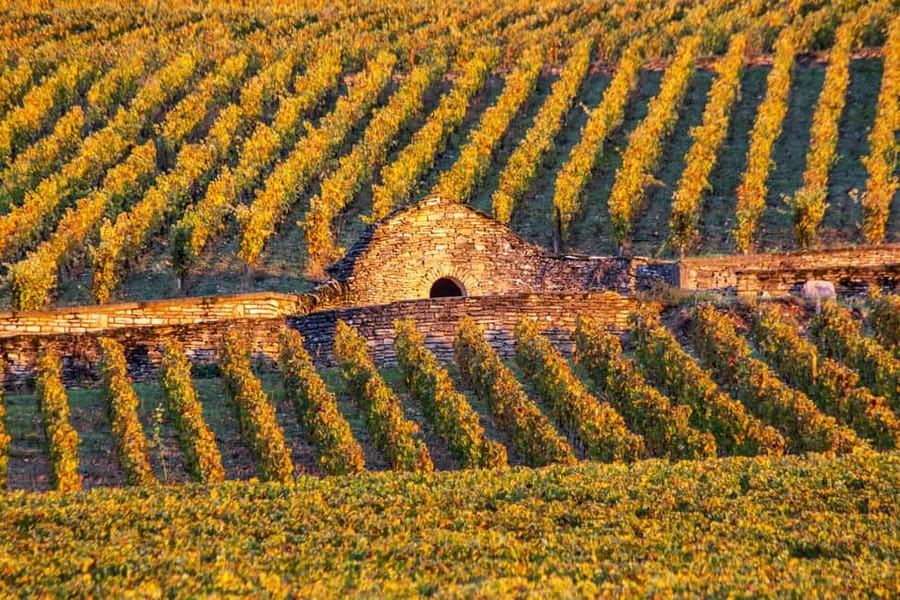
- Five wines in one tasting: The session includes about five Burgundy wines in an estate or cellar.
- A route through famous vineyards: The drive includes Pommard, Volnay, Meursault, Montrachet, and more.
- Dylan may lead your visit: He has received particular praise for clear explanations and a flexible approach.
- A genuinely small group: With no more than eight participants, the experience feels more personal than a large coach outing.
- A short morning commitment: The 2.5-hour format leaves room for lunch and afternoon plans in Beaune.
- A scenic overview, not a village walking tour: You cover broad ground, so stops in the villages may be brief.
Why this morning works well in Burgundy
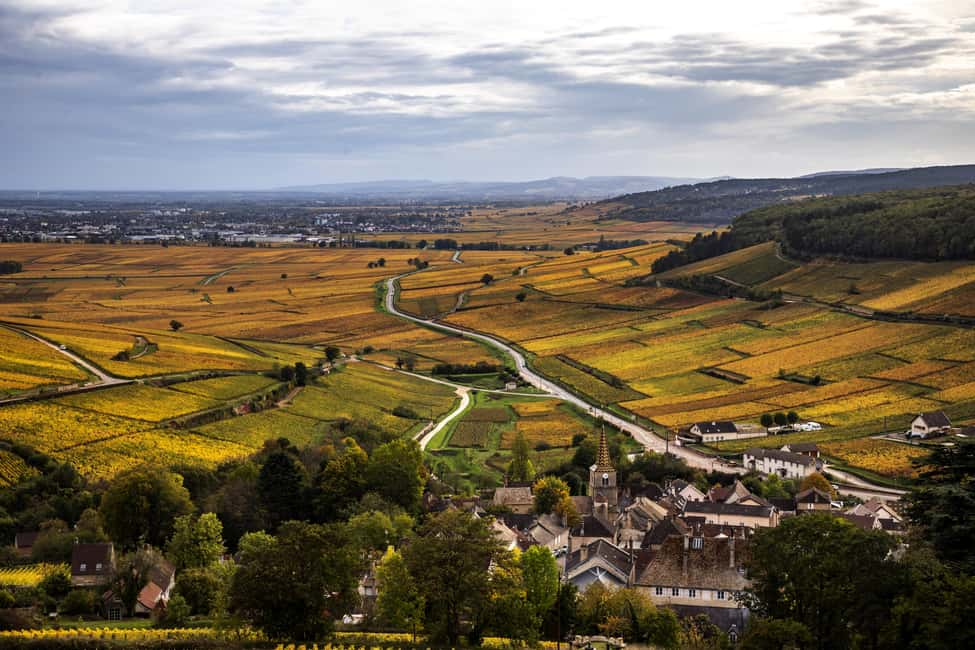
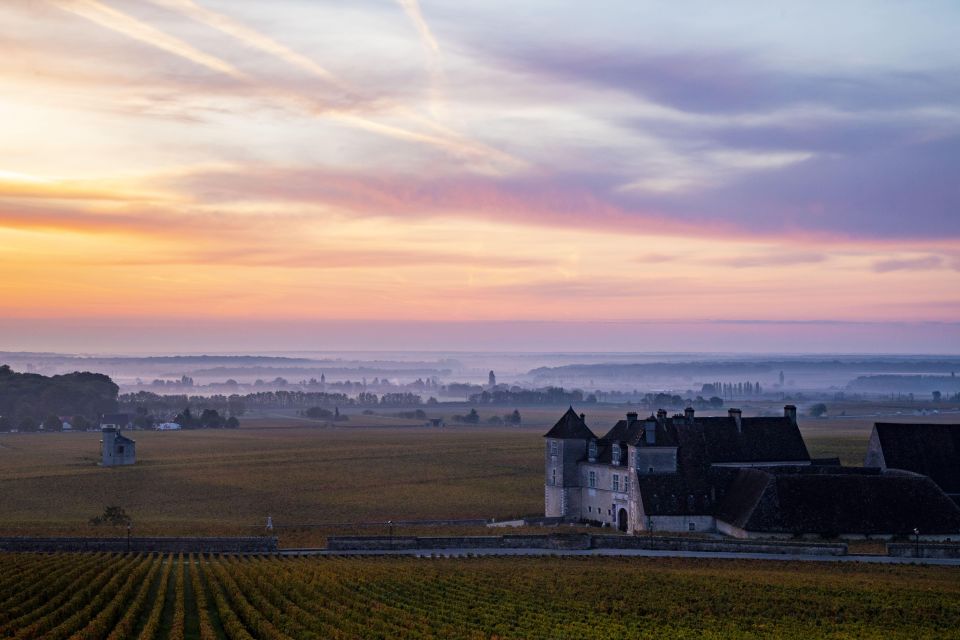
The Côte de Beaune is compact on a map but packed with famous names. Pommard, Volnay, Meursault, and Montrachet are not simply points along a sightseeing route. Each name carries its own wine identity, local traditions, and place in Burgundy’s complicated system of vineyards.
That makes a guided drive useful. You can look at the vines and villages, but without context, it is hard to understand why one slope or village matters so much. Your guide explains the region, its grapes, and its winegrowers while you move through the countryside.
I especially like the balance between scenery and tasting. This is not just a drive past vineyards, and it is not only a cellar appointment. You get the broad picture first, then sit down with wine in the glass. That order helps you connect the countryside with what you taste.
The format also suits a short stay in Beaune. You leave from Solstice at 29 boulevard Clémenceau, spend 150 minutes on the experience, and return to Beaune. You do not give up an entire day, yet you still get beyond the town center.
You can also read our reviews of more tours and experiences in Beaune.

Leaving Beaune for Pommard and Volnay
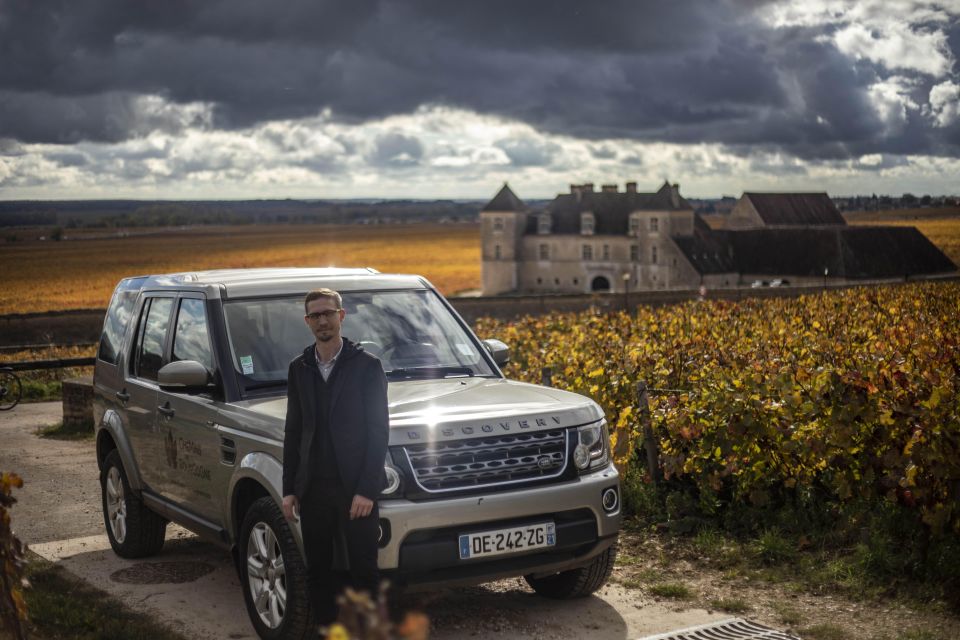
The meeting point is in Beaune, the natural base for exploring the Côte de Beaune. From there, the tour uses the company’s cars rather than asking you to find your own way among the vineyards.
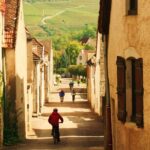
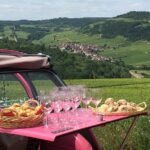
Pommard is one of the best-known names in the area, and it gives the morning an immediate sense of place. As you travel through the vineyards, your guide talks about the path of the grape, from the vine to the finished wine. That explanation matters because Burgundy’s appeal is tied closely to small differences in soil, exposure, village, and producer.
Volnay follows as another important stop on the route. The tour information does not promise a long walk or a formal visit at every village, so you should think of this section as a guided overview from the vehicle, with commentary along the way.
That is both the strength and limitation of the morning. You cover several celebrated areas without spending hours on the road. At the same time, you may want more time to wander through the villages or take photographs. If your priority is slow village exploration, this will feel brisk.
Meursault and Montrachet, two major names
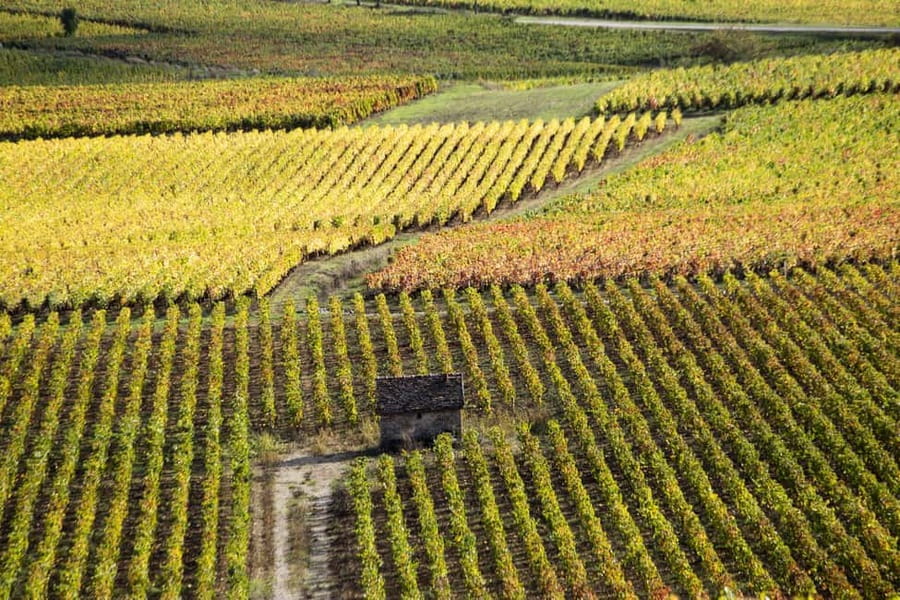
Meursault adds another layer to the route. It is one of the names many visitors come to Burgundy hoping to see, and the guide’s commentary gives you a better sense of how the village fits into the wider Côte de Beaune.
The tour also reaches Montrachet, a name with special importance in Burgundy wine. Even if you are still learning the difference between grape varieties, village names, and vineyard names, this part of the drive helps put those labels into a real setting.
You do not need to arrive as a wine expert. In fact, the tour is likely to be most useful if you know a little but want the pieces connected. Your guide can explain the grapes, the growers, and the route from vineyard work to tasting without requiring you to speak in specialist terms.
The countryside is part of the lesson. You are not only hearing a list of famous names. You are moving through the places that give those names meaning. Still, keep your expectations realistic: the experience is designed as a moving tour with commentary, not as a series of extended stops at every vineyard.
The tasting: about five wines in an estate or cellar
The tasting is the central indoor part of the morning. You receive approximately five wines in an estate or cellar, with the guide explaining what you are drinking and how it connects to Burgundy.
A tasting of five wines is enough to show contrast without turning the session into a marathon. You can pay attention to differences, ask questions, and remember what you liked. The experience does not promise a full meal, so plan lunch separately after returning to Beaune.
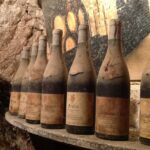
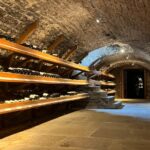
The tasting has taken place at the Moillard cellar, which adds a traditional cellar setting to the wine portion of the outing. Since the exact estate or cellar can depend on the day, you should treat Moillard as a useful possibility rather than assume it is guaranteed every time.
I like that the tasting follows the vineyard drive. The guide can discuss the work behind the bottle, then help you consider the finished result. That connection is more useful than tasting several wines with no explanation of where they come from.
The tour does not include lunch. That is not a major problem for a morning activity, but it is worth planning ahead. You return to Beaune with the rest of the day available, and the short duration makes it easy to pair the tour with a separate meal.
Dylan and the value of a small group
Dylan has earned special praise for being accommodating and for explaining Burgundy in an interesting way. That matters on a tour like this because wine questions are rarely tidy. One person may want help with tasting, another may care about vineyard ownership, and someone else may simply want to know which bottle to order at dinner.
A small group gives the guide room to adjust. With a maximum of eight participants, you are not trying to catch every word from the back of a bus. You can ask about a village, a grape, or something you see from the car.
The tour is offered in French and English. If you book in English, the guide can present the information in a language you are comfortable using for detailed questions. The experience provider is SAS Chemins De Bourgogne, a local company focused on Burgundy routes and wine experiences.
The group size also affects the mood. A small vehicle and a handful of people make this feel closer to a guided outing than a packaged coach excursion. You should still expect a shared experience, not a private tour, but the eight-person limit is a meaningful advantage.

What the 150-minute schedule really means
Two and a half hours is a smart length for visitors who want a taste of the Côte de Beaune without committing an entire day. You get the drive, commentary, vineyard views, and tasting, then return to Beaune in time for other plans.
The schedule also requires a little discipline. The route includes several major places, so the time is spread across driving, explanations, and wine tasting. You are unlikely to receive long, unhurried visits in every village.
One direct account of the outing wished for more time in the beautiful villages. I would take that as useful planning advice, not a flaw in the whole experience. If you want broad regional context, the pace works. If you want a detailed walking tour of Pommard or Meursault, choose a different activity or add your own village visits later.
The morning is also a good fit for first-time visitors to Burgundy. You get an orientation to the area before deciding where to spend more time independently. Think of it as a map brought to life, not the final word on every village.
Is $112 a fair price?
At $112 per person, this is not the cheapest way to see vineyards. You are paying for a guide, transportation from Beaune and back, a small group, commentary in French or English, and a tasting of about five wines.
The value improves if you are not renting a car. Driving between the villages yourself can be awkward when wine tasting is part of the plan, and navigating Burgundy’s vineyard roads does not give you the same explanations. Here, the transport and interpretation are combined.
The small group is also important in the price calculation. A larger outing might cost less, but you would probably have less access to the guide and a less relaxed tasting. For a couple or a solo visitor who wants an efficient introduction, $112 can be reasonable.
The value is less clear if you already know the Côte de Beaune well or plan to spend the day visiting individual estates. You may prefer to put that money toward a longer private visit or additional tastings. This tour is strongest as an overview with a well-organized tasting, not as a deep producer-by-producer study.
Who should book this Côte de Beaune morning?
I would recommend it to you if you want to see several famous Burgundy names in one morning and understand how they fit together. It also suits visitors staying in Beaune who do not want to drive after drinking wine.
It is a good choice for:
- First-time Burgundy visitors
- Couples and solo visitors who prefer small groups
- Wine drinkers who want clear regional context
- People with only a morning available
- Anyone looking for English or French guiding
- Visitors who prefer an organized route over arranging separate cellar visits
You may want something else if your main goal is extended village time, vineyard walks, or a full-day wine program. The route is broad, and the schedule is firm enough that each place receives only part of the morning.
The experience should also work for different levels of wine interest. You can come with strong knowledge and ask detailed questions, or come with almost none and use the guide’s explanations to get oriented. The five-wine tasting gives you something concrete to discuss rather than leaving the information at the level of scenery.
Practical details before you reserve
The tour departs from and returns to Solstice, 29 boulevard Clémenceau, 21200 Beaune. Check the available starting times when booking, since the activity is scheduled by departure time rather than presented as one fixed daily slot.
Transportation is included in the company’s cars. One wine tasting is included, with approximately five wines. Lunch is not included, so make your own plan for food after the morning ends.
You can cancel up to 24 hours before departure for a full refund. The reserve-now, pay-later option lets you hold a place without paying immediately, which is useful if your Burgundy schedule is still changing.
The activity has a rating of 4.4 from three verified bookings. That is a small sample, so I would not treat the number as a scientific score. The consistent themes are more useful: an enjoyable countryside route, strong guide explanations, and an accommodating approach, with the one clear caution being limited time in the villages.
Should you book it?
Book this tour if you want an efficient, friendly introduction to the Côte de Beaune, especially if you are staying in Beaune and do not have a car. The route through Pommard, Volnay, Meursault, and Montrachet, combined with about five wines and a group capped at eight, gives you a lot in a short morning.
Skip it if you want a slow walking tour or several long estate visits. The best way to view this experience is as a well-guided regional primer. You see the famous names, learn how Burgundy wine reaches the glass, and leave with a clearer idea of where to return for a longer visit.
FAQ
Where does the tour depart from?
The tour departs from Solstice, 29 boulevard Clémenceau, 21200 Beaune, and returns to Beaune.
How long does the experience last?
The tour lasts 150 minutes, or two and a half hours.
Which Burgundy places does the route include?
The route includes Pommard, Volnay, Meursault, Montrachet, and other Côte de Beaune vineyard areas.
How many wines are included?
One commented tasting of approximately five wines is included.
Where does the wine tasting take place?
The tasting takes place in an estate or cellar. Moillard cellar has been used for the tasting, but the exact location is not stated as fixed.
Is transportation included?
Yes. Travel in the company’s cars, along with departure and return in Beaune, is included.
What languages are available?
The live guide service is available in French and English.
How large is the group?
The tour is limited to eight participants.
Is lunch included?
No. Lunch is not included in the tour price.
Can I cancel the booking?
Yes. You can cancel up to 24 hours in advance for a full refund. You can also reserve now and pay later.