REVIEW · BEAUNE
From Beaune: Burgundy Day Trip with 14 Wine Tastings
Book on GetYourGuide →Operated by France Intense · Bookable on GetYourGuide
Burgundy teaches fast when you taste in order. This Beaune day trip is built to help you connect labels to land, starting with a winery near Beaune and building toward major names along the Côte d’Or through 14 wine tastings and a small group of 8. I like that the day is structured like a lesson, with your guide stepping through how Burgundy is classified, then letting you taste the differences in real time.
One thing to plan for: lunch is on your own, and the day stays busy from pickup to drop-off. If you’re not into a long sit-and-sip rhythm, you’ll want to treat the schedule like the main event, not like free time.
In This Review
- Key takeaways before you go
- Beaune pickup at 9:30 and the small-van advantage
- The Beaune winery start: learning Burgundy levels by tasting
- Lunch on your own: how to make that 90 minutes work
- Route des Grands Crus: why the drive matters as much as the tasting
- Clos de Vougeot: monks, 1098, and why 50 hectares matters
- Nuits-Saint-Georges: a cellar visit and winemaker conversation around Pinot Noir
- Chambolle-Musigny: the final shop tasting and how to end strong
- 14 tastings and the lesson you can use in any wine shop
- Price and value: what $294 gets you in Burgundy time
- Who this Burgundy day trip is best for
- Should you book this Beaune Burgundy day trip?
- FAQ
- Where is the meeting point for the tour?
- What time does the tour start and end?
- How long is the day trip?
- How many people are in the group?
- What language is the guide?
- How many wines are included, and what types?
- Is lunch included in the price?
- What key stops are included besides the tastings?
- What if I need to change my plans?
Key takeaways before you go
- A tight lesson from village to Grand Cru: You’ll taste across levels, not just sample random wines.
- Guides who connect wine to soil: Emmanuel and Virginie both focus on appellations, terroir, and how Burgundy labeling works.
- Route des Grands Crus views plus big-name photo stops: You get context for why those sites matter, even if it’s not a full walk-through.
- Monk history at Clos de Vougeot: A quick stop, but packed with meaning about Burgundy’s roots.
- Pinot Noir cellar time in Nuits-Saint-Georges: You’re tasting with the people behind the bottles.
- Finish tasting in Chambolle-Musigny: A calmer end to the day, with a local shop stop that’s easy to shop at.
Beaune pickup at 9:30 and the small-van advantage
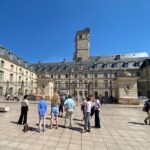
Your day starts at 9:30 AM at the Beaune Tourist Office, Porte Marie de Bourgogne (6 Boulevard Perpeuil, 21200 Beaune). You’ll ride in an air-conditioned minivan with a maximum of 8 people, which changes the vibe immediately. Big groups can feel like an airport shuttle with wine stops. Here, you’ll have enough space to ask questions without yelling over everyone’s conversation.
The tour runs until about 5:45 PM, with breaks baked in for tastings and short stops. That matters because Burgundy day trips can feel rushed. This one is paced around multiple tastings, plus photo stops where you’re meant to slow down and look at the vineyards as part of the lesson.
Also note: the tour is not suitable for people with mobility impairments. If that affects you, it’s worth looking for a different format.
You can also read our reviews of more wine tours in Beaune

The Beaune winery start: learning Burgundy levels by tasting
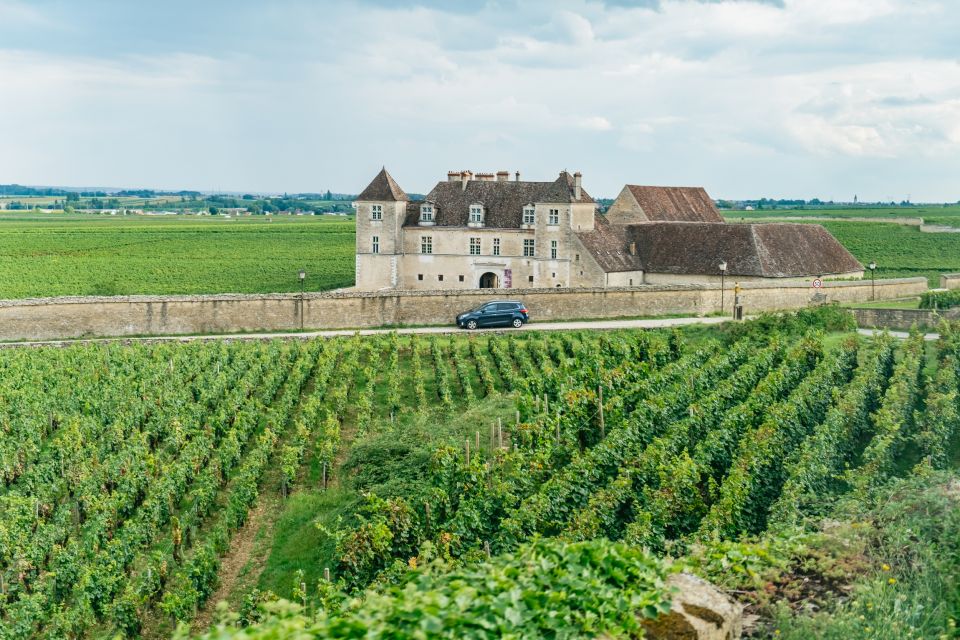
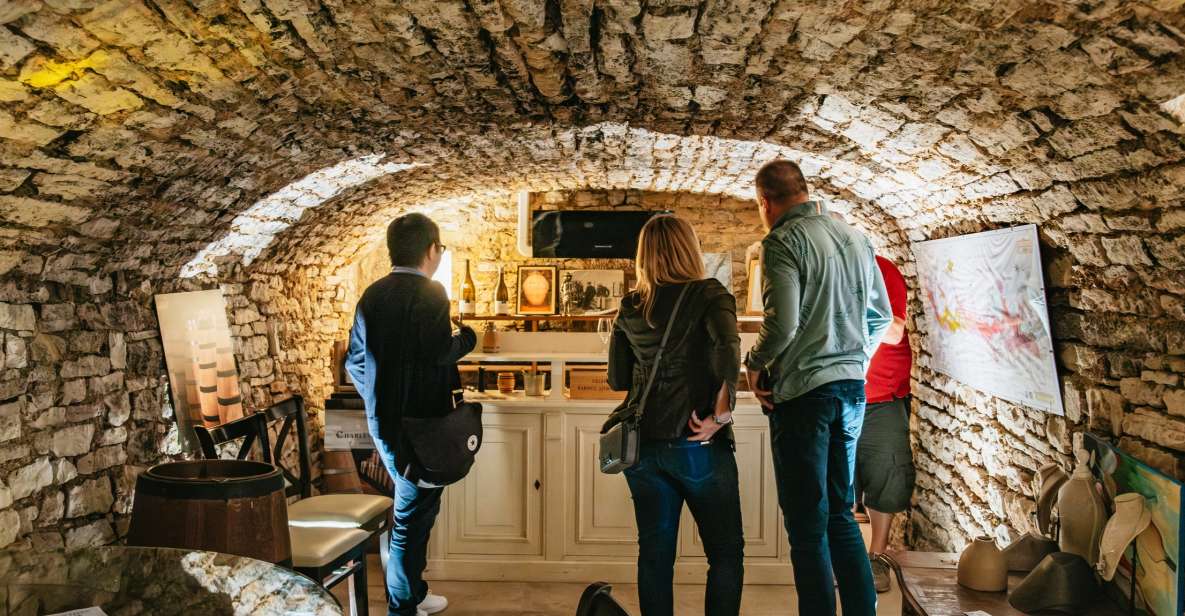
The first tasting happens at a winery visit near Beaune, and this is where you set your “Burgundy wiring” for the rest of the day. You’re introduced to the different appellations and how Burgundy is structured—then you taste across categories that you’ll keep hearing about here and later in wine shops.
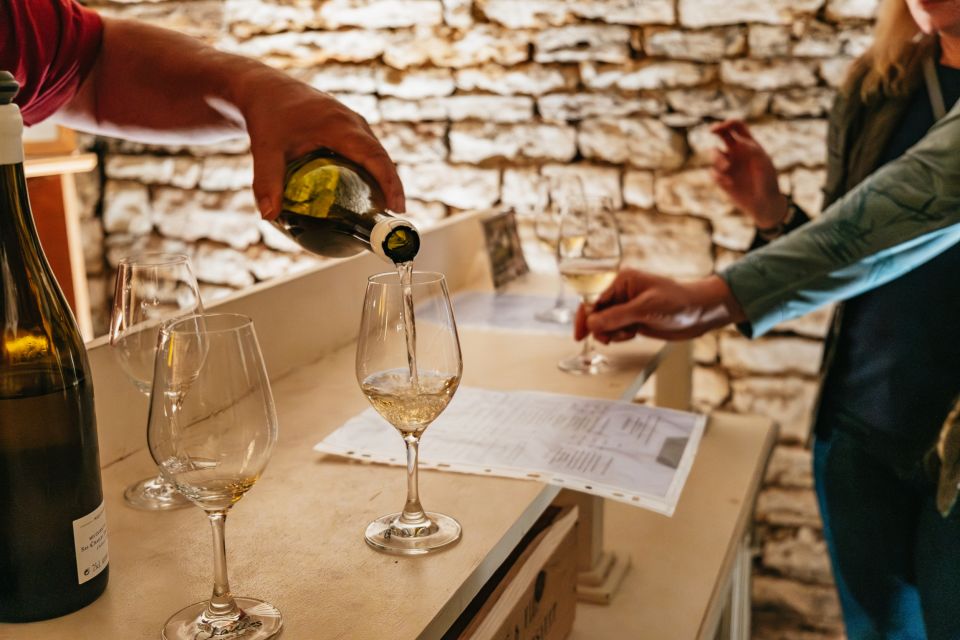
In terms of what you might taste, the day is designed around Village and 1er Cru appellations, plus one Grand Cru. Specific appellations mentioned include Saint-Aubin, Meursault, Les Charmes, and Corton-Charlemagne. Even if those names don’t mean much yet, this is the moment they start to click: your guide connects what’s on the label to where the grapes grew and why the style changes.
Your guide is the secret sauce here. In the group I followed, Emmanuel and Virginie both run the interpretation part with confidence: they explain classification, then they keep the tasting grounded in what to look for and what to ask. One review highlighted that the guide walked people through the classification at the beginning, then followed it with a large run of tastings. Translation: you’re not just drinking. You’re building a framework you can use when you’re back in your own hotel room reading menus or shopping.
One practical point: the tour is advertised around 14 wine tastings, but some days can include extra pours depending on how the venues structure tastings. So if you’re the type who wants to stop after a “fixed number,” pace yourself from the start.
Lunch on your own: how to make that 90 minutes work
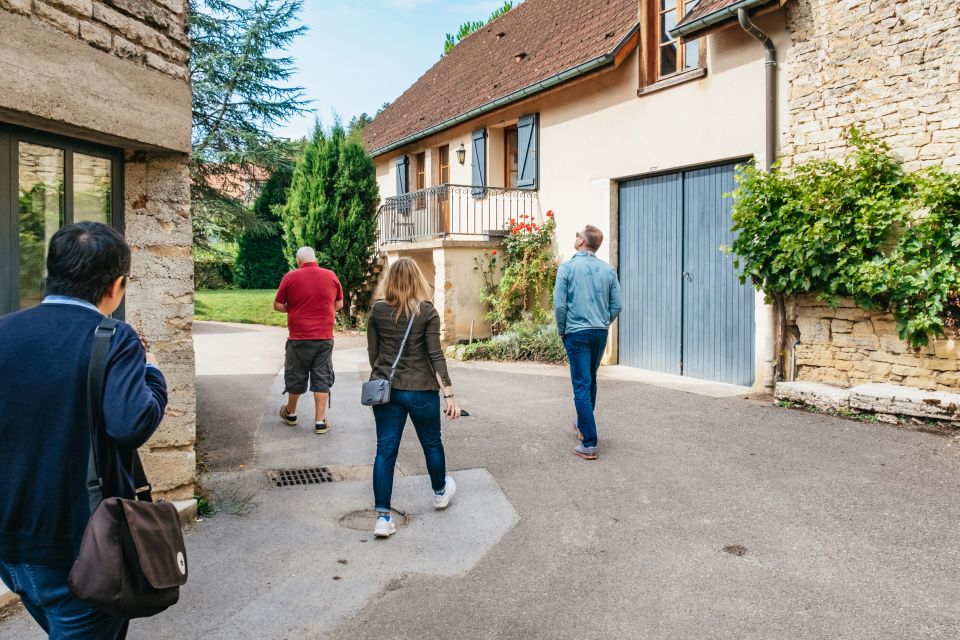
After the Beaune winery visit, you’ll head out for lunch. The tour doesn’t include the meal cost, but your guide recommends a local restaurant and you’ll have about 1.5 hours. This is one of those choices that can go either way on a day trip: some tours drop you into tourist-friendly menus. Here, the intention is local and convivial, with regional Burgundy food.
I like that your guide handles the recommendation. In Burgundy, lunch can be its own flavor lesson. You’ll get a break from wine flights without losing the sense that you’re actually in the region, not just passing through.
The one drawback is simple: you’ll pay lunch separately. Also, because the day stays full, you can’t treat lunch like a late, slow afternoon meal. Think of it as a reset button before the big stops—Romanée-Conti and Clos de Vougeot—then the Pinot Noir cellar and final shop tasting.
Route des Grands Crus: why the drive matters as much as the tasting
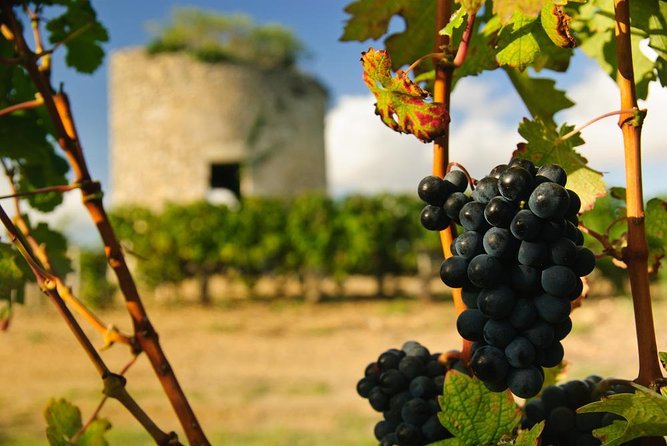
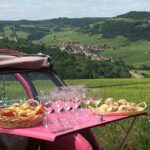
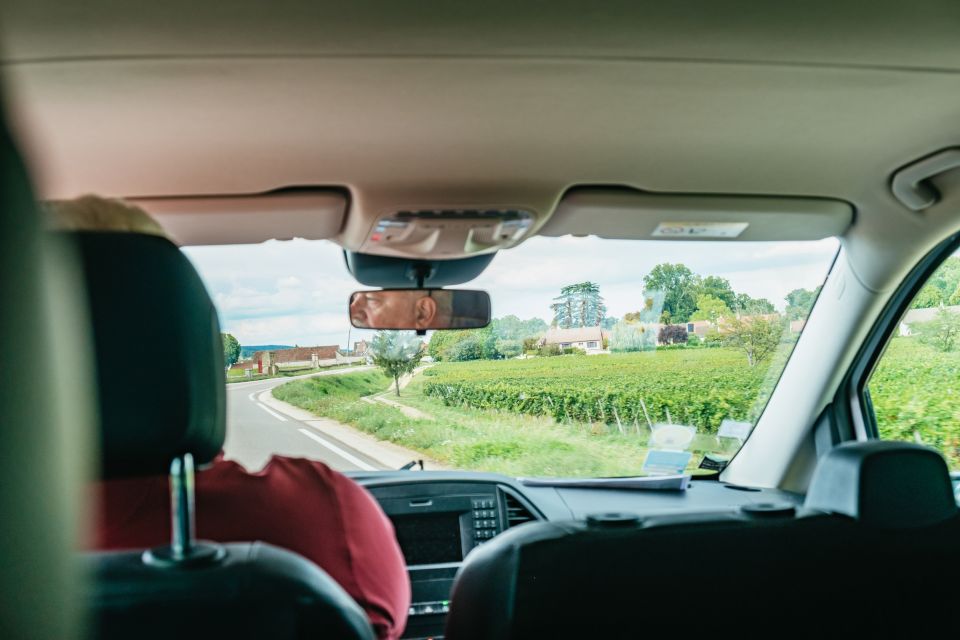
After lunch, you head along the Route des Grands Crus, and you’ll feel why people talk about these roads like they’re part of the wine itself. The point isn’t just scenery. The drive is built to show you what makes Burgundy special: vineyards that feel carved into geography, with names attached to specific hillside sites.
You’ll also have a photo stop at the famous Romanée-Conti vineyard. Romanée-Conti is often described as the most expensive wine in the world, and while you’re not tasting it there, the stop does something useful. It puts the prestige into a physical context, so “Grand Cru” isn’t just a marketing term—it’s a place.
This stop is short, so don’t show up with a camera-only mindset. Look first, then shoot. You’ll come away understanding the tour’s logic: village and 1er Cru tastings earlier help you learn the ladder, then the big-name vineyard stops give you emotional proof of why the ladder matters.
If you like to learn visually, bring something to map names to areas. One practical tip from past participants: having a Burgundy map can help you follow along without guessing where you are. It’s a small thing that makes a big difference.
Clos de Vougeot: monks, 1098, and why 50 hectares matters
Next up is Clos de Vougeot, with a photo stop. It’s not a long visit, but it’s one of the most meaningful stops on the day because it’s about origins.
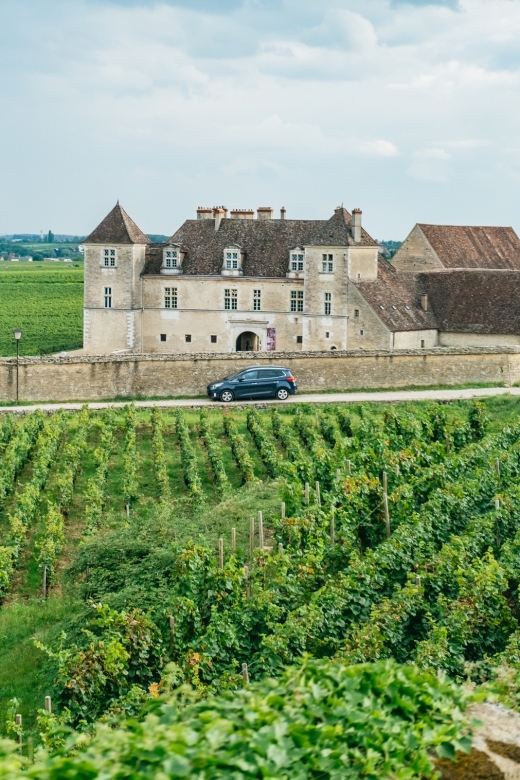
Clos de Vougeot was founded in 1098 by monks, and the vineyard covers 50 hectares. The castle houses the brotherhood of the Knights of the Tastevin, a detail that helps explain how Burgundy became a culture, not just a product. If you’ve only seen Burgundy as bottles on a shelf, Clos de Vougeot puts a human story behind the labels.
You’ll connect this stop back to what you learned earlier in the day: that Burgundy’s structure is tied to specific parcels and historic stewardship. Clos de Vougeot is also linked to Grand Cru wines, including Le Clos Vougeot Grand Cru, so it’s a place where the terms you’re tasting are anchored in geography.
Because it’s a photo stop, you won’t get a slow wander. That’s fine. The tour is trading time there for tastings later that let you taste Pinot Noir and compare styles again.
Nuits-Saint-Georges: a cellar visit and winemaker conversation around Pinot Noir
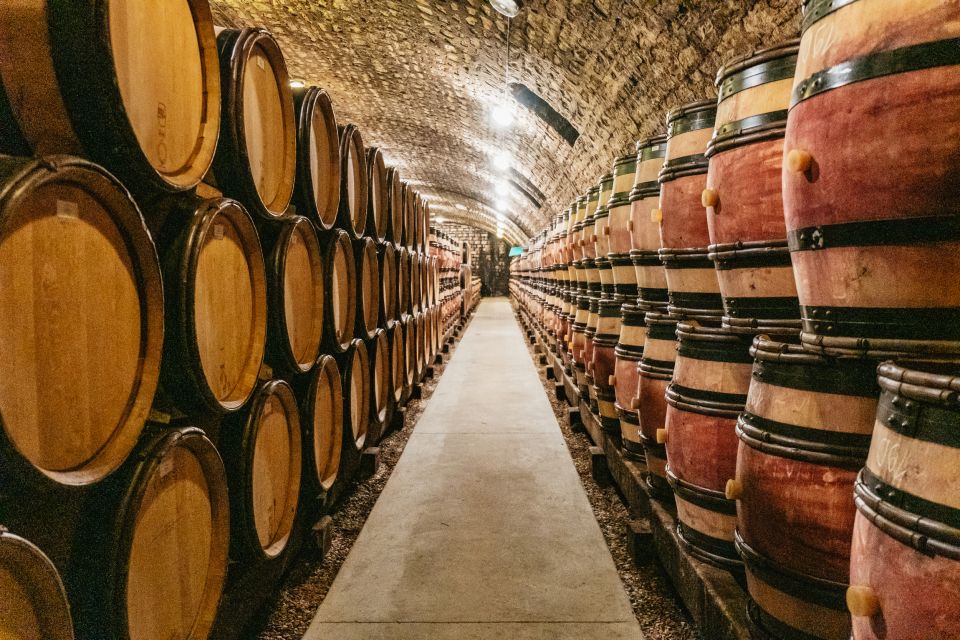
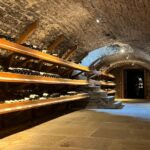
If you want one moment that makes the day feel real, it’s the Nuits-Saint-Georges stop. Here you visit a wine cellar and share time with the winemaker, centered on a tasting of his best Pinot Noir wines.
This is where the tour shifts from “how Burgundy is classified” to “how Burgundy is made and why it tastes the way it does.” Pinot Noir from the Côte de Nuits tends to feel like the region’s signature move—lighter colors, big texture, and flavors that can swing from earthy to red-fruit depending on site and style. When you taste in the context of a specific winemaker, you understand that the bottle isn’t just a label. It’s a set of choices made in the vineyard and in the cellar.
The time here is about 75 minutes, which is comfortably long for a real cellar-style tasting. It also means you can ask questions without feeling rushed. If you’re the type who wants your guide to go beyond the basics, this stop is your best chance.
As a bonus, this part of the day is structured so you’re not just tasting again and again with no meaning. The earlier education helps you notice differences, then the winemaker time puts names and hands to the process.
Chambolle-Musigny: the final shop tasting and how to end strong
To finish, you’ll head to Chambolle-Musigny for a wine tasting at a local wine shop. This is about an hour, and it works well as the day’s landing pad: enough time to compare what you liked earlier, and enough calm to consider purchases.
By now you’ll have tasted enough Village and 1er Cru styles to start building your own short list. Ending in a shop is practical too. It’s where you can actually talk with staff, ask what they recommend, and think about which bottles you’ll want to take home.
I also like the psychological effect of this last tasting. After vineyards and cellar stops, a shop tasting feels less “event” and more “real life.” It’s the moment you start shopping with intent, not just collecting samplers.
14 tastings and the lesson you can use in any wine shop
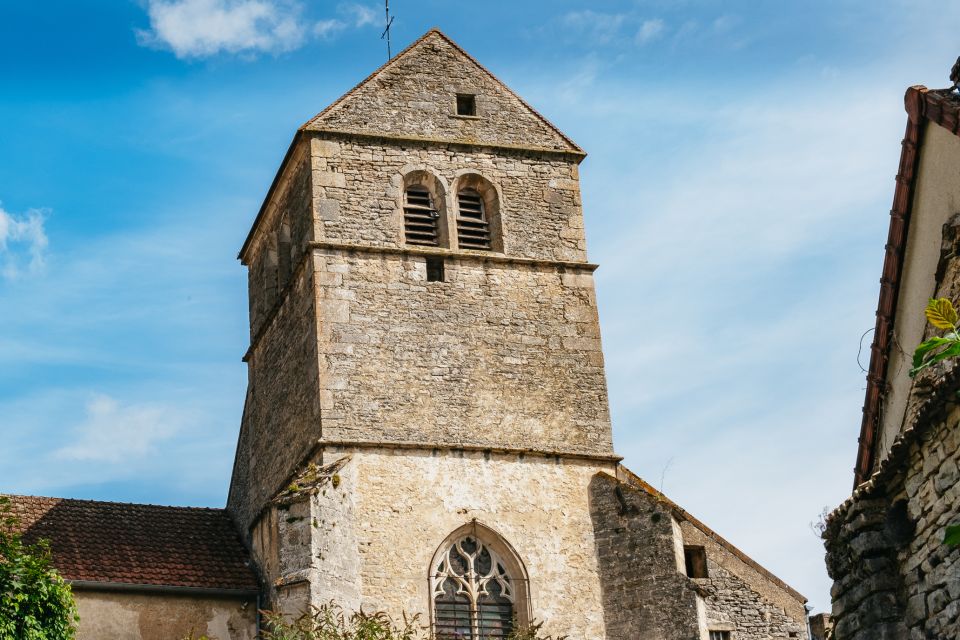
Here’s what I think makes this tour valuable beyond the headline number of wines: the order of experience. You start near Beaune with appellations like Saint-Aubin and Meursault, then move through the prestigious Grand Cru world via Route des Grands Crus and major sites like Romanée-Conti and Clos de Vougeot, then return to the human side with a winemaker tasting Pinot Noir in Nuits-Saint-Georges, and finally wrap up in Chambolle-Musigny.
That structure helps you learn three things quickly:
1) Burgundy labeling is tied to place
Village vs 1er Cru vs Grand Cru is not random. Your guide’s job is to connect the words to the vineyard logic.
2) Terroir matters, but the winemaking choices matter too
People talk a lot about soil and land in Burgundy. The best parts of the day keep those ideas anchored in what you’re tasting, not just what you’re told.
3) Your palate changes when you taste with context
When you taste across categories, you stop treating each wine like a separate event. You start comparing and noticing patterns.
From past group experiences, guides like Emmanuel and Virginie are especially strong at this “label-to-sip” coaching. If you’re a beginner, you’ll get the basics fast without feeling talked down to. If you’re already into Burgundy, you’ll still benefit because the day forces you to organize what you think you know.
And yes, the tastings can add up during the day. Plan for it. If you tend to get tipsy easily, go slower than you think you need to. You’ll enjoy the explanations more when you’re not fighting the third tasting.
Price and value: what $294 gets you in Burgundy time
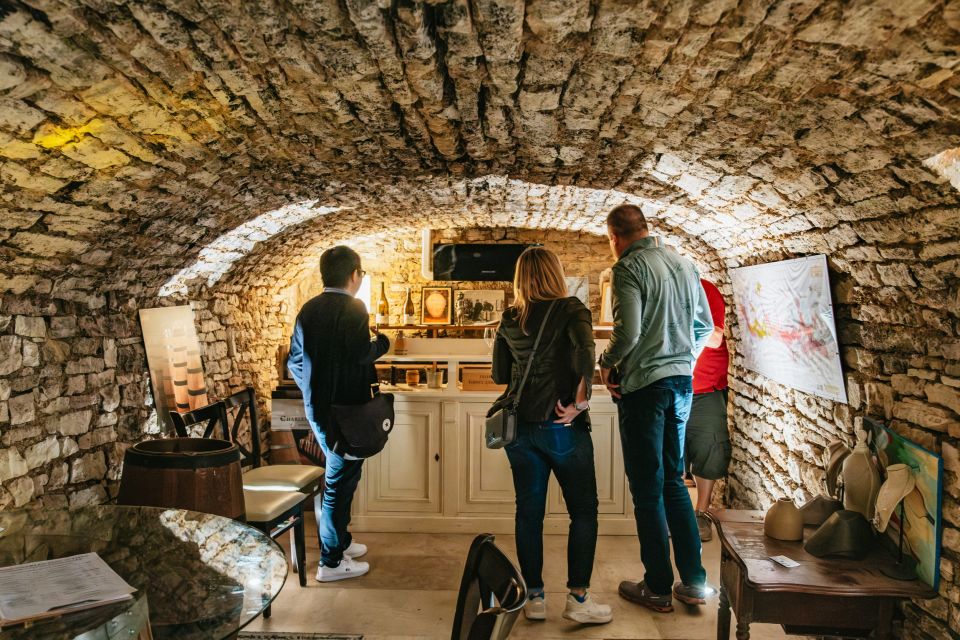
At $294 per person, you’re paying for more than wine. You’re paying for transportation, guidance, and access to several tasting settings that would take real time to coordinate yourself.
For this price, you get:
- an air-conditioned minivan ride in a small group
- multiple tasting stops, including winery time near Beaune and a cellar-style tasting in Nuits-Saint-Georges
- a guided experience with a live English tour guide
- short, meaningful vineyard stops like Clos de Vougeot and the Romanée-Conti photo break
- a final tasting at a local shop in Chambolle-Musigny
Lunch is extra, and that’s the main cost you’ll budget beyond the ticket. Still, lunch is part of the experience rhythm, and the guide’s restaurant recommendation can save you from guessing where to eat once you’re away from Beaune’s center.
Also worth knowing: some participants have reported tasting more wines than the stated minimum, which can improve value if your day runs with extra pours. Transport comfort also tends to be praised, including the ability to keep the ride pleasant in summer heat. One quick caution from past feedback: if the air-conditioning feels off, say something early so they can fix it before you settle in for the day.
Who this Burgundy day trip is best for
You’ll likely love this tour if:
- you want a structured Burgundy education in one day
- you’re excited by Village and 1er Cru wines but also want at least one Grand Cru moment
- you enjoy Pinot Noir and want a winemaker-style tasting, not just passive sampling
- you like small-group pacing with time to ask questions
You might want to skip it if:
- you’re looking for a leisurely, slow countryside day with lots of independent wandering
- you can’t do a long day (roughly 8.5 hours) with frequent stops
- mobility constraints apply
Should you book this Beaune Burgundy day trip?
I’d book it if you want your time in Burgundy to feel organized and meaningful. This isn’t a “drive-by tastings” day. The flow—from appellations near Beaune, to Route des Grands Crus photo stops, to a Clos de Vougeot history moment, to a winemaker-led Pinot Noir tasting—gives you the exact kind of context that makes Burgundy click fast.
Before you hit reserve, do two quick checks: confirm you’re comfortable paying separately for lunch, and make sure the not-suitable-for-mobility-impairments note won’t affect your situation. If those fit, this is a strong value way to get educated and taste your way through the Côte d’Or.
FAQ
Where is the meeting point for the tour?
You meet in front of the Beaune Tourist Office at Porte Marie de Bourgogne, 6 Boulevard Perpeuil, 21200 Beaune.
What time does the tour start and end?
Pickup is at 9:30 AM and you’re dropped back at the meeting area at about 5:45 PM.
How long is the day trip?
The duration is 510 minutes (about 8.5 hours).
How many people are in the group?
The tour is limited to a small group with a maximum of 8 participants.
What language is the guide?
The live tour guide speaks English.
How many wines are included, and what types?
The tour includes tastings of 14 wines, featuring Village and 1er Cru appellations and one Grand Cru.
Is lunch included in the price?
Lunch is not included. Your guide will recommend a local restaurant, and you’ll eat at your own expense.
What key stops are included besides the tastings?
You’ll have photo stops at Clos de Vougeot and the Romanée-Conti vineyard, plus a scenic drive along Route des Grands Crus.
What if I need to change my plans?
Free cancellation is available up to 24 hours in advance for a full refund, and you can reserve now and pay later.