REVIEW · PARIS
Bateaux Mouches Sightseeing Cruise in Paris with Champagne
Book on Viator →Operated by Compagnie des Bateaux-Mouches · Bookable on Viator
A Seine cruise with Champagne sounds simple, but it’s actually a smart first move. This Bateaux Mouches ride gives you live narration as you float past major sights, plus a bottle of French Champagne shared between two people. I like how it’s built for getting your bearings fast, and I love the photo angles from the upper deck. The main catch: it can feel crowded and loud, and the narration experience depends a lot on where you sit.
One hour 10 minutes is long enough to learn a lot, but short enough that it won’t steal your whole day. You’ll glide under historic bridges and see famous landmarks like the Eiffel Tower and the Louvre from a new angle—then you’re back at the same departure area near public transport. If you’re after quiet, romantic, sit-still-and-whisper vibes, you may want to pick your timing carefully.
In This Review
- Key Highlights You’ll Care About
- Why the Bateaux Mouches Champagne Cruise Makes Sense for Paris
- Getting Set Up at Port de la Conférence (and Avoiding the Usual Chaos)
- The 70 Minutes on the Seine: What You’ll See and Why It Matters
- The Eiffel Tower and Louvre Banks: Your First Big Photo Push
- Notre-Dame and the Île de la Cité: The City’s Geometric Center
- Bridges, Orsay, and the Conciergerie: Where the Story Gets Real
- Champagne on a Seine Cruise: Fun, but Know the Rules
- Seating, Audio, and Crowds: The Real Tradeoffs
- Seating without reservations
- Audio commentary: where it works best
- Crowd noise can drown the vibe
- How Much Is This Cruise Really Worth?
- The Best Time to Go (and Who Should Book)
- Should You Book the Bateaux Mouches Champagne Seine Cruise?
Key Highlights You’ll Care About
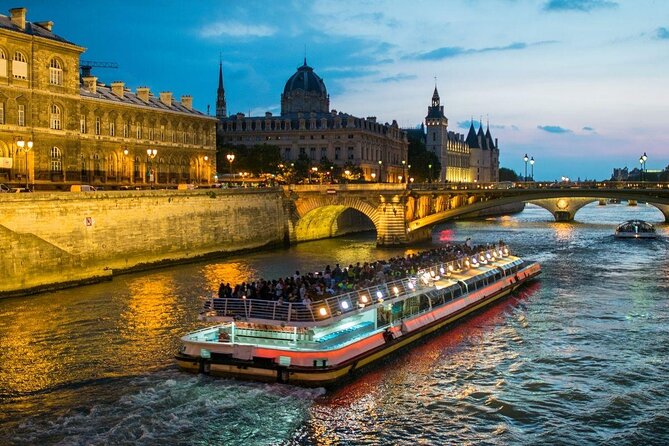
Upper deck 360° views for Eiffel Tower and bridge photos
Live commentary in several languages while you pass landmarks
Heated main deck in winter, A/C in summer for comfort
Champagne pickup right after boarding (ask staff after turnstiles)
No reserved seating means your seat is partly luck and timing
Regular departures all day so you can choose a better moment
Why the Bateaux Mouches Champagne Cruise Makes Sense for Paris
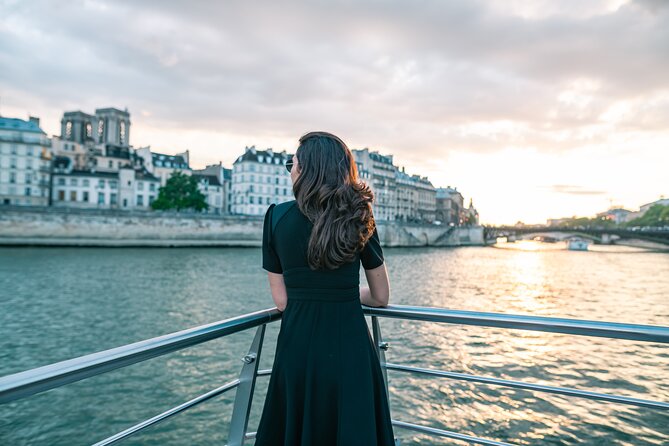
If it’s your first time in Paris, the Seine is the easiest “big picture” map you can buy with money. From the water, distances look different. Landmarks stop feeling random and start lining up into a story: palaces, churches, museums, and bridges all in the same frame.
This is where the cruise earns its keep. The narration points out what you’re actually seeing, rather than just letting you stare at famous silhouettes. And the ship layout matters: there’s an upper deck with wide sightlines and a main deck below that’s more comfortable when the weather turns.
Now the honesty part: this is also a popular, high-traffic activity. Even though the tour has a maximum of 150 travelers, you may still end up shoulder-to-shoulder at busier times. That’s not a deal-breaker—just know what you’re signing up for.
You can also read our reviews of more boat tours in Paris

Getting Set Up at Port de la Conférence (and Avoiding the Usual Chaos)
Your departure is from Port de la Conférence (75008 Paris) at the edge of the Seine. Boats run frequently—every 30 to 45 minutes through the day—so you can usually pick a time based on light and crowds. If you can, aim for earlier in the day during peak season. It tends to reduce the “everyone has the same selfie plan” energy.
Once you’re at the gate, there’s one detail that can make or break the Champagne moment. After you pass the turnstiles, you need to ask the staff in the gift shop for the bottle of Champagne and glasses. Do it right away, before you disappear into the seating scramble.
No reserved seats means you’re choosing your view on the fly. If you want the best angles and the easiest camera work, aim for the upper deck as you board. If you’re more sensitive to cold or sun, you’ll likely prefer the main deck comfort—just be aware that some people find audio harder to hear when they’re lower on the boat.
The 70 Minutes on the Seine: What You’ll See and Why It Matters
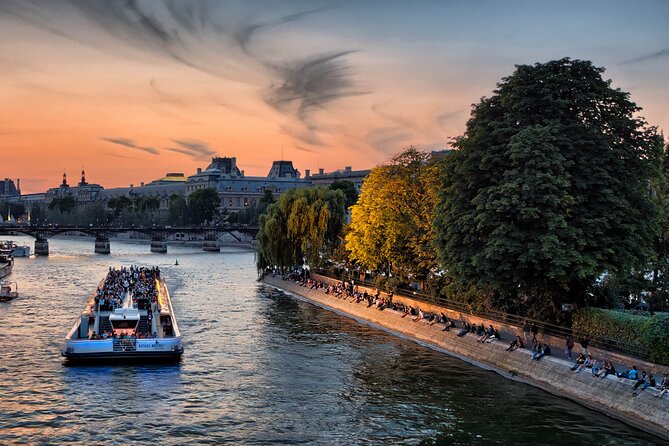
This cruise is about staying oriented while Paris slides past. You get live commentary as you drift along both banks, under bridges, past major neighborhoods, and by landmark clusters that are often confusing when you’re walking around.
You don’t get intermediate stops. The boat leaves, follows the route, and returns to the original point. That’s actually useful: you’re not spending time commuting to new spots. You’re simply watching the city unfold in a straight line, with just enough structure to understand the history behind what you’re photographing.
The Eiffel Tower and Louvre Banks: Your First Big Photo Push
One of the quickest “wow” moments comes early as you look toward the Eiffel Tower area. Even if you’ve seen it in photos a hundred times, the river view makes it feel more grounded—like it belongs to the city, not to a postcard.
As you continue, you’ll also pass the Louvre area and get views from a perspective that’s different than standing in a crowd on land. The narration helps you understand why this stretch feels iconic: you’re moving through a central alignment of royal-era power and modern Paris spectacle.
Practical tip: if you’re serious about photos, try to be ready before the boat reaches the most photographed sections. With frequent departures, the ship can be busy and people tend to stand up at the last second.
Notre-Dame and the Île de la Cité: The City’s Geometric Center
The cruise then pushes into the heart of old Paris—Île de la Cité, the river island where Notre-Dame dominates the skyline. When you see Notre-Dame from the water, it doesn’t feel like a monument you visited. It feels like a fixed point Paris organized itself around.
This section also helps you understand how the city’s waterways shape movement and history. The narration gives context as you pass nearby sites tied to power, religion, and civic change—exactly the kind of connection that’s hard to piece together while walking.
One consideration: during busy hours, the views are still great, but the deck can feel like a moving platform. If you want steady framing for photos, you may want to grab a spot early and stay put rather than constantly relocating.
You can also read our reviews of more wine tours in Paris



Bridges, Orsay, and the Conciergerie: Where the Story Gets Real
Here’s where the route becomes more than scenic. As the boat slips under historic bridges, you’ll see landmark buildings along the route. Musée d’Orsay shows up with windows overlooking the Seine, and the Conciergerie appears in the orbit of the medieval-to-revolutionary shift that shaped Paris.
The narration doesn’t just name places—it links them to the city’s timeline. On land, you might bounce between districts and forget why they mattered. On the river, the city’s layout does the remembering for you.
If you care about history, this is the segment to pay attention to. You’ll get a smoother sense of cause and effect: how the city evolved around the river, how key institutions were located, and how major eras overlapped.
Champagne on a Seine Cruise: Fun, but Know the Rules
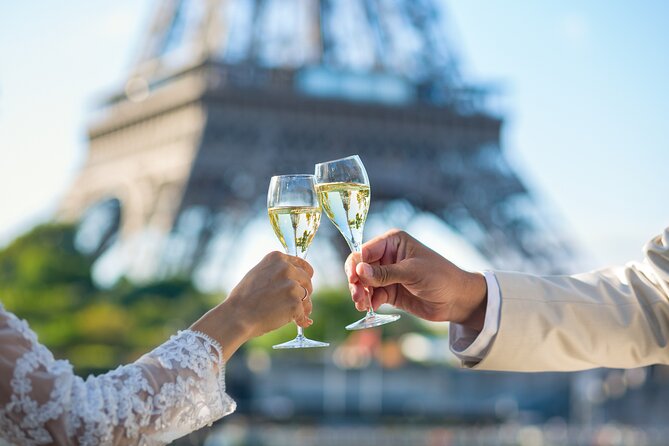
Champagne is part of the appeal, and it’s one of the clearest “value” signals of this particular cruise. You get a bottle of Champagne to share between two people, and there’s a bar onboard where you pick up your glass.
But the small print you should plan for: several practical issues can show up in real life. Some people reported not getting the full Champagne setup they expected, like missing glasses or mismatches in what was served. The fix is simple—when you’re given your drink access, make sure you have the Champagne bottle and the glasses before you settle in.
Also, don’t count on a quiet toast. The boat is moving, people are photographing, and the atmosphere can get noisy. If you’re hoping for a romantic whisper moment, you’ll want to pick a calmer time of day and position yourself where you can actually hear the narration without shouting.
One more rule: under-18s aren’t allowed to drink alcohol, so if you’re traveling with teens, plan the alcohol part accordingly.
Seating, Audio, and Crowds: The Real Tradeoffs
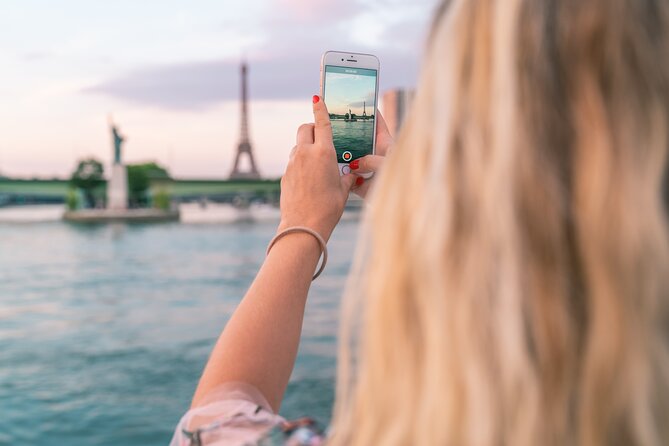
Let’s talk about the part that can make you love this cruise or feel annoyed by it: comfort and sound.
Seating without reservations
There are no reserved seats, and boarding can include long lines and lots of movement. You’ll likely want to arrive early for your selected departure. Once people start shifting for better views, it can feel like a timed scramble.
Audio commentary: where it works best
Live commentary is offered in multiple languages, which is a big plus. Still, audio clarity can be tricky depending on the deck you choose. Some people found the narration less useful because it didn’t help them easily identify what was on their left vs right, especially when the guide used nautical direction terms.
My practical advice: don’t treat the audio as your only navigation tool. Use landmarks. Eiffel Tower, Notre-Dame, and the Louvre area are obvious enough that you can track what you’re passing. If you can’t hear clearly, shifting to a better spot on the boat can help more than you’d expect.
Crowd noise can drown the vibe
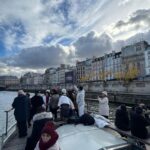
On peak departures, the boat can be loud. People stand up for bridges and then surge again for the next photo. If your main goal is a calm education about Paris architecture, you may feel frustrated in a tight crowd. If your goal is a relaxed, high-impact orientation with great views, you’ll probably do fine.
Dress matters too. Even when it’s a warm day on land, it can feel colder on the water. Bring layers. If it rains, you’ll want something to deal with wet seats and spray.
How Much Is This Cruise Really Worth?
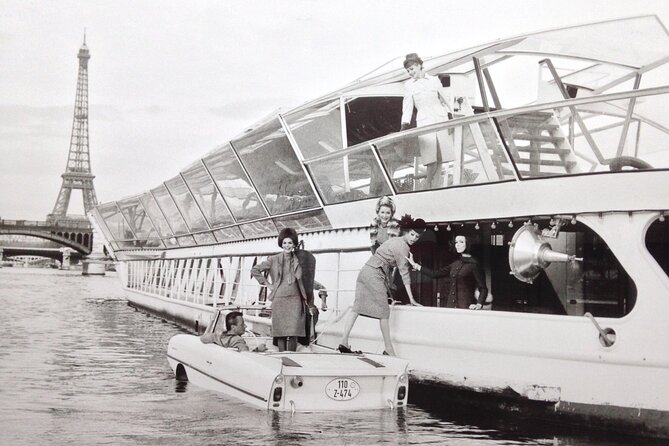
At about $34.92 per person for a roughly 70-minute cruise plus Champagne, this pricing sits in the “reasonable splurge” category. You’re paying for three things at once:
1) A guided, narrated loop that covers the central sights in one go
2) A river-based perspective you can’t fully replicate from walking streets
3) A Champagne add-on (bottle shared between two)
If you compare it to buying individual attraction tickets plus a private guide for a similar coverage, this starts looking like a practical value move. It’s also the kind of activity where you can feel productive even if you only have part of a day.
If you’re price-sensitive and you only want the views, you might find cheaper Seine rides elsewhere. But if you want the narration structure and the Champagne touch, this fits the bill—just don’t assume it will feel like a private yacht.
The Best Time to Go (and Who Should Book)
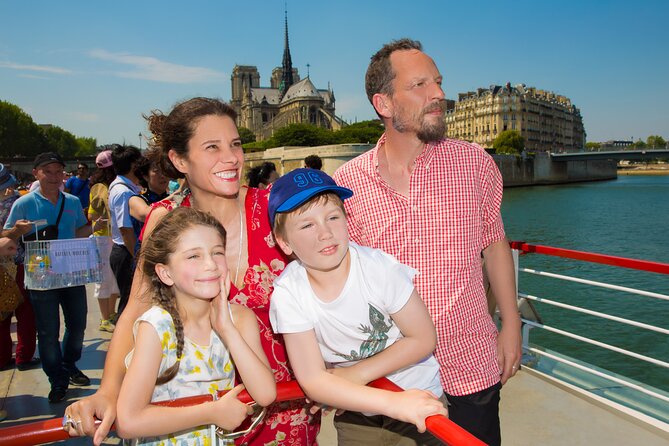
This cruise works best when you match the experience to your travel style.
Go for it if:
- You’re a first-timer who wants quick orientation and landmark context
- You want great photo opportunities without walking for hours
- You value the mix of history talk plus a light celebration
- You like “see a lot quickly” rather than “slow and quiet”
Be extra cautious if:
- You want a quiet, intimate atmosphere for romance
- You’re very sensitive to crowd noise
- You plan to rely entirely on the audio for left/right guidance
It also helps that the boat has a heated main deck in winter and A/C in summer, plus restrooms onboard, so weather is less of a problem than it could be on smaller open boats.
Should You Book the Bateaux Mouches Champagne Seine Cruise?
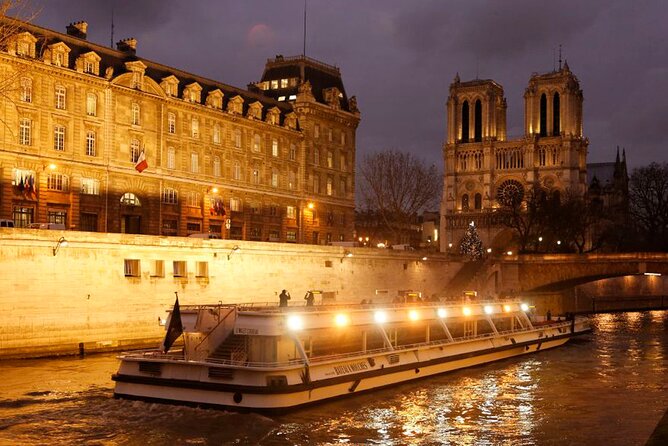
I’d book this if you want a structured, scenic Seine experience with a real Paris highlight route and a Champagne moment you can actually plan around. The cruise is built for orientation: it passes key landmarks, gives you narration, and lets you watch the city from the water without the hassle of transfers.
I’d hesitate only if your top priority is quiet and you’re traveling during the busiest departure times. In that case, you’ll need a good strategy: pick an earlier sailing, grab a spot quickly when boarding opens, and be ready to adjust if the audio is tough to hear from where you end up.
If you’re okay with a lively atmosphere in exchange for big views and easy sightseeing, this is a solid choice.