REVIEW · BEAUNE
Small group full day tour in the Burgundy vineyards
Book on GetYourGuide →Operated by SAS Chemins De Bourgogne · Bookable on GetYourGuide
Burgundy feels different with the right guide. I like the format most: two tastings (about five wines each) and a Burgundy specialist guide who turns vineyard names into something you can actually understand. This is the kind of day where you leave knowing what to look for on the next bottle you buy.
You’ll spend the morning on the Côte de Beaune side (with stops near famous villages like Pommard and Meursault), then shift to the Côte de Nuits in the afternoon around places like Vosne Romanée, Gevrey-Chambertin, and the Château du Clos de Vougeot area. One thing to plan for: the cellar can run cold year-round, so pack a jacket even if it is warm outside.
In This Review
- Key points before you go
- A full-day loop over the Côte de Beaune and Côte de Nuits
- Two tastings that teach you how to taste, not just sip
- Morning on the Côte de Beaune: villages you can picture later
- Beaune lunch break: choose your own rhythm
- Afternoon Côte de Nuits: the Grand Crus zone in motion
- Price and value: what $230 buys you in the real world
- Logistics that matter: meeting point, language, and pacing
- Who should book this Burgundy day (and who might want a different plan)
- Should you book this Burgundy vineyards tour?
- FAQ
- How long is the small-group Burgundy vineyards tour?
- What tastings are included?
- Is lunch included?
- Where does the tour depart and return?
- How big is the group?
- What languages does the guide speak?
- What should I bring?
- What is the cancellation policy?
Key points before you go

- Small group (up to 8) keeps questions in-bounds and the pace easy to follow
- Two tastings, about 5 wines each gives you a real comparison across both slopes
- Burgundy-focused guidance from people like Antonin, Alexandre, and Raphael helps you match your learning level
- Signature vineyard route by car passes through Côte de Beaune villages in the morning and Côte de Nuits Grand Crus zones later
- Free lunch time in Beaune lets you eat when and where you want, instead of rushing as a group
- Cellar chill is real—bring layers so the tasting stays comfortable
A full-day loop over the Côte de Beaune and Côte de Nuits

This tour is built for people who want the classic Burgundy “you can’t fake this” experience: drive the famous vineyard corridors, hear the grapes-and-terroir story from someone who knows the area, and taste wines in a way that makes the labels start to click.
The schedule is simple on paper and satisfying in practice. You’ll start with the Côte de Beaune section in the morning, moving through well-known village names like Pommard, Meursault, and Chassagne-Montrachet. Then you’ll shift into the Côte de Nuits in the afternoon, with a route that runs past Nuits Saint Georges and Vosne Romanée, through Gevrey-Chambertin, and near the Château du Clos de Vougeot. The day stays focused on the vineyards first, and the wine talk second—in the best order.
Timing matters here. The activity lists 7 hours, but the day feels more like a 7–7.5 hour journey when you include driving time and tastings. You’re not hopping out every five minutes, but you also don’t sit in the van the whole day. The rhythm is built around short viewpoints, vineyard context, and two separate tastings with guidance.
You’ll also travel in the tour cars, which is a big deal in Burgundy. Many vineyards sit on narrow roads and tight bends. Doing this as part of a group means you get the views without the stress of navigating.
A few more Beaune tours and experiences worth a look

Two tastings that teach you how to taste, not just sip
The heart of the tour is two commented tastings, each one centered on about five wines. That structure is what makes this feel like learning, not just a wine stop with a free pour.
What I appreciate most is that the tastings are guided. The guide doesn’t just say what you should like. Instead, they connect the wines to what you’ve been seeing outside the window—vineyard names, plot thinking, and how growers approach their craft. Several past guests highlighted that their guides explained the process in a way they could grasp, whether they were brand-new or had tasted wine before.
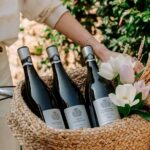
One thing you can expect during the tasting is a focus on how to read a label and what to notice in a wine. Some guests specifically mentioned learning from the label, then linking that to the plots and the way wines are compared. That’s exactly the skill you want to take home.
Also, tastings are usually about choices: you might prefer one style today, then learn why that preference makes sense once you understand the vineyard context. One review pointed out a mix of whites and reds at a domaine in the Côte de Beaune, with different impressions between the two—useful information because it reminds you that Burgundy can reward curiosity more than “safe picks.”
Practical tip: pace yourself. It is still a full day with lots of driving and walking. If you know you get a bit tired after tastings, bring a bottle of water and plan to eat your lunch calmly when you have free time in Beaune.
Morning on the Côte de Beaune: villages you can picture later

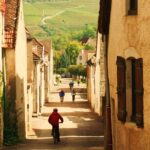
The Côte de Beaune morning is all about recognition. You’ll travel along the famous Grands Crus route and pass through villages that wine lovers can name off fast—Pommard, Meursault, Chassagne-Montrachet, and others. Even if the names don’t mean much to you right now, the tour helps them turn into mental pictures: where the vineyards sit, how the area is arranged, and why certain places show up in wine conversations again and again.
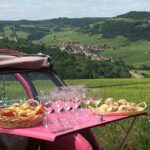
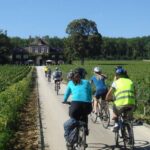
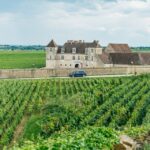
The scenic value here is real, but it is not random scenery. The drive is timed so you get vineyard context before the first tasting. That’s when the explanations land best. You’re not hearing a lecture in a classroom. You’re seeing vineyard slopes and rows as the guide talks about grapes, growth, and winemakers.
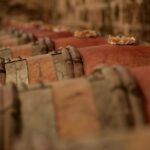
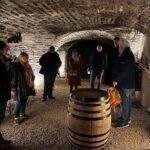
Then you’ll reach a domaine or cellar for the first tasting of about five wines. The tour description keeps it flexible on the venue, and that’s normal—Burgundy has lots of small producers and interesting cellar situations. Past days have included tastings at specific places in the Côte de Beaune, and the common thread in the feedback is that the stops were genuinely interesting and well explained, not just a scripted “here’s the wine, enjoy.”
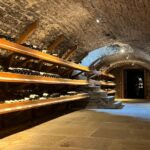
A quick note on comfort: cellars tend to be cool and often a bit dim. Earlier advice from the experience itself says a jacket is recommended even during hot weather—and that matches what you’ll feel once you step inside.
Beaune lunch break: choose your own rhythm
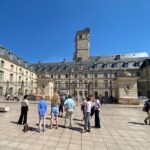
Lunch is not included, but you do get free time in the city of Beaune. I like this part because it gives you control. Instead of eating whatever the group is handed, you can wander, grab something quick, or slow down and pick a café that feels right to you.
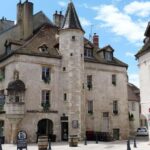
Beaune is the kind of town where you can easily burn 60–90 minutes just walking. If you want a calm reset after the first tasting, this is your window. If you want more wine conversation without committing to a second tasting, you can browse shops or look for a bottle you want to understand later.
Practical approach: eat something with substance before your second tasting. The afternoon tasting is another about five wines, and you’ll want energy. Also, if you buy anything in town, keep it easy to carry. You’re traveling in cars for the rest of the day.
If you’re prone to jet lag or late mornings, this lunch break is also your chance to slow down the day.
Afternoon Côte de Nuits: the Grand Crus zone in motion
The afternoon switches to the Côte de Nuits side, and the route is designed to hit the places that show up in Burgundy talk all the time. You’ll pass through or near Nuits Saint Georges, Vosne Romanée, and Gevrey Chambertin. Then you’ll connect to the famous Château du Clos de Vougeot area and spend time seeing vineyards that are tied to the Grand Crus idea.
This is where the day feels most “Burgundy.” Even from the road, you start to understand how the names matter and why certain plots get attention. The guide’s job here is to translate the big reputation into something you can recognize: what makes these vineyards different, and how that connects to the wines you taste later.
And then comes the second tasting—again, about five wines, guided and commented. The point isn’t just to taste another batch. It is to compare what you’ve learned in the morning against what you see in the afternoon. If you’re paying attention, you’ll notice how the story changes from one side to the other.
Past feedback praised guides for adjusting explanations. Some people said their guides listened first and then taught at the right level. That makes a big difference here because Côte de Nuits can feel intimidating. When the guide keeps the pace and avoids talking above your head, the tasting becomes a confidence builder.
Also, the group size helps. With a maximum of 8 participants, you’re less likely to get stuck in a long line of questions at the back of the van. You can ask follow-ups as you go, especially if something doesn’t click yet.
Price and value: what $230 buys you in the real world
At $230 per person for around 7 hours, this tour is not trying to be the cheapest way to drink Burgundy. It is charging for three things you don’t get on a DIY outing:
1) Two guided tastings (about ten wines total)
2) A Burgundy-focused guide who connects vineyards and winemakers to what you taste
3) Transportation along the vineyard route, including the practical ability to reach places you’d struggle to manage on your own
So the value question is simple: do you want to spend your day reading maps and trying to line up tastings, or do you want a guided itinerary that already knows where the best explanation-and-tasting moments happen?
If you care about learning—how to read labels, how vineyards relate to wine style, and what matters in production—this is a strong use of your time. Several guests gave very high marks to the guide’s communication and enthusiasm. People also mentioned pace, saying it allowed time to see things but still covered the whole region.
If you only want a casual sip and a quick photo stop, you might find it heavy on structure. But for most wine-focused travelers, two guided tastings plus a full vineyard route is exactly the sweet spot.
One more small budget note: lunch is not included. Plan for a meal in Beaune, and you’re set.
Logistics that matter: meeting point, language, and pacing
The meeting point is at the Solstice reception. Plan to arrive at least 10 minutes early so the day runs on time.
Language is handled well: the tour is offered with a live guide in French and English, so you should not feel left out if your French is rusty.
Because it is a small group limited to 8, the pace tends to stay human. Reviews highlighted how guides had a great sense of timing, giving people enough room to see and ask questions without turning the day into a race.
One comfort reminder: bring a jacket. This isn’t just a cellar tip. It is also helpful for outdoor vineyard driving time, especially when temperatures shift between sunny overlooks and cool cellar interiors.
And yes, this tour includes guided travel in their cars. That means you’ll have the freedom to look out windows and listen, instead of constantly focusing on roads.
Who should book this Burgundy day (and who might want a different plan)
This tour is a great fit if:
- You want to see both Côte de Beaune and Côte de Nuits in one day without planning headaches
- You enjoy learning from a guide who can explain vineyards and production in clear terms
- You want two tastings as a structured comparison, not just random wine stops
- You’re traveling with someone who wants different levels of wine talk—your guide can tailor explanations to what you’re comfortable with
It might be less ideal if:
- You only want one tasting and a relaxed stroll, since the day is built around two tasting sessions and a full drive route
- You are extremely sensitive to cold interiors, since cellars can be chilly even in warm weather (a jacket solves most of this)
If you’re in Dijon or Beaune, the departure and return options make it easier to slot into your itinerary. You won’t lose half a day getting organized and back again.
Should you book this Burgundy vineyards tour?
I’d book it if you want a day that feels organized, educational, and still fun. The best part is the combination: vineyard route + guided context + two tastings. The guide work shows up clearly in the feedback—people repeatedly mention communication, listening, and how explanations matched their level. That’s what turns wine tasting from a guessing game into a skill.
You should also book it if you want a practical way to experience Grand Crus country without handling transport and timing yourself. For many visitors, the price makes sense once you factor in the two guided tastings and the guided drive through both Côte de Beaune and Côte de Nuits.
Final check before you go: bring a jacket, plan for lunch in Beaune, and come ready to ask questions. If you do that, you’ll leave with a much clearer sense of why Burgundy wines are discussed the way they are—and you’ll know how to read the next bottle with more confidence.
FAQ
How long is the small-group Burgundy vineyards tour?
The tour duration is listed as 7 hours (including driving and tastings).
What tastings are included?
You get two tastings, with around 5 wines in each tasting, both with guided comments.
Is lunch included?
No. Lunch is not included, but you do have free time in Beaune in the middle of the day.
Where does the tour depart and return?
Departure and return are available in Dijon or Beaune.
How big is the group?
The group is small, limited to 8 participants.
What languages does the guide speak?
The live guide offers French and English.
What should I bring?
A jacket is recommended even during hot weather because the cellar can be quite cold year-round.
What is the cancellation policy?
There is free cancellation up to 24 hours in advance for a full refund.