REVIEW · PARIS
Paris: Montmartre Food Tour with Full Meal
Book on GetYourGuide →Operated by _Do Eat Better Experience · Bookable on GetYourGuide
Montmartre tastes like Paris should. This 3.5-hour walking food tour mixes landmark views with a full meal at classic spots, led by real locals like Peter, Kevan, Rocco, and Marie who turn each bite into a story. I especially like the way you get both sweet and savory in a well-paced route, instead of bouncing between random cafés.
My other favorite part is the intimate size (max 12), which makes it easy to hear the guide and ask questions as you walk uphill and downhill. The one drawback to plan for: the route climbs, and the tour is not suitable for people with mobility impairments, so you’ll want comfortable shoes and realistic stamina.
In This Review
- Key highlights you should know
- Moulin Rouge meeting point: warm-up for a hill-and-food evening
- Rue Lepic: first bites and the Montmartre vibe
- Place des Abbesses: a neighborhood pause with a dessert mindset
- Place du Tertre: history and a cheese stop that actually feels French
- Rue du Chevalier-de-La-Barre: boeuf bourguignon, the comfort-food centerpiece
- Sacré-Cœur finish: crêpes, macarons, and a final Montmartre payoff
- Price and value: why $117 can feel fair (or not)
- Walking pace, group size, and who this tour suits
- Practical tips so you enjoy every stop
- Should you book this Montmartre food tour?
- FAQ
- Where does the tour start?
- How long is the Montmartre food tour with a full meal?
- How much food is included?
- Are drinks included?
- What types of food will I taste?
- Is the tour only in English?
- How many people are in the group?
- Is the tour good for people with mobility issues?
- What should I wear?
- Are pets and large bags allowed?
Key highlights you should know
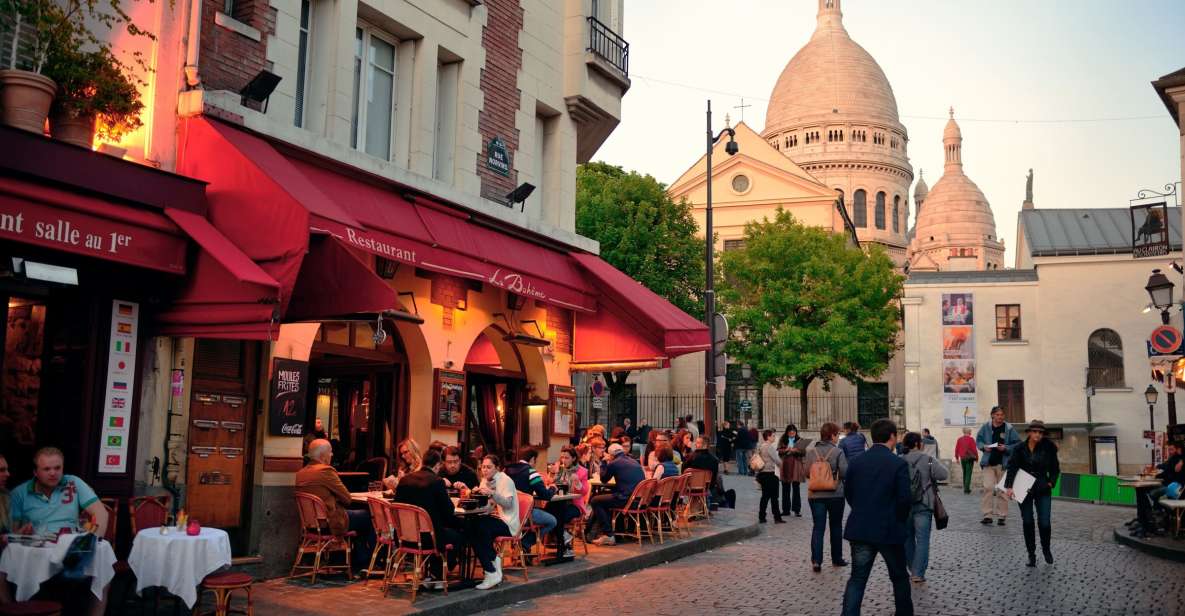
- Start at Moulin Rouge and get your bearings fast in one of Paris’s most character-filled neighborhoods
- At least 4 food stops, with water and 1 alcoholic drink included, so it feels like a real meal
- Montmartre landmarks on the route: Rue Lepic, Place des Abbesses, Place du Tertre, and the climb to Sacré-Cœur
- Traditional flavors with a local angle (including boeuf bourguignon and a neighborhood cheese mix)
- Guides who shape the experience with personality and stories, with many guides named like Zack, Hugo, and Lolla
Moulin Rouge meeting point: warm-up for a hill-and-food evening
Your evening kicks off in front of the Moulin Rouge Ticket Office (82, Bd de Clichy). It’s a good start point because it puts you right where Montmartre’s drama begins—bright, busy, and unmistakably Paris. You’re not just standing around waiting either. As soon as the group forms, the guide usually sets the tone: what you’ll taste, what to notice on the streets, and how to handle the pace.
This is also where I like the tour’s “friend walking you through the neighborhood” feel. With small groups up to 12, you’re not lost in a crowd. Guides mentioned across outings—like Peter and Kevan in particular—show up with personality and a clear sense of timing, so you’re not constantly rushing to the next stop.
One practical note before you go: Montmartre is a hill. Even if you’re an experienced walker, expect a steady mix of uphill and downhill on cobbled streets. Plan your outfit and shoes for grip and comfort, not for fashion points.
You can also read our reviews of more food & drink experiences in Paris



Rue Lepic: first bites and the Montmartre vibe
From Moulin Rouge, you’ll head to Rue Lepic, one of those streets where Paris feels both historic and lived-in. It’s a great warm-up because it’s close enough to the iconic Montmartre energy to feel exciting, but still laid-back enough to settle in before the heavier meal moments.
This section is where you’ll likely get the first sweet intro from the classic list. One possibility is chou, those small puff pastries made from choux pastry with sugar pearls. It’s a less famous French sweet than macarons, but it’s easy to see why people get attached to it: it’s crisp-sugar outside, soft inside, and very “Paris pâtisserie” without being too heavy.
What you’ll learn here matters. The guide will explain the recipes and local context around what you’re eating, not just hand you a bite and move on. Guides with names like Thomas and Este have been praised for turning the route into a guided experience—so you’re tasting with your brain switched on.
If you’re wondering whether you should eat beforehand: I’d keep it light. The tour guarantees food at each stop, and the portions add up quickly across the full 210 minutes.
Place des Abbesses: a neighborhood pause with a dessert mindset
Next comes Place des Abbesses, another Montmartre square that gives you room to breathe between tastings. The setting helps too. Squares like this are where locals actually look up and around—so you notice details you’d usually miss when you’re just power-walking to a viewpoint.
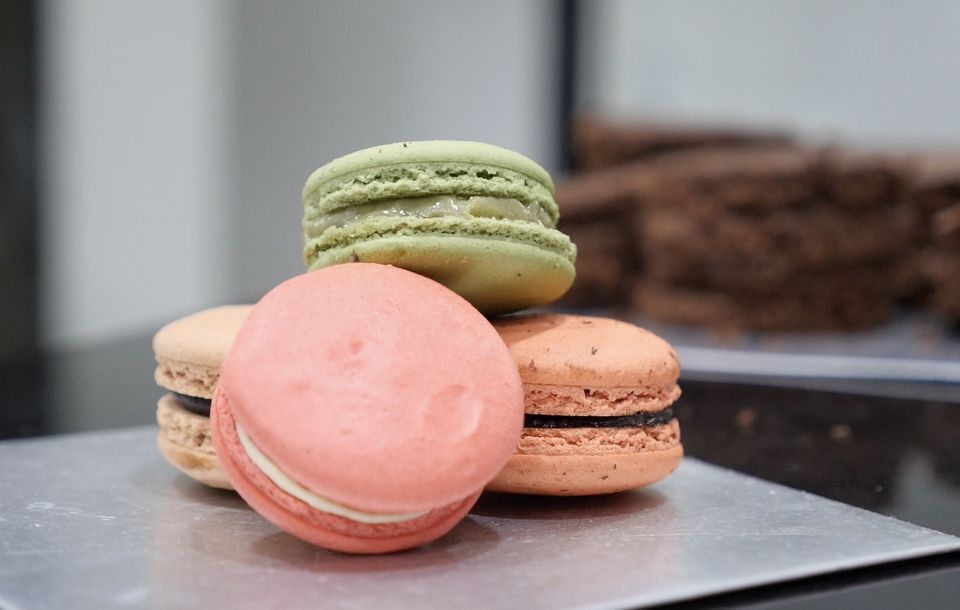
This part of the tour tends to work as a transition into the tour’s dessert rhythm. Depending on season and what partners have available, you might taste macarons (small almond-based meringue-style cakes). Some guides and groups have started with meringue-style sweets, then moved into macarons, so don’t be surprised if you get a sweet sequence early.
Either way, pay attention to the contrast the guide points out—almond and sugar sweetness, delicate texture, and how Montmartre’s food culture leans traditional even when it’s trendy nearby. People like Marie and Lolla have earned repeat praise for storytelling, and that’s exactly what you want here: not a lecture, but a reason your bite tastes like something.
There’s no huge sit-down meal moment built into the schedule, but the route has enough short breaks that you can slow down and actually enjoy what you’re eating.
Place du Tertre: history and a cheese stop that actually feels French
Place du Tertre is one of the most famous squares in Montmartre, and yes, it’s touristy in the best way—artist-lined streets, classic postcard views, and a sense that everyone’s moving toward the same feeling. That’s why it works as a mid-tour anchor. You get a big Montmartre visual payoff while the guide keeps the focus on food.
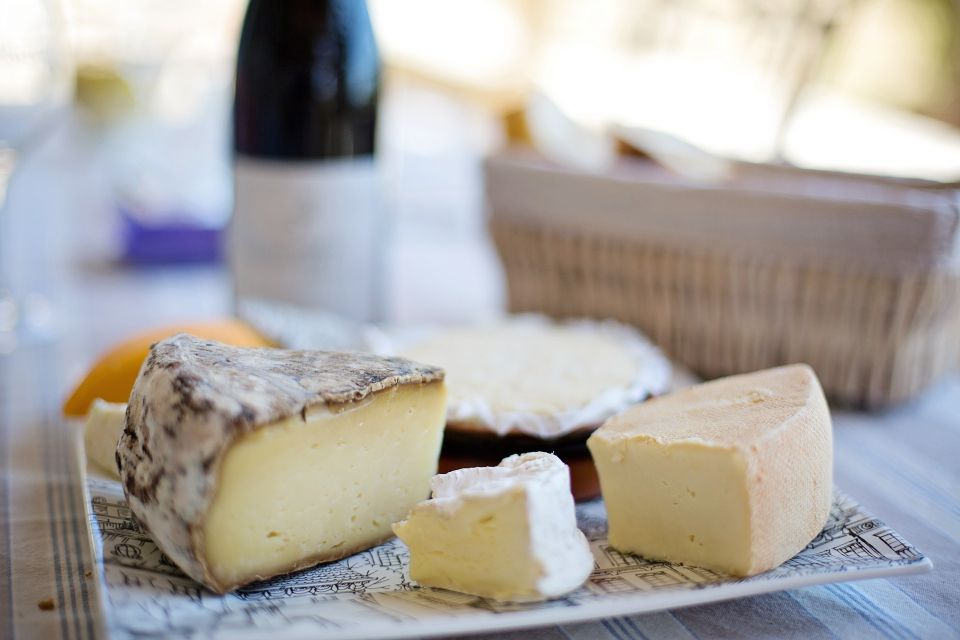
This is often where the tour leans into savory. One of the stated tastings is the traditional mix of fromage, selected by a cheese specialist from the neighborhood. That detail matters because it signals you’re not just sampling random cheeses. You’re getting a local selection that fits the area and the stop’s specialty.
And this is where I think the “different perspective” promise becomes real. Montmartre is usually visited for scenery and photos. On this tour, the scenery supports the food. You’ll hear why these cheeses show up, how French cheese culture works in practice, and what to look for on the plate.
If you’re someone who tends to forget savory food until you’re starving, this stop is your correction. It balances the earlier sweets and sets you up for the more substantial dish later.
Rue du Chevalier-de-La-Barre: boeuf bourguignon, the comfort-food centerpiece
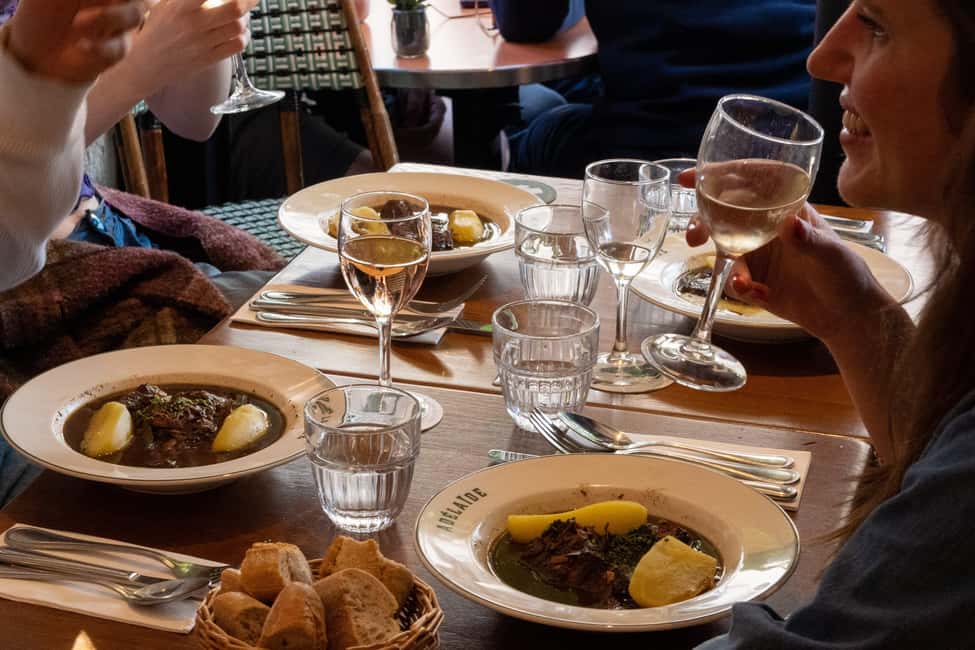
Rue du Chevalier-de-La-Barre is where the tour starts to feel like a true meal rather than a snack stroll. This stretch is perfect for a classic French “main event” tasting: boeuf bourguignon.
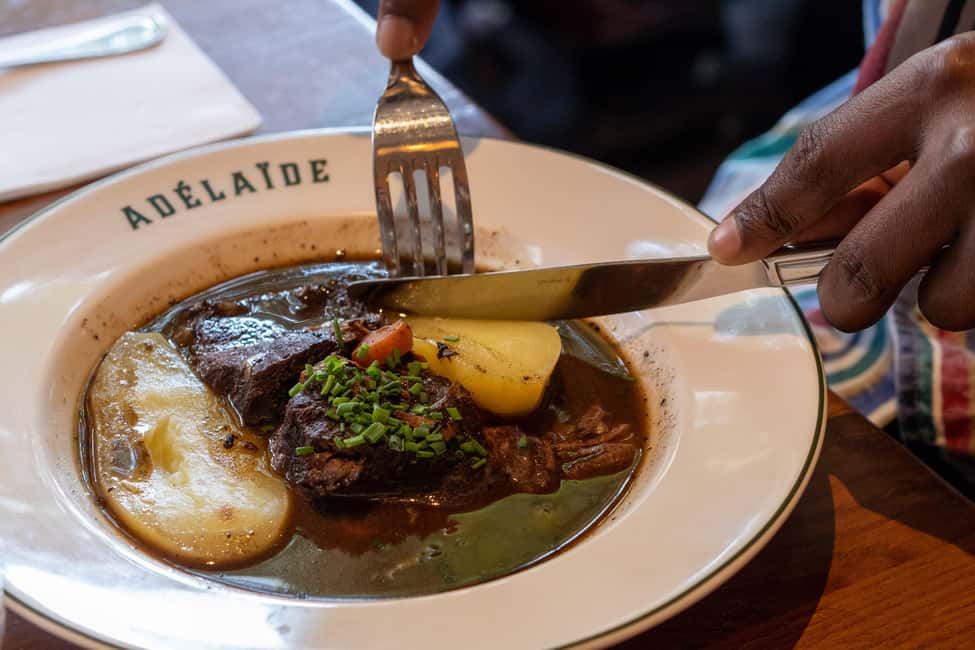
Boeuf bourguignon is slow-cooked beef braised in red wine—typically Burgundy wine—with vegetables and herbs. The guide will explain the origins and why the dish became a French staple. And when you taste it, you’ll understand the hype fast: tender chunks, deep sauce, and that gentle, warming quality that makes you forget you’ve been walking for almost an hour.
One thing to manage: this is the point where you’ll want your appetite to be awake. If you ate a big lunch right before, this dish can feel like too much. But if you came ready, it’s the moment that turns the whole tour into a full evening meal.
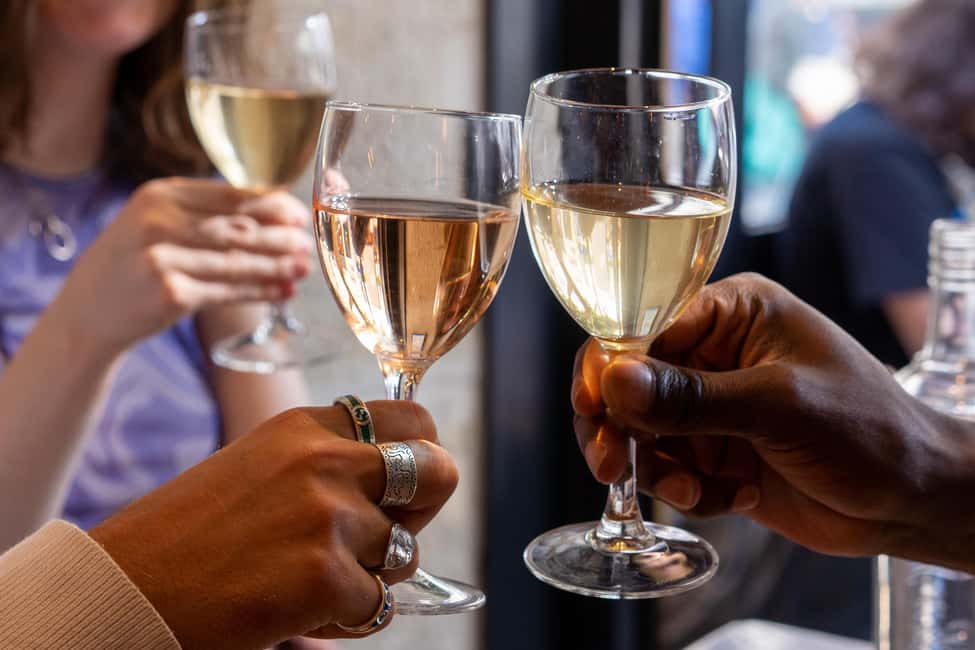
Also, remember the included drink (you get 1 alcoholic drink). It usually works best with the slow-cooked flavors. If you don’t drink alcohol, you might still enjoy the meal, but the tour’s inclusion is explicitly alcoholic, so plan how you want to handle that.
A few more Paris tours and experiences worth a look






Sacré-Cœur finish: crêpes, macarons, and a final Montmartre payoff
You wrap up at the Basilique du Sacré-Cœur de Montmartre. This is more than a pretty ending. It gives you a destination that feels earned after the uphill walk, and it’s a satisfying way to close a food-focused tour without needing another activity right after.
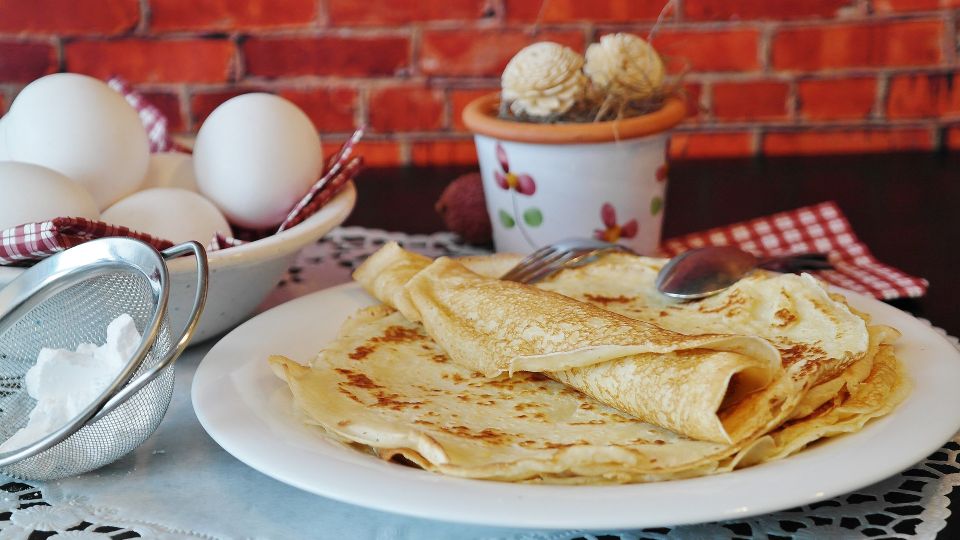
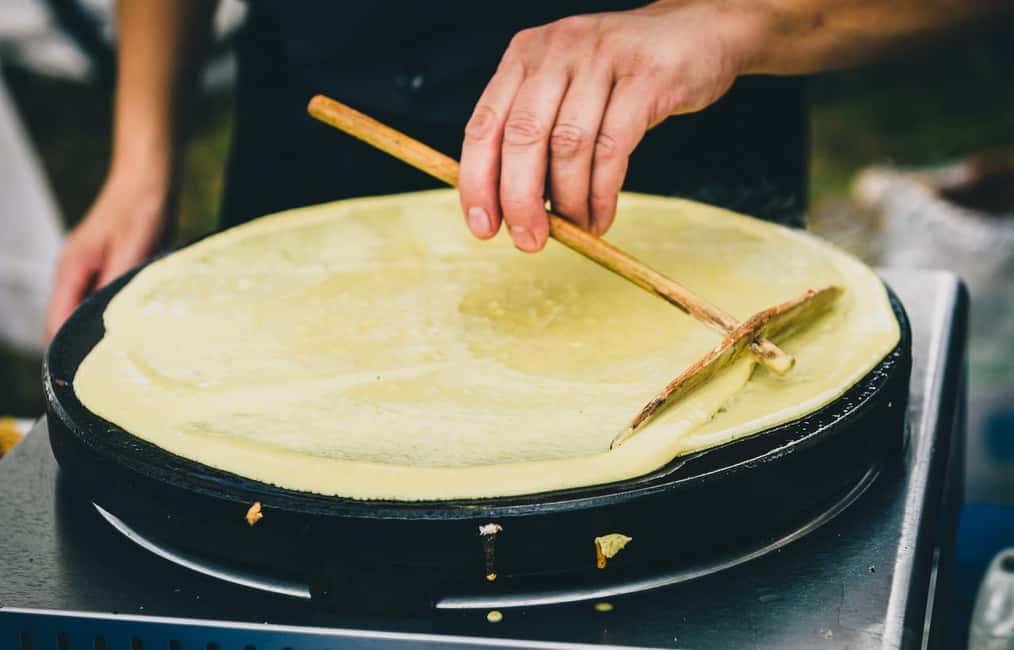
The final stop often centers on dessert options from the classic Paris list. You’ll likely encounter crêpe, a thin, soft French dessert that you can choose in sweet variants. Some groups get crêpes at the end after earlier bites like macarons and cheese. Either way, the timing tends to make sense: you’re done with savory, full enough to appreciate sweetness, and ready for the viewpoint.
You may also see macarons reappear in the sequence depending on the day’s availability. Since tastings can vary by season and what partners have that day, think of the tour as a menu built from these French standards: chou, boeuf bourguignon, fromage, crêpes, and macarons. You’re almost guaranteed a classic spread, even if the exact order shifts.
The guide’s role stays important until the last minute. Many guests in past groups praised guides like Zackaria, Hugo, and Yannick for pacing and for keeping the stories flowing. That’s the difference between eating food and getting a real Montmartre experience.
Price and value: why $117 can feel fair (or not)
At $117 per person for about 210 minutes, you’re paying for a guided walking experience plus a set amount of food. Here’s how I judge value on this kind of tour:
- You’re not guessing what you’ll get. The tour includes at least 4 food stops, with water and 1 alcoholic drink.
- You’re getting structure. Even though the route is scenic, the guide handles the timing and the stops, which saves you from planning each bite yourself.
- You’re paying for expertise, even when it’s not formal. The guide translates why each recipe matters—like explaining boeuf bourguignon’s wine braise method, or how a neighborhood cheese specialist selects a tasting mix.
Where the price can feel steep is if you tend to snack lightly. If you want one dessert and a coffee, this is not that tour. If you want a proper food evening in a neighborhood that’s hard to navigate casually, it’s easier to justify.
In practice, the standout praise points across many groups focus on how much food you get and how good the experience feels with the guide doing the work of connecting everything.
Walking pace, group size, and who this tour suits
This is a small-group tour with a maximum of 12 people, which changes everything. You can actually hear the guide, and you can interact without feeling like you’re squeezed shoulder-to-shoulder. It also helps the guide tailor pacing. Guides like Rocco and Catherine have been mentioned for adapting to the group and keeping things moving at a comfortable speed.
But there’s no avoiding the big physical reality: Montmartre is a hill. You’ll be walking uphill and downhill through historic streets and squares. The tour is not suitable for mobility impairments, so it’s better to choose a different style of experience if stairs and uneven ground are tough for you.
If you’re traveling as a couple, with friends, or with kids who can handle a steady walk, it can work really well—especially because the guide’s storytelling can make food feel like part of the game. Several guide names in past experiences came up in praise for being patient and good with different age ranges.
Practical tips so you enjoy every stop
A few things will help you get the most out of the evening.
- Wear comfortable, grippy shoes. Montmartre streets aren’t flat, and you’ll be on your feet for 210 minutes.
- Go with a real appetite. You’ll have at least one serving of food at each stop plus dessert options.
- Expect sweets and savory back-to-back. Chou, macarons, cheese, boeuf bourguignon, and crêpes are all part of the core lineup.
- Travel light. Pets aren’t allowed, and luggage or large bags aren’t allowed, so plan for a small day bag only.
- Bring questions. Many guides were praised for answering lots of questions and keeping commentary lively—so don’t be shy.
- Be ready for order changes. Tastings vary by season and partner availability, so don’t anchor your expectations to a single fixed menu order.
Should you book this Montmartre food tour?
I’d book this if you want Montmartre in a smarter way: not just views, but a guided walk that turns classics—boeuf bourguignon, cheese, crêpes, macarons, and chou—into a full meal you can actually remember. The small group size, the included drink and water, and the consistent praise for guide personality and pacing make it a strong pick for first-time visitors who want a reliable, high-quality evening.
Skip it if you need an easy, flat walking experience or if you know you won’t enjoy a lot of structured food tastings. This tour works best for people who like to taste, ask, and walk.
If you’re on the fence, a simple rule helps: if Montmartre’s food culture sounds fun to you, and you’re comfortable with hills, this is a very solid use of an evening in Paris.
FAQ
Where does the tour start?
Meet your guide in front of the Moulin Rouge Ticket Office (82, Bd de Clichy).
How long is the Montmartre food tour with a full meal?
The tour lasts about 210 minutes.
How much food is included?
You get at least 4 food stops, and at least one serving of food at each stop.
Are drinks included?
Yes. Water is included, and the tour includes 1 alcoholic drink.
What types of food will I taste?
The tour can include chou, boeuf bourguignon, a mix of fromage, crêpes, and macarons. Exact tastings can vary by season and partner availability.
Is the tour only in English?
The guide can speak English and French.
How many people are in the group?
The tour has a maximum of 12 people, and it requires a minimum of 2 people to operate.
Is the tour good for people with mobility issues?
No. It is not suitable for people with mobility impairments because Montmartre involves walking on a hill.
What should I wear?
Bring comfortable shoes, since you’ll be walking uphill and downhill.
Are pets and large bags allowed?
No. Pets are not allowed, and luggage or large bags are not allowed.