REVIEW · PARIS
French Wine and Cheese Master Class Near the Eiffel Tower
Book on Viator →Operated by GOURMET Paris-Bordeaux · Bookable on Viator
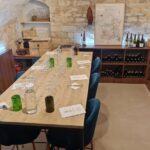
A short walk from the Eiffel Tower, this two-and-a-half-hour wine and cheese class takes you below a delicatessen into a natural stone cellar. You taste five French wines, both white and red, alongside cheeses selected to show how regions, textures, and flavors work together.
I like the six-person maximum, which keeps the session personal rather than turning it into a crowded wine lecture. I also like the generous tasting format: you get enough wine and cheese to try them separately, then compare the pairings.
The main consideration is that this is a tasting class, not a general Paris sightseeing tour. It is also restricted to adults, unavailable to pregnant women, and priced at $106.04 per person, so you should want a focused food experience before booking.
In This Review
- Key details before you book
- The cellar near Avenue de Breteuil
- Five wines, five ways to read French wine
- Cheese is part of the lesson, not a garnish
- A small group changes the pace
- What the guide adds
- The shopping stop after the tasting
- Is $106.04 a fair price?
- Timing, rules, and cancellation
- Who will enjoy this class most?
- Should you book the French Wine and Cheese Master Class?
- FAQ
- Where does the wine and cheese class meet?
- How long does the experience last?
- How many wines are included?
- How many people can join the class?
- Is the experience offered in English?
- How far is the meeting point from the Eiffel Tower?
- Can minors attend?
- Can I cancel for a full refund?
Key details before you book
- Five French wines: Taste a selection of red and white wines chosen to explain different French wine regions and styles.
- A natural stone cellar: The class takes place beneath a delicatessen boutique, giving the tasting a quiet, atmospheric setting.
- Groups capped at six: The small format allows more questions and personal attention from the guide.
- Cheese served with each wine: You can taste each item alone, then see how the combination changes the flavor.
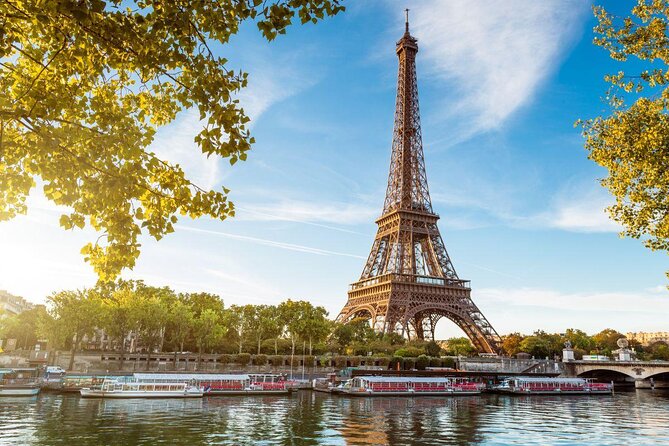
- Near two major sights: The meeting point is about 15 minutes on foot from the Eiffel Tower and five minutes from Invalides.
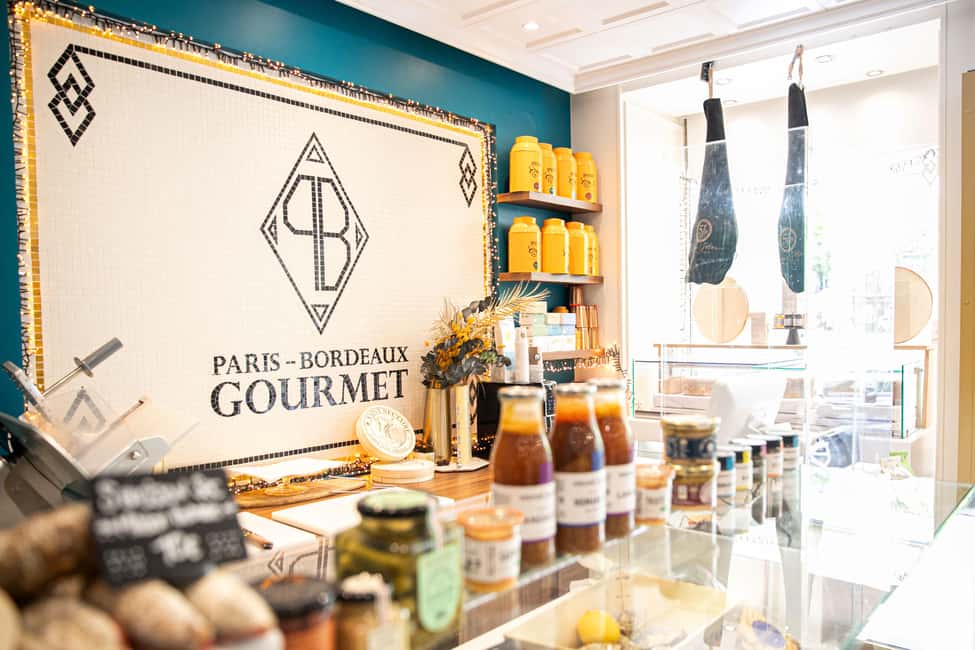
- A useful shopping stop: After class, you can buy French wine, cheese, fine charcuterie, and other specialties, with cheese vacuum-packed for travel when requested.
The cellar near Avenue de Breteuil
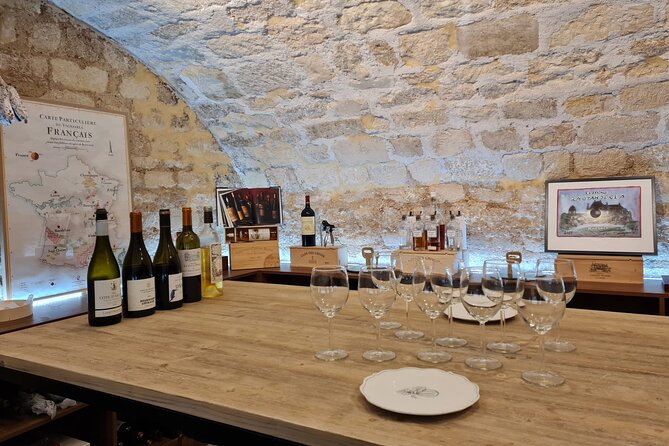
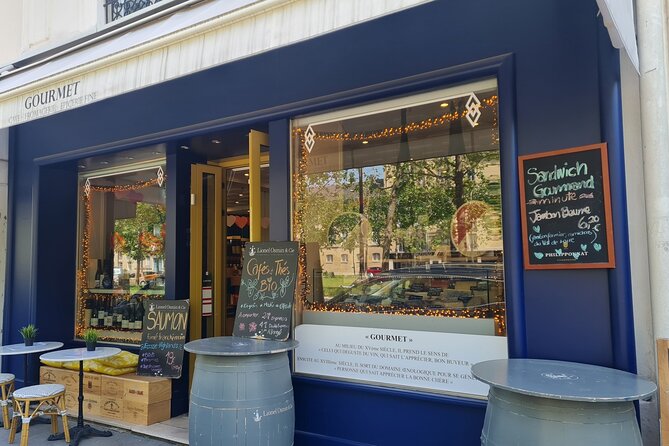
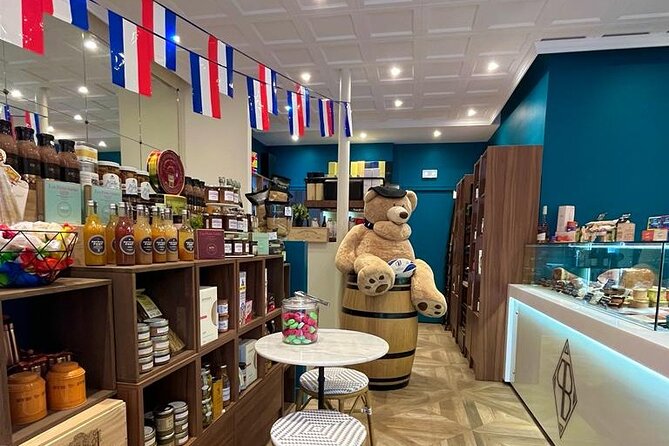
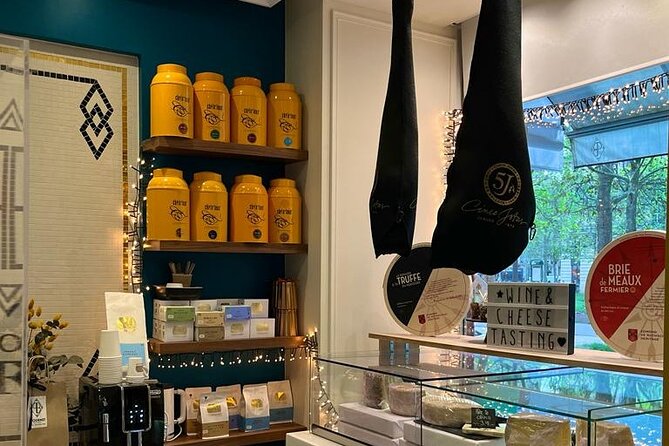
The meeting point is 59 Avenue de Breteuil in Paris’s 7th arrondissement. From there, you enter a delicatessen boutique and head into its natural stone cellar, a setting that gives the class more character than a standard shop counter or restaurant table.
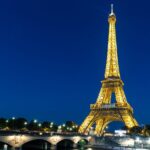
That location is especially handy if you are planning a day around the Eiffel Tower or Invalides. The Eiffel Tower is roughly a 15-minute walk away, while Invalides is about five minutes from the meeting point. You can fit the tasting before or after nearby sightseeing, though you should allow enough time to arrive promptly.
The cellar is not presented as a grand historic monument, and you should not expect a tour of underground Paris. Its value is simpler: stone walls, a tucked-away room, and a clear break from the busy streets above. The setting helps the class feel like a dedicated food occasion rather than a quick retail tasting.
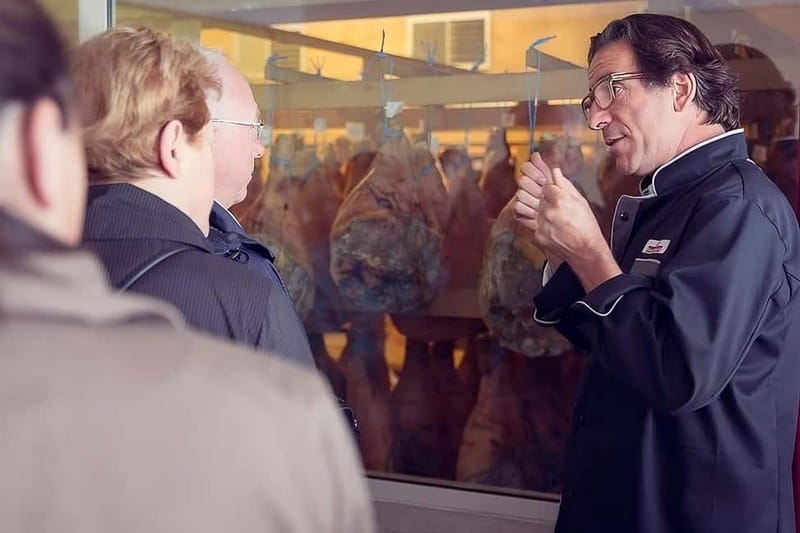
The activity is offered in English. The guide has 20 years of experience in the wine world and a tasting diploma from the University of Oenology of Bordeaux, known as the DUAD. The host names associated with the experience are Alexandria and Melanie, so you may wish to confirm who is leading your session if having a particular guide matters to you.
You can also read our reviews of more wine tours in Paris

Five wines, five ways to read French wine
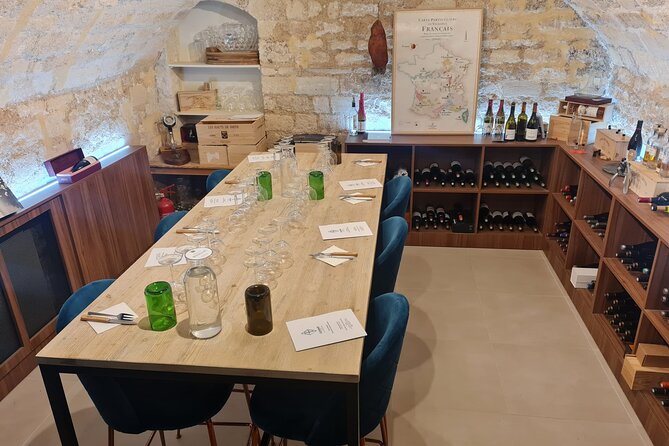
The central lesson is built around five wines, with both reds and whites included. The exact bottles are not specified in advance, which is normal for a class based on seasonal or available selections. What is clear is that the wines are chosen to show the differences between French terroirs.
Terroir is one of the key ideas you will encounter in French wine culture. It refers broadly to the combination of soil, climate, place, grape variety, and local tradition that shapes a wine. You will not simply be handed five glasses and told which one tastes best. The point is to notice how the wines differ and why.
A useful way to approach the tasting is to pay attention to three things:
- Aroma: What you smell before taking a sip.
- Structure: How the wine feels in your mouth, including acidity, body, tannin, and sweetness.
- Finish: The flavors that remain after swallowing.
You do not need a trained palate to take part. In fact, the format seems well suited to beginners because the guide explains the wines in an approachable way. If you already drink wine regularly, you will still get value from comparing several French regions in one sitting and testing the wines with different cheeses.
The portions are described as good-sized pours rather than token sips. That is useful for learning, but it also means you should plan the rest of your day sensibly. This is not a class where you merely wet your lips with five samples.
Cheese is part of the lesson, not a garnish
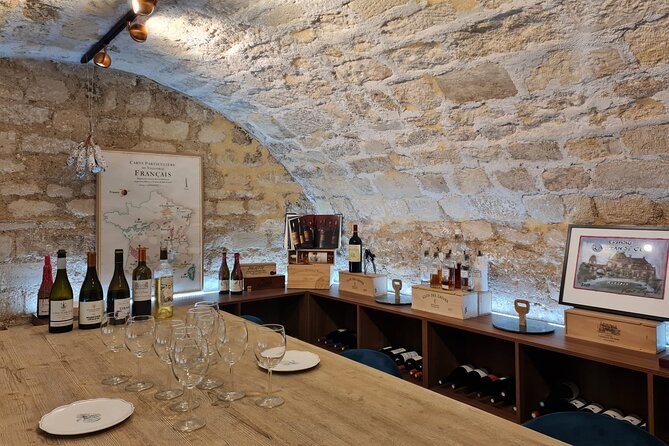
The cheese pairings are a major reason to choose this class. Each cheese is selected to match a wine, and you have enough to taste it on its own before combining it with the pour.
That order matters. A cheese can seem salty, earthy, creamy, sharp, or mild by itself. Wine may soften one quality and bring another forward. A pairing that seems ordinary at first can make more sense after a sip of wine, while another combination may highlight a contrast rather than create harmony.
The experience introduces French cheese culture without requiring you to memorize a long list of appellations. You get a practical sense of how texture and intensity affect a pairing. A firm cheese and a light white wine will behave differently from a stronger cheese and a full red, for example, but the guide is there to explain the specific choices in front of you.
This is also a good option if your interests extend beyond wine. The cheese is not an afterthought, and the combination turns the tasting into a small meal. Still, it is best viewed as a substantial tasting rather than a replacement for lunch or dinner, since the supplied information does not promise a full meal.
A small group changes the pace
The maximum group size is six people. That limit is one of the experience’s strongest practical features because wine education works better when you can ask questions without waiting behind a large crowd.
A small group also lets the guide watch how the session is going. If you are new to wine, you can ask basic questions without feeling lost. If you already know the basics, you can spend more time on regions, pairing choices, or tasting technique.
The class is described as energetic and personal. That matters because a two-and-a-half-hour talk about wine could easily become dry. Here, the guide’s enthusiasm is part of the format, with the wines and cheeses giving you something to examine while the explanation unfolds.
The small size has one trade-off: dates may fill faster than those of a large group tour. The experience is booked, on average, 34 days ahead, so last-minute planners should check availability early. That advance-booking pattern also suggests you should not assume you can walk in during a free afternoon in Paris.
What the guide adds
The host’s professional background gives the lesson structure. Twenty years in the wine world and a Bordeaux oenology tasting diploma are useful credentials, but what matters most to you is how that knowledge is put across.
The guide is described as energetic, passionate, and easy to follow. That combination is important. Wine language can become technical fast, with terms that are useful to professionals but confusing to everyone else. A good class translates those terms into things you can smell, taste, and compare.
The experience is also built around enthusiasm for French regions. Instead of treating wine as a luxury product that you either understand or do not, the guide presents it as a way to travel through France by taste. You can learn how regional identity appears in the glass, then test that idea with cheese.
Alexandria and Melanie are the names connected with the hosting of this experience. The supplied accounts describe the guide as warm, friendly, and genuinely pleased to share the subject. That personal tone will appeal to you if you prefer a conversational class over a formal lecture.
A few more Paris tours and experiences worth a look
The shopping stop after the tasting
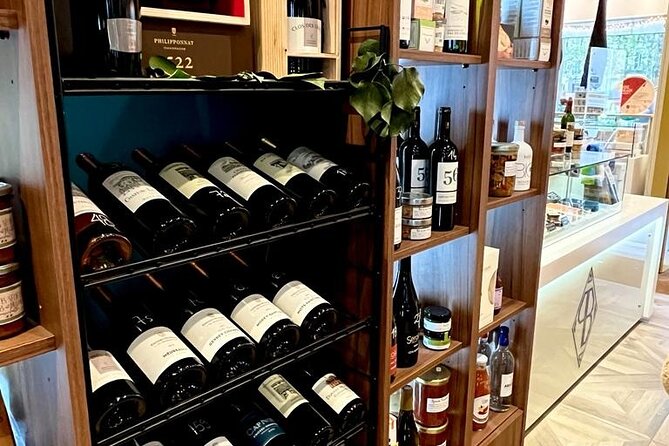
After the class, you can browse the delicatessen for French specialties, cheeses, fine charcuterie, and a broad selection of wines. This is more useful than it may sound. Once you have tasted several wines and pairings, you have a better chance of buying something you actually enjoyed.
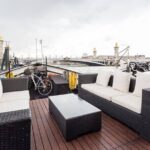
You can also have a glass of wine on the terrace. The terrace adds a relaxed ending, though the available details do not specify whether the glass is included in the booking price. I would treat it as an optional extra unless the provider confirms otherwise.
The shop can prepare cheese for transport by vacuum-packing it. That is a thoughtful service if you are staying in Paris for several days or traveling onward. You should still check your destination’s food import rules before carrying dairy or charcuterie across a border. The packing service helps preserve the food, but it does not change customs regulations.
Buying afterward is optional. You are not required to purchase anything, and the main value of the class should come from the tasting and instruction. Still, the shop gives you a convenient chance to take home a bottle or cheese you have already tried rather than making a blind purchase elsewhere.
Is $106.04 a fair price?
At $106.04 per person, this is not a bargain snack stop. The price makes more sense if you value the full package: five wines, several cheese pairings, a 2.5-hour session, a trained guide, and a group limited to six.
A cheaper tasting might give you fewer wines, smaller pours, less explanation, or a larger group. On the other hand, a person who only wants one glass of French wine and a cheese plate will find this class expensive. You are paying for instruction, comparison, and time, not only for the food and drink.
I see the strongest value for three types of visitors. First, beginners get a clear introduction without needing prior knowledge. Second, wine lovers can compare French styles and learn more about pairing. Third, couples or friends looking for a quieter food-centered activity near the Eiffel Tower get a more personal alternative to a busy sightseeing stop.
The price is less appealing if you dislike structured tastings or prefer to discover wine casually at a neighborhood bar. It is also a poor fit for anyone who cannot drink alcohol, since the experience centers on five wines.
Timing, rules, and cancellation
The activity lasts about two hours and 30 minutes and ends back at the meeting point. That makes planning easy: you do not need to arrange transport from a separate finishing location.
The meeting point is near public transportation, and the nearby Eiffel Tower and Invalides make the class easy to combine with central Paris sightseeing. I would avoid scheduling a major timed attraction immediately afterward, since tasting pace and conversation can vary.
You must be at least 18 to take part. The experience is not available to pregnant women. Confirmation is provided when you book.
Free cancellation is available if you cancel at least 24 hours before the start time. Canceling or changing the booking less than 24 hours before the local start time does not qualify for a refund, so check your Paris schedule before committing.
Who will enjoy this class most?
You should book if you want a direct introduction to French wine and cheese, especially if you are curious but not confident with tasting vocabulary. The guide’s role is central, and the small group gives you room to ask questions.
It also suits wine lovers who want more than a quick sip at a shop. The five-wine format lets you compare styles, while the cheese pairings show how food changes what you taste.
This is less suitable for children, pregnant visitors, non-drinkers, or anyone looking for a broad tour of Paris. It is also not the right choice if your main goal is a full meal. The food is an important part of the class, but the focus remains tasting and learning.
Should you book the French Wine and Cheese Master Class?
I would book this experience if you can set aside 2.5 hours and want an informative food activity close to the Eiffel Tower. The small group and cellar setting give it a personal feel, while the five wines and cheese pairings provide enough variety to make the price reasonable for serious food lovers.
The best reason to choose it is the balance between guidance and pleasure. You learn how to taste French wine, but you also get generous pours, good cheese portions, and time to enjoy the setting. If you want a casual drink, spend less at a wine bar. If you want to understand what is in your glass and find a few French specialties to take home, this class is a strong Paris choice.
FAQ
Where does the wine and cheese class meet?
It meets at 59 Avenue de Breteuil, 75007 Paris, France.
How long does the experience last?
The experience lasts approximately two hours and 30 minutes.
How many wines are included?
The class includes five French wines, with both white and red wines among the selections.
How many people can join the class?
The maximum group size is six participants.
Is the experience offered in English?
Yes. The experience is offered in English.
How far is the meeting point from the Eiffel Tower?
The meeting point is about a 15-minute walk from the Eiffel Tower.
Can minors attend?
No. The experience is prohibited for anyone under 18.
Can I cancel for a full refund?
Yes, if you cancel at least 24 hours before the experience’s start time. Cancellations or changes made less than 24 hours before the start time are not refunded.