REVIEW · BAYONNE
Bayonne: Guided Tour of the Ham Workshop, Tasting
Book on GetYourGuide →Operated by PIERRE IBAIALDE · Bookable on GetYourGuide
Ham has a schedule. In Bayonne, it’s one you can watch. This 45-minute guided stop is built around Bayonne ham production, from meat selection to the salting, drying, and maturing rooms that still run today.
I like two things most: the chance to see the last salting and drying room still in operation in Bayonne, and the tasting of house products at the end, served in a friendly, convivial way. It’s food-nerd learning without turning stiff.
One key consideration: the salting and drying rooms are on the 2nd floor and there’s no lift, so you’ll want to be comfortable with stairs. It’s also French-only with a maximum group size of 35.
In This Review
- Key highlights you’ll feel during the tour
- A 45-minute workshop that makes ham make sense
- Entering Bayonne’s last salting and drying room
- From meat selection to salting and drying: the “why” behind each step
- The maturing rooms: where aroma does the talking
- Tasting house specialities: connect process to flavor
- Price and logistics: why $5 feels like a win
- Who should book this ham workshop tour
- Good to know before you go (so nothing surprises you)
- Should you book the Bayonne ham workshop and tasting?
- FAQ
- How long is the Bayonne ham workshop and tasting?
- What’s included in the price?
- Is hotel pickup or return included?
- What language is the guided tour in?
- Is it suitable for wheelchair users?
- Is there free cancellation?
Key highlights you’ll feel during the tour
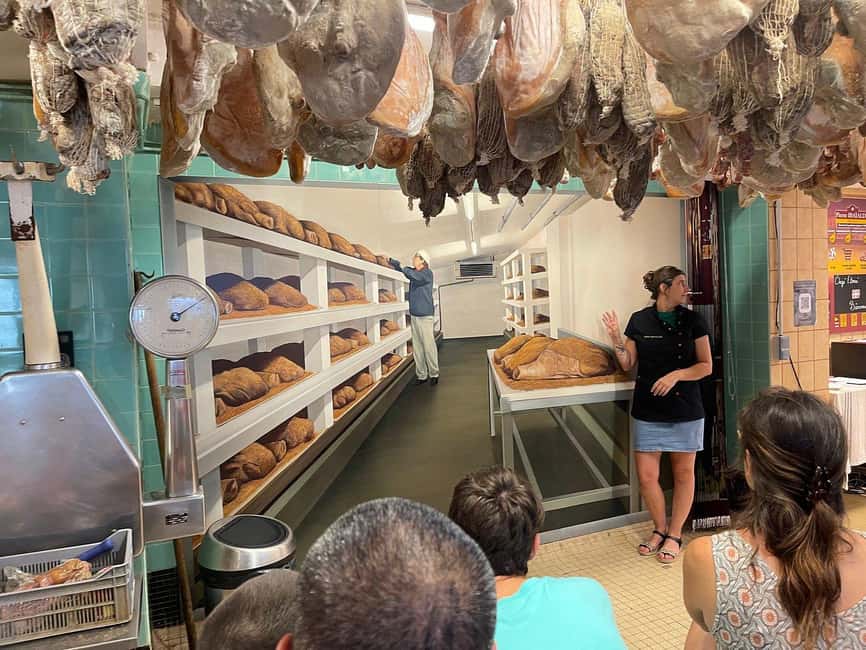
- Bayonne’s last operating salting and drying room: a rare live look at how this craft stays relevant
- Step-by-step production focus: selection of meat, then salting, drying, and maturing stages
- Maturing rooms with real aroma development: you don’t just hear about flavor, you experience it
- House specialities tasting: a practical way to connect the process to what lands on your plate
- French guide, small-to-medium group (max 35): enough structure to learn, not so big it feels rushed
A 45-minute workshop that makes ham make sense
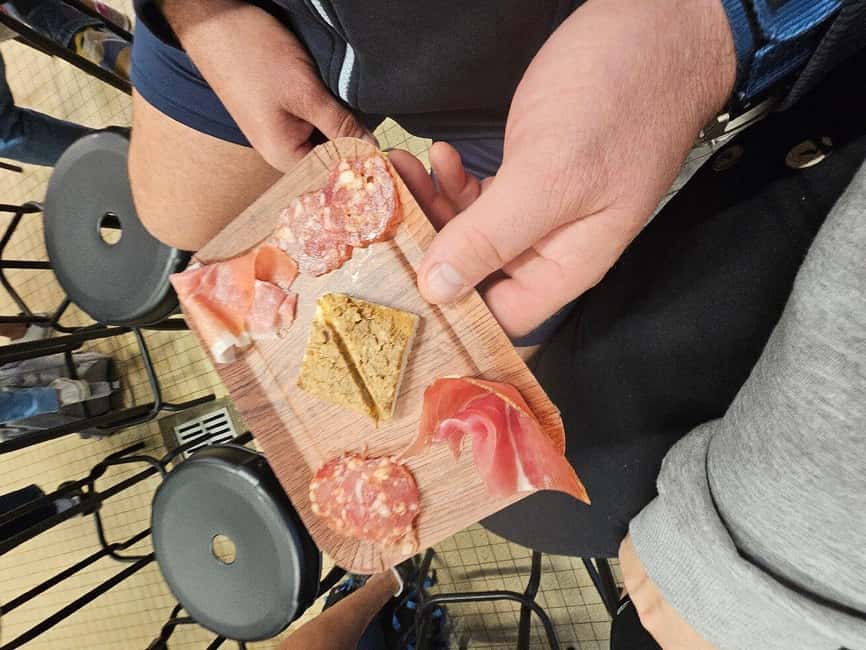
This is the kind of tour that works even if you’re not a ham expert. The goal is simple: help you understand how Bayonne ham gets its character, in plain stages you can remember. With 45 minutes, it’s short enough to fit into a busy day, but long enough to follow the full arc from raw material to finished flavor.
I like that it doesn’t treat the production as a mystery behind glass. Instead, you’re guided through the real sequence: the selection of the meat, then the essential steps—salting, drying, and maturing—that shape taste over time. If you’ve ever wondered why one ham tastes rounder or more intense than another, this is the kind of answer you can actually connect to.
The other smart piece is the pacing. The tour ends with a tasting of original house products, so you can test what you learned. That matters because flavor is easier to understand once you’ve heard how it’s built.
You can also read our reviews of more food & drink experiences in Bayonne


Entering Bayonne’s last salting and drying room
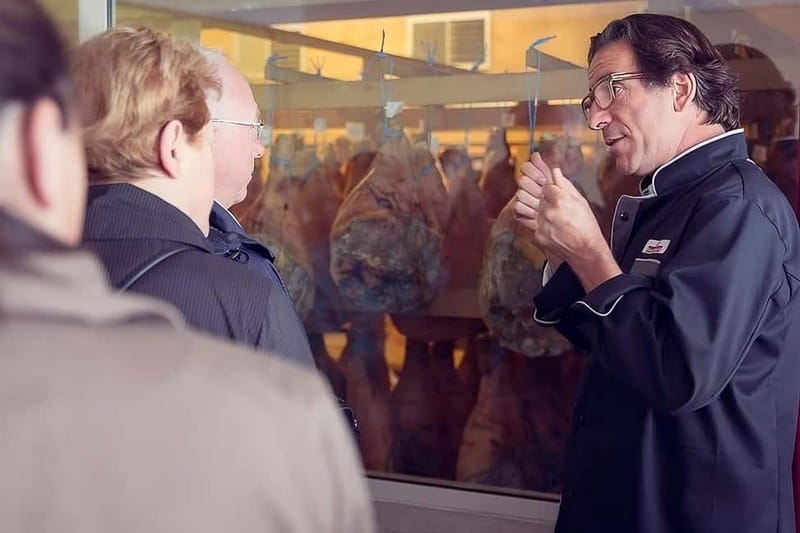
You start with a welcome and a presentation of the site, centered on the last salting and drying room still in operation in Bayonne. That detail isn’t just marketing. It signals that you’re seeing a working space tied to local craft, not a staged demo with no practical continuity.
From there, you get your bearings in the production flow. The guide walks you through what changes at each stage and why those steps matter. This is where the tour earns its place for both foodies and heritage-minded travelers: Bayonne ham isn’t only about taste, it’s about technique passed along and kept alive.
Practical note: the tour is guided by a French-speaking guide only. If you don’t read much French, you’ll still catch the structure, but you’ll get the most out of it if you’re comfortable with basic listening.
From meat selection to salting and drying: the “why” behind each step
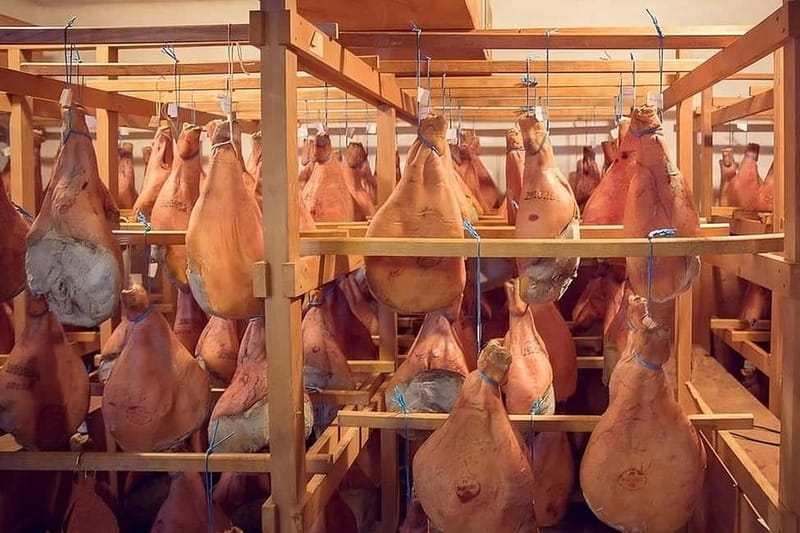
The core of the visit is the production process, presented as a sequence you can follow. You’ll move through the thinking behind the craft, not just the facts.
Here’s what the experience focuses on:
- Meat selection as the starting point
- Salting, the first big transformation step
- Drying, where the conditions help develop the final texture
- Maturing, where aromas and character build as time passes
I like this format because it helps you stop guessing. Many tastings leave you with opinions like too mild or too salty. This tour gives you the logic behind what you’re tasting: the process stages are the recipe for flavor development, just spread out over time.
Also, the workshop vibe helps. There’s a sense that what you’re seeing has been part of Bayonne production for a long time, and the tour keeps pointing to practical reasons—why this step comes next, why it matters for quality, and how the process ties into consistent results.
The maturing rooms: where aroma does the talking
After the production overview, you get time in the maturing rooms, where the hams develop their characteristic aromas. This is one of the most memorable parts because it turns a concept—maturing—into something you can sense.
Even if you’re not the type to analyze scents like a sommelier, you’ll likely notice that maturing doesn’t just “add flavor.” It builds a signature that feels integrated. That’s the key idea: the tour frames maturing as the stage where things come together, not the stage where you simply wait.
You’re also learning how traditional methods help guarantee quality. The tour doesn’t claim this is magic. It treats tradition as a set of decisions and timing, repeated carefully enough to get recognizable results.
If you’re the kind of person who loves food for its sensory side, this stop is worth it. Follow the guide’s cues, take a moment to breathe in, and try to connect what you smell with what you’ll taste later.
Tasting house specialities: connect process to flavor
The final piece is the tasting of homemade products, designed as a convivial moment around the flavors of the terroir. This is where the tour stops being educational and becomes enjoyable.
Why the tasting really matters: it turns the production steps into something you can evaluate with your mouth. After you’ve heard about salting, drying, and maturing, you’ll have a framework for what you’re tasting—salt balance, intensity, aroma, and overall character.
I also like the way this portion feels structured. It’s not presented as a formal seminar where you’re expected to know everything. It’s more like a friendly food stop that rewards attention. That relaxed tone can be especially helpful if you’re visiting with kids; the tour format is short and the tasting piece keeps things engaging.
When you taste, don’t rush. Take one sip-level moment for aroma, then one bite-level moment for texture and taste. Think back to the stages you saw. It makes the experience stick.
You can also read our reviews of more guided tours in Bayonne
Price and logistics: why $5 feels like a win
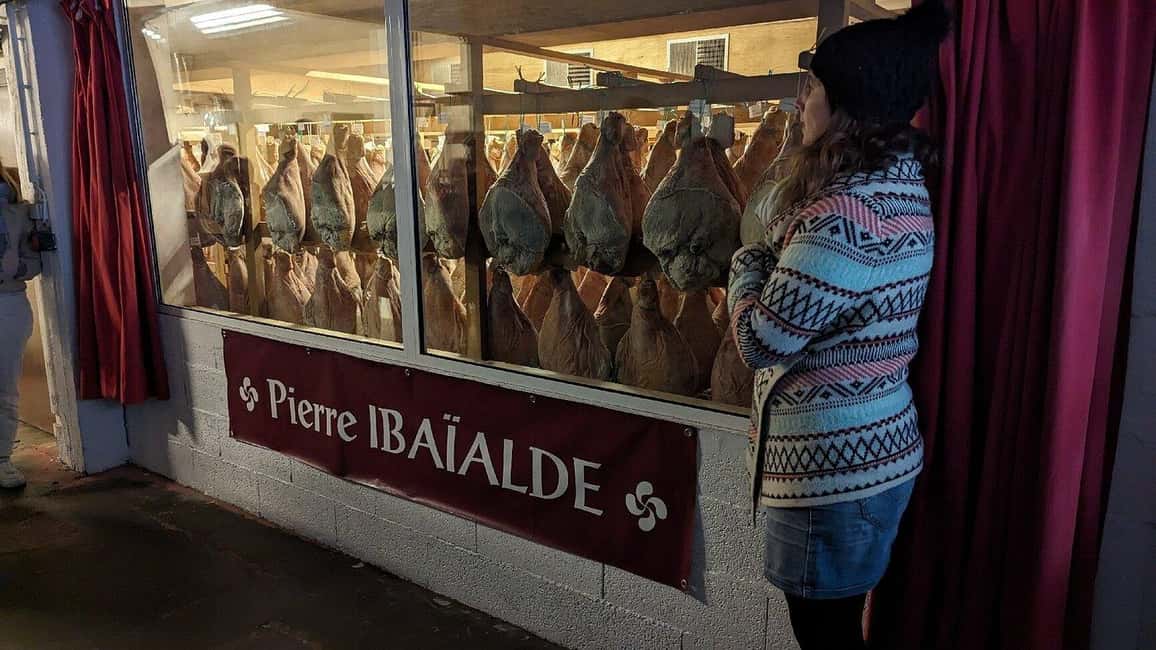
At about $5 per person, this is one of those deals that makes you double-check the time length. You get an entry ticket, a guided experience in French, and a tasting of original house products—all in 45 minutes.
Is it “cheap” because it’s skimpy? Not really. The visit is built around a specific production setting: the last operating salting and drying room in Bayonne. That kind of access is the value. You’re paying for time with the craft and for the chance to taste the results, not for a long museum-style walk.
Group size is capped at 35 travelers, which also helps. It usually means you can hear the guide and keep the flow without feeling like you’re in a cattle line.
Two logistics points to plan for:
- The rooms are on the 2nd floor with stairs and no lift
- The tour is French only, so choose it if you enjoy listening and learning
If you’re short on time but want an experience tied to local craft (not just generic sightseeing), the price-to-learning ratio is hard to beat.
Who should book this ham workshop tour
This is ideal if you want food with a backstory you can actually understand. It works especially well for:
- Foodies who like to connect what they taste to how it’s made
- Heritage enthusiasts who enjoy traditional trades still being practiced
- People who want a short, structured activity that doesn’t swallow the whole day
It also seems like a format that fits families. One review highlights that it’s perfect with a child, and the tasting portion is described as friendly and excellent. Even if your child is impatient, a 45-minute visit gives you a clean start-and-finish arc.
If you’re the type who hates anything involving stairs, you may want to skip. The tour specifically isn’t suitable for wheelchair users due to the second-floor access.
Good to know before you go (so nothing surprises you)
A few practical details can help you show up calm and ready:
- The guided tour is in French only, with some content shown in its original language. If you don’t speak French, you might still follow the process stages through visuals and repetition, but plan for less depth.
- The salting and drying rooms are upstairs. No lift means you’ll be using stairs.
- The experience is limited to a maximum group of 35 travelers, which helps with the overall feel.
- Duration is 45 minutes, with starting times depending on availability.
On the value side, the tour includes the entry ticket and the tasting. You’ll need to cover personal expenses, and hotel pick-up/return is not included.
If you prefer to travel light, this is an easy one to plug into your day.
Should you book the Bayonne ham workshop and tasting?
Yes, if you want a short, hands-on food experience tied to a living craft. This tour makes sense when you like learning by watching the process and then testing it right away with a tasting.
Don’t book if stairs are a problem for you, or if you need an English-speaking guide. The language is French-only, and the rooms are on the 2nd floor without a lift.
For the rest of us—especially if you’re in Bayonne for just a couple of days—this is a smart move. For a modest price, you get access to the last operating salting and drying room, a clear explanation of production stages, and a tasting that connects the whole story in one sitting.
FAQ
How long is the Bayonne ham workshop and tasting?
The tour lasts 45 minutes.
What’s included in the price?
The price includes an entry ticket and a tasting of original house products.
Is hotel pickup or return included?
No. Pick-up and return to your hotel are not included.
What language is the guided tour in?
The tour is guided in French only.
Is it suitable for wheelchair users?
No. It is not suitable for wheelchair users because the salting and drying rooms are on the 2nd floor and there is no lift.
Is there free cancellation?
Yes. You can cancel up to 24 hours in advance for a full refund.