REVIEW · PARIS
The Haunted Paris Experience
Book on GetYourGuide →Operated by Tada! Paris Tours · Bookable on GetYourGuide
Paris becomes a different city after sunset. On this 105-minute ghost walk, you follow a dark spirit through old streets, bridges, squares, and landmark sites tied to royal intrigue, executions, murders, and unsolved mysteries. The route begins at Henri IV’s statue and ends near Hôtel de Ville.
I like the mix of famous sights and grim stories, especially the way Pont Neuf, the Louvre area, the Conciergerie, and Notre Dame become part of one shadowy tale. I also like that the guide stays in character while still giving you real historical background. The main drawback is simple: this is an outdoor walking tour, so poor weather, uneven streets, and a late evening atmosphere may not suit everyone.
In This Review
- Key points
- A ghost walk through Parisian power and violence
- Meeting Henry IV at the starting point
- Square du Vert-Galant and the river at night
- Pont Neuf and the legends of central Paris
- Saint-Germain-l’Auxerrois and the Louvre connection
- Les Halles and the old city center
- Saint-Jacques Tower and the city’s darker edge
- The Conciergerie and Marie Antoinette’s final chapter
- Notre Dame after sunset
- Hôtel de Ville and the final stories
- What the $28 price really gets you
- Who should book this evening walk
- Should you book The Haunted Paris Experience?
- FAQ
- Where does The Haunted Paris Experience start?
- Where does the tour finish?
- How long does the ghost walk last?
- What language is the tour conducted in?
- What landmarks are included on the route?
- Is the tour suitable for children?
- What should you bring?
Key points
- Henri IV begins the story: Meet at the Equestrian Statue of Henri IV, a fitting starting point for tales of royal power and violence.
- Paris after dark: The route uses night-time views of Pont Neuf, Notre Dame, Saint-Jacques Tower, and Hôtel de Ville as part of the mood.
- Royal ghosts and grim politics: Hear about Henry IV, Catherine de Medici, and Marie Antoinette.
- A compact central route: Nine sightseeing stops fit into 105 minutes, making this easy to add to an evening in central Paris.
- English guide in character: The guide combines dramatic delivery with historical explanation.
- Best for older children and adults: The tour is not suitable for children under 12.
A ghost walk through Parisian power and violence
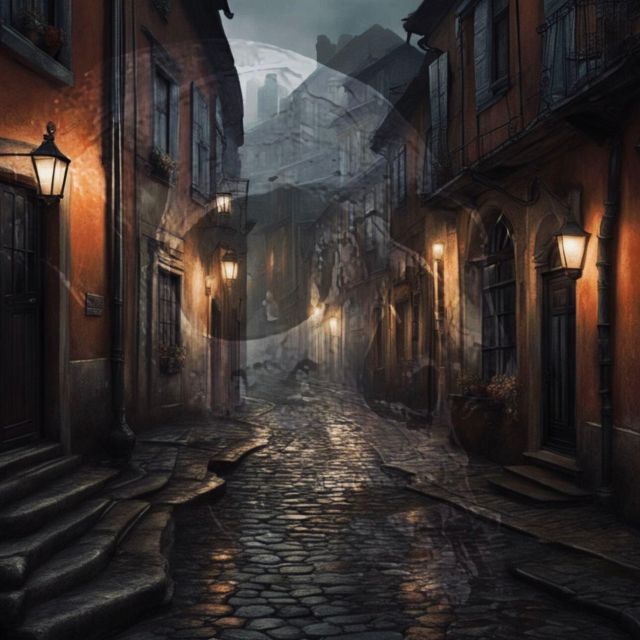
This is not a haunted-house attraction with actors jumping from dark corners. It is a guided walk through central Paris, using real places and old stories to create the mood.
The darker side of Paris is often close to the postcard version of the city. A grand bridge may be linked to royal plots. A beautiful square may carry memories of death. A church beside the Louvre may feel very different when you hear about the people and events connected to it.
The guide leads you through these places as a dark spirit, keeping the tone theatrical. That matters because a ghost walk can become a dry history lecture if the storytelling is flat. Here, the guide’s character adds suspense, while the content gives the walk more substance than a simple scare tour.
You should expect stories of royal power, torture, violent deaths, lingering spirits, and mysteries that have never been fully explained. The tour’s central figures include Henry the Fourth of France, Catherine de Medici, and Marie Antoinette. Their stories give the walk a clear thread: Paris as a city shaped by rulers, prisoners, religious conflict, and public spectacle.
You can also read our reviews of more tours and experiences in Paris.



Meeting Henry IV at the starting point

The meeting point is in front of the Equestrian Statue of Henri IV. This is a useful place to begin because the statue is easy to identify, and the subject of Henry IV connects naturally to the first part of the tour.
Henry IV had a turbulent reign, and the tour presents his story as one with a lasting mark on Paris. You do not simply hear about a ghost in isolation. You start with a king whose political life, personal choices, and violent end help set the tone for the evening.
The statue also places you near the western end of Île de la Cité. From here, the route moves through some of the oldest and most famous parts of central Paris. Wear shoes that can handle a long walk over city pavement. The 105-minute duration is not extreme, but you will be on your feet for nearly two hours.
Square du Vert-Galant and the river at night
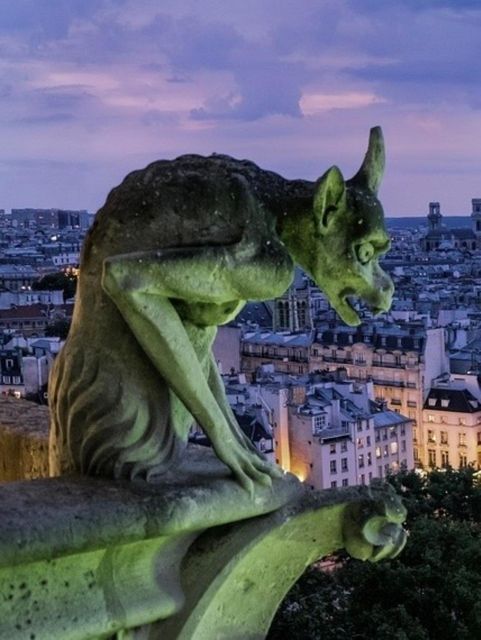
Square du Vert-Galant gives the walk an early change of pace. This small riverside area sits at the pointed western end of Île de la Cité, below the level of the surrounding streets.
In daylight, it is a pleasant place with views over the Seine. At night, the river, trees, stone walls, and narrow shape of the island help the guide build a more uneasy mood. This is one of the stops where the setting does much of the work.
You should not expect a long stop with time for independent sightseeing. The tour is designed to keep moving, with the guide using each location as a stage for a story. Stay close enough to hear, especially near open riverside spaces where street sounds may compete with the narration.
Pont Neuf and the legends of central Paris

Pont Neuf is one of the most recognizable locations on the route. Despite its name, it is Paris’s oldest surviving bridge, and its arches and stone details make it a natural place for stories about the past.
The bridge connects the western end of Île de la Cité with both banks of the Seine. From it, you can see the river and several classic Paris views. The dark version of the city is never far from the postcard view here.
This stop works well for people who want a balance between sightseeing and storytelling. You still see an iconic Paris landmark, but you also hear how old bridges, royal ceremonies, public punishments, and city legends can overlap. The tradeoff is that bridge traffic and city noise may make it harder to catch every word, so standing near the guide is important.
Saint-Germain-l’Auxerrois and the Louvre connection
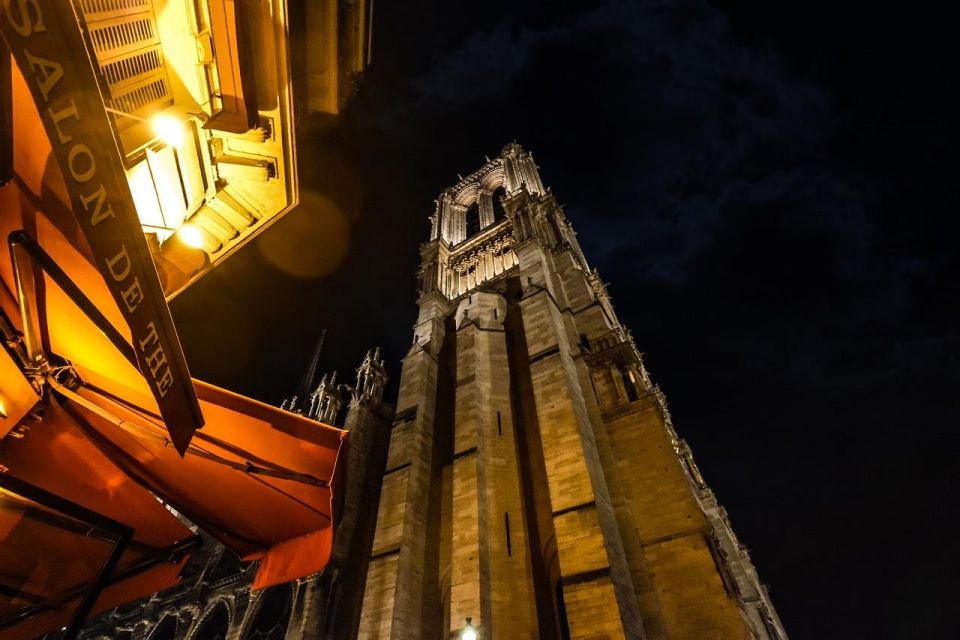
Saint-Germain-l’Auxerrois sits beside the Louvre and is one of the most atmospheric stops on the walk. Its connection to the Louvre gives the guide a strong setting for stories about Catherine de Medici and the royal world around her.
Catherine de Medici is presented as a powerful queen whose presence still lingers within the Louvre’s walls. The story brings political power into the ghost walk. This is not just a tale about a wandering spirit. It is about how royal decisions, court intrigue, and fear can become part of a city’s memory.
The church itself adds a serious tone. You are looking at a real religious building in a part of Paris shaped by monarchs and conflict. The stop is particularly useful if you like history but do not want a standard museum tour. The guide gives you a reason to look again at a familiar area.



Les Halles and the old city center
The walk continues to Les Halles de Paris, a district that has long served as a major center of city life. The modern area is very different from the Paris of kings, markets, and public punishments, but the location still carries the feeling of a crowded urban crossroads.
Here, the contrast between present-day Paris and the darker past becomes part of the experience. You may be surrounded by ordinary evening activity while hearing about grim events and old fears. That contrast can make the stories feel more immediate than a tale told in a remote setting.
The route does not promise a long exploration of Les Halles or a food stop. This is a sightseeing point within the ghost walk. Think of it as another chapter in the larger story rather than a separate attraction.
Saint-Jacques Tower and the city’s darker edge
Saint-Jacques Tower is one of the route’s most striking landmarks. The Gothic tower rises above the surrounding streets and has a strong medieval appearance, even when viewed from a busy modern area.
Its presence gives the guide another memorable backdrop for stories of mystery and the supernatural. The tower helps you picture an older Paris, when church bells, narrow streets, and religious buildings shaped the city’s daily rhythm.
This stop is also a good reminder that the walk is not limited to royal palaces. The experience moves through religious, civic, and public spaces. That range keeps the tour from feeling like a single story repeated at several locations.
If you want detailed architectural information about the tower, this is not the right tour for that purpose. The focus remains ghostly tales and dark events. Still, the setting adds visual interest and gives you another landmark to recognize on later walks through Paris.
The Conciergerie and Marie Antoinette’s final chapter
The Conciergerie is likely to be one of the strongest stops for visitors interested in the French monarchy and the Revolution. The former medieval royal palace later became a prison, and its connection to Marie Antoinette gives the evening a particularly grim turn.
The tour examines the gruesome death of Marie Antoinette. The story carries more weight because it is linked to an actual building associated with imprisonment and the final days of condemned people.
You should keep expectations in check. This walking tour does not include entry into the Conciergerie, so you see it from outside as part of the route. If you want cells, interiors, and a detailed account of the Revolution, plan a separate daytime visit. The ghost walk gives you atmosphere and a compact story, not a full museum visit.
That limitation is also part of the value. You can pass the Conciergerie after dark, hear its darker associations, and decide later if you want to return during opening hours for a longer look.
Notre Dame after sunset

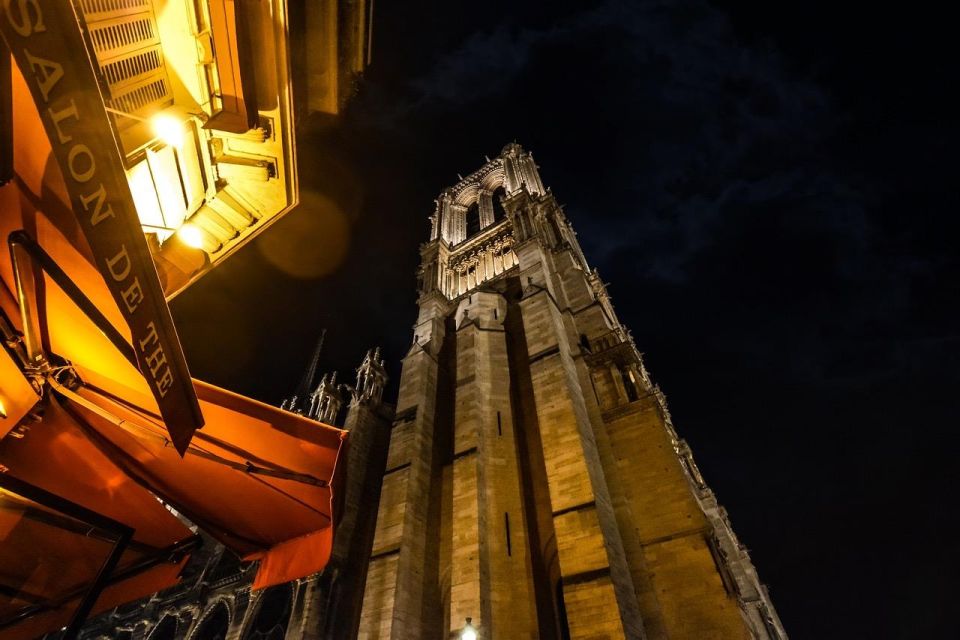
Notre Dame Cathedral adds one of the most familiar sights in Paris to the route. Its towers and stonework have long inspired stories of faith, fear, disaster, and the supernatural.
The cathedral works as a backdrop because you already know its outline. The guide can shift your attention from the usual sightseeing view toward the legends and dark memories linked to the area. This gives a famous monument a different mood without pretending that every ghost story is documented fact.
This part of the walk is best approached as storytelling set against real history. You may hear tales that belong to local legend rather than proven events. A good guide makes that distinction clear, and the published experience description points to a blend of ghostly encounters, historical figures, and unsolved mysteries.
Notre Dame is also a practical landmark. If you are meeting friends after the tour or continuing your evening nearby, this section of central Paris is easy to recognize. The route continues afterward to Hôtel de Ville.
Hôtel de Ville and the final stories
The tour finishes at Hôtel de Ville, Paris’s city hall. This is a fitting end because the building represents civic power, public life, and the city itself.
The route ends back at the meeting point, according to the activity details. In practical terms, you finish in a central location rather than in an isolated suburb. The final setting lets the guide close the evening with one last story before you return to ordinary Paris.
Hôtel de Ville is a useful place to continue your night, but the tour does not include a meal, drink, or further activity. You will need to make your own plans after the final stop.
What the $28 price really gets you
At $28 per person, the main purchase is the guide’s storytelling and the chance to see central Paris at night. A guide-led walk through nine significant locations can be good value if you enjoy history, atmosphere, and a little theatrical suspense.
The price does not include admission to the Louvre, Conciergerie, Notre Dame, or any other attraction. That keeps the cost lower, but it also means you should not compare this directly with a ticketed museum tour.
I see the best value in the route itself. You move between famous sites without paying for several separate attractions, and the guide gives you a reason to notice details you might otherwise pass. If you already know Paris well, the ghost stories can refresh familiar streets. If this is your first visit, the walk gives you a memorable introduction to central Paris after dark.
The rating supplied for this experience is 4.8 from six reviews, a small sample but a strong result. The most praised feature is the guide’s delivery: the guide stays in character and provides substantial historical information. That combination is important. The tour is more appealing if you want both atmosphere and facts, not just theatrical voices and spooky claims.
Who should book this evening walk
I would choose this tour for adults and older teenagers who enjoy macabre stories, royal history, and walking through famous parts of Paris at night. It suits you particularly well if you have already seen the main monuments by day and want a different way to understand them.
The tour is not suitable for children under 12. Even older children may find stories about torture, violent death, and Marie Antoinette’s execution too intense, so use your judgment.
You should also book with realistic expectations. This is an English-language experience with one live guide. It is not a private tour, a museum entry, a theatrical show with elaborate sets, or a paranormal investigation. The atmosphere comes from the locations, the guide’s character, and the stories.
Comfortable shoes are essential. Wear clothing suited to the weather, since the experience takes place outdoors. Alcohol and drugs are not allowed, which is hardly a shock on a guided city walk, but it is worth knowing before you arrive.
Free cancellation is available up to 24 hours before the activity for a full refund. You can also reserve now and pay later, useful if your Paris schedule is still shifting. Starting times vary, so check availability before booking.
Should you book The Haunted Paris Experience?
Book it if you want a short, central Paris walk with a dark tone, recognizable landmarks, and a guide who treats the storytelling seriously. The route packs a lot into 105 minutes, and the mix of Henry IV, Catherine de Medici, Marie Antoinette, the Conciergerie, and Notre Dame gives the evening a clear historical spine.
Skip it if you want detailed interior visits, a factual museum lecture, or a quiet stroll with little drama. You should also think twice if bad weather would spoil your evening or if stories of torture and execution are not your idea of fun.
For the right audience, $28 is a fair price for a lively introduction to Paris’s darker side. You will leave with familiar landmarks in mind, but with a stranger, more unsettling story attached to each one.
FAQ
Where does The Haunted Paris Experience start?
The tour starts in front of the Equestrian Statue of Henri IV.
Where does the tour finish?
The activity ends back at the meeting point, at Hôtel de Ville.
How long does the ghost walk last?
The listed duration is 105 minutes. The experience description also presents it as roughly a two-hour Paris ghost walk.
What language is the tour conducted in?
The live tour guide conducts the experience in English.
What landmarks are included on the route?
Stops include the Equestrian Statue of Henri IV, Square du Vert-Galant, Pont Neuf, Saint-Germain-l’Auxerrois, Les Halles de Paris, Saint-Jacques Tower, the Conciergerie, Notre Dame Cathedral, and Hôtel de Ville.
Is the tour suitable for children?
The experience is not suitable for children under 12.
What should you bring?
Bring comfortable shoes and clothing suitable for the weather. Alcohol and drugs are not allowed.