REVIEW · PARIS
French Dessert Class with a Parisian Chef
Book on GetYourGuide →Operated by Meeting the French · Bookable on GetYourGuide
French dessert secrets fit in a Paris apartment. This is a hands-on way to learn classics like Lemon madeleines and chocolate fondant, guided by a Paris chef in a small-group setup. You’ll also leave with a recipe copy sent by email, so the fun keeps going after your trip.
What I like most is how practical it feels. You’re in the chef’s private apartment kitchen in central Paris with a small group (limited to 8), ingredients and utensils provided, and hot drinks during the class. One consideration: the kitchen setup can feel tight when everyone is working close together, so if you have a larger group or a young child in the mix, it’s worth considering how comfortable that space will feel.
In This Review
- Key Points I’d Put at the Top
- Why This French Dessert Class Feels Like Real Paris Cooking
- Where You Meet and How the Timing Actually Works
- Step Inside the Chef’s Apartment Kitchen
- Your Dessert Menu: What You Might Make (and Why It Matters)
- How the Class Flows: From Ingredients to Tasting
- The Take-Home Part: Recipes You Can Actually Use
- Price and Value: Is $192 Worth It?
- Language, Group Size, and Comfort in a Small Apartment
- Who This Dessert Class Is Best For
- Should You Book This French Dessert Class?
- FAQ
- How long is the French dessert class?
- Where does the class meet?
- What desserts will we make?
- What’s included in the price?
- Is there a limit on group size?
- What languages does the instructor speak?
- Can I cancel for a full refund?
Key Points I’d Put at the Top

- Central Paris, private apartment setting: You cook in a real home-kitchen vibe, not a studio.
- Chef-led, small group format (max 8): More hands-on time with guidance.
- Classic dessert lineup: Expect items like lemon madeleines, grape pickers cake, chocolate fondant, ice orange cake, apple pie, and chocolate mousse.
- Everything for the cooking: Ingredients, utensils, and an apron are included.
- Take-home support: A recipe copy is sent by email after the class.
- Hot drinks during class: Small comfort that makes the pacing feel less rushed.
Why This French Dessert Class Feels Like Real Paris Cooking

Paris has plenty of foodie tours. This one is different. You’re not just watching food happen. You’re making dessert with a chef who actually cooks from the same kinds of motions you’ll use at home.
The apartment format matters. A kitchen in central Paris is usually compact, and that shapes the experience. You’ll stand close to your station, follow the chef’s lead, and learn the rhythm of French pastry-style desserts without turning it into a performance.
Also, you’re dealing with desserts you can picture on a café menu: madeleines, fondant-style chocolate, fruit-forward cakes, and a mousse you can serve without needing a special occasion to justify it. That’s the kind of learning that pays off.
A few more Paris tours and experiences worth a look



Where You Meet and How the Timing Actually Works

You’ll get the exact meeting point address by email a couple of days after reservation. The info is sent within 48 business hours of your booking, so check your inbox and spam folder.
The class is listed as 3 hours total, but the cooking time is about 2 hours 15 minutes. That extra buffer is useful. It gives you time to settle in, get your ingredients and tools, and still have breathing room for tasting and questions.
This is also one reason I like the pacing. Dessert classes go sideways when everyone is rushed. Here, the timeline is long enough for you to actually practice, not just sample.
Step Inside the Chef’s Apartment Kitchen

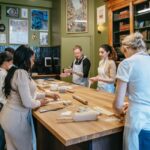
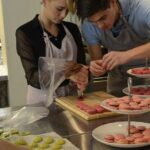
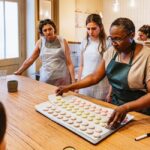
This class takes place in the chef’s private apartment in central Paris. That means the setting is intimate. You’re not moving from room to room. You’ll likely do most of your work in the kitchen area, with a small amount of back-and-forth for ingredients, tools, and instructions.
The group size cap is 8 participants. In practice, that helps the chef keep an eye on what everyone is doing and answer questions quickly. Still, the kitchen space can be snug. One booking noted the kitchen area felt tight for the number of people and the instructor, so come prepared for close-quarters cooking.
The practical side is great: ingredients, utensils, and an apron are provided. You don’t have to show up lugging flour, bowls, or measuring gear. You can focus on learning techniques and tasting your results.
The chef also offers a selection of hot drinks. It’s not a gimmick. It makes the class feel more relaxed, especially when you’re waiting for the next step.
Your Dessert Menu: What You Might Make (and Why It Matters)

You’ll prepare a range of French desserts with the chef guiding you through each one. The exact selection can vary, but you should expect classics such as:
- Lemon madeleines
- Grape pickers cake
- Chocolate fondant
- Ice orange cake
- Apple pie
- Chocolate mousse
Here’s why this lineup is smart for a visitor. You’re not only learning one style. You’re getting a mix of textures and methods:
Madeleines teach portioning and form, plus that classic “light but not flimsy” texture.
Fondant-style chocolate is a great lesson in timing and how chocolate desserts can go from firm to soft with careful heat management.
Grape pickers cake helps you practice a fruit-forward approach that doesn’t rely on frosting for charm.
Ice orange cake gives you a chance to work with a refreshing, citrus flavor profile that feels distinctly French when done right.
Apple pie is your comforting baseline—useful if you want skills you can repeat with whatever fruit you find at home.
Chocolate mousse is the confidence-builder dessert. It’s popular, forgiving when you stay calm, and it’s impressive without requiring advanced equipment.
Even if you’re a beginner, desserts like these tend to be easier to follow than bread work or layered cakes, where the structure depends on perfect technique. The chef’s role here is to keep you from guessing. You follow, practice, and learn what to look for as the dessert comes together.
How the Class Flows: From Ingredients to Tasting

You’ll start with the chef’s instructions in the apartment kitchen. From there, the class runs as a guided hands-on session across a few dessert recipes. The goal is that you finish with real outcomes you can taste, not just bowl-scrape for fun.
You can expect a pattern like this:
- The chef explains the steps for the dessert you’re making next.
- You prep ingredients with what’s provided (utensils and an apron help here).
- You work through the motions together: mixing, assembling, and finishing steps the chef demonstrates.
- You taste along the way when it makes sense, then move forward.
The small group format helps because the chef can adjust in the moment. If something seems off, you’re in time to fix it before it becomes a disaster.
The class also includes tasting and hot drinks. That matters because dessert is about more than following steps. You learn what “right” looks and tastes like, so when you try again at home, you’re matching a sensory memory.
And you’ll be able to experiment. The class highlights skill-building, not strict memorization. If you want to swap fruit in an apple-based dessert or adjust how you handle citrus flavors, this kind of instruction is the foundation for safe, confident tinkering.
A few more Paris tours and experiences worth a look




The Take-Home Part: Recipes You Can Actually Use

The best souvenir is the one you don’t have to carry. You’ll receive a copy of the recipe via email. That’s huge for two reasons.
First, it’s practical. French dessert instructions can be specific. Having the recipe in writing helps you recreate measurements and steps later, especially if you took notes and still worry you missed something.
Second, it keeps the experience alive. If you’ve ever made a dish on vacation and then forgotten the details, this fixes that problem. You can reproduce what you learned, share it with family, and impress people who have no idea they’re eating something you learned in a Paris apartment kitchen.
Price and Value: Is $192 Worth It?

At $192 per person for about 3 hours, this isn’t a budget activity. But it can be good value if you treat it like a skill investment rather than just a meal.
Here’s where the value comes from:
- Hands-on instruction in central Paris: You’re paying for chef time and for teaching a small group.
- Everything included for cooking: Ingredients, utensils, and an apron are provided.
- Take-home recipes: You get a recipe copy by email, which gives you ongoing use after the class.
- You’re learning multiple desserts: The class focuses on a range of French sweets, not one item.
For me, it makes sense if you’re the type who wants to leave Paris with something usable. If you’d rather only snack and move on, there are plenty of cheaper food experiences. But if you want a repeatable skill you can bring home, this can be a satisfying use of your time.
Also, the group size cap is part of the equation. A class limited to 8 tends to feel less like a factory line and more like guided practice.
Language, Group Size, and Comfort in a Small Apartment

The instructor speaks English and French. That helps a lot if you don’t want to rely on a translator app for instructions. It also makes the class easier to ask questions in real time.
The group is small, but the apartment kitchen is still a real kitchen with real space limits. In one reported experience, the kitchen area felt a little too small for the group size plus the instructor. So if you’re sensitive to cramped spaces, plan your expectations accordingly.
If you’re traveling with a child, consider comfort and attention needs. One booking included an 8-year-old and noted the instructor did not seem pleased to have a child in the class. I can’t tell you how every chef will handle kids, but you should weigh whether your child will be able to follow along quietly and whether that fits with the chef’s teaching style.
Who This Dessert Class Is Best For
This experience is a great match if you:
- Love French desserts and want more than a quick tasting
- Want to learn classics like madeleines, fondant-style chocolate, mousse, and apple pie
- Prefer small-group classes with more direct help from the chef
- Like the idea of getting recipes by email so you can repeat at home
- Are curious and willing to experiment as you learn
It can also work well for families with older kids who can handle hands-on cooking respectfully. For younger kids, I’d be more cautious given the real apartment setting and how personal the chef’s attention needs to be.
If you’re looking for a big sightseeing day, this is not that. This is concentrated cooking time in one location. You’re trading views for skills, and that trade is the point.
Should You Book This French Dessert Class?
I’d book it if your ideal Paris moment is learning how to make dessert you’ll actually serve again. The combination of chef guidance, classic recipes, included ingredients and tools, and recipe handoff by email makes it more than a one-off experience.
Skip it (or at least rethink) if you know you’ll hate cramped quarters, dislike hands-on cooking, or want a sightseeing-heavy itinerary. Also think twice if you’re traveling with a very young child, since the teaching style may not be geared for kids in an apartment kitchen.
FAQ
How long is the French dessert class?
The duration is listed as 3 hours total, and the class itself runs about 2 hours 15 minutes.
Where does the class meet?
The exact address is sent to you by email a couple of days after you book.
What desserts will we make?
The class covers a range of French desserts. Examples include lemon madeleines, grape pickers cake, chocolate fondant, ice orange cake, apple pie, and chocolate mousse.
What’s included in the price?
Ingredients, utensils, an apron, hot drinks, and a copy of the recipe sent by email are included.
Is there a limit on group size?
Yes. The class is a small group limited to 8 participants.
What languages does the instructor speak?
The instructor speaks English and French.
Can I cancel for a full refund?
You can cancel up to 24 hours in advance for a full refund.