REVIEW · PARIS
Exclusive Walking Tour of Central Paris With Local Guide
Book on Viator →Operated by PromeneParis · Bookable on Viator
Paris reveals itself best on foot, and this tour follows a smart route through some of the city’s greatest chapters. In about two hours, you’ll walk from the Fontaine Saint-Michel to the Louvre, passing Notre-Dame, Sainte-Chapelle, Pont Neuf, Pont des Arts, and several royal sites along the way.
I like the way the tour links famous sights to specific stories, including a cathedral’s medieval beginnings, a royal chapel and the crown of thorns, the theft that changed the Louvre, and the people behind the Tuileries gardens and Eiffel Tower. I also like the private format, with your own guide and a group of up to 15 people. The main drawback is the price, $240.32 per person, which is a lot for a two-hour walk, especially since you do not enter the Louvre.
In This Review
- Key points at a glance
- A strong first look at Paris, from Saint-Michel to the Louvre
- Fontaine Saint-Michel and the making of modern Paris
- Notre-Dame: Paris begins with the cathedral
- Sainte-Chapelle and the power of royal display
- Palais-Royal, royal time, and Marie Antoinette
- Pont Neuf and the Seine’s darker stories
- Pont des Arts and the changing idea of romance
- The Louvre’s Cour Carrée without entering the museum
- Carrousel du Louvre and the final view
- How much value do you get for $240.32?
- Who will enjoy this Paris walk most?
- Practical details before you book
- Should you book this tour?
- FAQ
- Where does the tour begin?
- Where does the tour end?
- What time does the tour start?
- How long does the tour last?
- Is the tour conducted in English?
- Is the tour private?
- Does the tour include entry to the Louvre Museum?
- Which major sights are included?
- Is the route difficult to walk?
- Can I cancel for a refund?
Key points at a glance
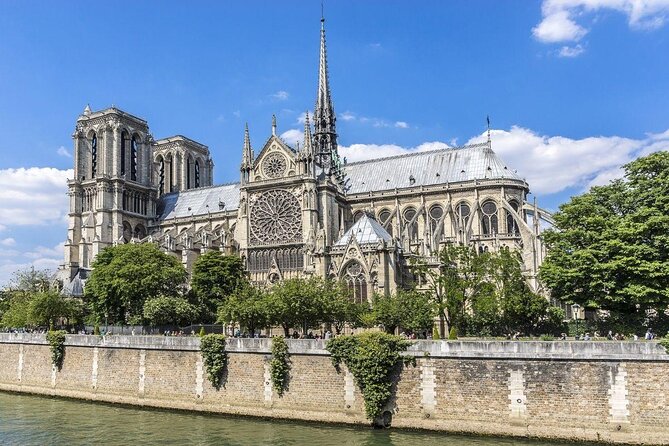
- A clear Paris route: Walk from Saint-Michel in the Latin Quarter to the Louvre and Carrousel du Louvre.
- Story-led sightseeing: Learn about Notre-Dame, Sainte-Chapelle, royal Paris, famous bridges, and the Louvre through memorable events.
- Private group setting: Your guide leads only your party, with groups capped at 15 people.
- English-speaking guide: Ezrah is named as the guide associated with the experience and brings a warm, entertaining approach to Parisian history.
- No museum admission: You see the Louvre from outside, including the Cour Carrée, but entry to the collections is not part of the tour.
- Easy urban walking: The route is fairly flat, but comfortable shoes are still essential.
A strong first look at Paris, from Saint-Michel to the Louvre
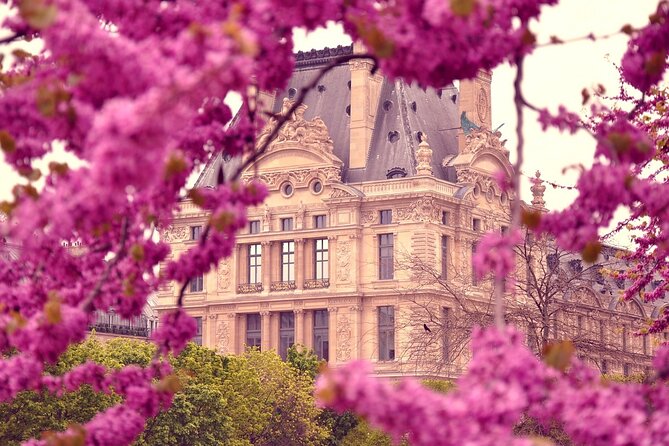
This walk works especially well as an introduction to central Paris. You begin beside the Fontaine Saint-Michel, cross the Île de la Cité, continue toward the Right Bank, and finish near the Louvre with views toward the Eiffel Tower and Tuileries garden.
That direction matters. Instead of treating Paris as a string of unrelated photo stops, the tour shows how the city developed around the Seine, royal power, religion, bridges, palaces, and public gardens. You get a broad outline of Paris without spending hours inside one museum or sitting on a bus.
The start time is noon, which gives you a relaxed morning before meeting at Place Saint-Michel. The tour lasts about two hours, though the listed stop times add up to roughly 95 minutes, leaving room for walking between sites and for the guide to explain the city as you go.
The walk is private, so you are not adapting to a large public group. That can make a real difference when you want to ask questions, slow down for photographs, or keep the pace comfortable for children and older family members.
You can also read our reviews of more walking tours in Paris



Fontaine Saint-Michel and the making of modern Paris
The Fontaine Saint-Michel is more than a meeting point. It gives the tour a useful opening frame, since the guide begins by explaining why Paris looks the way it does today.
That introduction helps you place the rest of the walk. Paris has been reshaped by royal building projects, religious institutions, political upheaval, and changing ideas about public space. Starting with that larger picture means later stops have a purpose rather than feeling like disconnected facts.
You spend about 10 minutes here. It is a short opening, but a good guide can use it to set up the route and point out how the Latin Quarter fits into the older city.
Because the fountain is in a central area near public transportation, it should be fairly easy to reach. Still, give yourself time to find the exact meeting point at Place Saint-Michel. A busy Paris square is not the place to arrive at the last second.
Notre-Dame: Paris begins with the cathedral
The stop at Notre-Dame lasts about 15 minutes and focuses on the origins of Paris and the people involved in creating the cathedral.
You should expect an exterior visit and historical explanation rather than an extended church tour. The focus is on how Notre-Dame fits into the development of the city and on the figures connected with its construction and importance.
For a first visit to Paris, this is valuable context. Notre-Dame is one of those places that can become visually familiar before you understand its role. A guide gives you a way to connect the great stone facade, the Île de la Cité, and the city’s long political and religious story.
The short timing also keeps the walk moving. If you want a slow architectural study, detailed discussion of every sculpture, or a long visit inside the cathedral, this experience will not provide that. It is better suited to getting the main ideas and seeing the cathedral as part of a larger route.
Sainte-Chapelle and the power of royal display
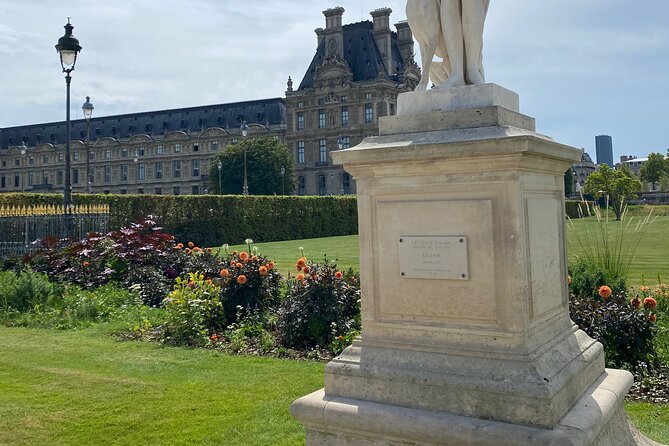
A few minutes away, Sainte-Chapelle offers a different view of medieval Paris. The guide presents it as Notre-Dame’s little sister and explains its royal purpose, its connection with the crown of thorns, and its survival through difficult periods.
This is one of the most appealing historical stops because it shows how religion and royal authority worked together. Sainte-Chapelle was not simply a place for worship. It also helped present the French monarchy as powerful, sacred, and tied to important relics.
The tour allows about 10 minutes here. That is enough for an introduction, but not enough for a long look at the interior stained glass if admission is required or if you want to study the chapel in detail. The provided details do not include entry to Sainte-Chapelle, so you should treat this as a guided stop and confirm any separate admission needs before booking.
I like the contrast between Notre-Dame and Sainte-Chapelle. One is a vast cathedral linked with the city itself. The other offers a more focused lesson in royal ambition and medieval belief.
Palais-Royal, royal time, and Marie Antoinette
The Palais-Royal is a brief five-minute stop, but it adds political drama to the route. Here you hear about the former royal palace, its later connection with the imprisonment of Marie Antoinette, and a clock that has kept Paris time for more than 650 years.
That is a lot to cover in a short pause. The guide will likely point out the main historical connections rather than offer a full tour of the palace complex. Think of this stop as a quick chapter between larger sites.
It is also a useful reminder that Parisian buildings often change roles. A royal residence can become tied to political turmoil, imprisonment, public life, or commerce. The city’s story is not limited to grand monuments. It also lives in buildings that have been repeatedly reused.
The short stop may appeal to you if you prefer variety. If you want long visits at each location, the pace may feel brisk.
You can also read our reviews of more guided tours in Paris





Pont Neuf and the Seine’s darker stories
Pont Neuf is given about 15 minutes, making it one of the longer stops. The guide covers the bridge’s arches, the garden below, and the fate of a criminal connected with Pont Neuf.
The bridge is especially good for understanding how the Seine shapes Paris. From here, you can look at the river, the islands, the banks, and the city’s layers of construction. The view is part of the lesson.
The criminal story adds a touch of human drama. Historical walks are easier to remember when they include people, mistakes, crimes, and consequences rather than only dates and architectural terms.
This is also a good place to pause for photographs, though the tour’s main purpose remains storytelling. You are not promised free time for a long Seine-side break, so keep your camera ready and listen while the guide points out details.
The route is fairly flat, but bridges and city pavements still call for sensible shoes. Wear something comfortable rather than treating this as a fashion parade. Paris rewards style, but your feet get the final vote.
Pont des Arts and the changing idea of romance
Pont des Arts brings the walk into more recent Parisian culture. The guide discusses the famous love-lock tradition and its effect on the city, then uses the bridge to introduce the Louvre.
This stop gives you a nice change of tone. After medieval churches, royal power, and old crimes, you get a modern custom that became part of Paris’s public image. It also opens a conversation about how popular traditions can alter historic places.
The bridge offers a natural transition from the Île de la Cité and Seine crossings to the Right Bank and the Louvre. You are not simply being taken from one famous name to the next. The route begins to show how these parts of Paris connect.
The stop lasts about 10 minutes. It is enough to hear the story and take in the setting, but do not expect a long discussion of every bridge or a separate Seine cruise.
The Louvre’s Cour Carrée without entering the museum
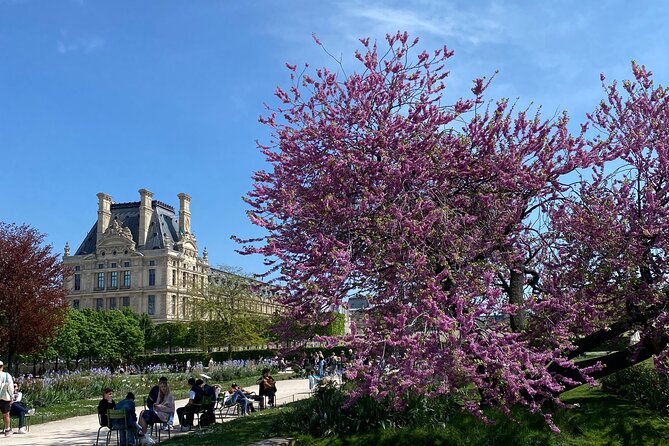
The Louvre stop focuses on the quieter Cour Carrée, where you learn about the different forms the building has taken over time. The guide also tells stories involving a theft, a revolution, and lovers.
This is a smart choice for a two-hour walking tour. The Louvre is enormous, and trying to add even a rushed museum visit would make the experience less useful. Instead, you get a chance to understand the building as architecture and as a former seat of power.
Many people first think of the Louvre as a museum built for paintings and sculpture. The exterior story is much older and more complicated. The courtyard helps you see the building as something that changed with France itself.
The tour does not include entry into the Louvre Museum. That is important. If you want to see the Mona Lisa or the museum collections, plan a separate visit and allow several hours. This walk can serve as a useful orientation before that visit, but it is not a museum ticket in disguise.
The Cour Carrée is described as a quieter part of the Louvre complex, which may make it easier to hear the guide and absorb the architecture. Even so, central Paris can be busy, and the private format helps keep the explanation focused on your group.
Carrousel du Louvre and the final view
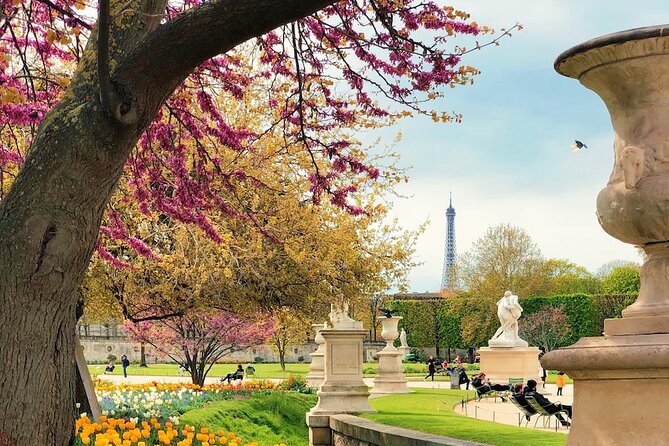
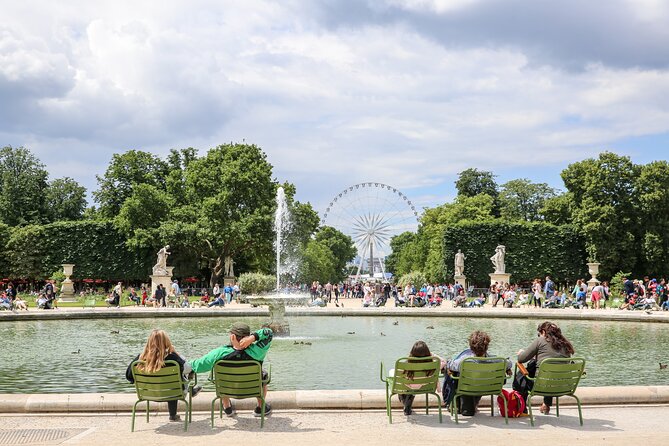
The tour ends at Carrousel du Louvre after about 15 minutes of discussion about the people connected with the Tuileries gardens and the Eiffel Tower.
Ending here gives the route a pleasant sense of scale. You begin with the old city around Saint-Michel and finish among grand royal spaces and later Parisian symbols. The Tuileries garden helps connect the Louvre to the open spaces of the Right Bank, while the view toward the Eiffel Tower points you toward another part of the city.
The end point is 6 Avenue du Général Lemonnier. You receive a view of the Eiffel Tower and Tuileries garden, but the experience does not include a visit to the Eiffel Tower or a guided walk through the gardens.
This is a practical place to finish because you can continue exploring on your own. The tour does not promise onward transportation or a meal stop, so plan your next move before you arrive. You may want to visit the Louvre separately, walk through the Tuileries, or simply stop for lunch after the tour.
How much value do you get for $240.32?
At $240.32 per person, this is not a budget walking tour. The price is easiest to justify when you have a private group that can share the cost and you place a high value on personal attention.
The experience includes a private guide for up to 15 people, so the per-person figure does not tell the whole story. For a family, group of friends, or first-time visitors who want one dedicated introduction, the format may be worthwhile. For a solo visitor or couple, the cost is harder to defend unless the private setting is a top priority.
The tour also saves you from building your own route between major sights. You receive a planned walk, an English-speaking guide, and stories that connect the stops. That is useful when your time in Paris is short or when you want a clear introduction before exploring independently.
The value drops if you expect museum entry, a long interior visit, or a full-day experience. The tour is about two hours, and most stops are exterior discussions. You are paying for access to a guide’s time and interpretation, not for admission tickets.
Who will enjoy this Paris walk most?
I would recommend it most to first-time visitors who want to see several major sights without committing to a full-day tour. The route gives you a strong central Paris overview and leaves the rest of the day open.
It also suits families. The stories about theft, royal power, lovers, criminals, and the fate of famous buildings can be easier for children to follow than a long formal lecture. The private format lets your guide adjust the conversation to your group.
Repeat visitors can find value here too. One review describes a family that had visited Paris several times but still discovered new details while bringing grandchildren. That is a useful clue: the tour is not only for people who have never seen Notre-Dame or the Louvre. Its appeal lies in the connections and lesser-known stories around familiar places.
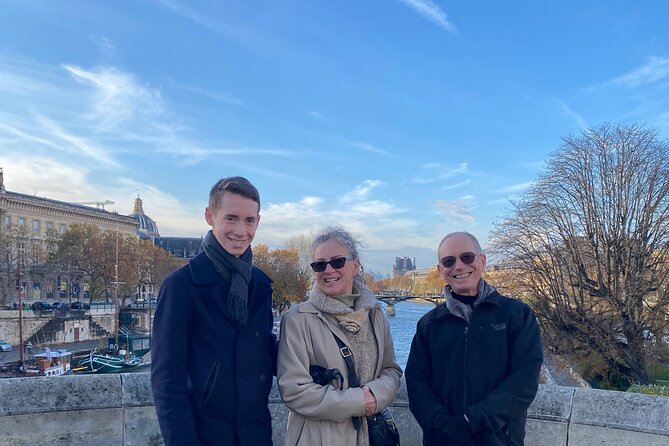
English speakers who want historical context will get the most from the experience. Ezrah is described as personable, fun, and strong on Paris and French history, so expect an engaging style rather than a dry list of dates.
You should reconsider it if you want extensive time inside monuments, a museum visit, or a low-cost group walk. The schedule is compact, and the price is premium.
Practical details before you book
The meeting point is Fontaine Saint-Michel at Place Saint-Michel, 75005 Paris. The tour begins at noon and ends at 6 Avenue du Général Lemonnier, 75001 Paris.
A mobile ticket is provided, and confirmation arrives when you book. The tour is offered in English. Service animals are allowed, and the route is near public transportation.
Most people can take part, and the terrain is fairly flat. Still, this is a walking tour over city streets and bridges, so comfortable shoes are strongly advised. The private group limit is 15 people, and only your party participates.
Free cancellation is available if you cancel at least 24 hours before the local start time. Cancellations made less than 24 hours ahead are not refunded, and late changes are not accepted. The experience requires good weather, so poor conditions may lead to a different date or a full refund.
Should you book this tour?
Book it if you want a story-driven introduction to central Paris, prefer a private group, and are happy to see the Louvre from outside rather than enter. The route is well chosen, and the mix of Notre-Dame, Sainte-Chapelle, old bridges, royal buildings, and the Louvre gives you plenty of context in a short time.
Skip it if you mainly want museum admission, long interior visits, or the lowest possible price. At $240.32 per person, the experience makes the strongest financial sense for a group of family or friends.
For first-time visitors with limited time, or repeat visitors who want fresh stories around familiar monuments, this walk offers a useful and human-scale way to get oriented.
FAQ
Where does the tour begin?
It begins at Fontaine Saint-Michel, Place Saint-Michel, 75005 Paris, France.
Where does the tour end?
The tour ends at 6 Avenue du Général Lemonnier, 75001 Paris, with a view of the Eiffel Tower and the Tuileries garden.
What time does the tour start?
The stated start time is 12:00 pm.
How long does the tour last?
The experience lasts approximately two hours.
Is the tour conducted in English?
Yes. The tour is offered in English with a local English-speaking guide.
Is the tour private?
Yes. It is a private activity, and only your group participates. The group can include up to 15 people.
Does the tour include entry to the Louvre Museum?
No. Entry into the Louvre Museum is not included, and the tour does not enter the museum.
Which major sights are included?
The route includes Fontaine Saint-Michel, Notre-Dame, Sainte-Chapelle, Palais-Royal, Pont Neuf, Pont des Arts, the Louvre’s Cour Carrée, and Carrousel du Louvre.
Is the route difficult to walk?
The terrain is fairly flat, and most people can participate. Comfortable shoes are strongly advised.
Can I cancel for a refund?
Yes, you can receive a full refund if you cancel at least 24 hours before the experience start time. Poor weather may result in a different date or a full refund.