REVIEW · PARIS
Champagne Small-Group Day Trip with Lunch and Tastings from Paris
Book on Viator →Operated by Go Go Tours - Privat Segway Tours In Paris · Bookable on Viator
Champagne day trips have one big job: getting you there smoothly. This one pairs a comfortable hotel pickup with a full Champagne day, mixing famous houses with a calmer taste of the region’s smaller producers. You’ll learn how sparkling wine is made, then test-drive the styles as you go.
I especially like two parts: first, the chance to visit a major house like Moët & Chandon (and swap options like Veuve Clicquot or G.H. Mumm if needed), with a proper cellar visit and tasting. Second, the lunch package is not an afterthought; it’s a 3-course meal with regional dishes and Champagne pairings.
The main thing to consider is time. This is a long day with roughly 2 hours each way from Paris, plus stops where schedules can shift a bit—especially if a specific house is unavailable on the day.
In This Review
- Key Points You’ll Care About
- Paris Pickup and the Real Deal Getting Out to Champagne
- Moët & Chandon Cellars: Why a Grand House Matters
- Epernay Stroll and Avenue de Champagne: Where the Mansions Line Up
- Hautvillers Abbey and the Monk Legend Behind Champagne
- Champagne-Ardenne Vistas and the Reims Area Views
- Lunch in the Parc Naturel Regional de la Montagne de Reims
- How the Tastings Teach You What to Buy Later
- Price, Time, and Group Size: Getting Value From the Long Day
- Who Should Book This Champagne Day Trip
- Should You Book It?
- FAQ
- What time does the tour start in Paris?
- How long is the day trip from Paris to Champagne?
- How many tastings or glasses of Champagne are included?
- Which Champagne houses will we visit?
- What is the minimum drinking age?
- What should I bring for the Champagne cellars?
Key Points You’ll Care About
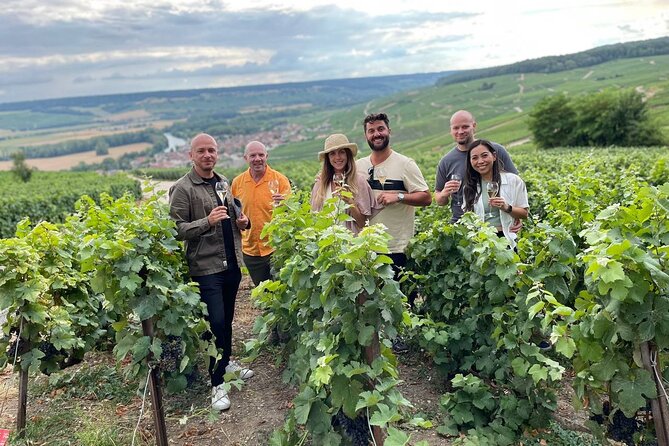
- Small-group setup (max 23) with hotel pickup and drop-off
- Big-house + smaller-winery experiences with multiple tastings
- Avenue de Champagne walk plus Hautvillers village context
- 3-course French lunch with Champagne pairings and regional specialties
- Cold cellars (about 45°F / 10°C), so bring a layer
Paris Pickup and the Real Deal Getting Out to Champagne
Your day starts early. The tour begins at 8:00 am, with pickup from your hotel in an air-conditioned minivan. The timing is important here because Champagne isn’t around the corner from Paris. Plan for that morning rhythm: you’ll roll out of the city, then spend the ride listening to your guide’s stories about how the region got its reputation and what makes Champagne production different.
Also, small practical note: pickup times are shared the day before. If your address doesn’t show correctly, the tour operator asks you to send the right details so they can sort pickup out. This kind of small admin detail sounds boring, until you’re standing on the wrong street in Paris. Avoid that stress.
On the road, you’re not just sitting. In many cases, guides build in a bit of interaction—things like Q-and-A games or short historical nuggets—so the ride doesn’t feel like dead time. Reviews also mention helpful planning around timing and keeping the group together.
You can also read our reviews of more wine tours in Paris

Moët & Chandon Cellars: Why a Grand House Matters
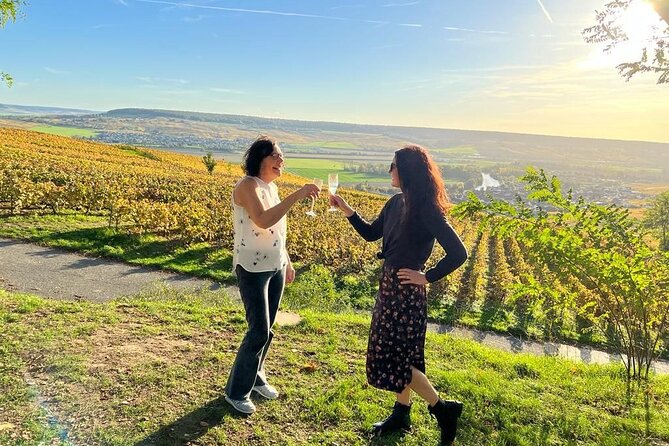
Your first Champagne stop is typically a big-name house in Epernay—often Moët & Chandon. If it’s not available, the tour swaps to another luxury producer such as G.H. Mumm or Veuve Clicquot (with other options depending on availability). That flexibility matters, because the Champagne calendar can be unpredictable.
What I like about starting with a grand house is simple: it gives you a baseline. You see major production scale, tour cellars, and get guided tastings that help you understand what you’re looking for. The experience usually includes:
- A tour of the facilities and how Champagne is produced
- A walk through cellars (cold, by design)
- A guided tasting where you sample different varieties
One practical tip: cellars are usually around 45°F / 10°C. Bring something warm. If you only pack a light jacket for Paris, you’ll feel it here—even if the weather is nice outside.
If you’re a Champagne fan who wants to compare styles, this is where your brain starts connecting the dots. The guide’s context helps you notice differences in sweetness level, character, and what producers mean when they talk about terroir and blends. Even if you don’t know your grapes yet, you’ll leave with a vocabulary that makes later shopping easier.
Epernay Stroll and Avenue de Champagne: Where the Mansions Line Up
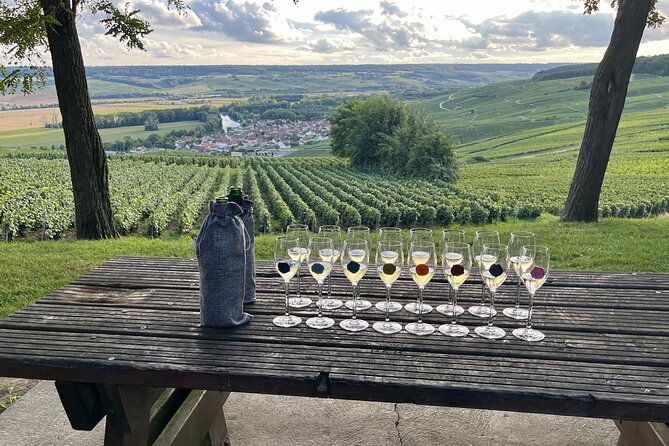
After the big-house tasting, you move through Epernay itself. This part of the day is where the region starts to feel human, not just industrial. You’ll hear history and context as you stroll, including a visit to Avenue de Champagne, a prestigious road with castles and mansions for Champagne houses.
The walk is short—about 15 minutes—but it’s a good reset between tasting stops. It also helps explain why Epernay is not just a backdrop. This area is tightly linked to the business of Champagne: fame, storage, branding, and the whole century-long machine.
In the same general Epernay timeframe, the tour may also include a stop at a small winery. That’s where you get a different pace and a different type of explanation—often more personal, more hands-on, and a little more focused on production choices than corporate storytelling.
Hautvillers Abbey and the Monk Legend Behind Champagne
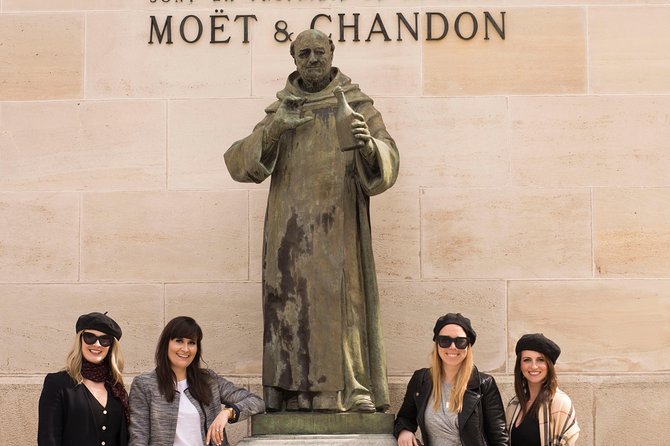
Then you head toward Hautvillers, famous in Champagne folklore because of the Benedictine abbey story tied to Champagne’s origins. The tour frames it as a legend: a monk living in the abbey is often credited with creating the sparkly drink that later became famous.
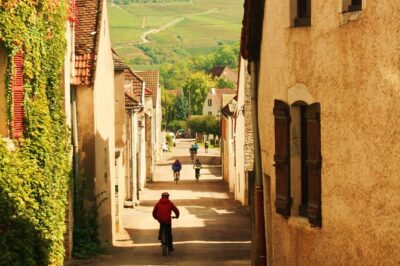
Even if you treat it as a story rather than a lab report, it’s valuable. It gives Champagne a narrative. Wine isn’t just chemicals and climate—it’s also people, myths, and local identity. And the Hautvillers stop is also about the landscape: you’ll see vines up close while your guide talks through grapes, terroir, and what makes Champagne celebrated.
Expect this stop to be about observation and understanding rather than shopping. You’ll have a more grounded feeling for the region after it.
Champagne-Ardenne Vistas and the Reims Area Views
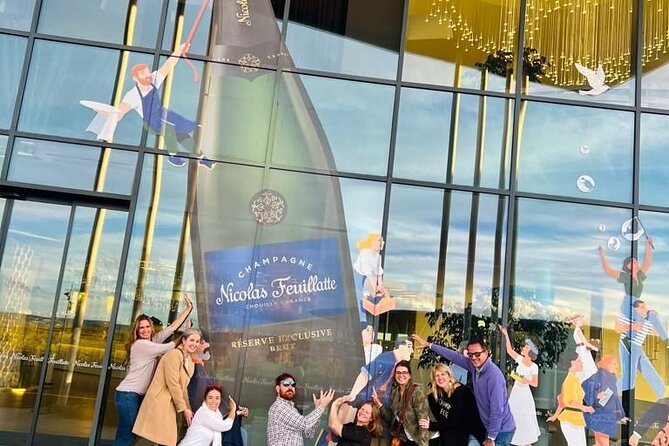
Next comes scenery time. The tour includes a pause for elevated views in Champagne-Ardenne, where rolling vineyards stretch out below. This is not a long hike day, but it’s a needed one. After tastings, cellars, and walking between houses, a broad view helps your brain recalibrate.
You’ll also learn some regional context from the guide while you’re looking out. This matters because Champagne vineyards are not random patches; they’re planted with a logic behind them, shaped by slope, soil, and climate.
If you want photos, bring your camera ready. The viewpoints are one of those spots where you suddenly get why Champagne is worth the trip even if you’re not an everyday drinker.
A few more Paris tours and experiences worth a look



Lunch in the Parc Naturel Regional de la Montagne de Reims
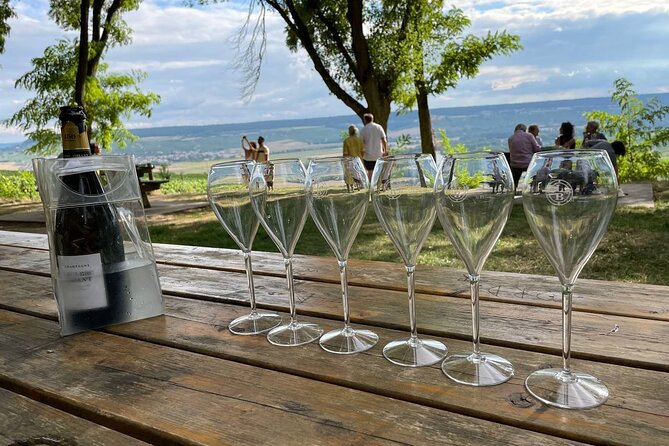
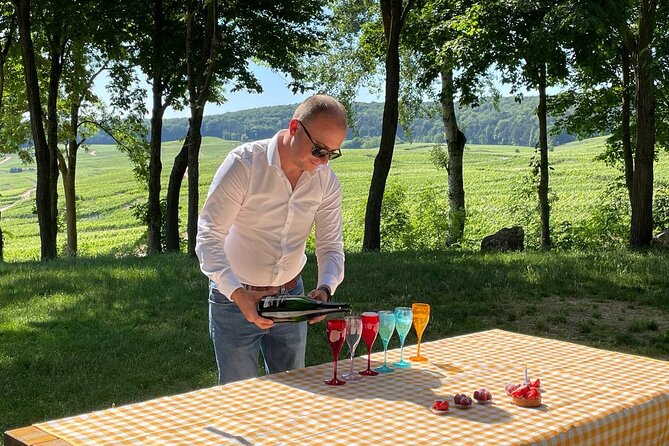
Lunch is a major part of the value here. You’ll have a 3-course meal in the Parc Naturel Regional de la Montagne de Reims area, and the menu is explicitly regional. Typical dishes mentioned include foie gras, cheese, and Reims ham with fruit, plus Reims specialty pink cookies.
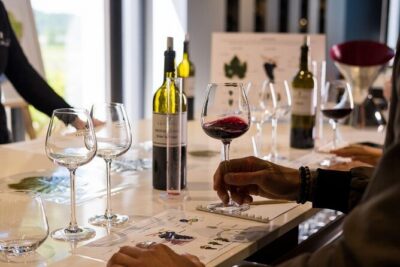
The best practical detail: lunch is paired with four types of Champagne. That means you’re not just eating and then later tasting at your own pace. You’re tasting as part of the meal, which is exactly how you learn what food pairing does to bubbles.
One catch to know: the restaurant can change based on availability. Some days are more formal, others more local. That’s still food-focused, but the setting might vary—so don’t book this expecting every lunch to be in a winery dining room.
From the reviews, lunch quality is consistently praised, with some diners describing the meal as a real restaurant experience, not a rushed plate designed for speed. If you’re hungry by this point (likely), you’ll appreciate that the stop is long enough to enjoy it.
How the Tastings Teach You What to Buy Later
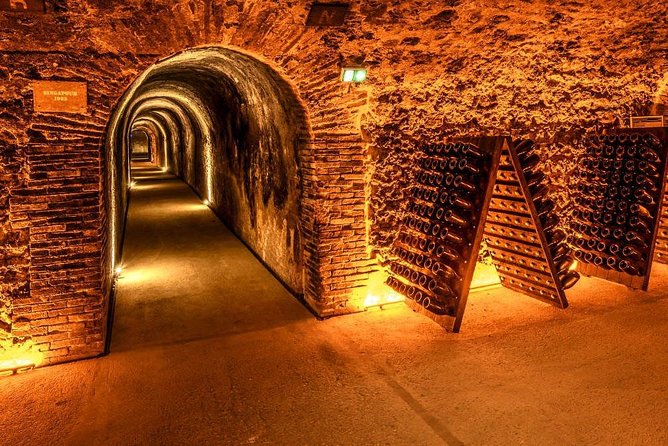
This tour gives you tastings that add up. The included package covers up to 7 glasses of Champagne, plus a guided tasting at the renowned house with cellars involved. Then lunch adds more pairing with four types.
If you’ve ever bought a bottle in Paris and later thought, I have no idea if I chose well, this is the antidote. You’re learning a structured way to taste:
- Compare styles across producers
- Notice how Champagne changes with food
- Understand how production choices show up in the glass
I also like that the tour isn’t just one “big pour and go” session. The flow—major house, then regional walking, then smaller producer time—creates variety in your taste testing. And variety is what makes your preferences click.
Some guides also add extra sights when time allows. For example, reviews mention additions like Don Perignon’s tomb and additional Reims cathedral time. If those are your interests, it’s worth asking your guide on the day whether there’s room for a meaningful extra stop.
Price, Time, and Group Size: Getting Value From the Long Day
At $422.23 per person, this isn’t a budget trip. But it also isn’t only about transportation. You’re paying for:
- Hotel pickup and drop-off
- A full day with multiple planned Champagne experiences
- Cellars tours and guided tastings
- A real 3-course lunch with Champagne pairings
- Up to 7 glasses of Champagne included
For many people, the math works because you’d otherwise need to coordinate several separate visits, tours, and tastings—often with less certainty on timing. Having a driver/guide plan the day matters when you’re starting in Paris and trying to hit multiple targets in one shot.
Group size is capped at a maximum of 23, and some groups report even smaller numbers inside their van. Smaller groups tend to make it easier to hear your guide, ask questions, and keep the day from feeling like a hurried conveyor belt.
The tradeoff is time. You’re in transit for much of the day. In plain terms: this tour is best when you treat it as a day trip experience, not a quick taste.
Who Should Book This Champagne Day Trip
This is a strong fit if:
- You want a guided Champagne education, not just drinking
- You like the idea of visiting a major house plus at least one other producer type
- You want the comfort of hotel pickup without managing trains or car logistics
- You value lunch that’s part of the program, with real pairing
It’s also a great choice for couples and friend groups. Reviews describe a fun social vibe in small groups and praise guides who keep energy up through the day.
If you dislike long driving days, or you want maximum time in one single place, you might prefer a slower, overnight-style Champagne plan. This day trip is ambitious on purpose.
Should You Book It?
If you want the best version of Champagne-from-Paris in one day, I’d book this—especially if you care about tasting as learning, not just souvenir shopping. The best reasons are the combination of cellar tours + multiple tastings + a proper Champagne-paired lunch.
Just go in with eyes open about the long travel day and the fact that which grand house you get can depend on availability. If Moët & Chandon isn’t operating for the day, the tour switches to other major producers, which still keeps the experience strong.
If your ideal Champagne trip is structured, comfortable, and educational, this one fits the bill.
FAQ
What time does the tour start in Paris?
It starts at 8:00 am. Your pickup time is shared the day before the tour.
How long is the day trip from Paris to Champagne?
The overall duration is about 10 to 12 hours. Travel time is roughly 2 hours to reach Champagne and close to 2 hours to return, depending on traffic.
How many tastings or glasses of Champagne are included?
You get up to 7 glasses of Champagne, plus a guided tasting at the Champagne house. Lunch is a 3-course meal paired with four types of Champagne.
Which Champagne houses will we visit?
The tour typically visits Moët & Chandon first, if available. If not, it may use other famous houses such as G.H. Mumm, Veuve Clicquot, Mercier, Nicolas Feuillatte, Taittinger, and others depending on availability.
What is the minimum drinking age?
The minimum drinking age is 18.
What should I bring for the Champagne cellars?
Cellars are usually cold, around 45°F / 10°C, so bring warm clothes or a layer.