REVIEW · WALLPAPER MUSEUM IN RIXHEIM
Pass Alsace : The Best of Alsace in your Pocket
Book on GetYourGuide →Operated by Pass-Alsace · Bookable on GetYourGuide
The clever idea here is simple: one digital pass turns Alsace into a pick-and-choose sightseeing menu. I love the freedom to combine Haut-Koenigsbourg Castle, the Monkeys Mountain, museums, wildlife parks, and family attractions without buying separate tickets each time. I also like that the app shows nearby partners and how much time remains on your pass.
The main catch is distance. Sixty sites sounds generous, but Alsace stretches from the northern Vosges to Mulhouse, so you will not visit everything in a short stay. Seasonal closures also matter, especially from November through March.
In This Review
- Key points to know before buying
- What the Pass Alsace really gives you
- How the digital pass works on your phone
- Strasbourg: three museums, a boat option, and family science
- Northern Alsace: castles, crafts, and local museums
- Central Alsace: the region’s biggest attraction cluster
- Colmar and the southern Vosges
- Mulhouse and southern Alsace
- Families, museum fans, and history lovers
- Choosing one, two, three, or five days
- Seasonal closures and practical timing
- Should you book Pass Alsace?
- FAQ
- How long is the Pass Alsace valid?
- How many attractions are included?
- Is the Pass Alsace digital?
- Does the app show nearby attractions?
- Is Batorama included?
- Can children under four use the pass for free?
- Which attractions close during winter?
- Can I cancel my booking?
Key points to know before buying
- More than 60 included sites: Choose from castles, museums, wildlife parks, family attractions, and cultural centers across Alsace.
- Flexible one to five-day formulas: The pass works best when you plan several paid visits within a compact area.
- The app is your ticket and guide: It shows partners, nearby attractions, validity dates, and remaining time.
- Three Strasbourg city museums included: You can select three from nine participating museums.
- Batorama requires the right option: The Strasbourg sightseeing boat is included only when you choose that pass formula.
- Winter planning takes care: Monkeys Mountain, Eagle Park, NaturOparC, Ecomusée d’Alsace, and Fleckenstein Castle close from November 10 through the end of March.
What the Pass Alsace really gives you
Pass Alsace is not a guided tour with a fixed route. It is a regional admission pass, priced from $35 per person, with formulas lasting one to five days. Once you make your first visit, the digital pass activates, and its clock begins.
That distinction matters. You need to organize your own days, choose the sites that fit your route, and keep an eye on opening dates. In return, you are not tied to a bus schedule or a group itinerary. You can spend the morning at a castle, stop at a small museum after lunch, and finish at a wildlife park if the geography and opening hours work.
I would treat the pass as a planning tool, not a magic ticket to all of Alsace. The best value comes from visiting several attractions that charge admission individually. If you use only one museum during a one-day visit, the pass may not pay for itself.
The pass also offers discounts and reductions in the area, though the supplied information does not specify every reduced-price partner or discount amount. Check the app before building your budget around a particular saving.
How the digital pass works on your phone
Download the Pass Alsace application before you begin sightseeing. The app lists the participating sites and gives information about each one. Turn on geolocation, and it can show attractions close to where you are.
This is useful in a region where a small museum or heritage site may sit well away from the headline attractions. The app can help you spot an included stop near your current location instead of making an extra cross-region trip.
Your pass number is unique. Once you receive the digital pass, it activates after the first site visit, so do not activate it on a day when you are only testing the app. The application also displays the validity period and the time remaining.
At each partner site, present the pass at the entrance. A 48-hour user reported saving €20 after visiting Cigoland on the first day and the Monkeys Mountain and Eagle Park on the second. The same person had no waiting trouble and no QR-code problems. That is exactly the sort of use that makes the pass worthwhile: several substantial attractions packed into a short, sensible route.
Still, keep your phone charged and have the application ready before you reach the ticket desk. The pass is digital, and the easiest way to use it is through the app rather than treating it as a paper voucher.
Strasbourg: three museums, a boat option, and family science
Strasbourg gives you several ways to use the pass without leaving the city. You can select three museums from nine municipal choices:
- Alsatian Museum
- Archaeology Museum
- Decorative Arts Museum
- Museum of Modern and Contemporary Art
- Fine Arts Museum
- Historical Museum
- Tomi Ungerer Museum
- Oeuvre Notre Dame Museum
- Zoology Museum
The three-museum limit is important. You do not receive free admission to all nine, so choose before you arrive. Art lovers might prefer Fine Arts, Modern and Contemporary Art, and Decorative Arts. Families may lean toward Zoology and the Tomi Ungerer Museum, while visitors wanting local culture can consider the Alsatian and Historical museums.
The city also includes POPGuide Strasbourg, which adds a self-guided way to explore. One City Tours offers bike rental and geocaching, giving you a more active option. Le Vaisseau is aimed at science and family learning.
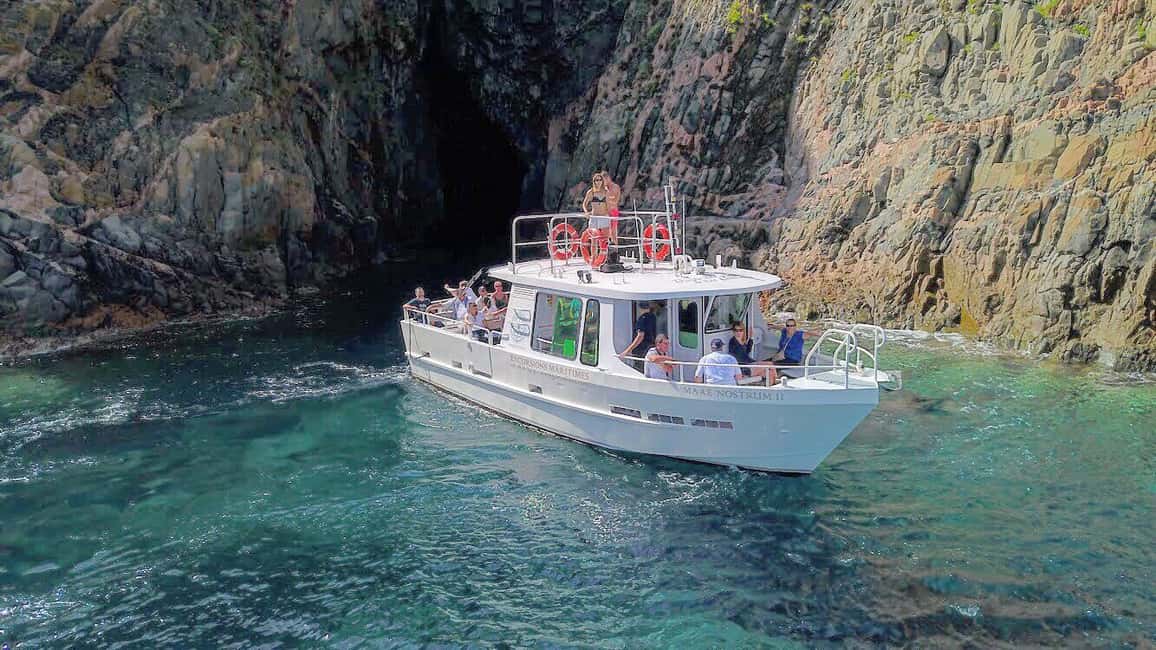
Batorama, the sightseeing boat on Strasbourg’s waterways, is a popular addition, but it is included only if you select the appropriate option when booking. Do not assume every Pass Alsace formula contains it.
Strasbourg is a good place to use the pass early in your trip because the choices are concentrated. The drawback is that the city museums count as three selected entries, so visitors who want a broad museum survey may use up a large part of the pass in one place.
Northern Alsace: castles, crafts, and local museums
Northern Alsace rewards visitors who like smaller museums and unusual historic sites. Around Lembach, you can visit Fleckenstein Castle, the Castle of Challenges, and Four à Chaux.
Fleckenstein gives you a medieval castle setting, while the Castle of Challenges is more activity-focused. Four à Chaux offers a different kind of history as a fortification site. These three places suit visitors who want more than standard art museums, but they are not all open year-round. Fleckenstein closes from November 10 through the end of March.
The area also includes the Lalique Museum, the Glass Museum in Meisenthal, and the Crystal Museum in Saint-Louis. These stops make sense for anyone interested in design, glassmaking, and decorative arts. La Villa, the archaeological center in Dehlingen, adds an archaeology-focused visit.
Other northern sites include the Museum of the Battle in 1870, the Petroleum Museum in Merkwiller, the Rural Farm from l’Outre Forêt in Kutzenhausen, and Lichtenberg Castle. In Bouxwiller, the Museum of Pays de Hanau and the Judeo-Alsatian Museum offer local cultural context.
The Houses of Rocks in Graufthal are another distinctive stop. At Haguenau, you can choose among the Alsatian Museum, Luggage Museum, and Historical Museum. Saverne adds the museum in Rohan’s Castle, while Hochfelden offers Villa Meteor.
This part of the pass is strongest for repeat visitors and curious drivers who enjoy smaller institutions. It is less convenient if you are based in central Strasbourg and want to make quick, casual visits. Plan by area instead of trying to chase every included address.
Central Alsace: the region’s biggest attraction cluster
Central Alsace offers some of the most recognizable names on the pass. At Orschwiller, Haut-Koenigsbourg Castle is the major historic stop. Its position above the surrounding area makes it a natural centerpiece for a day of sightseeing, and it is one of the places most likely to justify the pass on its own when combined with another admission site.
Nearby Kintzheim has Eagle Park and Monkeys Mountain. These are especially appealing for families, though they are seasonal. Both close from November 10 through the end of March, along with NaturOparC in Hunawihr and Ecomusée d’Alsace.
Sélestat gives you several cultural choices: Cigoland, the Bread House, and the Humanist Library. Cigoland is the family-oriented pick. The Bread House and Humanist Library offer a quieter change of pace, so this town can work for mixed-age groups with different interests.
At Gertwiller, the Museum of Gingerbread and Alsatian Folk Art combines regional food culture with local traditions. Andlau’s Workshops of the Seigneurie focus on craft and heritage. Châtenois adds the House of the Distiller.
The Mémorial Alsace-Moselle in Schirmeck offers a more serious historical visit. It is a good reminder that this pass is not only about castles and family attractions. You can use it to explore the region’s complicated border history as well.
For a short pass, this is likely the most practical cluster. A day combining Sélestat, Kintzheim, and Orschwiller can produce strong value, provided the sites are open and you have your own transport. The pass itself does not provide transportation between attractions.
Colmar and the southern Vosges
Colmar has a strong museum selection. The pass includes the Natural History and Ethnography Museum, new in 2024, as well as the Unterlinden Museum, Toy Museum, and Hansi Village and Museum.
The Unterlinden Museum is the major art choice. The Toy Museum offers an easy family stop, while Hansi’s work connects with Alsatian visual culture and regional identity. The Natural History and Ethnography Museum adds a different subject and broadens the selection.
Near Kaysersberg-Vignoble, the Schweitzer Center focuses on Albert Schweitzer. The House of Cheese in Gunsbach brings the pass into the Munster Valley, where food and farming traditions are part of the experience.
Hohlandsbourg Castle and the Museum of Wood and Heritage Trades in Labaroche extend the day into the Vosges foothills. These stops suit visitors who want a mix of fortifications, rural trades, and local culture.
This group is useful for a longer stay, but you should not confuse geographic proximity with walking distance. Colmar itself is compact for museum visits, while the surrounding sites require a separate outing.
Mulhouse and southern Alsace
The southern end of the pass has a different character. The Ecomusée d’Alsace in Ungersheim is a large open-air heritage attraction, and it needs more time than a small town museum. It is closed from November 10 through the end of March, so check the calendar before buying a winter pass around it.
At Hartmannswillerkopf, the French-German historical memorial presents another important chapter of the region’s past. The François Schneider Foundation in Wattwiller focuses on contemporary art.
Rixheim adds the Wallpaper Museum, while Mulhouse includes Electropolis and the Zoological and Botanical Park. Electropolis suits visitors interested in technology and electricity. The zoo and botanical park offer a change of rhythm and can work well for families.
Mausa Vauban, the urban and street-art museum, offers something less traditional. At Vieux-Ferrette, the Firefighters’ Museum gives another specialized subject.
The southern sites can make a five-day pass worthwhile, especially if you plan a north-to-south route or are staying in different parts of Alsace. They are less useful for a short city break based only in Strasbourg.
Families, museum fans, and history lovers
Families have plenty to work with: Le Vaisseau, Cigoland, the Monkeys Mountain, Eagle Park, NaturOparC, Ecomusée d’Alsace, the Toy Museum, and Mulhouse Zoological and Botanical Park.
The pass may be particularly useful for a family that plans two or three paid attractions in a 48-hour period. But children under four often enter free or receive reduced admission at individual sites. Check each attraction before buying a child’s pass, since a full-price pass may not save money for very young children.
Museum fans can build an excellent route through Strasbourg, Colmar, Mulhouse, Lalique, Meisenthal, Rixheim, and Sélestat. History-focused visitors have choices ranging from Haut-Koenigsbourg and Lichtenberg to Four à Chaux, the Battle of 1870 Museum, the Mémorial Alsace-Moselle, and Hartmannswillerkopf.
The pass also works for visitors who dislike spending an entire day inside one large museum. You can mix a major institution with a short specialty museum, a castle, or an outdoor attraction.
Choosing one, two, three, or five days
A one-day pass demands discipline. Pick one geographic zone and aim for at least two included admissions. Strasbourg is the easiest choice because several options are close together.
Two days can work well for Strasbourg plus central Alsace, or for a family route including Cigoland, Monkeys Mountain, and Eagle Park. The reported 48-hour use that saved €20 shows how quickly the value can improve when you combine larger attractions.
Three days gives you breathing room for Colmar, the central castle and wildlife sites, or a northern Alsace route. You can also spend one day in Strasbourg and two days outside the city.
Four or five days suit a road trip, especially if you want to include Mulhouse, the southern Vosges, northern Alsace, and several small museums. Do not buy five days simply because the list is long. The pass is most useful when your planned route includes enough admission charges to exceed the purchase price.
The pass costs $35 per person, but the actual value depends on the formula, the sites you select, and the number of days. Compare the individual admission prices of your top choices before booking. A pass is a bargain when you use it actively. It is less convincing as a backup plan for a relaxed holiday with only one or two museum visits.
Seasonal closures and practical timing
The closure period from November 10 through the end of March is the biggest planning warning. Monkeys Mountain, Eagle Park, NaturOparC, Ecomusée d’Alsace, and Fleckenstein Castle are closed during that stretch.
That does not make the pass useless in winter. Strasbourg’s museums, Colmar’s museums, and many indoor cultural sites may still give you good options. But the family and wildlife attractions that can quickly create savings are not available.
Check opening days and hours in the Pass Alsace application before you set your route. The pass has a fixed validity period after activation, so you want your chosen attractions operating during those days.
Free cancellation up to 24 hours in advance and reserve-now, pay-later booking make it easier to keep plans flexible. Still, the main decision is not the cancellation policy. It is the route. Buy the pass after you know which sites fit your dates.
Should you book Pass Alsace?
I would book Pass Alsace if you plan at least two or three paid attractions during one to five consecutive days, especially around Strasbourg, Sélestat, Kintzheim, Colmar, or Mulhouse.
It is a strong choice for families, museum fans, and road-trippers who enjoy variety. I would be more cautious if you are visiting in winter, traveling with children under four, or planning a slow trip with only one museum and one castle.
The best approach is to mark your top five sites, check seasonal closures, and compare their individual prices with the $35 pass. If the math works, the app and digital QR code make entry easy. If it does not, buy tickets separately and keep your itinerary open.
FAQ
How long is the Pass Alsace valid?
You can choose a formula lasting from one to five days. The pass is activated after your first visit to a participating site.
How many attractions are included?
The pass offers free access to more than 60 sites across Alsace, including museums, castles, wildlife parks, family attractions, and heritage centers.
Is the Pass Alsace digital?
Yes. Download the free Pass Alsace application to use your pass and present it at partner-site entrances.
Does the app show nearby attractions?
Yes. When you activate geolocation, the app can help you find participating tourist sites close to your current location.
Is Batorama included?
Batorama is included only if you select the option that contains the Strasbourg sightseeing boat tour.
Can children under four use the pass for free?
At most sites, children under four either enter free or pay a reduced price. Check each attraction before buying a pass for a young child.
Which attractions close during winter?
From November 10 through the end of March, Monkeys Mountain, Eagle Park, NaturOparC, Ecomusée d’Alsace, and Fleckenstein Castle are closed.
Can I cancel my booking?
You can cancel up to 24 hours in advance for a full refund. A reserve-now, pay-later option is also available.