REVIEW · LYON
Beaujolais Wine Discovery – Half Day – Small group tour from Lyon
Book on Viator →Operated by KANPAI TOURISME · Bookable on Viator
Gold-stone villages and Beaujolais—short and sweet. This half-day outing from Lyon strings together Pierres Dorées stops with a tasting path that starts with little-known sparkling white and rosé Beaujolais and finishes with red wine in a cellar setting. It’s a great way to get out of the city without turning your day into a bus marathon.
I especially love the village-hopping: you’re not just driving past pretty towns, you’re given time to walk and look closely at the golden ochre stone look that makes this region so distinctive. And I love that the wine side isn’t generic—there’s a clear explanation of the Beaujolais method called semi-carbonic maceration, plus tastings that go beyond the usual bottle lineup.
One thing to consider: this is still a half-day, so you get only two winery moments, with quite a bit of village time in between. If you’re craving lots of cellar tours and long tastings, the pacing may feel lighter than you hoped.
In This Review
- Key things to know before you go
- Start in Lyon: Bellecour meeting point and an 8-seat ride
- Châtillon d’Azergues: medieval ramparts and the story of yellow stone
- Bagnols: quick panoramic time in the Beaujolais Southern area
- Oingt: golden streets, artists, and the sparkling white/rosé introduction
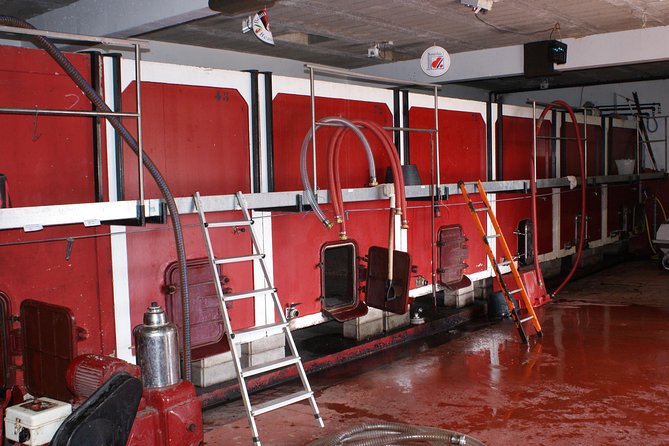
- Moire winery: semi-carbonic maceration and a red Beaujolais tasting
- Price and value: what you’re paying for in 4 hours 30 minutes
- Morning versus afternoon: how to pick the departure that fits you
- Who this Beaujolais half-day is best for
- Before you go: small practical notes that save time
- FAQ
- FAQ
- How long is the Beaujolais Wine Discovery half-day tour?
- Where do you meet the guide in Lyon?
- Does the tour offer morning and afternoon departures?
- What language is the tour offered in?
- How many people are on the tour?
- How many Pierres Dorées villages do you visit?
- What kinds of Beaujolais wines do you taste?
- Which villages and towns are included?
- Where does the wine-tasting happen?
- Is the tour accessible to most travelers?
- What’s the cancellation policy?
- Should you book this Beaujolais tour?
Key things to know before you go
- Max 8-person group: you ride in a small 8-seater minivan and get room for questions.
- Pierres Dorées focus: at least three stops in villages known for their golden ochre stone.
- Wine variety in one route: sparkling white and rosé first, then red Beaujolais at the end.
- Two wineries, not five: it’s village time plus two wine experiences (Oingt then Moire).
- Beaujolais technique explained: you’ll hear about semi-carbonic maceration and the hand-picked, uncrushed approach.
Start in Lyon: Bellecour meeting point and an 8-seat ride
You’ll begin at the Lyon Office du Tourisme et des Congrès de la Métropole de Lyon on Pl. Bellecour (69002 Lyon). The check-in is straightforward: you meet your English-speaking guide in front of the office, take a short walk, then hop into the 8-seat minivan for the excursion.
This small vehicle matters more than it sounds. In a larger group, you spend half your attention staring at the back of someone’s head. Here, the ride feels like part of the experience—short transfers, quick scenery breaks, and a guide who can actually talk to everyone.
You can also read our reviews of more wine tours in Lyon
Châtillon d’Azergues: medieval ramparts and the story of yellow stone

Your first real village stop is Châtillon d’Azergues, about a 35-minute drive from Lyon. The route between towns is part country road, part “watch the hills change color” show—rolling vineyard-covered countryside and medieval towns built in that famous yellow ochre stone.
Once you arrive, you’re given a short window to admire the old castle from the 13th century, with its ramparts. This is the kind of stop where even ten minutes can pay off, because the details are visual: thick walls, the shape of the fortifications, and the way the stone looks almost warm even under cloudy skies.
A practical tip: wear shoes you can trust for uneven old-town surfaces. You won’t need hiking gear, but these villages are older than sidewalks.
Bagnols: quick panoramic time in the Beaujolais Southern area
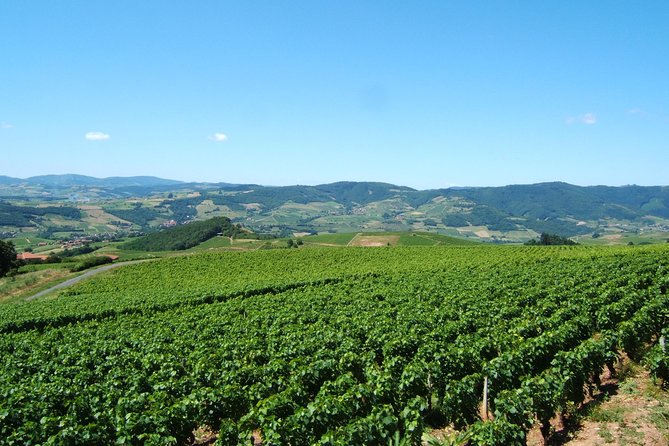
Next comes Bagnols, another brief stop with a payoff: a panoramic view over the Beaujolais Southern region, sometimes called the small French Tuscany. Even if you’re not the photo type, it helps to see the terrain. It connects the wine conversation later with what you’re looking at now—why vines grow where they do, and why these villages cling to the hills.
This is a good breather in the middle of the trip. You get just enough time to stand back, orient yourself, and reset before you start walking in the most charming part of the route.
Oingt: golden streets, artists, and the sparkling white/rosé introduction
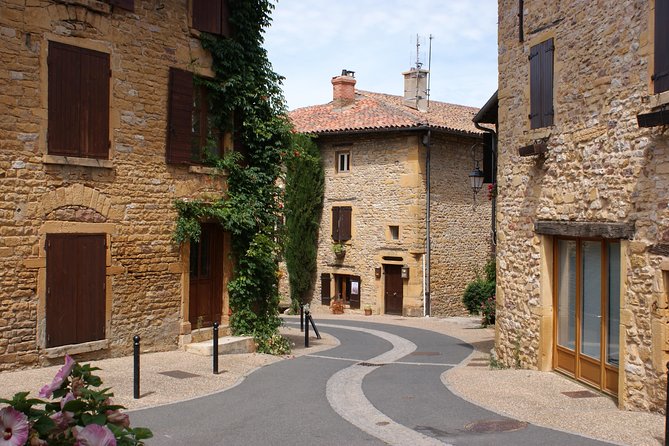
The tour’s most walkable village stop is Oingt. The town is listed among the 157 Most Beautiful Villages in France, and you’ll feel why: narrow lanes, a warren of little streets, and plenty of artist and craft-shop energy. This is where you can slow down. Look at doorways, stone textures, and the mix of locals and shopfront life.
With your guide, you’ll also get context: the village history, plus how terroir and geography tie into what the grapes do. That explanation is useful, because Oingt isn’t just scenery. It’s one of the stages where you start shifting from postcard mode into wine mode.
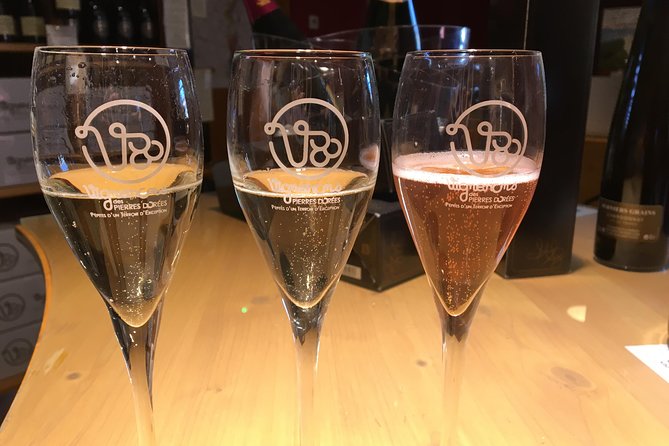
Then you’ll have your first wine introduction: a first winery stop connected to Oingt, with time to taste little-known sparkling white and rosé Beaujolais. This is a smart choice for a half-day tour. Sparkling Beaujolais can be harder to find and easy to overlook if you only chase the usual reds. Here, you’re nudged toward the other side of the region’s identity.
Potential drawback: if you expected a full cellar tour right away, the first tasting can feel more like an introduction than a grand production. Still, it sets up what you’ll hear later when the winemaking process is explained more directly.
Moire winery: semi-carbonic maceration and a red Beaujolais tasting
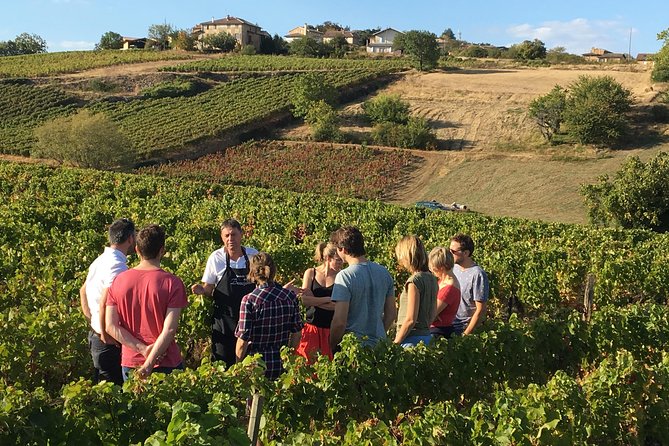
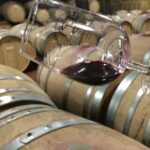
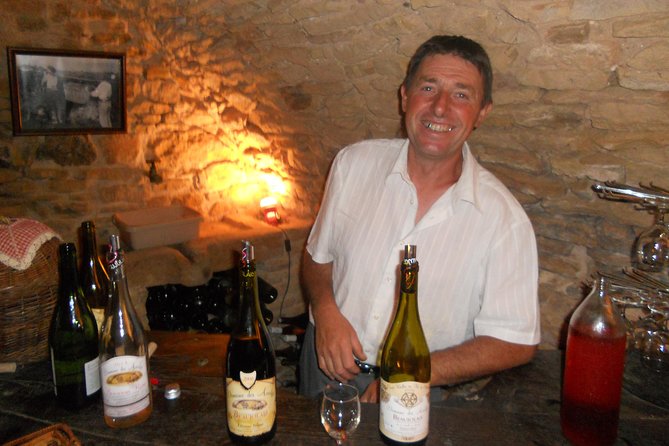
Your final stop is Moire, where the wine experience turns more hands-on. You’ll meet a passionate wine-maker and learn about grape growing and the Beaujolais wine-making process called semi-carbonic maceration. The key detail you’re given is that the grapes are picked by hand and not crushed at all.
That one point helps you understand why some Beaujolais profiles feel different from what you might expect elsewhere. Even when you don’t remember every technical term, knowing the grapes aren’t crushed changes the story you’re tasting. It also makes the tasting feel earned, not random.
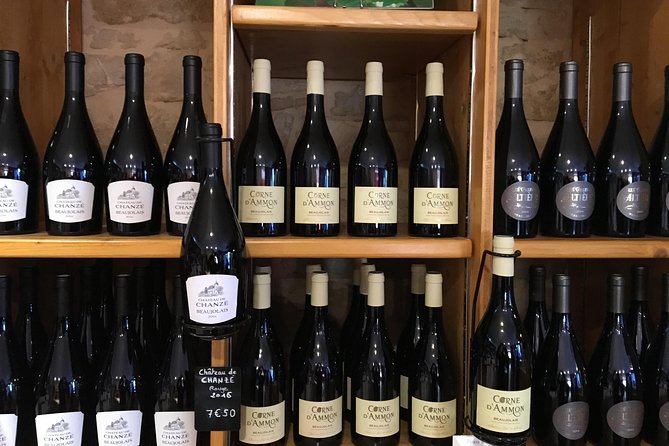
After the explanation, you head to the caveau (the tasting room) and taste several red Beaujolais in an authentic atmosphere. This is the moment that ties the afternoon together: you walk through gold-stone towns, then you drink the wine those hills help create.


Price and value: what you’re paying for in 4 hours 30 minutes
At $131.25 per person for about 4 hours 30 minutes, this tour sits in a sweet spot for people who want real regional flavor without losing a whole day.
Here’s what helps justify the cost:
- You get a small-group format (maximum of 8), which makes the guide’s explanations more useful.
- You cover multiple Pierres Dorées villages rather than just one photo stop.
- You get structured tastings: sparkling white and rosé first, then red Beaujolais at the end.
- You’re specifically taught part of the winemaking process, not just handed glasses.
Where the price might feel thin is if you only care about wineries and nothing else. Since the route includes village time in between wine moments, you’re buying a mix of culture and tasting, not a lineup of many cellar tours.
Morning versus afternoon: how to pick the departure that fits you
You can choose between a morning or afternoon departure, which matters because Beaujolais feels different depending on time of day. A morning start often gives you cooler walking conditions for Oingt’s lanes and better light for the stone villages. An afternoon departure can feel smoother if you like a slower Lyon start.
Either way, the trip ends back at the meeting point near Bellecour. That’s a big deal: you don’t need to plan a complicated second transport step after the wine.
If you’re booking around a tight Lyon itinerary, pick the departure that leaves you the easiest time for dinner afterward. This tour ends fairly close to where it starts, so you’re not stuck figuring out your next move.
Who this Beaujolais half-day is best for
This tour fits best if you’re looking for a focused taste of Beaujolais while still getting out into the villages.
You’ll likely love it if:
- you want sparkling white and rosé Beaujolais exposure, not only standard reds
- you enjoy walking in charming small towns like Oingt
- you appreciate wine education that connects to what you’re seeing outside the car
You might want to think twice if:
- you expected three-plus long winery tours
- you prefer long, slow tastings with lots of time at one cellar rather than a two-winery sequence
Before you go: small practical notes that save time
A few things make the day easier:
- Bring comfortable walking shoes for Oingt’s narrow streets.
- Expect a gap between village stops and the first tasting, so don’t plan to snack only when wine shows up.
- Since it’s offered in English, you’ll get guide-led explanations in that language, but the exact vibe can vary by guide style—some people prefer more storytelling, others prefer crisp practical info.
Also, you’ll use a mobile ticket, and you receive confirmation at the time of booking. That’s handy if you like having everything in your phone.
FAQ
FAQ
How long is the Beaujolais Wine Discovery half-day tour?
It runs for about 4 hours 30 minutes.
Where do you meet the guide in Lyon?
The meeting point is the Office du Tourisme et des Congrès de la Métropole de Lyon at Pl. Bellecour, 69002 Lyon, France.
Does the tour offer morning and afternoon departures?
Yes. You can choose between a morning or afternoon departure.
What language is the tour offered in?
The tour is offered in English, with an English-speaking guide.
How many people are on the tour?
It’s a small-group tour with a maximum of 8 travelers.
How many Pierres Dorées villages do you visit?
You stop in at least three of the Pierres Dorées villages.
What kinds of Beaujolais wines do you taste?
You taste sparkling white and rosé Beaujolais, and later you taste several red Beaujolais.
Which villages and towns are included?
The stops include Châtillon d’Azergues, Bagnols, Oingt, and Moire, with the departure from the Lyon Office de Tourisme area on Bellecour Square.
Where does the wine-tasting happen?
You start with a first winery introduction in connection with Oingt, then you meet a wine-maker in Moire and taste red Beaujolais at the caveau.
Is the tour accessible to most travelers?
Most travelers can participate.
What’s the cancellation policy?
You can cancel for free up to 24 hours in advance for a full refund. If the minimum number of travelers isn’t met, the experience may be canceled and you’ll be offered a different date/experience or a full refund.
Should you book this Beaujolais tour?
Yes, if you want a half-day Beaujolais experience that mixes gold-stone Pierres Dorées villages with real tastings—including sparkling white and rosé, plus a guided explanation of semi-carbonic maceration. It’s especially good for travelers who are short on time in Lyon but still want something more than a single village photo stop.
Skip or adjust your expectations if your main goal is many long winery cellar visits. This one gives you two wine moments, then sends you back out into the villages—so treat it as a balanced route, not a pure wine-only marathon.