REVIEW · LYON
From Lyon: Golden Stones Beaujolais Wine Tasting Tour
Book on GetYourGuide →Operated by TASTY LYON · Bookable on GetYourGuide
Beaujolais tastes better with a guide. This half-day tour slides you from Lyon into southern Beaujolais in an air-conditioned minivan, then lands you in the middle of the wine world with a tasting, a terroir lesson in a vaulted cellar, and a final stop at a family winery. I especially love the golden-stone streets and medieval squares of Oingt, because you’re not just drinking wine—you’re seeing why the region has such a distinctive look. I also love that you meet winemakers and get to ask real process questions, not just recite basic wine facts. The only catch: the day is compact, so if you want long lounge time in one place or a full-blown winery weekender, you may feel a bit rushed.
What makes the experience work is the small group size (limited to 8), plus guides who keep the flow moving while still answering questions. In the real-world examples, guides like Ian, Yann, Rachel, François, Amandine, and Vladimir have helped shape the day with clear explanations in English and a relaxed rhythm at each stop. One practical consideration: you’ll want comfy shoes and a weather-ready layer, because you’ll walk in Oingt and you may do an outdoor tasting stop depending on conditions.
In This Review
- Key things I’d highlight before you go
- From Bellecour Square to Beaujolais hills in one smooth half-day
- The “intro to wine” moment: a vaulted cellar and terroir that clicks
- A machon-style break: cold meats, cheese, and real local energy
- Oingt’s medieval squares and the thrill of golden-stone architecture
- The family winery finale: tour, tastings, and questions you’ll actually remember
- Wine tasting strategy: what you’ll taste and how to order your attention
- Price and value: is $116 a fair deal for this half-day?
- Who should book this Beaujolais tour from Lyon
- Should you book it
- FAQ
- FAQ
- Where do we meet for the tour in Lyon?
- How long is the tour?
- What language is the tour guide?
- How big is the group?
- What’s included in the wine and food?
- Is lunch included?
- Is bottled water provided?
- Are there any restrictions on bringing items?
- Is the tour accessible for wheelchair users?
- What should I wear or bring?
Key things I’d highlight before you go
- Small group, big attention: Maximum 8 people means you’re not lost in a crowd.
- Terroir explained where it matters: A lesson in a vaulted cellar sets you up to taste smarter.
- Oingt’s golden-stone medieval walk: A 12th-century village that really is worth slowing down for.
- Family winery time, not just a pour-and-run: You’ll tour the place and taste in a more personal setting.
- Mâchon-style food pairing: Cold meats and cheeses with snacks and pastries keep the experience grounded.
- Scenery stops along the way: Several moments are built for views and quick tastings, depending on weather.
From Bellecour Square to Beaujolais hills in one smooth half-day
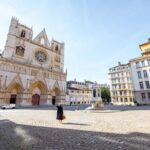
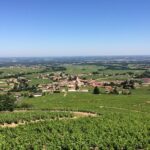
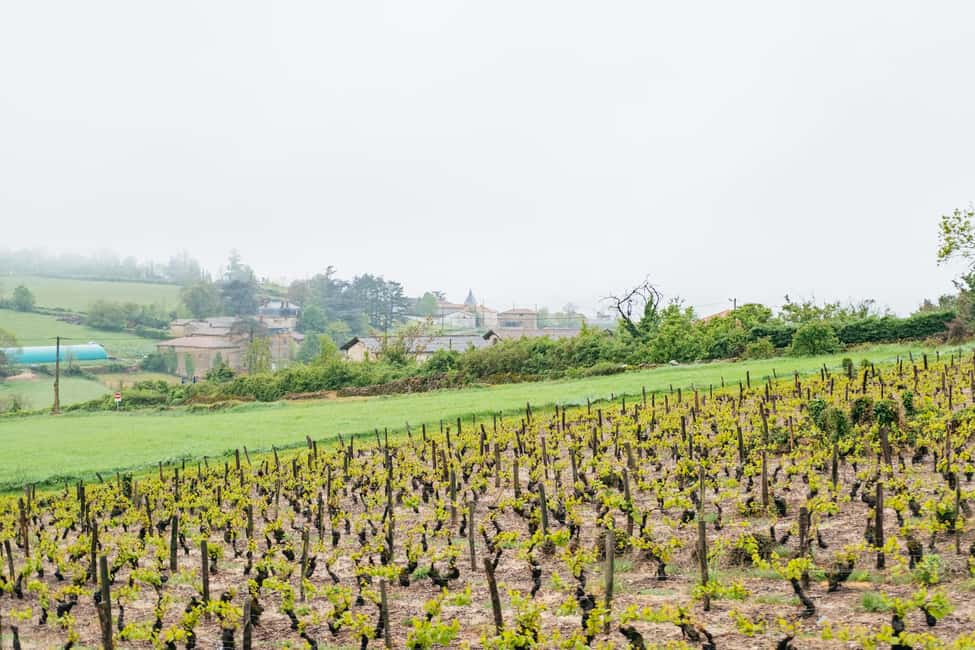
Your day starts in Lyon at Bellecour Square, meeting right in front of the Lyon tourist office. That matters because you don’t waste time with complicated rendezvous points. From there, you head north into southern Beaujolais, the kind of rolling countryside where villages sit high, fields spread out below, and the roads feel like a slow reveal.
Transport is by air-conditioned minivan, and the tour is designed to be comfortable rather than frantic. In my view, that’s a big part of the value: you’re paying for the driving plus the guide brain behind the stops. If you’re coming from central Lyon with no car, this is exactly the kind of half-day structure that keeps you from losing hours to logistics.
A quick note on motion comfort: some cars on tours like this can involve windy roads. One guest mentioned a stick shift and no AC during their ride, and if you’re prone to carsickness, it’s smart to plan ahead with what works for you.
You can also read our reviews of more food & drink experiences in Lyon
The “intro to wine” moment: a vaulted cellar and terroir that clicks
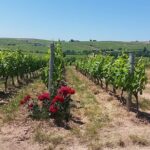
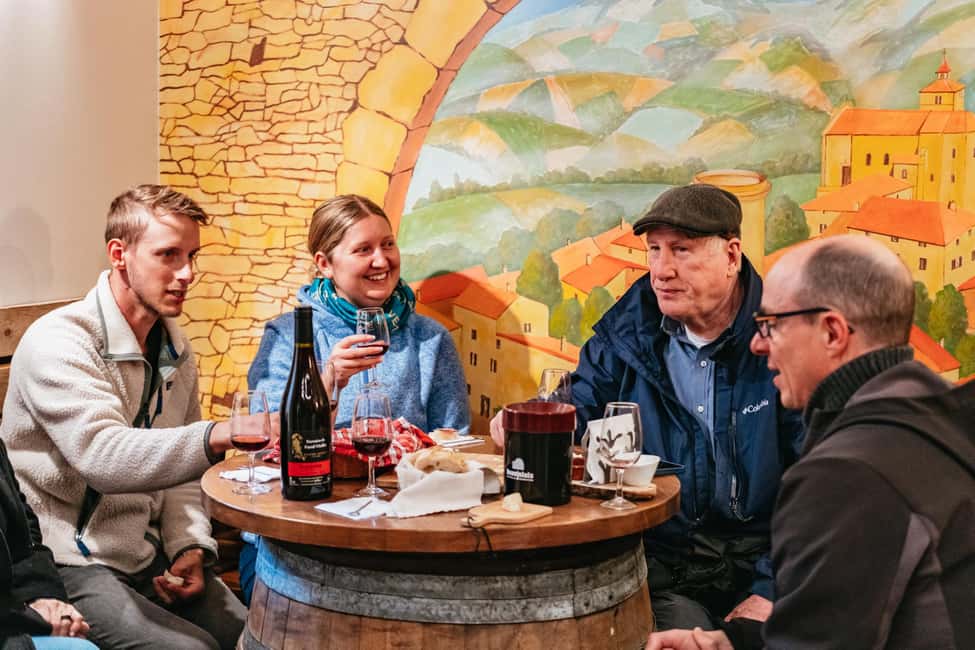
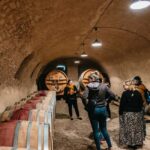
The heart of the tour is the wine education, but it’s handled in a way that stays practical. You’ll get an introduction to wine tasting, and the lesson includes the idea of terroir—how the land (soil, slope, exposure, local traditions) helps explain why two wines that sound similar can taste different.
Doing this before your bigger tastings is clever. You’re basically setting up a tasting lens. Instead of randomly chasing flavors, you learn how to describe what you’re tasting and connect it back to vineyard conditions. And because you’re tasting as you learn, the concepts don’t stay abstract.
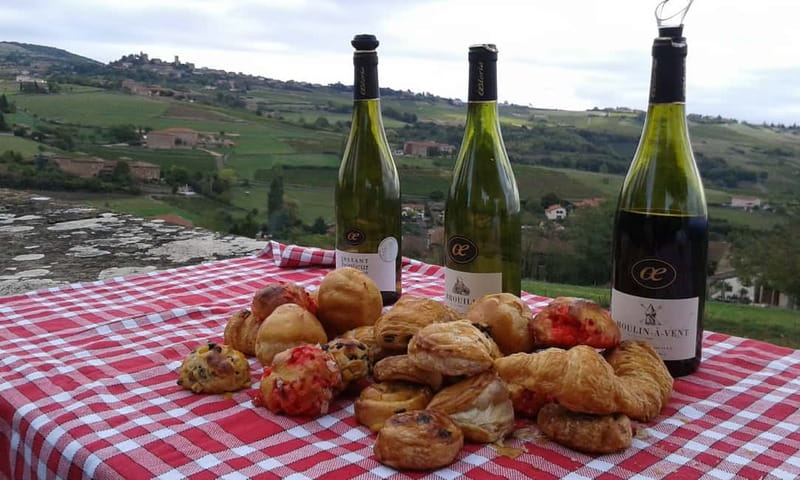
There’s also a food rhythm to this part of the day. You’ll have pastries and snacks, and the experience is built around the local Lyon style of eating. That keeps the wine tasting from feeling like a lab exercise.
Guides vary in style, but the common thread from the best days on this tour is clear communication and room for questions. In past groups, hosts including Ian and Yann have been especially good at answering the practical stuff—what changes in the vineyard year to year, what winemakers actually do in the season, and why certain flavor patterns show up.
A machon-style break: cold meats, cheese, and real local energy
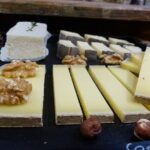
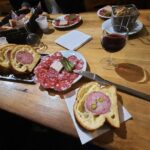
Food isn’t an afterthought on this tour. You’ll enjoy a traditional mâchon breakfast-style set of snacks—local cold meats and cheeses—plus pastries. It’s a Lyon thing: hearty, social, and made for fueling a morning (or early afternoon) without making it feel like a formal meal.
This pairing matters because it changes how you experience the wine. Beaujolais tends to be approachable, and lighter reds and fruity whites can taste even better when the saltiness and fat from cheese and charcuterie help smooth out the edges. It also keeps the day from turning into a sugar-and-sitting event. You get that “this is how locals might actually do a food-and-drink break” feeling.
If you want a simple takeaway: come hungry enough for snacks, but don’t plan on lunch being included.
Oingt’s medieval squares and the thrill of golden-stone architecture
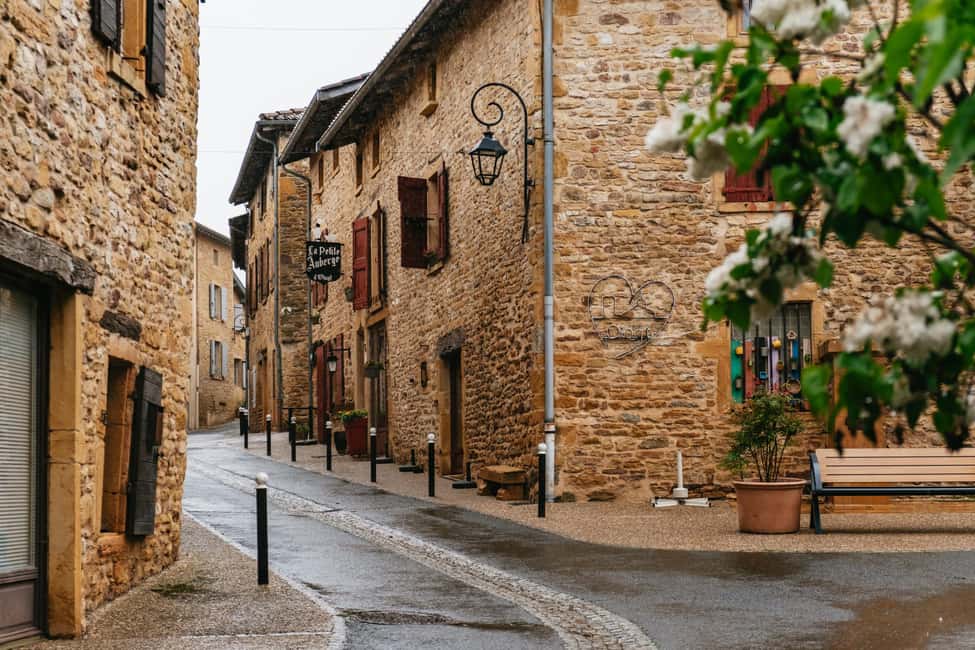
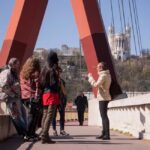
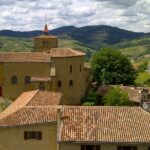
Then you shift from wine education to a proper sense of place. The stop in Oingt is a highlight for a reason: it’s a 12th-century village and listed among France’s Most Beautiful Villages. The tour is built so you can stroll medieval streets at an easy pace and take in the golden-stone look that gives this region its nickname.
Why this stop is more than a photo break: Oingt helps you understand why Beaujolais feels different from other wine regions near big cities. The architecture, the hilltop layout, and the way the village sits all shape your mental map of where the vineyards fit in.
In the best-running versions of the day, you’ll get an actual walking moment—time to slow down and wander rather than just stop for a quick look. One practical watch-out: depending on timing, there may be limited time for shopping, and some storefronts might be closed earlier in the day. Still, the streets and viewpoints are the point.
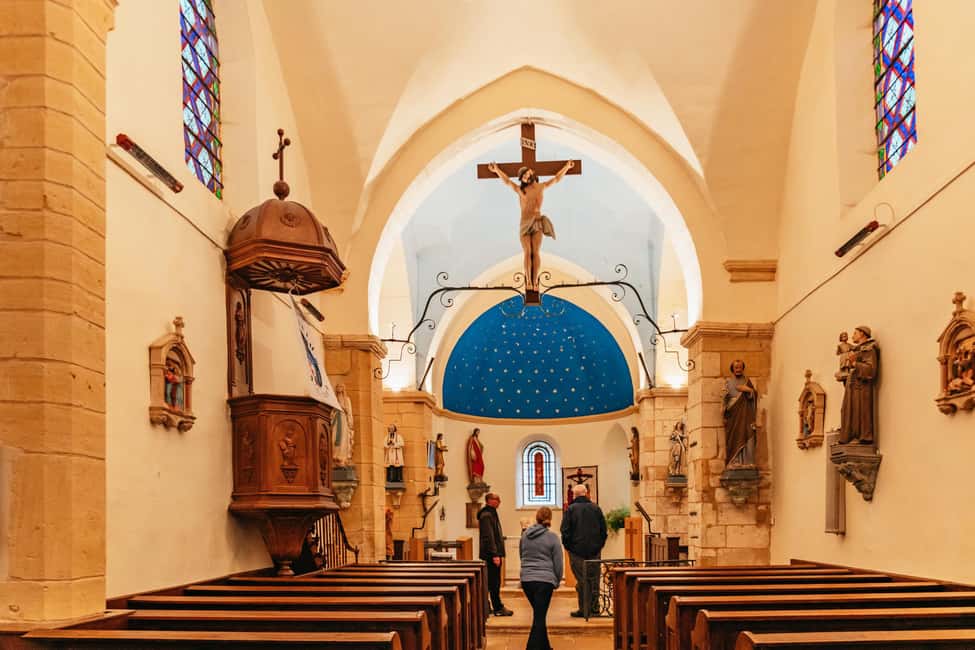
If you love history but hate museum fatigue, this is a nice middle ground. You get old stone and street-level atmosphere without needing guided lectures for every corner.
The family winery finale: tour, tastings, and questions you’ll actually remember
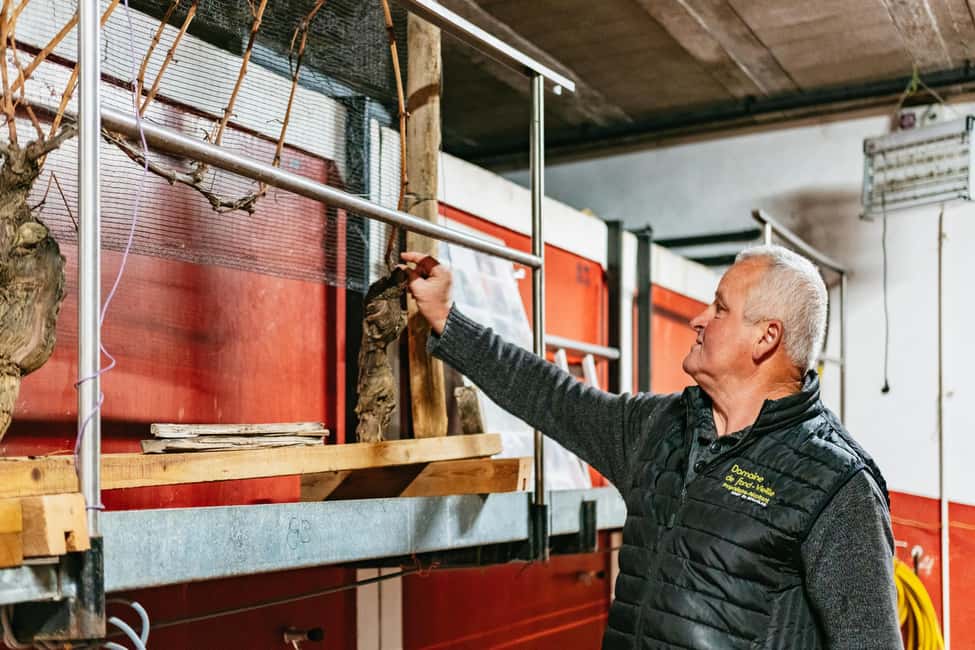
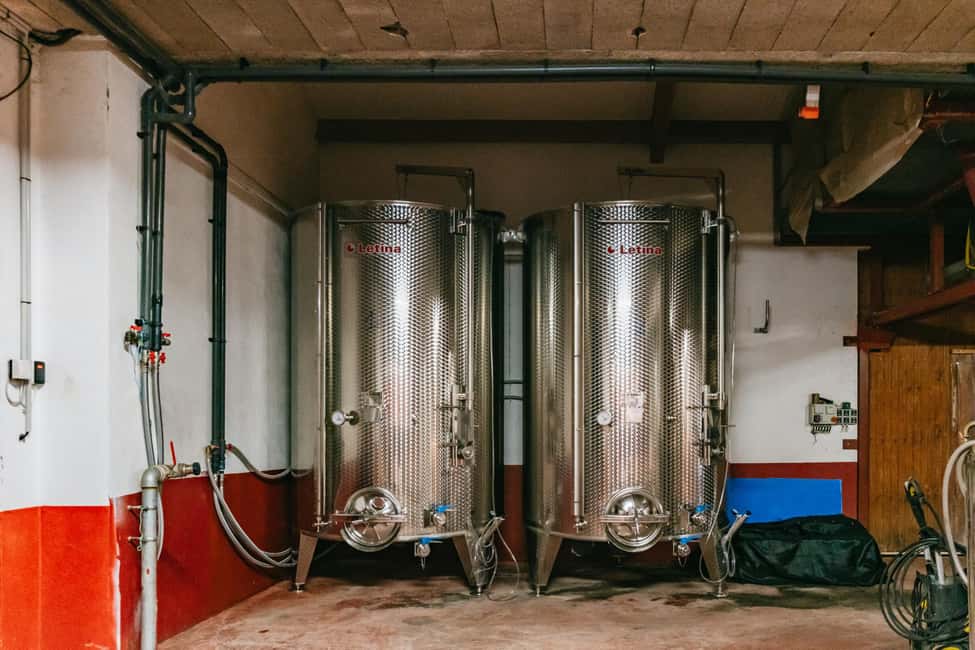
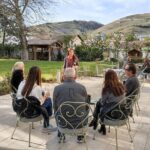
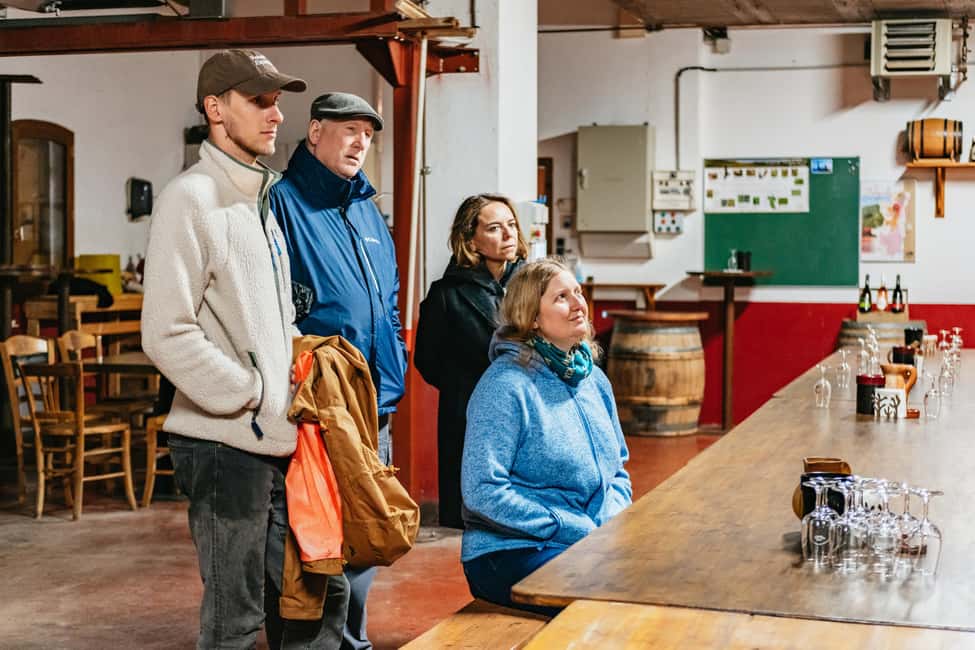
The last stop is where the day turns from education to experience. You’ll arrive at a family-owned winery and meet a friendly winemaker. Expect a tour of the winery property and cellar space, followed by tastings of local wines paired with local snacks like cheeses, meat, and bread.
This part is valuable because it’s not just about how wine is made in general. It’s about how one family runs their craft—what they focus on, what they adjust, and what they think matters most in their vines. In real examples from different guides and seasons, winemakers have explained their process in clear terms, and guests have had time to ask “why” questions rather than only sampling.
A detail worth mentioning if you’re the type who notices these things: multiple guides have ended the tasting with a more personal touch, from small outside-view moments to vineyard walking when conditions allow. One guest even described walking through the vineyard and chatting about career and craft. That’s the kind of memory you can’t buy.
There’s also a light, human side. One group mentioned a friendly dog mascot at the winery, and that kind of warmth tends to happen when you’re not in a mass-tour situation.
You can also read our reviews of more wine tours in Lyon

Wine tasting strategy: what you’ll taste and how to order your attention
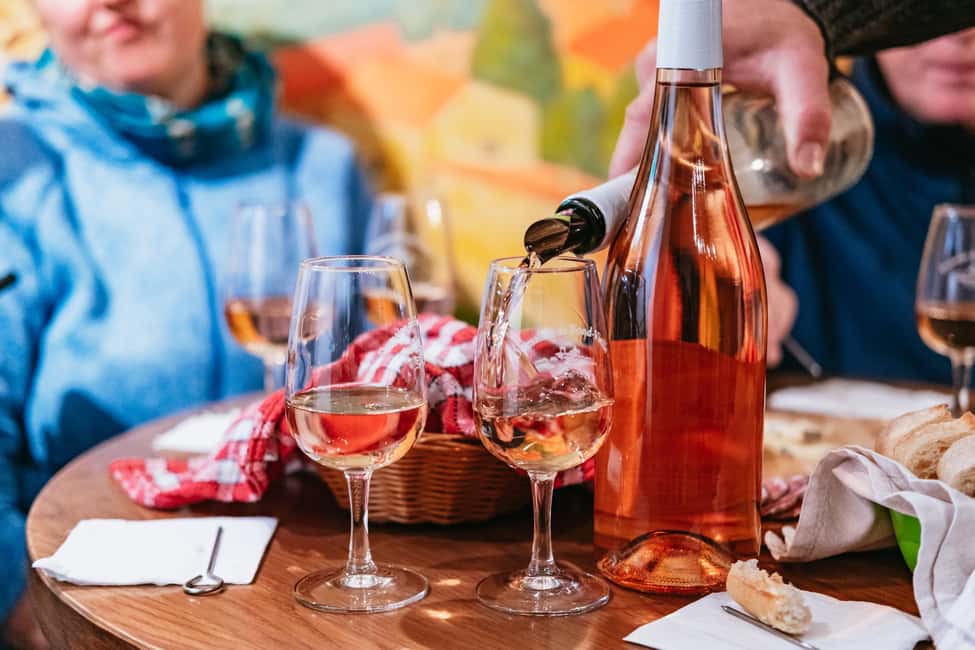
You should plan for several wine tastings across the day: an intro tasting earlier and a more substantial tasting at the end. The wines you encounter often include whites and reds, and rosé may show up depending on the winery’s selection that day.
Here’s how I’d approach it so you get more out of the tasting:
- First, pay attention to how the guide connects each wine back to terroir and local practices.
- Next, compare textures: do you feel more crispness, more fruit, more dryness, or more lift?
- Finally, ask one or two targeted questions rather than five scattered ones. Winemakers tend to answer best when your question has a real direction.
If you’re newer to wine, the tour structure is forgiving. You start with tasting basics, then taste more with context. If you’re already a wine nerd, you’ll still likely enjoy the hands-on discussions about pruning, vineyard differences, and storage or cellar choices—topics that came up in past groups with winemakers and guides like Dominique Guillard during one standout visit.
One honest drawback that came up: a few people felt the value could be better if more time was spent explaining how the specific flavors land. That’s fixable on your end: come with one question about aroma or taste you want decoded, like why a wine feels brighter or more structured.
Price and value: is $116 a fair deal for this half-day?
At $116 per person, you’re not just paying for wine. You’re paying for:
- a professional driver/guide,
- transport in a shared, air-conditioned minivan,
- wine tastings and alcoholic drinks,
- snacks and pastries (including a mâchon-style breakfast element),
- and the time investment to reach Oingt and a family winery.
For a half-day experience, that can be very reasonable—especially if you factor in what it would cost you to rent a car, pay for gas/parking, and then do the tastings without a guide. The education component also adds value, because it helps you taste with purpose instead of just sampling.
That said, the tour is still a tasting-focused day, not a long lunch-and-amble. If you’re looking for the most bottles possible or the deepest technical rundown on every step, you may wish there were more time or another winery stop. Still, the small group setup and the family-winery end typically justify the price for most people.
If you decide to buy wine at the end, you may find bottles are reasonably priced relative to some tourist-heavy areas. One guest estimated around 9 euros per bottle during their visit, which suggests the purchase side can feel approachable if you want to take something home.
Who should book this Beaujolais tour from Lyon
This tour fits best if you want:
- a comfortable way to reach Beaujolais without renting a car,
- a mix of scenic village walking and hands-on wine learning,
- and tastings with local food that feels French, not performative.
It’s also a good match if you’re traveling solo or as a couple. The group limit helps you meet people without awkwardness, and the guide can keep the pace comfortable.
It’s likely less suitable if you’re a wheelchair user. The tour is listed as not suitable for wheelchair users, and the walking in Oingt is part of the design.
And if you’re going with teens or kids: alcohol is forbidden for those under 18 in France, so you’ll want to plan accordingly. You can still enjoy the scenery and food, but alcohol rules apply.
Should you book it
I’d book this tour if you want a short, well-paced Beaujolais introduction from Lyon that hits the key notes: Oingt’s golden stones, a terroir-first tasting approach, and a family winery finish where you can ask questions and taste food-friendly wines.
Skip it only if you know you want a longer winery day with more time in each place, or if you’re the type who needs very detailed wine-technical explanations for every pour. For most people, this is the kind of half-day that leaves you satisfied: you get scenery, you learn how to taste, and you leave with a clearer sense of why Beaujolais is Beaujolais.
FAQ
FAQ
Where do we meet for the tour in Lyon?
You meet in front of the Lyon tourist office in Bellecour Square.
How long is the tour?
The duration is 258 minutes, which is a bit over four hours. Starting times vary based on availability.
What language is the tour guide?
The tour guide is available in English.
How big is the group?
It’s a small shared group limited to 8 participants.
What’s included in the wine and food?
Wine tasting is included, along with alcoholic drinks, snacks as part of a traditional mâchon breakfast, and pastries.
Is lunch included?
No, lunch is not included.
Is bottled water provided?
No bottled water is provided. You can refill a reusable bottle.
Are there any restrictions on bringing items?
Pets and baby strollers aren’t allowed. Smoking in the vehicle is also not allowed, and you can’t eat or drink inside the vehicle.
Is the tour accessible for wheelchair users?
No, it’s not suitable for wheelchair users.
What should I wear or bring?
Bring comfortable shoes and weather-appropriate clothing.