REVIEW · PARIS
Paris Musée d’Orsay Fully Guided Tour
Book on Viator →Operated by Walks - France · Bookable on Viator
Impressionism gets clearer fast. This fully guided Musée d’Orsay tour pairs prebooked admission with an English-speaking guide who points you to the movement’s biggest names and key stories. I like that you focus on standout paintings like Van Gogh, Manet, Monet, and Gauguin instead of wandering until your feet give up. One catch: it’s a 2-hour highlights route, not a full museum marathon.
Logistically, it’s a small-group walk through the museum (up to 20 people) and it ends where you started at 2 Rue de la Légion d’Honneur. If you want a smart, efficient first Orsay visit, this style of tour does the job.
In This Review
- Key things you’ll notice on this Orsay tour
- Musée d’Orsay hits differently with a guided highlights route
- The 2-hour pace: what you’ll see and what you may miss
- Stop at Musée d’Orsay: how the guide turns paintings into context
- What you’ll get from a good guide in this room full of art
- The artwork lineup: a practical way to experience the top names
- Guides and teaching styles: what the best ones do right
- Meeting point, walking pace, and crowd reality
- Price and value: what you’re really paying for
- Timing: how far ahead you should book
- Who this tour is best for (and who might skip it)
- Should you book the Paris Musée d’Orsay fully guided tour?
- FAQ
- Where is the meeting point for this tour?
- How long is the Musée d’Orsay fully guided tour?
- Is the Musée d’Orsay ticket included in the price?
- Is the tour offered in English?
- Is there hotel pickup or drop-off?
- Is this a walking tour, and how much walking should I expect?
- How big is the group?
- What if the Musée d’Orsay closes due to strikes?
- What is the cancellation policy?
Key things you’ll notice on this Orsay tour
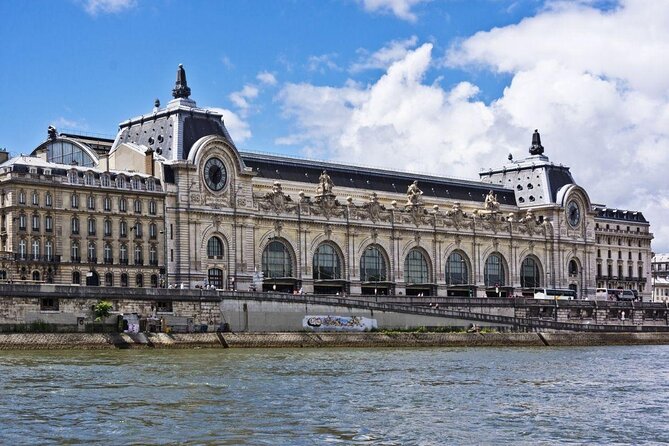
- Skip-the-line admission included so you can spend your time looking, not waiting.
- English guide for Impressionist context that connects artists, ideas, and the era.
- Major paintings covered in a planned flow including Van Gogh, Manet, Monet, and Gauguin.
- Small group size (max 20) that keeps questions and pacing realistic.
- Walking tour with a moderate pace and no hotel pickup/drop-off.
- Strike-related closures are possible and can change timing close to departure.
Musée d’Orsay hits differently with a guided highlights route
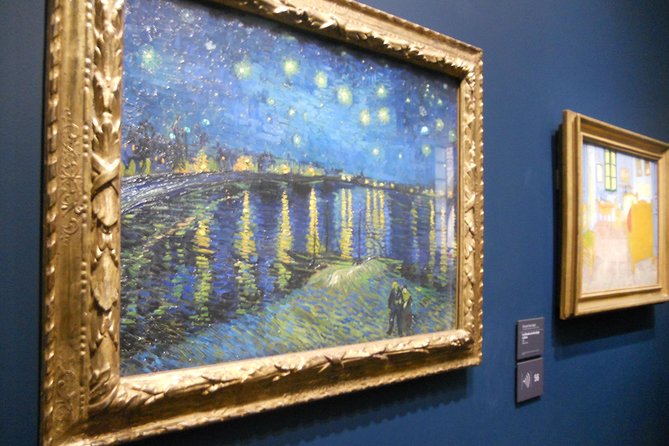
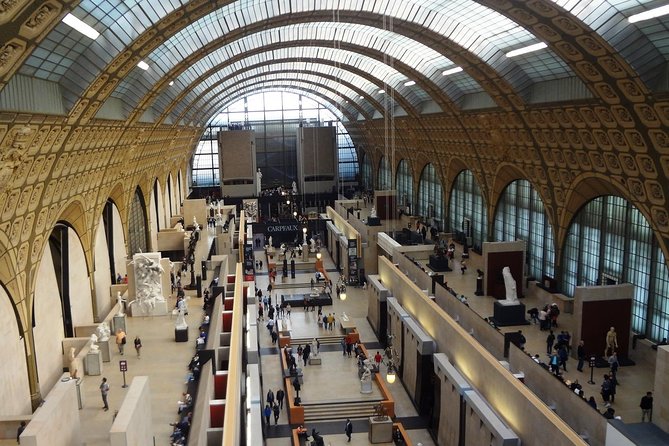
Musée d’Orsay is one of those Paris stops that can feel either magical or overwhelming, depending on how you approach it. With this tour, you get a structure that helps you understand what you’re seeing while you’re seeing it. Instead of treating Impressionism like a pile of pretty paintings, you get the thread that ties the artists and the time period together.
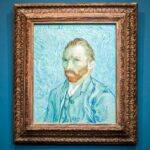
I especially like the focus on the museum’s best-known works. The tour route is built around big anchors like Van Gogh’s Self Portrait and Starry Night Over the Rhône, Manet’s Olympia and Luncheon on the Grass, Monet’s Houses of Parliament, and Gauguin’s Tahitian Women on the Beach. Those names matter because they represent shifts in style, subject, and technique that you’ll hear about as you move.
The other thing that makes this experience feel worthwhile is the human factor: the tour is led by an expert guide, and the best ones bring the art down to earth with clear explanations and strong pacing. In the feedback, guides such as Amelie, Antoine, Avi, Hugo, Laurence, Violet, Manuel, Carolina, and Isolde come up repeatedly for turning Impressionism into story rather than trivia. That matters because Orsay is full of details, and a guide helps you notice the right ones.
You can also read our reviews of more guided tours in Paris



The 2-hour pace: what you’ll see and what you may miss
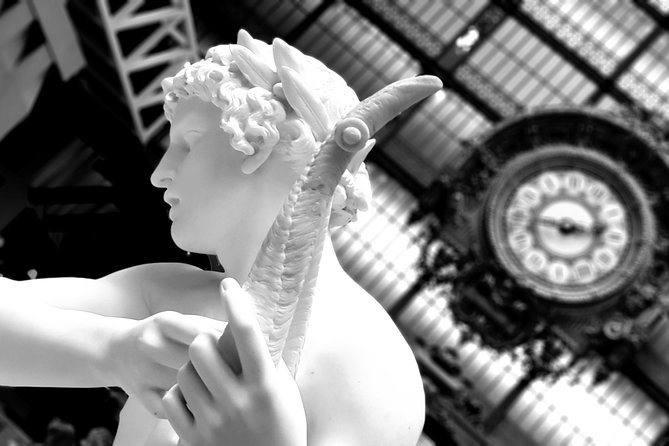
The tour runs about 2 hours, with admission included. In that time, you’re not trying to see every gallery corner. You’re doing something more practical: getting to the most impressive works and gallery highlights with an expert who keeps the route moving.
This is where the “highlights” part can be both a strength and a limitation. Strength, because you’ll leave with a clear picture of what defines Impressionism and how the movement evolved. Limitation, because you won’t slow down enough to read everything and study every brushstroke like you would on a solo museum day.
If you want the best of both worlds, plan a little time after the tour for closer looking. One common approach that works well is booking an earlier slot so you can continue at your own pace once the guided segment ends. Orsay is the kind of museum where a second pass can turn good viewing into great viewing.
Stop at Musée d’Orsay: how the guide turns paintings into context
This is a one-stop tour, centered entirely on Musée d’Orsay. The idea is simple: your guide helps you get meaning from what you see by placing it in the right art-historical context. And because the museum has a major concentration of Impressionist paintings, it’s a perfect setting for that approach.
As you move through the museum, expect a guided selection rather than a random walk. The tour highlights major works from several key artists. Cézanne is part of the mix, along with Gauguin and Monet, and you’ll also spend time on widely recognized pieces by Van Gogh and Manet. That lineup isn’t just famous-for-fame’s-sake. It helps you track the bigger story: how artists responded to modern life, how they handled light and color, and how they shifted away from older academic rules.
What you’ll get from a good guide in this room full of art
The difference between a guided visit and a self-guided one is usually two things: order and interpretation.
- Order: you’re led from one key idea to the next, so you’re not trying to connect the dots on the fly.
- Interpretation: the guide explains why a painting looks the way it does, and what was going on artistically (and sometimes culturally) when it was made.
In feedback, the strongest guides are described as using creative comparisons, connecting historical eras, and answering questions without brushing people off. That’s especially helpful in Orsay, where it’s easy to get stuck in “I like it” mode and never reach “I understand it” mode.
The artwork lineup: a practical way to experience the top names
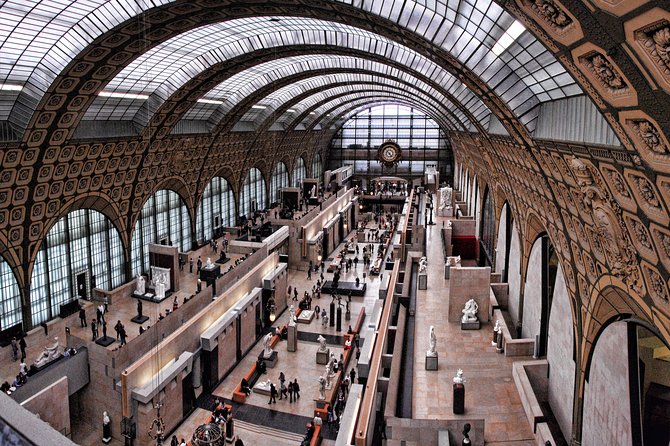
The tour’s painting list is built for first-time Orsay visitors, but it’s also useful if you’ve been before and want a sharper lens.
Here’s the kind of experience you can expect around the headline works named in the tour description:
- Van Gogh: You’ll see major works such as his Self Portrait and Starry Night Over the Rhône. The guide’s job is usually to frame what makes Van Gogh’s look distinctive, and how his style fits (and sometimes pushes against) the movement’s broader direction.
- Manet: Manet’s Olympia and Luncheon on the Grass come up because they mark major shifts in subject matter and modern realism. The explanations help you see them not only as images, but as deliberate choices.
- Monet: Monet is central for Impressionism, and you’ll connect that to a piece like Houses of Parliament. The guide helps you look at how modern scenery becomes a painting topic and how light and atmosphere shape the result.
- Gauguin: Gauguin’s Tahitian Women on the Beach is a strong pivot point for discussions about subject, style, and how artists imagined faraway worlds through their own lens.
This matters because Impressionism isn’t one uniform style. It’s more like a set of shared interests with individual methods. A guided highlights plan makes that variety feel manageable.





Guides and teaching styles: what the best ones do right
Even within the same museum and time window, the guide makes a huge difference. Based on the strongest mentions, here are the teaching traits that seem to land best:
- Chronological storytelling: Antoine is praised for presenting things in a clear historical order that’s easy to follow.
- Original approaches: Amelie is credited with connecting concepts and historical eras in a way that sticks.
- Humor and approachability: Avi and Manuel are repeatedly described as fun, engaging, and able to make complicated ideas feel simple.
- Q&A that doesn’t feel rushed: Hugo and Avi also come up for thoroughly answering questions and keeping the flow smooth.
- Personal tailoring: One standout note is that a guide can adjust the tour based on your interests, which makes a museum visit feel less generic.
This is the big practical point for you: if you’re nervous about art history, you’re in good shape. The tour format is designed so the guide carries the weight at the right moments. You just have to show up with comfortable shoes and a willingness to look closely.
Meeting point, walking pace, and crowd reality
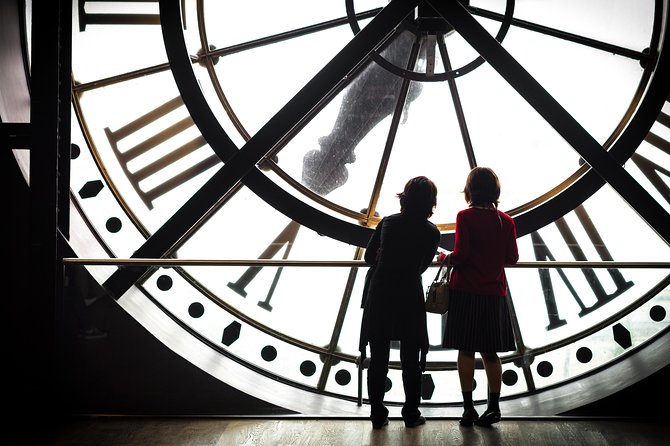
This is a walking tour. The pace is described as moderate, and most people can join, but you should still expect to move through the museum with the group. Also, there’s no hotel pickup or drop-off, so you’ll be using public transportation to get yourself to the meeting area.
The meeting point is listed as:
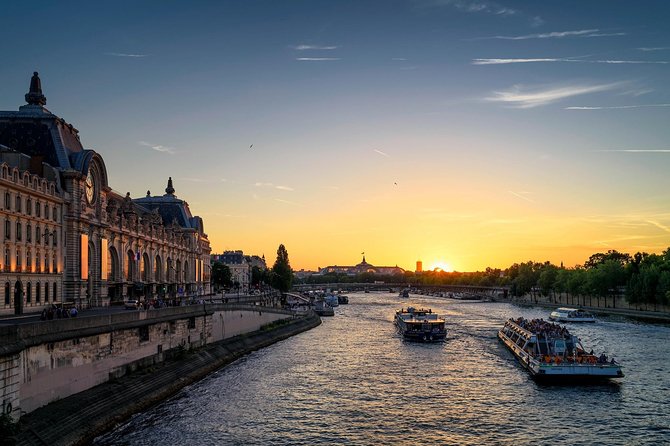
2 Rue de la Légion d’Honneur, 75007 Paris, France.
The tour ends back at the meeting point.
Why this matters: Orsay and its surroundings can be crowded, and the meeting area can be confusing if you arrive flustered. One thing I recommend is treating meeting time as real time, not flexible time. If you’re even slightly unsure, arrive a bit early so you can get oriented before the group begins.
Also keep an eye on operational changes. The museum is subject to closures due to strikes. If time allows, the tour team reaches out prior to your tour. For last-minute closures, updates may happen at the meeting point. Build a little patience into your day.
Price and value: what you’re really paying for
The price is $71.35 per person for an approximately 2-hour guided experience, and it includes your prebooked ticket admission to Musée d’Orsay.
So what’s the value?
You’re paying for two things that are hard to replicate on your own without planning:
- Admission secured in advance: when museums get busy, “I’ll just buy a ticket when I arrive” can turn into wasted time.
- A guide who helps you see the right stuff: Orsay’s top works are famous, but what makes them worth your time is the context. A good guide helps you get more meaning per minute.
That’s also why this tour tends to appeal to people who want a first-or-fast Orsay visit. One review notes that the online tickets were sold out, and using a guided option worked well for getting in. Even if you don’t run into sold-out tickets, the same time-saving logic applies.
As for whether it’s worth it for you: if you want an efficient, high-impact museum visit that teaches you something without turning it into a school lecture, this is a solid use of your Paris time.
Timing: how far ahead you should book
This tour is often booked about 47 days in advance on average. That suggests two things for you: slots can fill, and planning matters if you want a specific day and time.
If you’re traveling during peak season or you have only a short window in Paris, book sooner rather than later. If your schedule is flexible, you can compare times and pick one that gives you breathing room afterward, since the guided portion is about highlights.
Who this tour is best for (and who might skip it)
This tour is a good fit if:
- You want an English guide and prefer someone else to plan the art route.
- You’d like help understanding Impressionism while you’re inside the galleries.
- You value time savings through prebooked admission.
- You want a structured introduction to major artists like Van Gogh, Manet, Monet, Gauguin, and Cézanne.
You might consider another approach if:
- You want to wander slowly with no group pacing.
- You’re planning to spend a lot of time studying everything in depth.
- Meeting points and walking in crowds stress you out, especially if you’re arriving late or lost.
In other words: if you want maximum learning per hour, book. If you want museum freedom only, plan a self-guided visit instead.
Should you book the Paris Musée d’Orsay fully guided tour?
If your goal is to see the museum’s big Impressionist works and understand what you’re looking at, I think you’ll be happy with this format. You get prebooked admission, an English-speaking guide, and a focused route that keeps you moving toward the paintings that anchor the story of the era. The small group size (max 20) also helps keep the experience from feeling like a rushed cattle drive.
I’d only hesitate if you think you’ll need longer than 2 hours to enjoy Orsay properly, or if strikes could seriously disrupt your day. If you can build a little buffer and you like the idea of guided highlights, this is a smart way to do Orsay without wasting your precious Paris time.
FAQ
Where is the meeting point for this tour?
The meeting point is 2 Rue de la Légion d’Honneur, 75007 Paris, France.
How long is the Musée d’Orsay fully guided tour?
It lasts about 2 hours.
Is the Musée d’Orsay ticket included in the price?
Yes. Prebooked admission to the Musée d’Orsay is included.
Is the tour offered in English?
Yes, the tour is offered in English.
Is there hotel pickup or drop-off?
No. Hotel pickup and drop-off are not included.
Is this a walking tour, and how much walking should I expect?
It is a walking tour with a moderate pace, and most travelers can participate.
How big is the group?
The tour has a maximum of 20 travelers.
What if the Musée d’Orsay closes due to strikes?
The museum is subject to closures due to strikes. If time permits, the tour team will reach out before the tour. For last-minute closures, cancellations may be communicated at the meeting point.
What is the cancellation policy?
You can cancel up to 24 hours in advance for a full refund. If you cancel less than 24 hours before the start time, you won’t receive a refund.