REVIEW · PARIS
All about meringue: a pastry & culinary arts workshop in Paris
Book on Viator →Operated by iN ARTS · Bookable on Viator
The star here is meringue in three styles: French, Swiss, and Italian. In about three hours, you make Pavlova, lemon meringue pie, and small meringues, then learn how creams and careful assembly turn a simple egg-white mixture into finished French desserts.
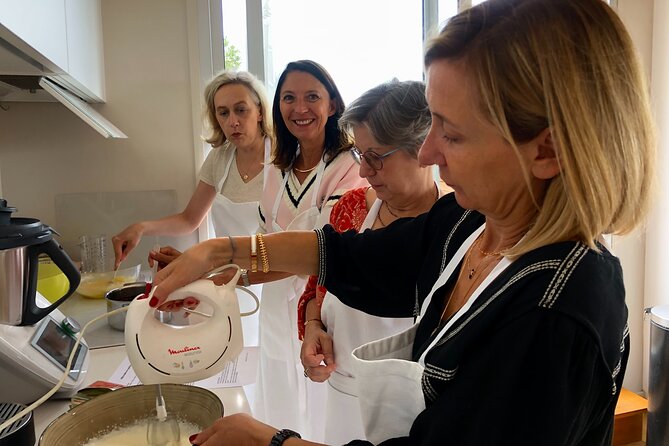
I like the small maximum of eight people, which gives the chef time to watch your technique. I also like the mix of hands-on pastry work and food culture, including the history of Pavlova and stories about how French pastry changed over time. The main consideration is focus: this is a specialized workshop, so it suits you best if meringue and pastry interest you more than a broad French cooking class.
In This Review
- Key points at a glance
- Why meringue makes a good Paris workshop
- A three-hour afternoon with a clear plan
- French meringue, Swiss meringue, and Italian meringue
- Building a Pavlova from crisp meringue
- Lemon meringue pie and the role of sharp flavor
- Meringuettes for small, crisp results
- Pastry stories with Evelyne
- What the small group changes
- Value, timing, and practical details
- Who should book this Paris pastry class
- Should you book it?
- FAQ
- How long does the meringue workshop last?
- What time does the activity begin?
- Where does the workshop start and finish?
- Is the workshop offered in English?
- How many people can join the class?
- What desserts will I make?
Key points at a glance
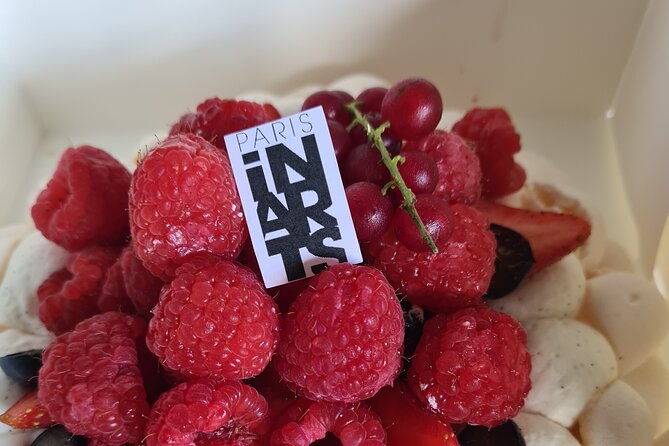
- Three meringue methods: Compare French, Swiss, and Italian meringue rather than learning only one basic recipe.
- Three finished desserts: Make Pavlova, lemon meringue pie, and meringuettes during the session.
- Creams and assembly: Practice lemon cream, whipped cream, and the steps that bring each dessert together.
- A small class: The group is limited to eight people, allowing for personal guidance.
- Paris pastry culture: Learn about Pavlova and major trends in French pastry through cultural anecdotes.
- Useful timing: The workshop begins at 3:00 pm, lasts about three hours, and ends where it starts.
Why meringue makes a good Paris workshop
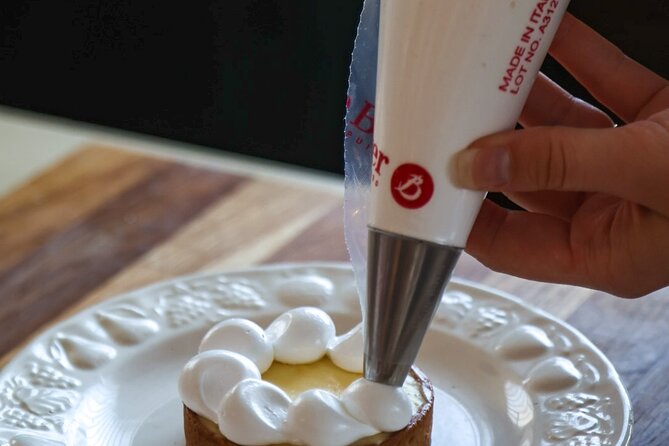
Meringue looks simple. Egg whites, sugar, and heat. Yet the results can be crisp, soft, chewy, airy, or creamy, depending on the method and how you handle the mixture. That makes it a smart subject for a practical class. You can see the differences in one afternoon instead of trying to remember separate lessons from several recipes.
This workshop covers the three classic approaches. French meringue is generally the most familiar style, while Swiss and Italian versions introduce different preparation methods and textures. The supplied information does not give a full technical recipe or baking schedule, so you should not book this expecting a printed masterclass in professional pastry science. You can expect guided practice and clear explanations, with the chef helping you understand how each style fits the dessert.
I like this format because the lesson has a clear thread. You are not making three unrelated sweets. You are studying one pastry family, then seeing how that family behaves in different forms.
The class is led with help from Evelyne, whose role includes the cultural stories and hospitality, while an experienced pastry chef guides the practical work. One of the strongest points for me is this pairing. You get more than a recipe demonstration, but you also avoid a lecture that leaves you standing around with nothing to do.
A few more Paris tours and experiences worth a look


A three-hour afternoon with a clear plan
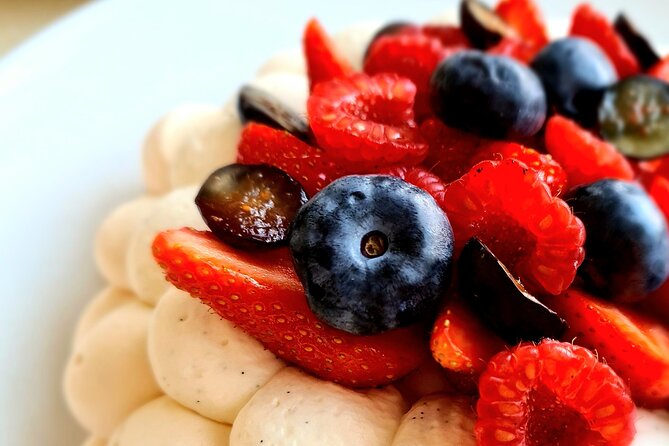
The workshop starts at 3:00 pm in Paris and runs for approximately three hours. That timing works well with a morning museum visit or a long Paris lunch. It also leaves the evening open, though you should allow a little extra time if the class runs close to its stated duration.
The activity begins and ends at the same meeting point. The location is in Paris and near public transportation, but the supplied details do not provide a street address. Check the exact meeting instructions after booking and allow enough time to reach the starting point. A mobile ticket is accepted, and the class is offered in English.
The maximum of eight people matters. Pastry work can become frustrating when a teacher has to divide attention among a large crowd. In this small format, you have a better chance of getting an explanation when a texture looks wrong, a cream needs adjusting, or an assembly step feels unclear.
There is still an important limit. A small class does not mean private instruction. You are sharing the kitchen and the chef with other participants. If you want a one-to-one pastry lesson, this is not advertised as that.
French meringue, Swiss meringue, and Italian meringue
The most useful part of the class is the comparison. French, Swiss, and Italian meringue are often grouped together on a recipe page, but they are not interchangeable in practice. They use different techniques and produce different results.
You will work with all three during the workshop. That gives you a way to connect method, texture, and final use. The teacher can show you why one mixture works well for a baked shell, why another may hold its shape differently, and how each behaves when paired with cream or lemon.
The available information does not list exact temperatures, ingredient quantities, or equipment. That is worth noting if you want to repeat every detail at home. Still, the class has value beyond taking home a recipe. You are learning the visual and physical cues of pastry, which are hard to pick up from a cookbook alone.
I would pay close attention to the chef’s advice during this section. The practical guidance has been praised for being clear and useful, and that is exactly what you need with meringue. Small changes in mixing, sugar, or handling can affect the result. Ask questions as you work, rather than waiting until the end.
Building a Pavlova from crisp meringue
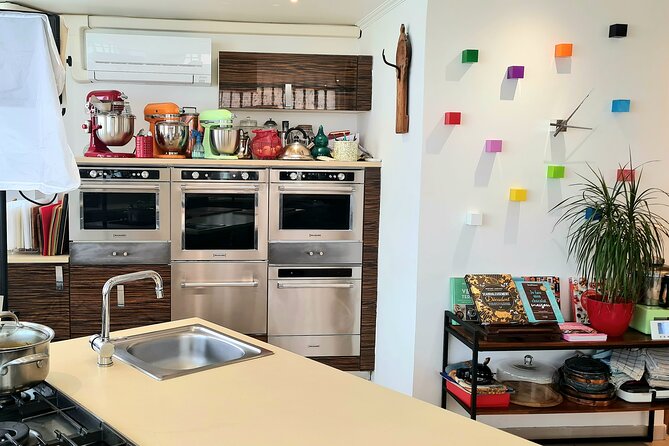
Pavlova is one of the workshop’s featured desserts. Its appeal comes from contrast: a meringue base with a crisp exterior, a softer center, cream, and fruit or another topping in the finished assembly. The listed workshop details confirm whipped cream as one of the accompanying preparations, though they do not specify the fruit or final decoration.
You will learn the story of Pavlova as part of the cultural side of the class. That is a nice touch. Food names often travel far from their original setting, and Pavlova gives the teacher a chance to show how a dessert can carry a cultural story as well as a recipe.
The assembly is especially useful for home cooks. Baking the meringue is only part of the job. You also need to handle the cream, place the components in a way that looks intentional, and understand when the textures work together. The lesson includes these assemblies, so you are not left with a tray of plain meringue and no idea what comes next.
Pavlova can also be the most visually rewarding dessert of the day. It gives you a finished centerpiece rather than only small practice pieces. On the other hand, delicate meringue does not reward rough handling, so expect the class to value care over speed.
Lemon meringue pie and the role of sharp flavor
Lemon meringue pie brings a different balance. The sweetness of the meringue needs the sharpness of lemon, and the success of the dessert depends on how the filling, base, and topping work together. The workshop includes lemon cream and the assembly process, making this more than a session on piping decorative peaks.
This is where the class becomes useful for anyone who finds meringue too sweet on its own. Lemon gives the lesson a clear study in contrast. You can see how the same broad pastry idea changes when paired with acidity and a creamy filling.
The available details do not confirm whether you make the pastry crust from scratch or how the pie is finished. I would keep that in mind. The title and sample menu promise lemon meringue pie, but not every technical stage is spelled out in advance.
Still, the dish adds variety to the afternoon. Pavlova focuses on a soft and crisp meringue arrangement, while lemon pie asks you to think about layers and balance. That makes the menu feel purposeful rather than repetitive.






Meringuettes for small, crisp results
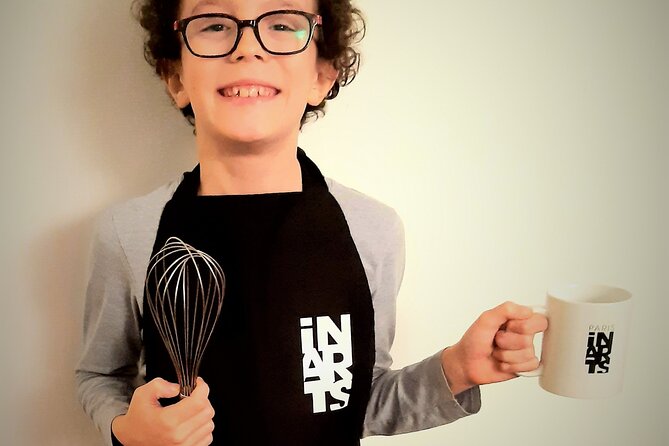
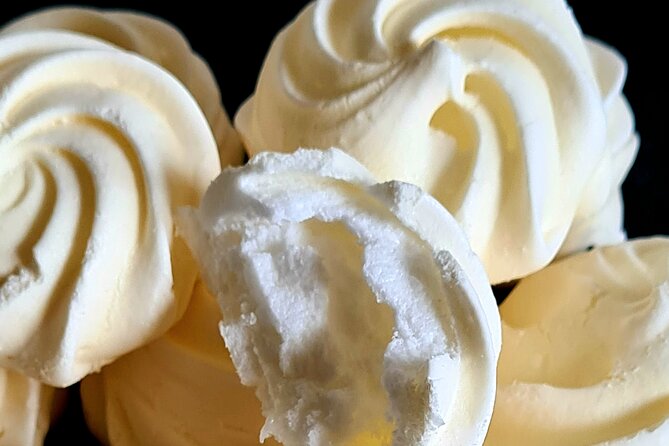
Meringuettes are the smallest item on the menu and likely the simplest way to compare shape, texture, and finish. The term refers to small meringues, but the supplied details do not specify their flavor, size, piping pattern, or decoration.
That lack of detail is not a serious problem, but it means you should treat them as part of the practice rather than expect a separate elaborate dessert course. Small pieces are useful because they let you focus on the mixture itself. You can watch how it pipes, how it holds a shape, and how baking changes it.
They may also be the easiest item to recreate at home. A full Pavlova or lemon meringue pie can require more planning, while small meringues offer a simpler project. Take notes on the method and ask which of the three styles is being used for each preparation.
Pastry stories with Evelyne
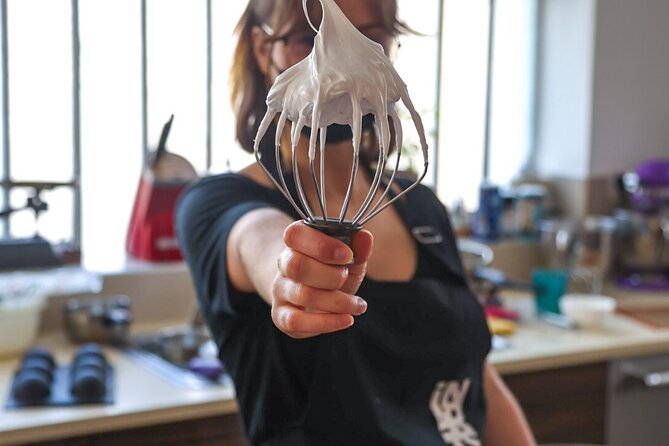
The cultural side is one of the reasons this class feels different from a standard baking lesson. Evelyne shares anecdotes about meringue, the history of Pavlova, and the larger story of French pastry. The workshop also discusses major pastry trends that have moved through the ages.
That material gives context to what you are making. You are not just learning how to pipe sugar and egg whites. You are hearing how desserts develop, change, and gain meaning as techniques and tastes move across time and cultures.
I would not expect a formal academic history seminar. This is a pastry workshop first, with cultural explanation woven into the practical work. That balance suits a three-hour activity. You keep your hands busy, but you also leave with a better sense of how French pastry fits into culinary tradition.
The setting is described as friendly and relaxed, which matters in a hands-on class. Pastry can make people nervous, especially when a recipe depends on texture. A calm teacher who gives direct advice can make the difference between a useful mistake and a discouraging one.
What the small group changes
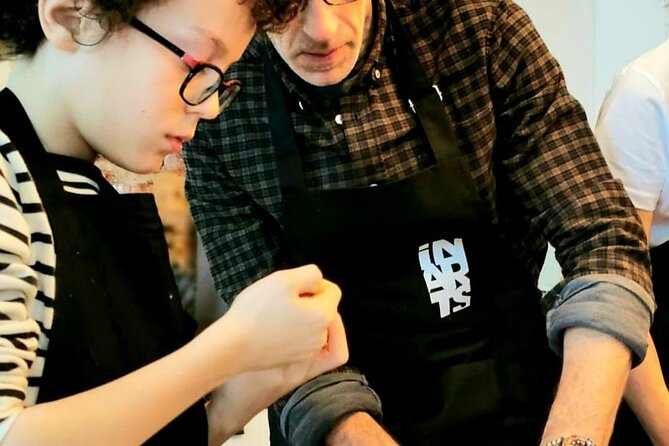
With no more than eight participants, you should receive more attention than in a large demonstration. The chef can respond to individual questions, and you can follow the work closely while preparing the desserts.
The small size also creates a social element. The class is built around sharing techniques, tasting ideas, and working alongside other people who have chosen a very specific subject. That can be a better fit than a rushed tourist activity where the cooking is mostly for show.
At the same time, group workshops move at a shared pace. You may need to wait while another step is explained, and you will not control every part of the schedule. If you are already an advanced pastry cook, some of the material may feel familiar. The strongest value is for beginners and enthusiastic home bakers who want guidance, context, and a relaxed afternoon.
The English-language format is another practical advantage for many visitors. The information confirms that the activity is offered in English, but it does not say whether every printed recipe or handout is also in English. Ask the provider if written materials matter to you.
Value, timing, and practical details
No tour price is provided here, so I cannot judge the exact cost against other Paris classes. I would measure the value by what is included in the three hours: instruction on three meringue styles, three desserts, cream preparation, assembly, and cultural discussion in a group capped at eight.
That is a stronger package than a class that only demonstrates one cake. The lesson also gives you a theme you can remember. Once you understand how the methods differ, you can apply the idea to other meringue recipes.
The class begins at 3:00 pm, lasts about three hours, and returns to the starting point. It is near public transportation, which helps, though the exact meeting address should be checked before you set out. Confirmation arrives within 48 hours of booking, subject to availability, so do not leave this reservation until the last minute if your Paris dates are fixed.
Free cancellation is available if you cancel at least 24 hours before the local start time. Inside that window, the payment is not refunded, and late changes are not accepted. Set a reminder if your plans in Paris are still shifting.
Who should book this Paris pastry class
I would recommend this workshop to you if you enjoy food with a story. It is especially well suited to:
- Home bakers who want to understand meringue beyond a single recipe
- Couples or friends looking for a relaxed afternoon activity
- Visitors who prefer a small group to a large cooking demonstration
- Dessert fans curious about Pavlova, lemon meringue pie, and French pastry traditions
- Beginners who value clear instruction and practical help
It may be less suitable if you want a broad tour of French cuisine. The subject is narrow by design. You will spend the afternoon with meringue, creams, and dessert assembly, not bread, sauces, cheese, or savory dishes.
It may also disappoint you if you expect a full professional pastry qualification or a highly technical recipe manual. The strongest promise is a friendly, guided workshop with cultural context, not an advanced examination of pastry chemistry.
Should you book it?
Book this if the idea of making three kinds of meringue sounds more appealing than simply eating another Paris dessert. The small group, English instruction, practical chef guidance, and stories from Evelyne give the afternoon a personal feel.
I especially like the way the class connects technique to finished desserts. Pavlova, lemon meringue pie, and meringuettes let you see the same core ingredient in different forms. Just confirm the meeting address and any written recipe details before you go, and remember that the subject is focused.
For a dessert lover, this is a thoughtful Paris activity rather than a quick photo stop. For a visitor who wants a wide-ranging cooking class, choose something broader.
FAQ
How long does the meringue workshop last?
The workshop lasts approximately three hours.
What time does the activity begin?
The workshop begins at 3:00 pm local time.
Where does the workshop start and finish?
It starts in Paris, France, and ends back at the same meeting point.
Is the workshop offered in English?
Yes. The activity is offered in English.
How many people can join the class?
The maximum group size is eight participants.
What desserts will I make?
The sample menu includes Pavlova, lemon meringue pie, and meringuettes. You will also work with French, Swiss, and Italian meringue, along with lemon cream and whipped cream.