REVIEW · CHATEAU THIERRY
Château-Thierry: Belleau Wood & the 2nd Battle of the Marne
Book on GetYourGuide →Operated by Historical Consulting Tourism & Patrimony · Bookable on GetYourGuide
Belleau Wood is not one tidy battlefield behind a gate. The fighting spread through villages, wheat fields, farms, woods, hills, and cemeteries around Château-Thierry. This private tour with Frederic, a former French army colonel, gives you the battlefield map in real places, from the Marine attack at Bouresches to the foxholes still cut into Belleau Wood.
I like the way the day connects military action with ordinary French villages, and I like the careful attention given to Marine history, especially at the 2nd Division monument and Aisne-Marne American Cemetery. The main drawback is the pace: seven hours of stops, walking, and military detail will suit a serious World War I student far better than a casual sightseer.
In This Review
- Key points at a glance
- Why Belleau Wood needs a guide
- Lucy-le-Bocage and the 2nd Division monument
- Bouresches and the Marine attack
- Walking the foxholes and trenches of Belleau Wood
- Belleau village and Aisne-Marne American Cemetery
- The German Cemetery and the view across the battlefield
- Hill 204 and the military view
- Croix Rouge Farm and the sacrifice of the 167th Infantry
- Joyce Kilmer and Quentin Roosevelt
- What the $759 private price includes
- Who should book this battlefield day
- Should you book it?
- FAQ
- How long does the Belleau Wood tour last?
- Where does the tour take place?
- Is this a private tour?
- How many people can join for the listed price?
- What languages does the guide speak?
- Who leads the tour?
- Is transportation included?
- Is food included?
- Can children join the tour?
- Is the tour wheelchair accessible?
- Can I cancel for a full refund?
- Can I reserve now and pay later?
Key points at a glance
- Walk through actual Belleau Wood remains: See foxholes and trenches rather than only reading about the battle in a museum.
- Follow the Marines through Lucy-le-Bocage and Bouresches: The villages help you understand how close the fighting was to homes and streets.
- Visit Aisne-Marne American Cemetery: See Lieutenant Osborne’s grave, the chapel, and the wall listing missing American service members.
- Read the battlefield from high ground: Hill 204 and the German Cemetery provide wide views that explain the area’s military value.
- Connect individual stories to larger attacks: Learn about Captain Duncan, Lieutenant Osborne, the 167th Infantry Regiment, Joyce Kilmer, and Quentin Roosevelt.
- Travel privately for $759 per group of up to four: With transportation and water included, the price makes the most sense for a small group sharing the cost.
Why Belleau Wood needs a guide
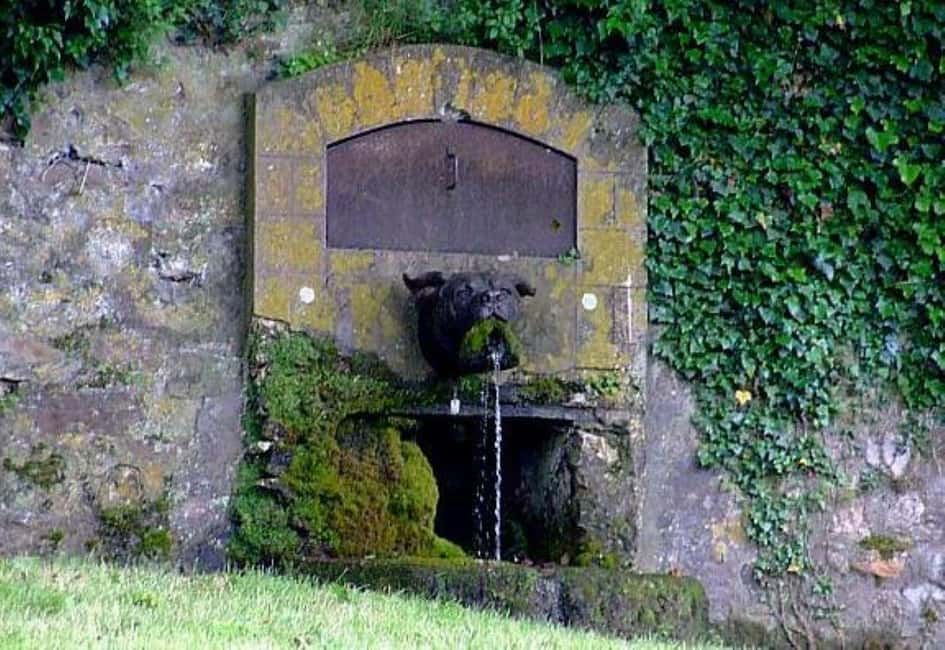
If you arrive at Belleau Wood expecting a single famous clearing, you may be puzzled. The battle is spread across several locations, and much of its meaning comes from seeing how the villages, farms, woods, and high points fit together.
That is the strongest reason to book this tour. Frederic has led the visit for years and brings a former French military officer’s understanding to the ground. You are not simply driven from one memorial to the next. You are shown how the battle moved through the area and why each position mattered.
The tour focuses on the Second Battle of the Marne and the fighting around Château-Thierry in 1918. It is especially well suited to American military families, Marines, veterans, and anyone researching a relative who served in the area. One couple used the visit to follow the story of a great-grandfather who served with the 2nd Battalion, 5th Marines and survived the fighting. That kind of personal connection can make the day especially powerful.
You should still prepare a little before arriving. The battle involved several units and repeated attacks, and the names can blur together. Even a basic look at the 2nd Division, Marine units, 42nd Division, and 167th Infantry Regiment will help you get more from Frederic’s explanations.
Lucy-le-Bocage and the 2nd Division monument
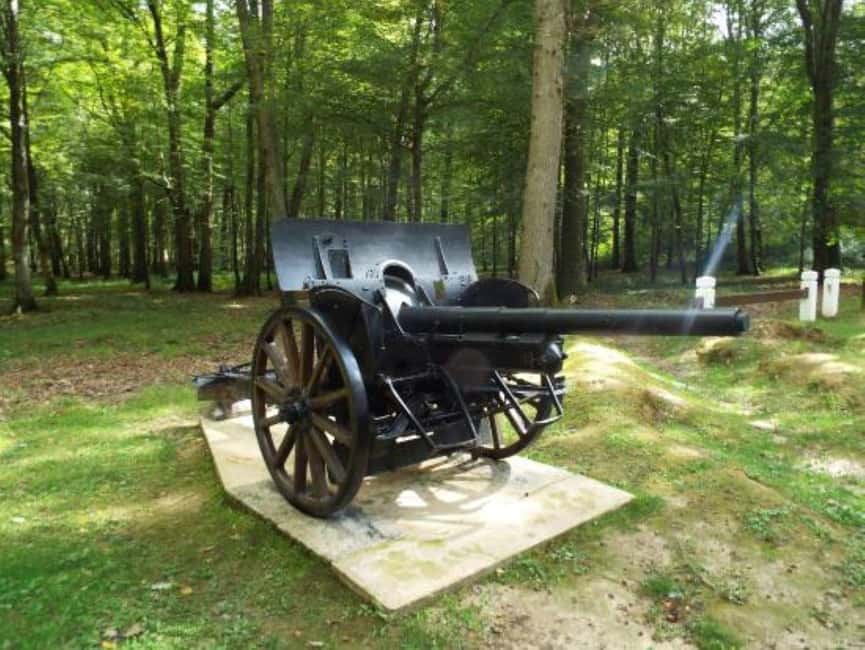
The tour begins in the center of Lucy-le-Bocage, where you see the monument to the 2nd Division. This is a useful opening stop because it places you among the villages that witnessed the advance, rather than starting with an isolated memorial.
You walk across the village and see the area associated with the 6th Marine Regiment. That simple walk matters. It gives scale to the story and helps you picture the movement of troops through a lived-in French community.
I like this early stop because it sets the tone for the rest of the day. The tour is not only about heroic names carved in stone. It is also about roads, houses, fields, and village centers that became part of a major battle.
The walk does mean you should wear sturdy shoes and expect time on uneven ground later in the day. The experience is not designed for wheelchair users, and children under 11 are not permitted. Those limits make sense for a tour that includes woods, old battlefield remains, and several cemetery and monument walks.
Bouresches and the Marine attack
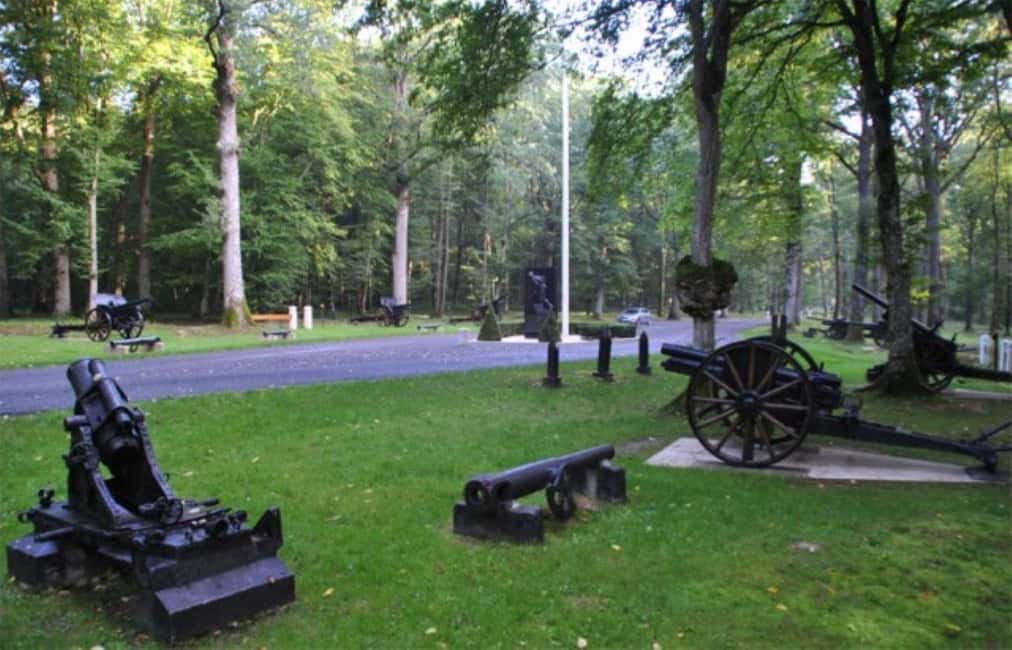
At Bouresches, Frederic explains the Marine attack on the village and the action associated with Captain Duncan. This is one of the stops where the tour turns military history into a physical story. You see the village itself and learn how the Marines fought to take and hold it.
Lieutenant Osborne of the United States Navy is another important figure connected to this part of the visit. He received the Medal of Honor and is buried at Aisne-Marne American Cemetery, which you visit later in the day. Linking his action to his grave gives the story a human focus.
This part of the route is particularly strong for Marine families. The battle has a central place in Marine Corps memory, and the tour treats that memory with respect without reducing the day to slogans. A former Marine described the small details of Marine history as one of the most valuable parts of the visit.
If your interest is mainly general French sightseeing, Bouresches may feel quiet and understated. There is no grand attraction at every stop. The value comes from explanation and setting, so this is a poor choice if you want a quick photo tour with little discussion.
Walking the foxholes and trenches of Belleau Wood
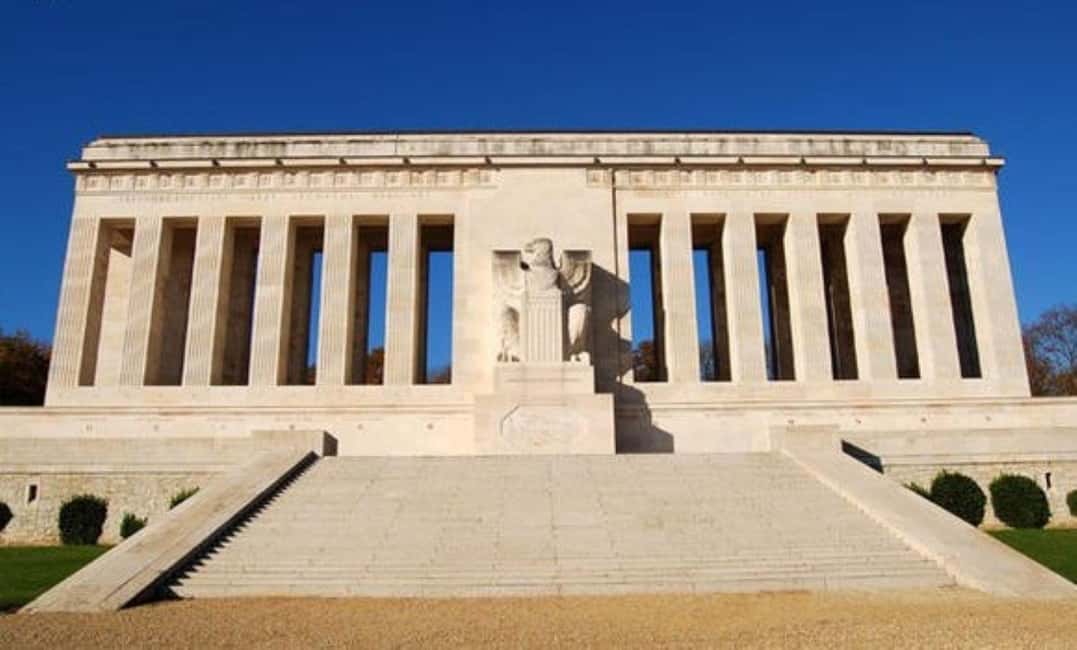
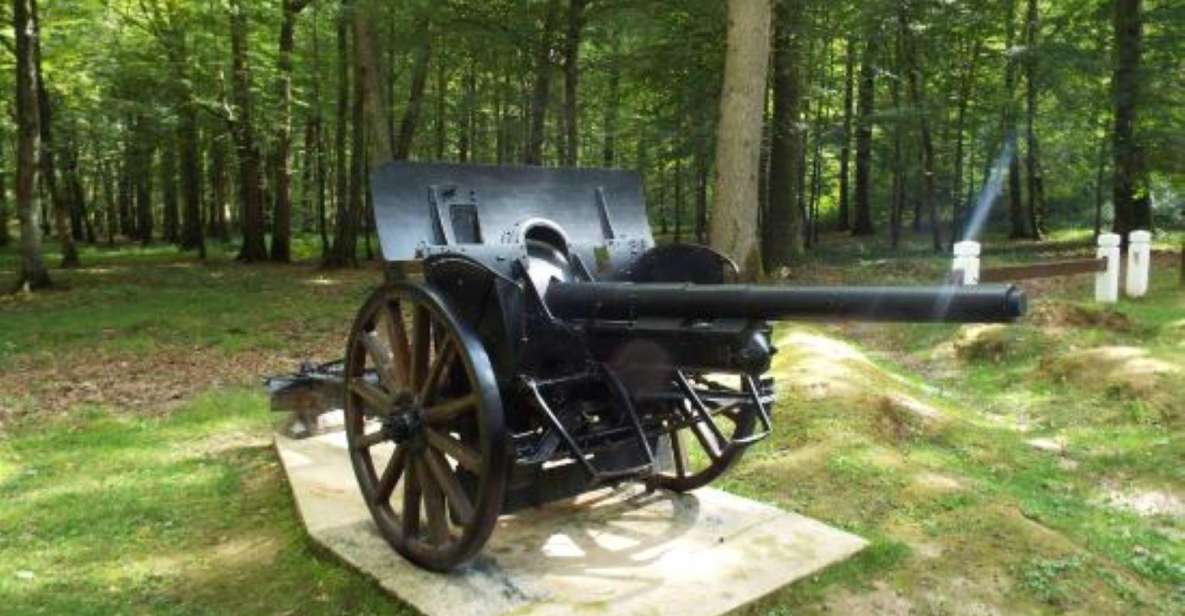
The walk in Belleau Wood is the emotional center of the experience. Here you see remains of the fighting, including foxholes and trenches. These are not polished exhibits. They are physical traces in the ground, and their roughness helps you understand how difficult it was to fight through the wood.
You should expect this section to be more demanding than a paved memorial visit. The tour information does not give a precise walking distance or surface condition, so plan for uneven woodland footing and dress for outdoor conditions. Comfortable shoes are essential.
The woods also reward patience. The remains may not look dramatic at first glance, especially if you do not already know what you are seeing. This is where Frederic’s guidance earns its keep. He can point out the type of battlefield feature in front of you and relate it to the wider action around the nearby villages and farms.
One especially useful detail from the experience is the chance to walk in the wheat field associated with the offensive. That connection between open farmland and the woods gives the battle a clearer shape. You begin to see why an advance across a field was so exposed and why control of wooded areas mattered.
Belleau village and Aisne-Marne American Cemetery
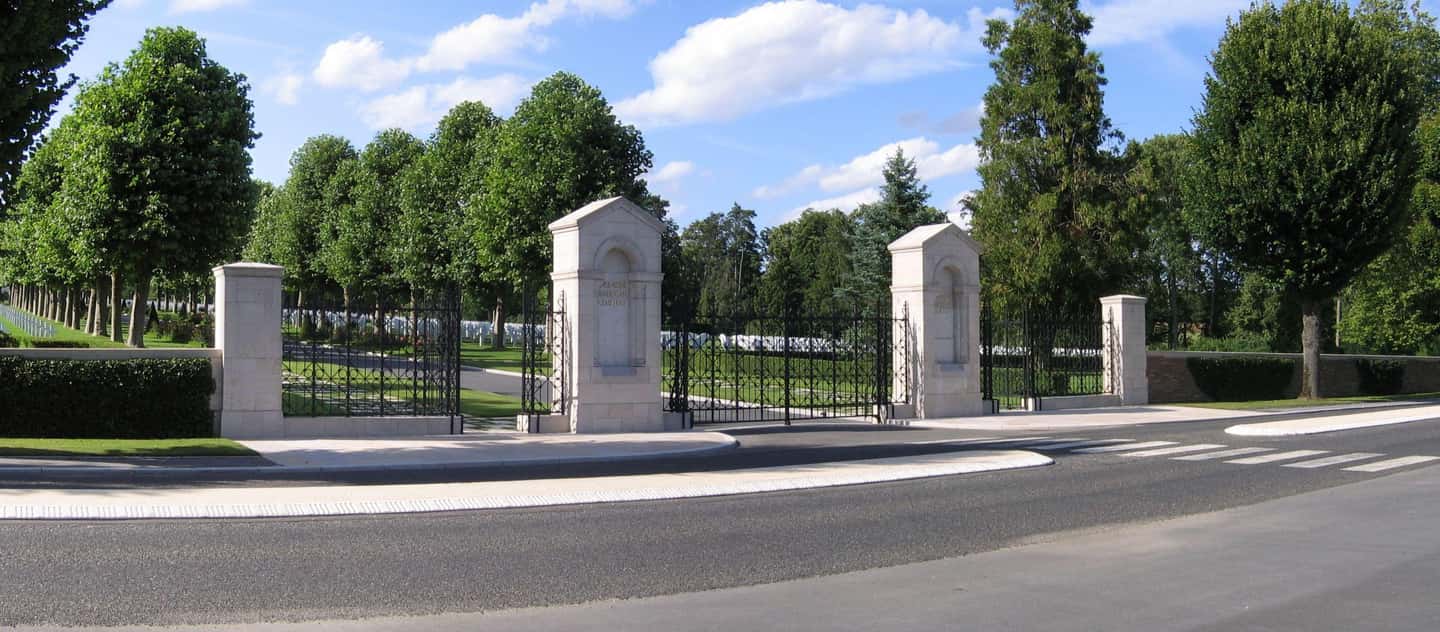
The visit to Belleau village leads into one of the most moving stops, Aisne-Marne American Cemetery. Here you can visit Lieutenant Osborne’s grave and enter the chapel. The wall records the names of Marines and soldiers who are missing, giving the cemetery a solemn sense of scale.
Cemeteries can be difficult places to visit quickly. You need time to read, look around, and let the names register. The tour includes a specific grave, but it also gives you room to understand that one person’s story sits within a much larger loss.
The chapel and memorial wall are valuable for visitors who want more than battlefield terrain. They create a direct link between the fighting and the people who never returned. If you are tracing a family member, bring the name and unit details with you, though the supplied tour information does not promise genealogical research or a dedicated family-history service.
The cemetery visit also balances the more tactical parts of the day. After hearing about attacks and positions, you are reminded of the human cost. I would not rush this stop, even though the itinerary continues to several other sites.
The German Cemetery and the view across the battlefield
A stop at the German Cemetery adds an important second perspective. The tour does not present the battlefield only through the American and Marine story. Here you can see the German side of the conflict and look across the area from a panoramic viewpoint.
That view is useful because the fighting around Château-Thierry can be hard to understand at ground level. Villages and woods may seem disconnected when you visit them one by one. From higher ground, the relationship between positions becomes clearer.
The German Cemetery may also feel quieter and less familiar to American visitors than Aisne-Marne. That contrast is part of its value. It encourages you to think about the battle as a clash involving soldiers on both sides, rather than as a series of isolated American achievements.
The tour gives you interpretation, but do not expect a large museum experience at every stop. Much of the day is outdoors, with meaning supplied by the guide, the monuments, and the terrain.
Hill 204 and the military view
Hill 204 is one of the best places to understand strategy. The monument and panorama show why this high point mattered to both German and Allied forces. From here, you can look over the battlefield and see why control of elevation influenced movement and observation.
This stop is especially helpful if you find military maps confusing. A map uses symbols and arrows, while a viewpoint lets you see the actual distances and sightlines. Frederic can connect what you see with the attacks already discussed at the villages and wood.
The interpretive center adds another layer to the stop. It gives you a place to organize the day’s information and consider how the fighting developed across the region.
Hill 204 also breaks up the cemetery and village visits. The day has a steady rhythm: walk, look, listen, and then move by vehicle to another position. Private transportation helps here because you are not trying to navigate several rural sites on your own.
Croix Rouge Farm and the sacrifice of the 167th Infantry
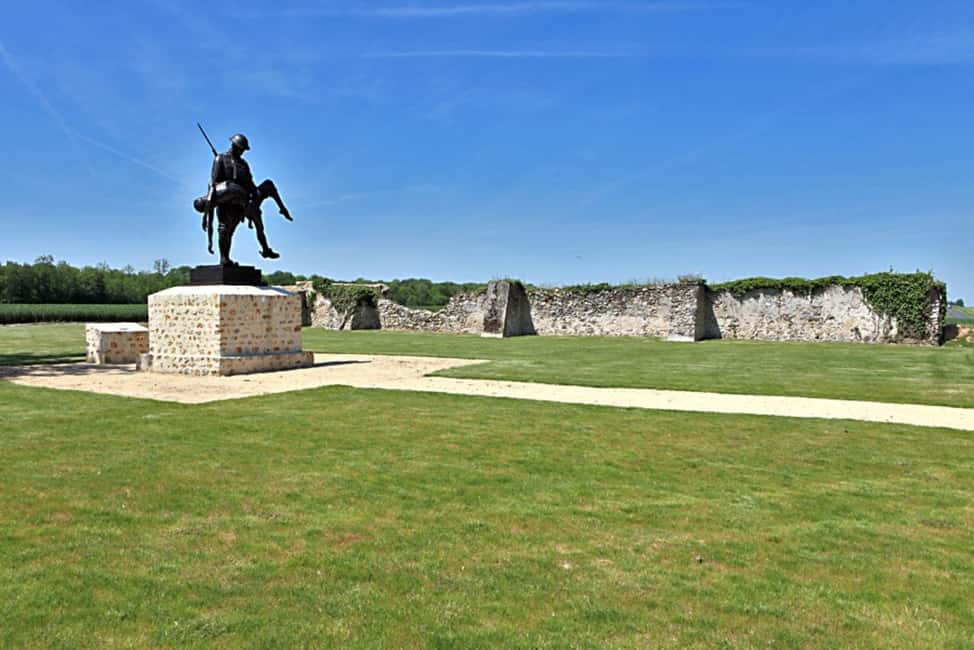
At Croix Rouge Farm, you see remains of a fortified position occupied by the Germans. The stop focuses on the action involving the 42nd Division and the attack by the 167th Infantry Regiment from Alabama.
The farm’s remains show how a seemingly ordinary rural site could become a defensive stronghold. The monument nearby honors the men who died in the attack, including the heavy losses suffered by the regiment.
This is one of the tour’s most useful corrections to a simplified battle story. Belleau Wood often receives the greatest attention because of its Marine connection, but the fighting in the wider area involved other American formations and costly assaults. Croix Rouge Farm brings those units into the picture.
I also like the geographical variety here. You have already seen villages, woods, hills, and cemeteries. The fortified farm adds another setting and makes clear that the battle was fought across a patchwork of positions, not in one famous wood alone.
Joyce Kilmer and Quentin Roosevelt
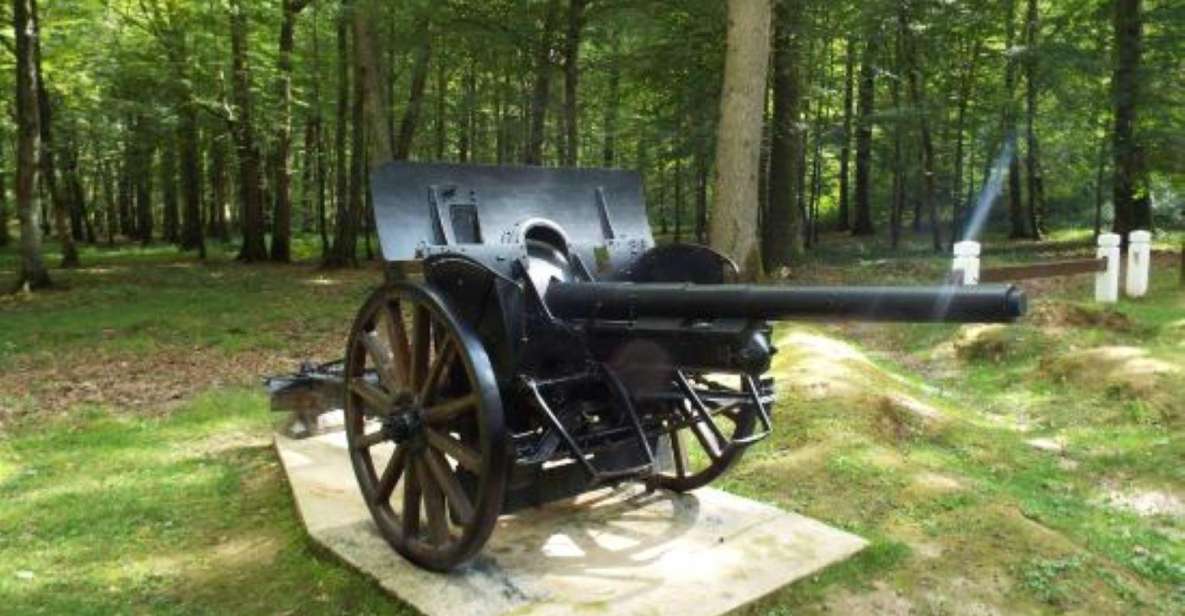
The tour continues to Oise Aisne American Cemetery, where you stop at the grave of Joyce Kilmer. Kilmer was a poet who served with the 165th Infantry Regiment of the 42nd Division and was killed in action on July 30, 1918.
His grave adds a cultural and personal dimension to the military story. You are reminded that soldiers arrived with many different lives and talents behind them. A stop at one grave cannot explain the whole war, but it gives the broader history a recognizable face.
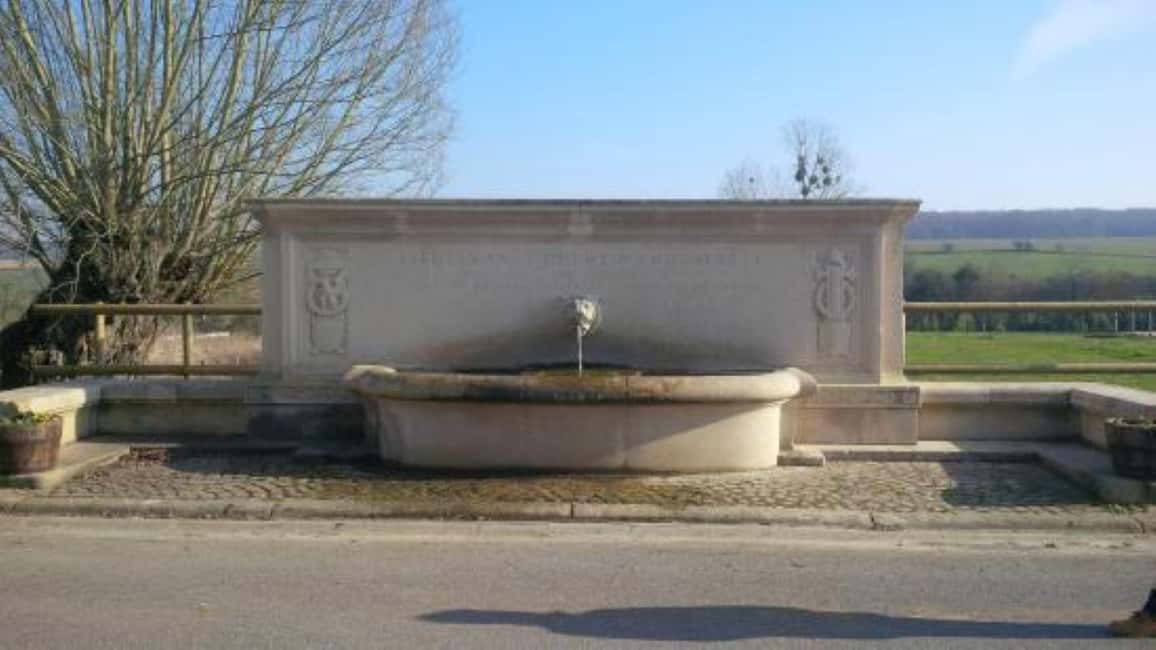
The final stop is the Quentin Roosevelt Fountain in the village. The Roosevelt family offered the fountain in memory of their son. It is a small but meaningful ending, shifting the focus from battlefield action to remembrance and the relationship between American families and French communities.
Ending at a village fountain rather than another battlefield position gives the day a gentler close. After trenches, cemeteries, and fortified farms, the fountain shows how memory can become part of daily village life.
What the $759 private price includes
The cost is $759 for a private group of up to four people. At full capacity, that works out to about $190 per person, which is a fairer comparison than treating it as a solo tour price.
Your fee includes an English or French-speaking guide, private transportation, and bottled water in the vehicle. It does not include food, drinks beyond the supplied water, snacks, or personal expenses.
For a small group with a strong interest in World War I, the price can make good sense. You are covering a full seven-hour day, private driving between scattered sites, and a guide with specialist knowledge of the battlefield. You also avoid the problem of trying to piece together Belleau Wood independently, where the sites are spread out and the context is easy to miss.
The value drops if only one person books, or if you want a broad sightseeing day with only a little military history. This tour is focused. You are paying for depth, private transport, and interpretation rather than a general tour of the Champagne region.
Food is not included, so plan for that when checking the start time. The supplied details do not specify a meal stop, so bring snacks if you need them, while remembering that personal food and drinks are your responsibility.
Who should book this battlefield day
I would recommend this experience to:
- Marines, veterans, and military families
- People researching a relative connected to Belleau Wood or the 2nd Division
- World War I enthusiasts who want to see terrain rather than only read about it
- Visitors who prefer a private group and direct access to a specialist guide
- Adults comfortable with several outdoor walks and a full seven-hour schedule
I would not choose it for children under 11, wheelchair users, or anyone looking for a relaxed half-day outing. The subject is serious, the route is long, and the woods and battlefield remains call for practical footwear.
The guide’s military background is a major reason to book this particular experience. Frederic is repeatedly praised for his timing, humor, flexibility, and respect for the site. That combination matters here. A battlefield guide must explain difficult events clearly while allowing the place to retain its dignity.
The tour is available in English or French. It is a private group, so you can ask questions and focus on the units, people, or locations that matter most to you. The exact starting times depend on availability.
Should you book it?
Book this tour if Belleau Wood is the main reason you are coming to the area, or if you want to understand the 1918 fighting through its villages, farms, woods, and memorials. The strongest parts are the field interpretation, the Marine connection, the cemetery visits, and the high views from Hill 204 and the German Cemetery.
You may prefer another outing if your group has little interest in military history or if seven hours of walking and discussion sounds heavy. But for a Marine family, a World War I student, or anyone following a relative’s service, private time with Frederic offers something difficult to recreate alone: a clear route through a complicated battlefield, presented with respect and practical context.
Free cancellation is available up to 24 hours before the start for a full refund, and you can reserve now while paying later. Those flexible terms help when your Château-Thierry plans are still taking shape.
FAQ
How long does the Belleau Wood tour last?
The tour lasts seven hours.
Where does the tour take place?
It takes place around Château-Thierry in the Hauts-de-France region of France, including Belleau Wood and nearby villages, cemeteries, farms, and memorial sites.
Is this a private tour?
Yes. The experience is for a private group.
How many people can join for the listed price?
The price of $759 covers a group of up to four people.
What languages does the guide speak?
The guide can conduct the tour in English or French.
Who leads the tour?
The guide is Frederic, also written as Frederick in some booking information. He is a former French army colonel and has specialist experience with the Belleau Wood battlefield.
Is transportation included?
Yes. Private transportation is included, along with bottles of water in the vehicle.
Is food included?
No. Food, drinks other than the supplied water, snacks, and personal expenses are not included.
Can children join the tour?
Children under 11 are not permitted to participate.
Is the tour wheelchair accessible?
No. The experience is not suitable for wheelchair users.
Can I cancel for a full refund?
Yes. You can cancel up to 24 hours in advance for a full refund.
Can I reserve now and pay later?
Yes. The reserve now and pay later option lets you hold your plans without paying at the time of booking.