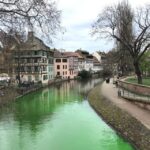
Strasbourg has a split personality, and this walk proves it. You’ll cover Neustadt UNESCO architecture, the postcard lanes of Petite France, and end with the Cathedral story told from outside, all in a smooth 3-hour loop with Maxime Laravine.
I especially like the way Maxime turns stone and street plans into a real picture of Alsace—history, power shifts, and religious vs. secular life—so the city starts to make sense fast. One possible drawback: Cathedral access and tower visits come with extra costs, and the Cathedral highlight is mainly an outside story.
In This Review
- Key highlights at a glance
- Why Strasbourg feels like two cities at once
- Price and what you get for about $115
- Meeting at Place d’Austerlitz, ending at Place du Château
- Neustadt streets: UNESCO order, imperial ambition, and Republic Square
- Broglie Square and Kleber Square: monuments that explain power
- Petite France: half-timber houses and a 16th-century time shift
- Gutenberg Square and the ideas behind the streets
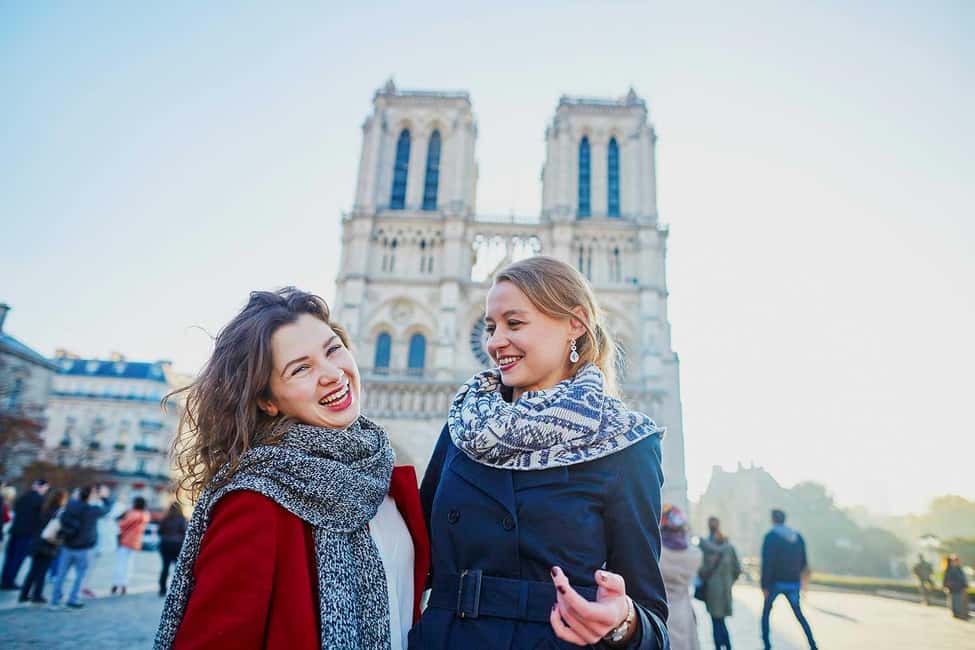
- Cathedral story from the outside: clocks, symbols, and what to watch for
- What the guide makes different: Maxime Laravine’s style
- Logistics that affect your day (without killing the fun)
- Who this private Strasbourg walk is best for
- Should you book this Strasbourg walk?
- FAQ
- How long is the Strasbourg tour?
- Is the tour private or shared?
- What language is the tour offered in?
- Where do we meet and where does the tour end?
- Are Cathedral and tower visits included?
- How does cancellation work if the weather is bad?
Key highlights at a glance

- Neustadt UNESCO planning: see how the late-19th-century “imperial district” was designed and later protected
- Opera-house square stops: Broglie Square, with the Opera house, General Leclerc’s column, and Marshall Kellermann’s statue
- Petite France’s 16th-century feel: half-timbered houses that quickly reset your eye
- Gutenberg Square detour: the printing press inventor links city streets to major ideas
- Cathedral focus from the outside: plus a chance to spot the astronomical clock area
- Private, flexible pacing: it’s just your group, and Maxime adjusts to your pace and interests
Why Strasbourg feels like two cities at once

Strasbourg can look like it’s wearing two outfits. On one side, you have disciplined, planned streets tied to the late-1800s; on the other, you get older lanes with half-timber silhouettes that feel like they’ve been waiting for you.
This tour is built to show both sides without making you bounce all over town. You start near Place d’Austerlitz, move through the Neustadt district, and then shift into the older core around the Cathedral area and Petite France.
If you want a first-time “get my bearings fast” walk, this is a strong pick. And if you’ve been to Strasbourg before, the guide’s focus on how buildings were used through time can refresh your perspective.
You can also read our reviews of more tours and experiences in Strasbourg.


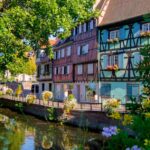
Price and what you get for about $115

At about $115.22 per person for roughly 3 hours, the main value here is not a pile of museum tickets. It’s guided interpretation—someone who can connect architecture, politics, and everyday life into one storyline as you walk.
Also, it’s a private experience, meaning you’re not squeezed into a crowded group timeline. That matters when you’re trying to actually notice details like statuary placement, facade design choices, or why a square feels the way it does.
One small practical note: included items are listed as none, and Cathedral access isn’t included. So go in knowing this is a guided walk first, with optional add-ons if you want to go up the tower or enter specific areas on your own.
Meeting at Place d’Austerlitz, ending at Place du Château
The tour starts at 67000 Pl. d’Austerlitz and ends at Place du Château. That routing is handy because it naturally puts you closer to a dinner zone after the walking portion, rather than dropping you in the middle of nowhere.
You’ll also have the benefit of being near public transportation. So if you’re mixing this with other plans—museum time earlier, dinner nearby after—you can keep your day simple.
Wear shoes you trust. This is marked as moderate physical fitness, which usually means steady walking for a few hours and enough city movement that you’ll appreciate comfort over fashion.
Neustadt streets: UNESCO order, imperial ambition, and Republic Square

The walk begins with a shift into Neustadt, the late-19th-century district tied to German imperial influence. This area has UNESCO protection—its “historical center” is protected since 1988, and the German imperial district has been protected since 2017—and it shows in the street plan and monumental spacing.
You’ll move past the major university setting and then to Republic Square. Even if you don’t know Strasbourg’s political timeline yet, the geometry of these public spaces gives you clues. The guide’s job is to connect those clues to real events: who built what, why it was built, and how it fit into the larger power story for the region.
I like this part because it doesn’t feel academic. You’re outdoors, looking at real facades, and the explanations help you see why these buildings look the way they do. It’s one of those moments where you stop thinking about the past as dates and start thinking of it as decisions.
Broglie Square and Kleber Square: monuments that explain power
Next you’ll hit Broglie Square, where the big landmarks give you a fast lesson in how public art and street layout can reflect authority. The Opera house sits here, alongside General Leclerc’s column and Marshall Kellermann’s statue.
Kellermann and Leclerc aren’t just name-drops. The point is how the city remembers and displays people through scale and placement. You’ll get the kind of context that makes you look up instead of just walking straight ahead.
Then you’ll move through Kleber Square, another key junction for understanding Strasbourg’s street-life rhythm. The squares help you read the city like a map: where people gather, where sightlines matter, and how the urban “rooms” shape movement.
If you like architecture that comes with context—why this was built, not just what it looks like—this segment is likely to be one of your favorites.

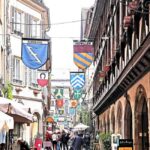
Petite France: half-timber houses and a 16th-century time shift
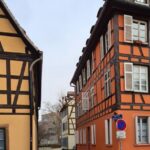
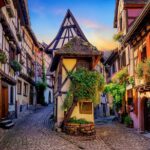
From the more structured Neustadt feel, you’ll slide into Petite France. This is where Strasbourg changes mood. The half-timbered houses take over the view and pull you into something that feels closer to the 16th century.
The guide’s focus here isn’t only about aesthetics. You’ll learn to notice how buildings and facades communicate the era they came from and the practical needs of that time—how a city adapts while keeping familiar patterns.
This is also where you’ll enjoy the slow-down effect. Squares and monuments can be scanned quickly; timber lanes reward a slower pace. So if you tend to rush when you travel, this is a nice tour moment to reset your speed and just watch how the street scene tells the story.
Practical tip: bring a little patience for photos. The angles can be tight in older neighborhoods, and you’ll want time to frame the timber lines and canal-side views without feeling frantic.
Gutenberg Square and the ideas behind the streets

Before you lock onto the Cathedral, you’ll pass Gutenberg Square. The connection here is to the printing press inventor—an idea that matters beyond one man’s biography.
What I like about adding Gutenberg to a walking route is that it broadens what “history” means. You’re not only learning about wars or rulers. You’re also seeing how ideas travel and how technology can shape what people read, believe, and argue about.
This stop works as a mental warm-up. By the time you reach the Cathedral focus, you’re ready for a story about symbols, faith, and civic identity—told in a way that makes you look at the big picture and the small details.
Cathedral story from the outside: clocks, symbols, and what to watch for

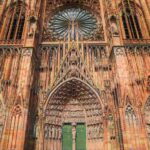
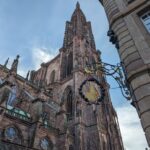
The highlight of the walk is the Cathedral, but in a smart way: the story is told from the outside. That matters because you’re not stuck waiting for entry lines or navigating ticket rules mid-tour.
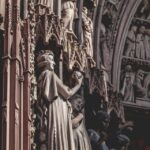
You’ll hear the Cathedral’s narrative outside, and you may also catch the astronomical clock area from where you’re standing. Even if you skip further access, you’ll come away with enough context that the building stops looking like a single famous facade and starts feeling like a designed system of meaning.
Two practical considerations: the tour does not include free Cathedral access, and tower access has fees. So if you want to go beyond the outside viewing, plan for extra costs and time on your own schedule.
I also like that the guide focuses on sightlines and design elements. It’s the kind of pointing-out that changes how you see churches: not as blank monuments, but as city-sized storytelling.
What the guide makes different: Maxime Laravine’s style
Maxime Laravine is the reason this walk feels like more than a route list. People describe him as articulate, personable, flexible, and patient, and that matches what you need in a first serious Strasbourg walk.
I’d call his approach “explanation with pacing.” He doesn’t just throw dates at you. He ties architecture to daily life and political shifts, including the balance between secular and religious influences in Alsace.
And there’s also a practical kindness to the way the tour can extend. In at least one case, the tour included extra time and even a personal walk to a dinner spot based on the guide’s recommendation. That’s helpful if you’d rather not spend your energy hunting for a good meal after you’re already tired from walking.
Logistics that affect your day (without killing the fun)
This is offered in English, and it’s a private tour, meaning only your group participates. It’s also near public transportation, so it’s easier to slot into an already-planned day.
You’ll get a mobile ticket, which helps you avoid printed-paper chaos. Confirmation is typically received within 48 hours of booking, subject to availability.
And yes, weather matters here. The experience requires good weather, so if Strasbourg turns rainy, you may be offered a different date or a full refund.
Who this private Strasbourg walk is best for
This tour is a great match if you want a guided way to understand Strasbourg quickly. It’s especially good for you if you like cities where different eras sit side by side and you want help reading what you’re seeing.
It also fits couples, small groups, and anyone who prefers a small-scale experience over big-group crowd control. The private setup gives you room for questions, slower stops for photos, and detours that make sense in the moment.
If you’re the type who loves Cathedral architecture but doesn’t want to spend half the day locked into ticket logistics, this “outside story” format is a smart compromise.
If you want guaranteed paid access to Cathedral interiors or tower views as part of the package, this one may not be the best fit since those access items aren’t included.
Should you book this Strasbourg walk?
Yes, you should consider booking it if your goal is to understand Strasbourg’s layers without wasting time. For the price, you’re paying for guided interpretation, not a pile of entry tickets—and with Maxime Laravine leading, that interpretation is clearly the main strength.
Book it particularly if you want to connect Neustadt UNESCO planning with the older feel of Petite France, then tie it all together with a Cathedral story you can follow just by looking up. If you’re planning to eat out the same day, you’ll likely appreciate the guide’s practical dinner help.
Skip or plan extra carefully if your top priority is going into the Cathedral or climbing the tower, since fees and access aren’t included. In that case, treat this as the best orientation walk, then add any inside visits separately.
If you’re browsing dates and it’s already popular, don’t procrastinate. This experience is commonly booked about 90 days in advance, and good guides don’t sit around forever.
FAQ
How long is the Strasbourg tour?
It runs for about 3 hours.
Is the tour private or shared?
It’s private. Only your group will participate.
What language is the tour offered in?
The tour is offered in English.
Where do we meet and where does the tour end?
You start at 67000 Pl. d’Austerlitz in Strasbourg and end at Place du Château, 67000 Strasbourg.
Are Cathedral and tower visits included?
Cathedral access is not included, and there are fees to access the tower.
How does cancellation work if the weather is bad?
The experience requires good weather. If it’s canceled due to poor weather, you’ll be offered a different date or a full refund. You can also cancel up to 24 hours in advance for a full refund.